

Câu chuyện khách hàng
Vietnam Entry Visa Guide: Requirements, Types & How to Enter Vietnam Easily
Th5

Vietnam entry visa system is currently handling a very large volume of international travelers. In 2025, Vietnam recorded over 21 million international arrivals, with peak periods reaching approximately 60,000–70,000 travelers per day at major airports such as Ho Chi Minh City and Hanoi. This high traffic volume is the main reason the country operates multiple visa channels to distribute entry processing efficiently.
1. Introduction: Understanding Vietnam Entry Visas
There are three main entry visa routes, each serving different operational and travel needs: eVisa, visa on arrival, and embassy visa. These are not interchangeable in practice, and choosing the wrong one often leads to real travel disruptions.
For example, a traveler from Europe applying for a vietnam entry visa on arrival without pre-approval letter may be denied boarding at the airline check-in counter, because airlines typically require an official approval document before departure. In contrast, the eVisa system allows the same traveler to apply online, receive approval within 3–5 working days, and enter Vietnam directly at 83 approved entry points without additional paperwork on arrival.
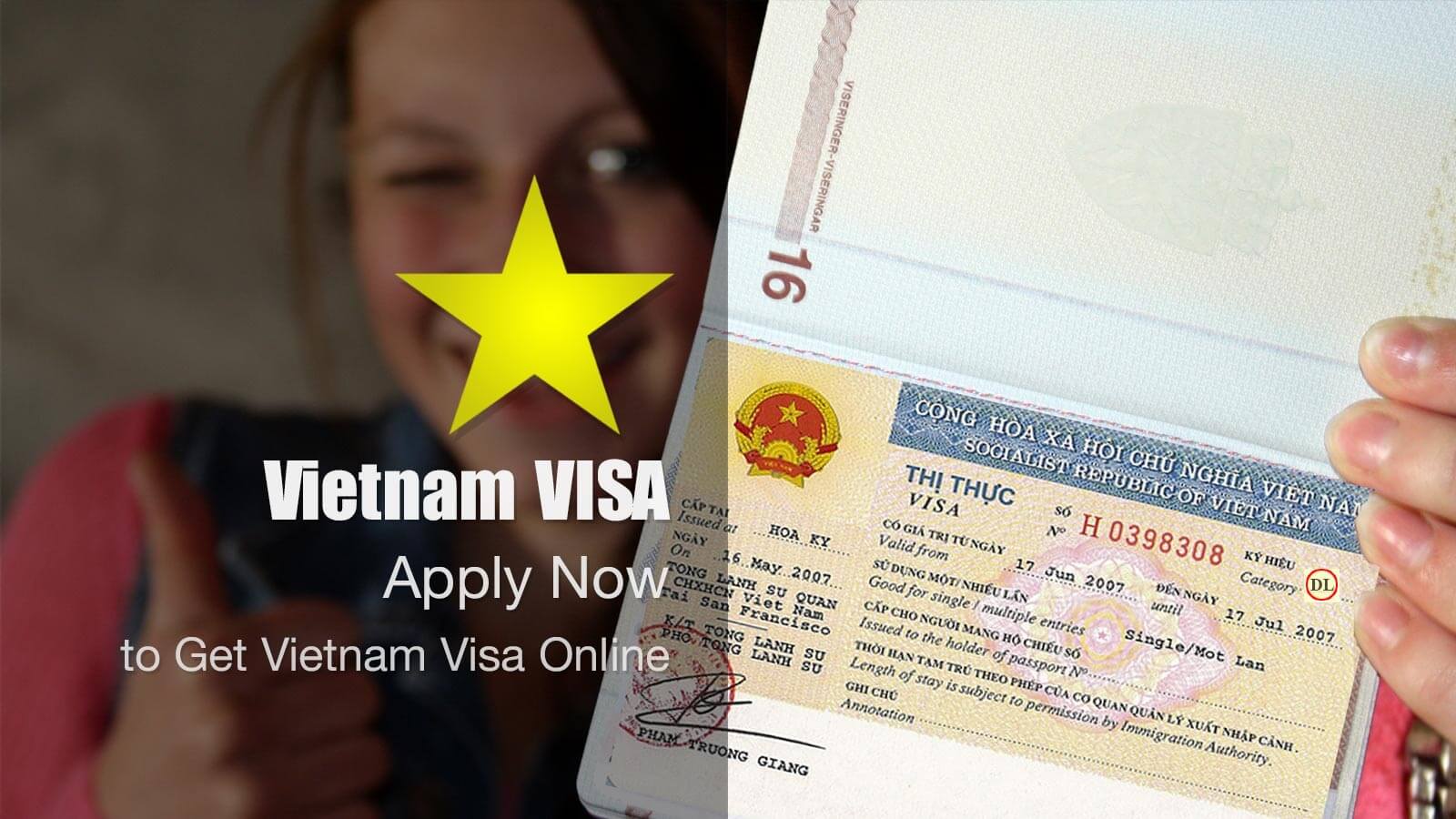
The visa on arrival system is mainly limited to travelers entering through specific international airports and requires an approval letter arranged in advance through agencies. Meanwhile, the embassy visa system still requires physical submission or consulate processing, which can take 5–10 working days or longer, depending on the country of application.
In real travel scenarios, this means:
- A tourist planning a last-minute 7-day trip to Vietnam will almost always choose eVisa due to speed and simplicity
- A business traveler staying 30–90 days with flexible entry needs may choose multiple-entry eVisa
- A long-term applicant or special visa category case may still require embassy processing
Because of these structural differences, understanding visa types is not just procedural—it directly affects whether a traveler can board the flight, enter the country smoothly, or face delays at immigration in Vietnam.
2. Types of Vietnam Entry Visas
Vietnam has a structured entry visa system in Vietnam that mainly includes three types: eVisa, visa on arrival, and embassy or consulate visa. Each type differs in how it is applied, what documents are required, and when those documents must be submitted.
eVisa (Most Common Option in 2026)
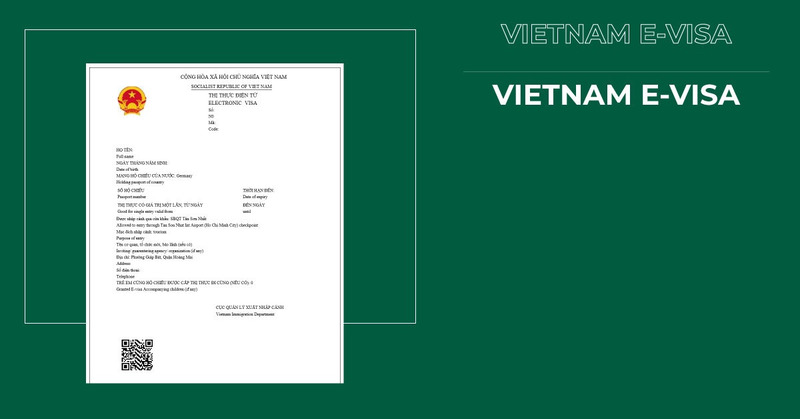
The most commonly used option is the eVisa, which is fully processed online before travel. Applicants only need a passport scan and a personal photo to apply. Once approved within around 3–5 working days, the visa is issued electronically and can be used directly at immigration without any additional paperwork on arrival. This makes it the simplest and most predictable option for most travelers.
Visa on Arrival (Vietnam Entry Visa Conditional Use)
The visa on arrival works differently because it requires a pre-approval letter before departure. Travelers first submit basic information such as passport details, entry date, and arrival airport to obtain this letter. However, the actual visa process is completed upon arrival in Vietnam, where travelers must present additional documents including a printed approval letter, passport, passport-sized photo, entry/exit form (NA1), and pay a stamping fee in cash. This means the process is split between pre-travel and airport procedures.
Embassy / Consulate Visa (Traditional Method)
The embassy or consulate visa is the traditional method, where all documents are submitted before departure through a Vietnamese embassy or consulate. This usually includes a passport, application form, passport photo, travel itinerary, and sometimes additional documents such as an invitation letter or financial proof depending on the purpose of visit. Unlike visa on arrival, this method is fully completed before travel, so there are no additional steps upon entering Vietnam.
| Visa Type | Application Method | Documents Required | Processing Stage | Convenience Level |
| eVisa | Fully online before travel | Passport scan, photo | Before departure | High (simplest) |
| Visa on Arrival | Online approval letter + airport stamping | Passport, approval letter, photo, NA1 form, cash fee | Split (before + arrival) | Medium |
| Embassy/Consulate Visa | Apply at embassy/consulate | Full set: passport, form, photo, itinerary, possible financial proof | Before departure | Low–Medium (more formal) |
Across all visa types, Vietnam applies two entry classifications: single-entry and multiple-entry. A single-entry visa allows entry once only, while a multiple-entry visa allows repeated entry within the validity period, typically up to 90 days for eVisa holders.
Overall, each vietnam entry visa type reflects a different balance between convenience before travel and procedures at entry, allowing travelers to choose based on their itinerary and level of flexibility needed.
3. Vietnam Entry Visa Requirements
Requirements for entering Vietnam vary depending on the visa type you choose. Although all travelers must meet basic passport conditions, each visa category has different document and approval requirements.
| Requirement / Criteria | eVisa | Visa on Arrival | Embassy / Consulate Visa |
| Passport validity | ≥ 6 months | ≥ 6 months | ≥ 6 months |
| Basic eligibility | All nationalities | Must have approval letter | Depends on embassy approval |
| Main documents | Passport scan, photo, travel info | Approval letter + passport + photo + NA1 form + cash fee | Passport, form, photo, itinerary, supporting documents |
| Supporting documents | Not usually required | Not required before departure | May include invitation letter, financial proof |
| Entry conditions | Must match registered data (date, port, info) | Must match approval letter details | Must match approved visa conditions |
| Where requirements apply | Before travel (online) | Split: before travel + airport | Before travel (embassy submission) |
| Complexity level | Low | Medium | High |
Vietnam Entry Visa Requirements
For the eVisa, requirements are relatively simple because the entire process is completed online before arrival. Applicants must have a passport valid for at least 6 months and a clear digital photo of the passport bio page and a passport-style portrait photo. Basic travel information such as entry date, exit date, and entry port must also be provided.
The vietnam entry visa does not require additional supporting documents such as invitation letters or financial proof in most cases. However, all information must exactly match passport details, as even small errors can lead to rejection.
Visa on Arrival Requirements
Visa on arrival has a two-stage requirement system. Before departure, travelers must apply for a visa approval letter using passport details and travel information. Without this letter, airlines may deny boarding.
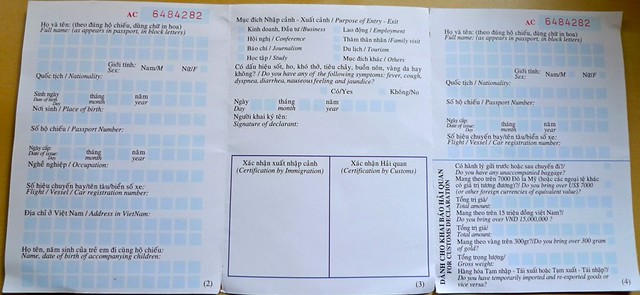
At arrival in Vietnam, additional documents are mandatory, including a printed approval letter, original passport, passport-sized photo, completed NA1 entry/exit form, and cash for the stamping fee. All documents must be prepared in advance, as missing items can delay or block entry at immigration.
Embassy / Consulate Visa Requirements
The embassy visa requires full documentation before travel. Applicants must submit a valid passport, completed application form, passport photos, and travel details such as flight bookings and accommodation plans. Depending on the purpose of visit, additional documents may be required, such as a business invitation letter or financial proof.
This visa type is more document-heavy but has the advantage of being fully approved before departure, meaning no additional paperwork is needed upon arrival in Vietnam.
Entry Conditions (Common Across All Visa Types)
Regardless of visa type, all travelers entering Vietnam must comply with basic conditions:
- Passport validity of at least 6 months
- Purpose of visit must match visa type (tourism, business, etc.)
- Entry and exit dates must be consistent
- Entry port must be valid under visa approval
Common Rejection Reasons
Most visa rejections or entry issues are caused by simple errors such as:
- Incorrect passport number or name mismatch
- Blurry or invalid document uploads
- Missing approval letter (for visa on arrival)
- Inconsistent travel dates or entry port selection
- Lack of required supporting documents for embassy visa
4. How to Enter Vietnam with a Valid Visa
When entering Vietnam, the process is usually smooth, but small mistakes can still cause delays at immigration. These practical tips help you pass border control faster and avoid common issues.
Double-check your entry point before flying
Your visa (especially eVisa) is tied to a specific entry port. If you arrive at a different airport or border gate, you may be denied entry. Always match your arrival location with what is stated on your visa approval.
Keep both printed and digital copies: Even though the system is digital, always carry a printed copy of your visa (or approval letter if using visa on arrival). Also keep a saved PDF on your phone in case officers request a backup.
Prepare documents in “fast-access” order At immigration, delays often happen because travelers search for documents. Keep these ready in one folder:
- Passport (open at photo page)
- Visa or approval letter
- Entry form (if required)
- Return flight details (if asked)
Match all information exactly Name spelling, passport number, and travel dates must match your visa exactly. Even small differences (missing middle name, wrong date format) can trigger secondary checks.
Expect simple questions at immigration Officers may ask basic questions such as:
- Purpose of visit
- Length of stay
- Where you will stay
Answer clearly and consistently with your visa information.
Step-by-Step Application Process ( Vietnam Entry Visa Focus)
Applying for an eVisa to enter Vietnam is a fully online process managed by the official immigration system, and it can usually be completed in a few simple steps.
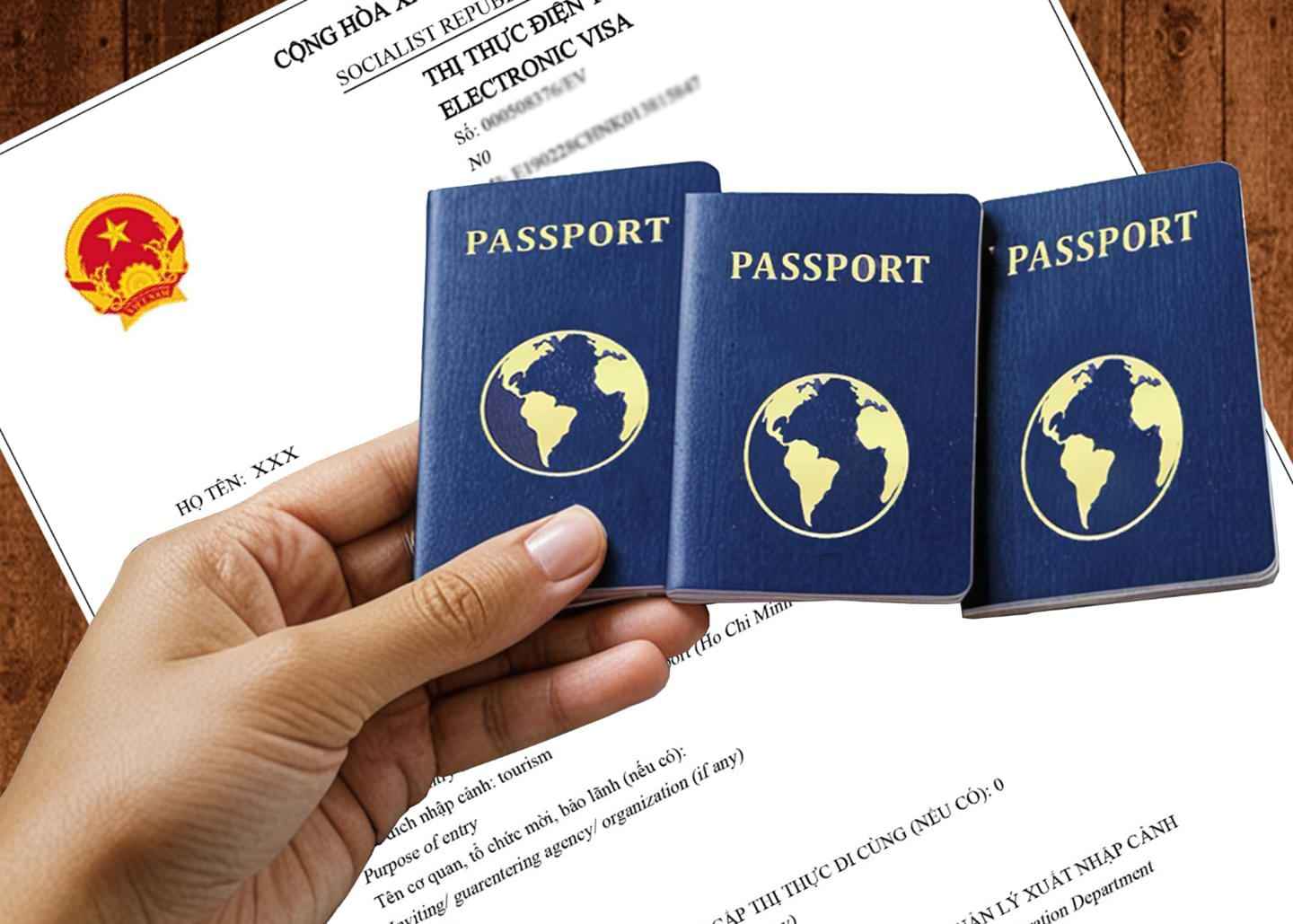
- First, you access the official eVisa portal and start a new application. This is where you select your visa type and begin entering your information.
- Next, you fill in the application form with personal and travel details, including full name, passport number, nationality, entry/exit dates, and intended entry port. All information must match your passport exactly to avoid delays or rejection.
- After that, you upload the required documents, typically a clear scan of your passport bio page and a passport-sized photo with a plain background. The system requires high-quality images, so blurry or cropped files should be avoided.
- Once the documents are uploaded, you proceed to pay the visa fee online using a debit or credit card. After successful payment, you will receive a confirmation or application code to track your status.
Finally, after processing (usually around 3–5 working days), you receive your approved eVisa. You should download and print it, or keep a digital copy ready to present upon arrival in Vietnam.
5. FAQs About Vietnam Entry Visa
Travelers applying for entry into Vietnam often have similar concerns about flexibility, validity, and possible issues during the visa process. Below are the most common questions and clear answers to help avoid confusion.
Can I change my entry port after approval?
No. Once your visa (especially eVisa) is approved, the entry port is fixed and cannot be changed. If you arrive at a different airport or border than the one registered in your application, you may be denied entry and required to apply for a new visa.
Do I need a separate visa for each entry?
It depends on your visa type. A single-entry visa allows only one entry into Vietnam, and you must apply again if you leave and want to return. A multiple-entry visa, however, allows you to enter and exit Vietnam multiple times within the visa validity period (up to 90 days for eVisa).
Is the eVisa valid for all airports and borders?
No. The vietnam entry visa is only valid at designated entry points. Vietnam currently allows entry through selected international airports, land border gates, and seaports. You must ensure your chosen entry point matches the list approved in your visa application; otherwise, entry may be refused.
What happens if my Vietnam entry visa is rejected?
If your application is rejected, you will need to correct the issue and submit a new application. Common reasons include incorrect personal information, unclear document uploads, or mismatched passport details. In most cases, rejection does not prevent you from reapplying, but you must ensure all errors are fixed before resubmission.
BeDental – A Leading Dental Clinic for International Travelers in Vietnam
BeDental offers high-quality dental services for international travelers visiting Vietnam, combining modern technology with experienced dentists. Our services include general and cosmetic dentistry, dental implants, teeth whitening, and smile makeovers, all performed to international standards.
Designed for tourists, BeDental provides flexible appointments, English-speaking staff, and personalized treatment plans that fit travel schedules. With competitive pricing and convenient locations, BeDental allows visitors to improve their smile while enjoying their trip to Vietnam.