
Dental Knowledge
Tooth Color Options in Vietnam – The Guide and Dental Treatments of Tooth Color Options
Th1

Choosing the right tooth shade is one of the most critical decisions in modern cosmetic dentistry. In recent years, tooth color options in Vietnam have become increasingly sophisticated, driven by rising aesthetic expectations and stricter professional standards. Patients today no longer want teeth that are simply white—they want smiles that look natural, balanced, and long-lasting.
What Are the Tooth Color Options?
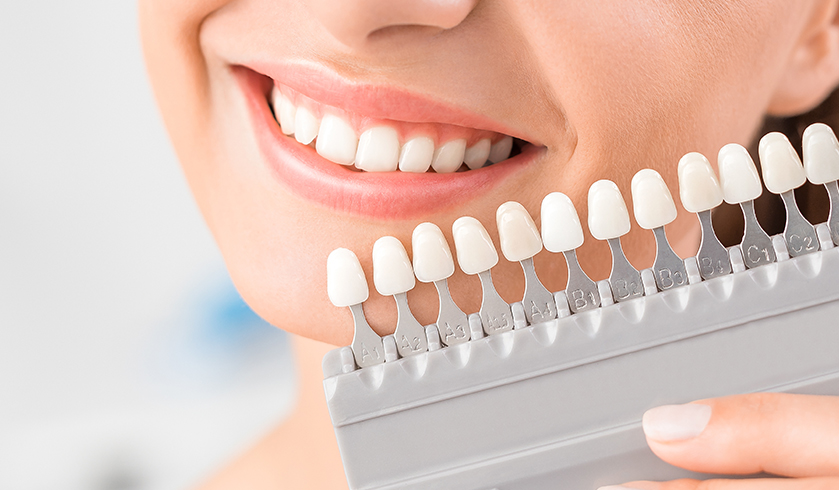
Tooth color options is a standardized visual guide used in dentistry to measure, compare, and match tooth shades. It allows dental professionals to evaluate a patient’s current tooth color and select an appropriate shade for whitening, veneers, crowns, or other cosmetic restorations.
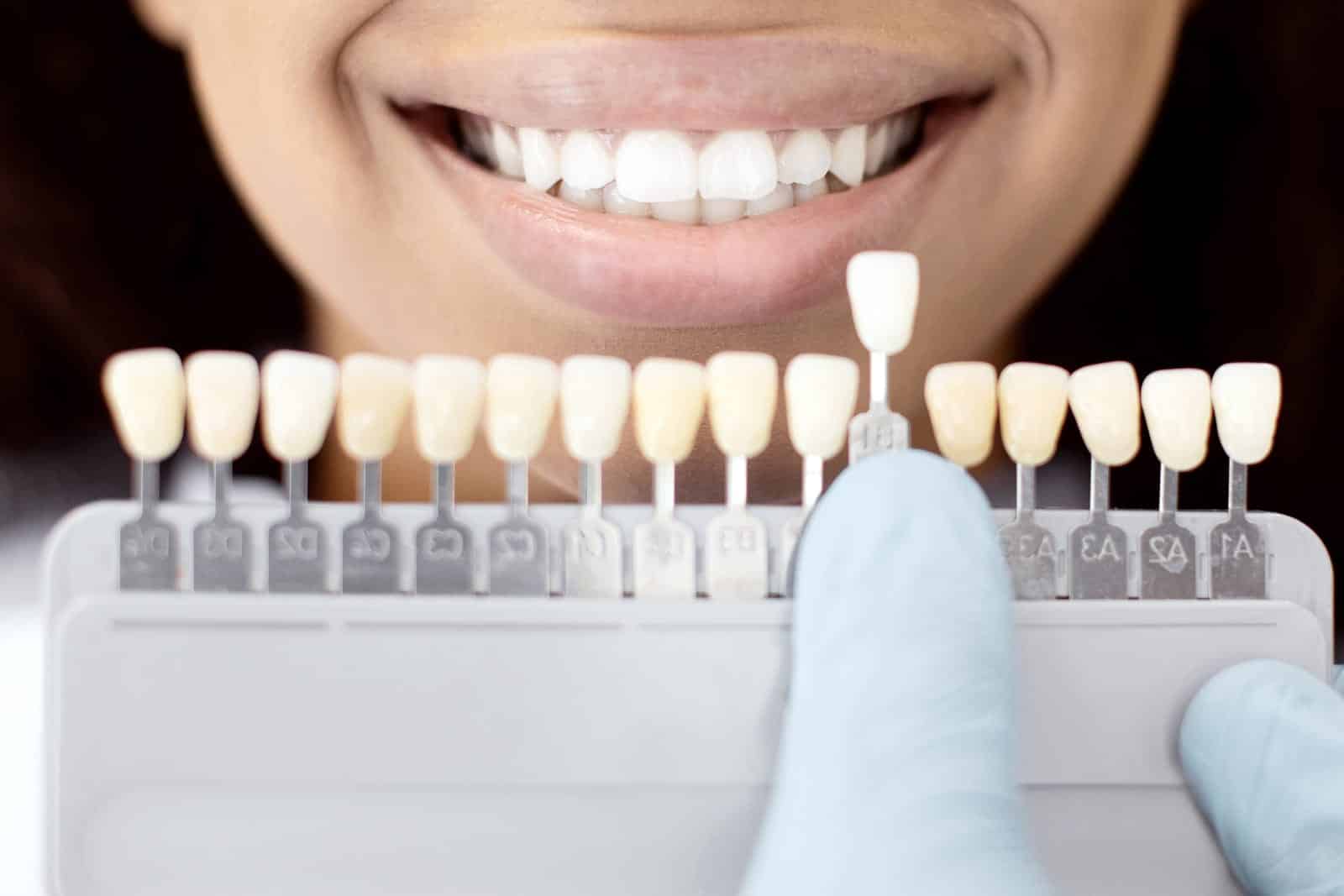
Dental associations recognize tooth shade guides as essential tools in modern cosmetic dentistry, ensuring consistency, accuracy, and predictable outcomes. They are commonly used in both clinical assessments and laboratory fabrication processes.
See more: Braces with self ligating metal brackets
How Do Tooth Color Options in Vietnam Work?
Tooth color options in Vietnam categorize teeth into different shades, enabling dentists to design a personalized treatment plan. Throughout the whitening or restorative process, these charts serve multiple purposes.
Initial Shade Assessment
Dentists begin by examining the patient’s natural tooth color under proper lighting conditions. Using professional shade guides, the current tooth shade is recorded as a baseline.
Use of Standardized Shade Guides
Professional shade systems categorize tooth colors by brightness, tone, and saturation. Dentists compare the patient’s teeth with these reference shades to identify the closest match. This standardized approach ensures consistency and accuracy when selecting tooth color options in Vietnam for crowns, veneers, or whitening treatments.
Target Shade Selection
Based on facial features, skin tone, age, and aesthetic goals, dentists help patients choose a target shade that looks natural rather than overly white. Dental associations emphasize that tooth color options should enhance facial harmony and preserve a realistic enamel appearance.
Treatment planning and material selection
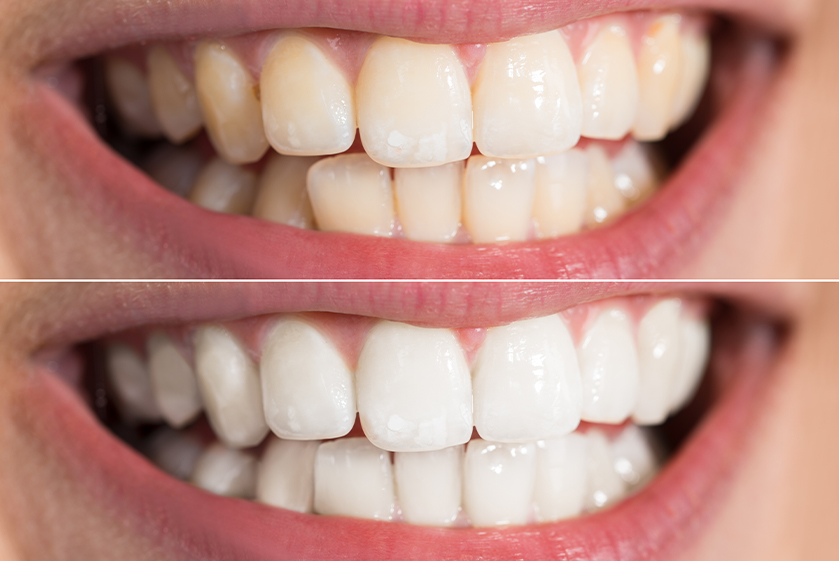
Different dental materials reflect light differently. Dentists consider whether the patient is receiving whitening, porcelain veneers, or crowns, then select materials that best reproduce the chosen shade. This ensures that tooth color options remain consistent across natural and restored teeth.
Progress monitoring during treatment
Throughout the treatment process, dentists regularly compare tooth color to the selected shade guide. This allows adjustments to be made if necessary and ensures the treatment stays aligned with the planned tooth color options.
Final shade verification
After treatment is completed, dentists perform a final shade check under natural and clinical lighting. Both the dentist and patient confirm that the final result matches the selected tooth color options in Vietnam and meets aesthetic expectations.
See more: Anti teeth grinding tray
Why Tooth Color Options in Vietnam Matters in Cosmetic Dentistry
In modern cosmetic dentistry, choosing the right shade is just as important as the dental procedure itself. Tooth color options play a critical role in determining whether a smile looks natural, harmonious, and long-lasting.
According to cosmetic dentistry standards and professional dental associations, improper shade selection is one of the most common reasons patients feel dissatisfied with aesthetic dental results.
- Creates a natural-looking smile: Cosmetic dental work should blend seamlessly with natural teeth. Tooth color options help dentists select shades that match natural enamel translucency and light reflection, preventing crowns, veneers, or implants from appearing overly white or artificial.
- Enhances overall facial harmony: Teeth are a central feature of the face. Proper options allow dentists to choose shades that complement skin tone, lip color, and facial structure, resulting in a balanced and aesthetically pleasing appearance.
- Prevents an unnatural “fake teeth” effect: Dental associations warn that choosing the whitest shade without proper evaluation often leads to unnatural results. With professional tooth color options in Vietnam, dentists can avoid overly bright shades that may clash with age, complexion, or natural tooth characteristics.
- Improves patient confidence and satisfaction: Patients who receive treatment using carefully selected tooth color options are more likely to feel confident when smiling and speaking. Proper shade matching directly affects emotional satisfaction and long-term acceptance of cosmetic dental work.
- Supports long-term aesthetic stability: Not all tooth shades age the same way. Dentists use tooth color options to select colors that maintain stability over time, reducing the risk of visible contrast between natural teeth and restorations as years pass.
- Ensures consistency across multiple restorations: When a patient receives crowns, veneers, or implants on multiple teeth, consistency is essential. Tooth color options in Vietnam help standardize shade selection so that all restorations look uniform and symmetrical.
- Guides personalized treatment planning: Every patient has unique dental characteristics. By using standardized tooth color options, dentists can design individualized cosmetic treatment plans rather than applying a one-size-fits-all approach.
Dental associations consistently advise against choosing overly bright shades that do not match the patient’s overall appearance.
See more: Signs of exposed porcelain teeth
Skin Tone Matching and Tooth Color Options in Vietnam
Skin tone plays a major role in selecting tooth color options. Dental professionals agree that harmony between teeth and complexion is key to an attractive smile.
- Light skin tones: Slightly warm white shades often look most natural
- Medium skin tones: Neutral white shades with balanced translucency work best
- Darker skin tones: Bright but warm shades enhance contrast without appearing artificial
Rather than choosing the whitest shade available, dentists in Vietnam aim for balance and realism.
The Guide and Cost of Tooth Color Options in Vietnam
Vita Classical Shade
The Vita Classical Shade guide is one of the most popular shade systems used by dentists in Vietnam for crowns, veneers, and bridges.
- A: Reddish-brown tones
- B: Reddish-yellow tones
- C: Grey tones
- D: Reddish-grey tones
Each family contains multiple shades ranging from light to dark. This guide is commonly used to determine natural tooth color and establish an initial reference for cosmetic treatments.
In Vietnam, most porcelain crowns or veneers matched with Vita Classical shades fall between 3,000,000 VND – 10,000,000 VND (115,42 to 385 USD) per tooth depending on material quality and clinic standards.
Vita 3D-Master Shade
The Vita 3D-Master Shade Guide offers a more advanced and precise approach. It evaluates tooth color using three parameters.
- Value: brightness or lightness
- Chroma: intensity or saturation of color
- Hue: the basic color family
This system is frequently recommended by dental associations for advanced cosmetic dentistry, including veneers and crowns, due to its high level of accuracy and predictability.
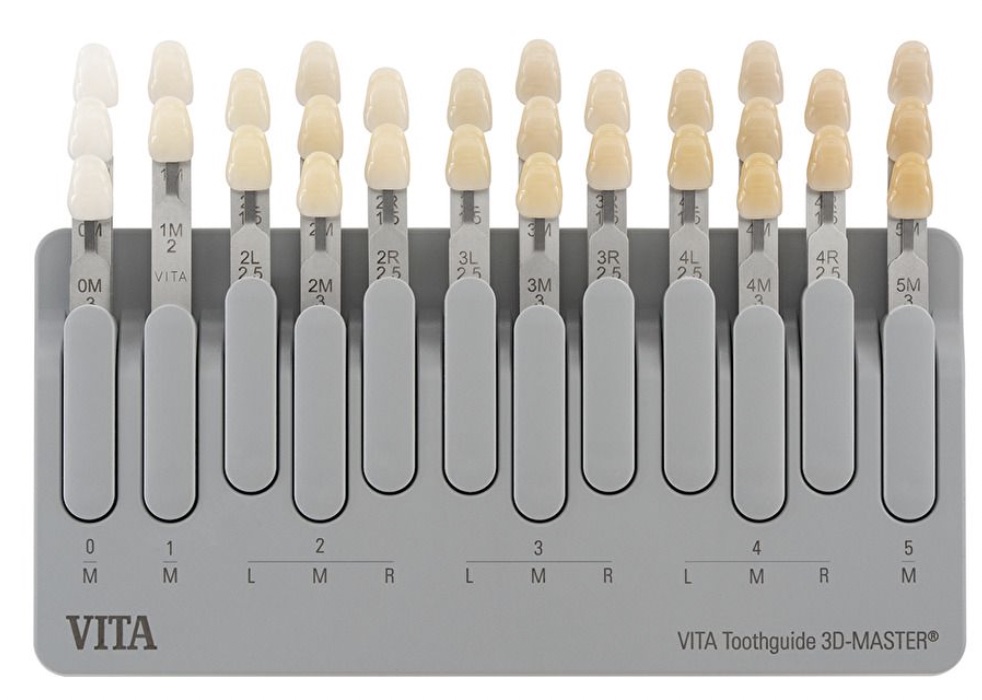
Custom restorations with Vita 3D-Master matching often range from 5,000,000 VND – 15,000,000 VND (192,40 to 577 USD) per tooth depending on material (e.g., layered ceramic or lithium disilicate).
Chromascop Shade
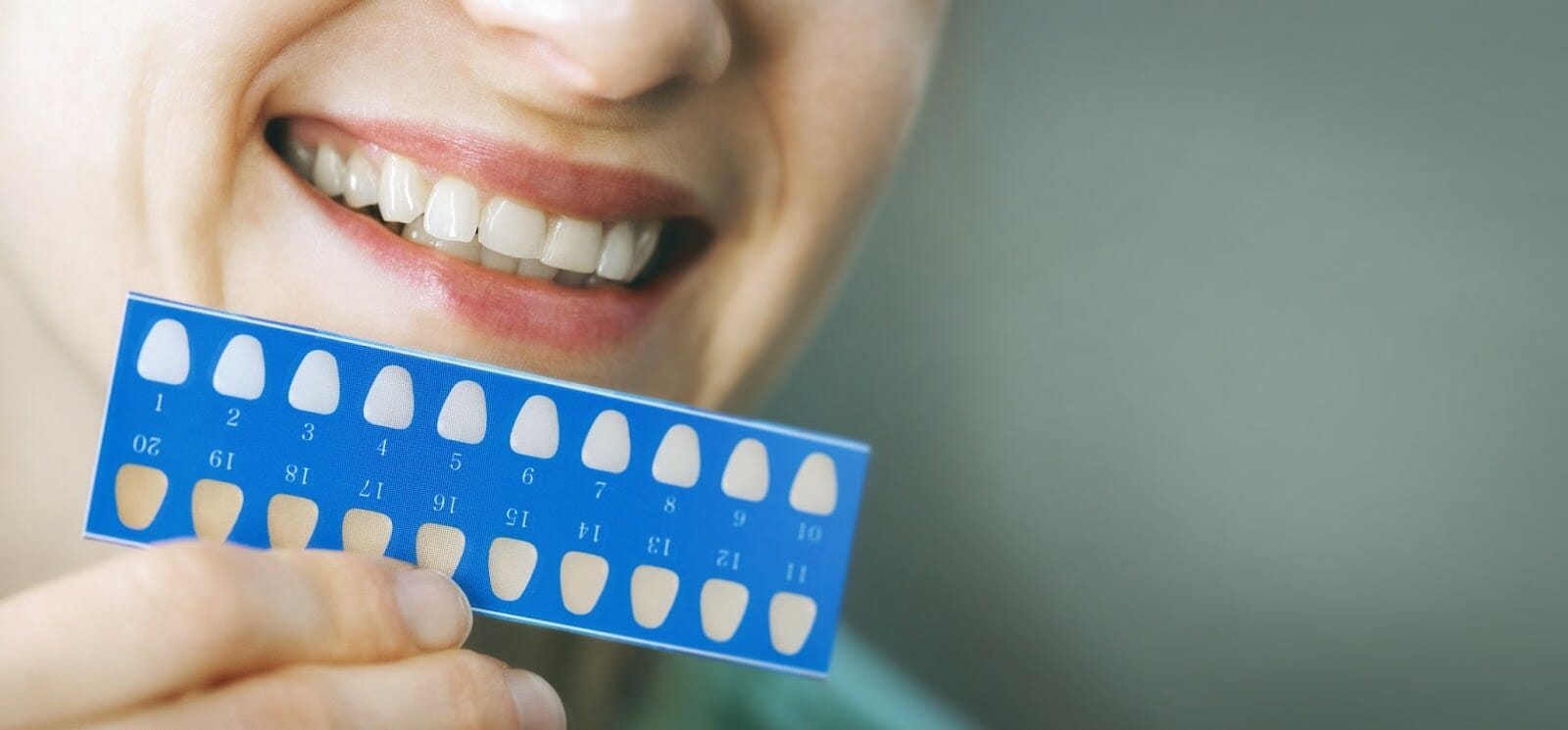
The Chromascop tooth shade guide is a ceramic tooth color system developed by Ivoclar Vivadent, featuring 20 shades divided into multiple tonal ranges to closely match natural tooth color. Specifically, the Chromascop shade guide is categorized into five color groups:
- 110–140 (Group 100): White shades – Shade 110 is the brightest, while 140 has a soft ivory-white tone.
- 210–240 (Group 200): Yellow shades – Shade 210 is the lightest yellow, and 240 is a deeper, warmer yellow.
- 310–340 (Group 300): Light brown shades – Shade 310 is the lightest brown, and 340 is the darkest brown in this group.
- 410–440 (Group 400): Gray shades – Shade 410 is the lightest gray, while 440 is the darkest within this range.
- 510–540 (Group 500): Dark brown shades – Shade 510 is the lightest brown in this group, and 540 is the darkest brown shade.
Custom Chromascop-guided restorations generally range from 8,000,000 VND – 20,000,000 VND (307,80 to 769,50 USD) per tooth or more, depending on clinic reputation, material choice, and complexity.
See more: Oral diseases in Vietnam
Tooth Color Options for Different Dental Treatments
Dentists at BeDental first examine the patient’s current tooth color, facial features, and overall oral condition. This step helps create a clear starting point before any cosmetic treatment such as whitening, veneers, or dental crowns.
| Patient Type | Common Needs & Concerns | Available Options at BeDental | BeDental’s Clinical Approach |
| Young Adults (20–30s) | • Want whiter teeth
• Natural but noticeable brightness • Social & professional confidence |
• Vita Classical A1–B1
• Vita 3D-Master 1M1–2M1 |
Focus on bright but natural shades; avoid over-whitening. Shade is selected to enhance a smile while matching skin tone and facial features. |
| Middle-Aged Patients (30–50s) | • Natural appearance
• Balanced color with surrounding teeth • Long-term stability |
• Vita Classical A2–A3
• Vita 3D-Master 2M2–3M2 |
Dentists prioritize harmony and realism. Slight warmth is maintained to prevent an artificial look, especially for crowns and veneers. |
| Older Patients (50+) | • Comfortable, realistic smile
• Avoid overly white teeth • Match aging enamel |
• Vita Classical A3–A3.5
• Chromascop 210–310 |
Shade selection considers enamel thinning and dentin visibility. BeDental avoids bright whites to preserve age-appropriate aesthetics. |
| Patients with Dark or Uneven Tooth Color | • Mask discoloration
• Even color across smile • Strong coverage |
• Vita 3D-Master (custom value & chroma)
• Chromascop layered shades |
Advanced ceramic layering is used to block dark dentin while maintaining translucency for a natural finish. |
| Cosmetic-Focused Patients (Smile Makeover) | • High aesthetic expectations
• Camera-ready smile • Symmetry and brightness |
• Vita 3D-Master (customized)
• Roland HD ceramic shades |
Detailed shade planning, previews, and adjustments are done before final placement to ensure refined, lifelike results. |
| Functional Restoration Patients (Crowns / Implants) | • Strength and durability
• Seamless blending with natural teeth |
• Vita Classical or 3D-Master matched to adjacent teeth | Shade matching prioritizes consistency with neighboring teeth to avoid visible contrast in daily function. |
| International Patients | • Easy understanding
• Predictable results • No “too white” outcome |
• Visual Vita & Chromascop guides
• Preview-based shade confirmation |
Dentists explain shade options visually and in simple terms, ensuring patients clearly understand the final color before treatment. |
For international patients, dentists explain the tooth color options in Vietnam in simple terms, using visual references so patients can easily understand the differences between shades.
How Long Do Tooth Color Last?
The longevity of tooth color depends on the treatment type and oral care habits.
- Teeth whitening results typically last 1–3 years
- Veneers and dental crowns maintain color for 10–15 years or longer
- Proper hygiene and regular dental checkups significantly extend color stability
Dental associations recommend professional maintenance to preserve long-term results.
Factors That Influence Tooth Color
Before choosing a whitening treatment or final shade, dentists carefully assess multiple factors that affect natural tooth color. Understanding these factors allows dentists to recommend appropriate tooth color options that remain stable over time.
Previous dental treatments
Past procedures such as fillings, root canal treatments, or old crowns can affect tooth color uniformity. Non-vital teeth often darken internally, requiring specialized shade selection. Dentists evaluate existing restorations to ensure cohesive options across the entire smile.
Dentin color and structure
Beneath the enamel lies dentin, which is naturally yellow or grayish. The shade and density of dentin influence overall tooth color, especially as enamel wears down over time. Dentists consider dentin tone carefully when selecting tooth color options in Vietnam, particularly for crowns and veneers.
Skin tone and facial features
Facial complexion plays an important role in shade selection. Dental professionals in Vietnam emphasize harmony between teeth, skin tone, lips, and facial structure to ensure tooth color options appear balanced and aesthetically pleasing.
Genetics
Genetics play a major role in determining baseline tooth color. Some people naturally have thicker enamel that reflects more light, making teeth appear whiter, while others have thinner enamel that allows the yellowish dentin underneath to show through. This biological factor directly affects which options will look most natural for each individual.
Diet and Nutrition
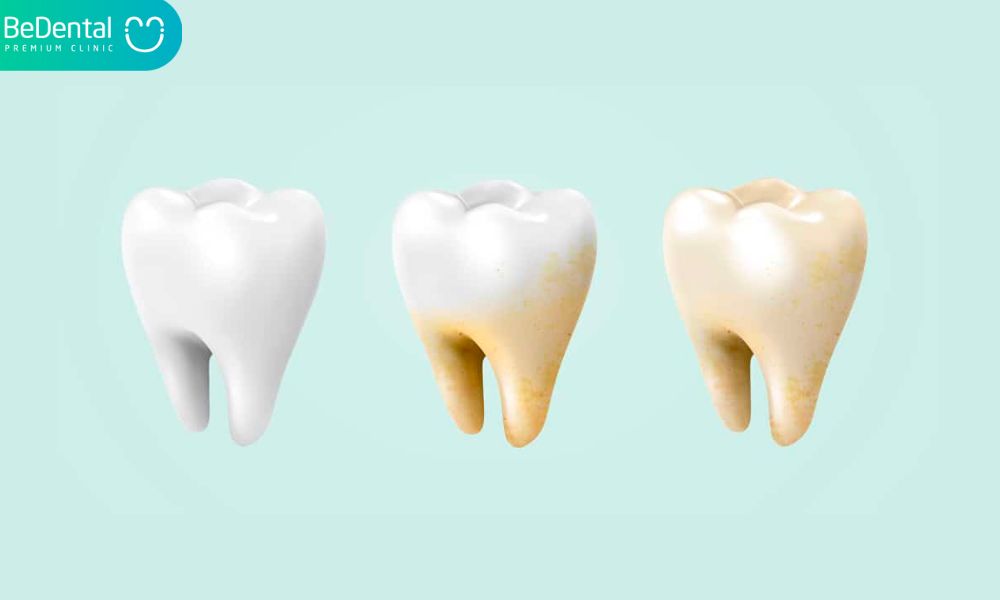
Foods and beverages such as coffee, tea, red wine, soy sauce, and dark-colored fruits can stain enamel over time. Acidic foods can also weaken enamel, increasing susceptibility to discoloration. These dietary habits strongly influence long-term options, especially for patients considering whitening or cosmetic restorations.
Aging
As people age, enamel gradually thins and becomes more translucent. This allows darker dentin to become more visible, making teeth appear darker or duller. For this reason, dental professionals in Vietnam recommend age-appropriate tooth color options rather than overly bright shades that may look unnatural.
Lifestyle Habits
Smoking and tobacco use are among the leading causes of tooth discoloration. Nicotine and tar penetrate enamel, creating deep stains that are difficult to remove. Dentists factor in lifestyle habits when advising patients on suitable tooth color options and the longevity of results.
See more: Teeth cleaning in Vietnam
How BeDental Implements Tooth Color Options in Vietnam?
Tooth color options at BeDental are applied through a structured and professional process designed to achieve natural, balanced, and long-lasting aesthetic results. The clinic follows internationally recognized cosmetic dentistry standards, ensuring that tooth shade selection is not based on personal preference alone, but on clinical accuracy and facial harmony.
Easy Consultation and Color Check
At BeDental, tooth color options start with a simple consultation. The dentist checks your natural tooth color, skin tone, and smile shape. This helps create a clear starting point before any cosmetic treatment.
Clear Explanation for Patients
BeDental dentists explain tooth color options using visual shade samples that patients can easily see the difference between natural white tones and brighter shades.
This is especially helpful for international patients who may not be familiar with dental color systems.
Choosing a Natural-Looking Shade
Instead of choosing the brightest color, BeDental focuses on balance. Dentists help patients select tooth color options in Vietnam that look natural and match the face and surrounding teeth, following professional dental standards.
Preview Before Final Treatment
Before completing crowns, veneers, or whitening, patients can preview the expected tooth color. Adjustments can be made so the final result meets expectations and looks comfortable, not artificial.
Final Check and Aftercare
After treatment, the dentist checks the final tooth color to ensure it is even and stable. Patients receive easy aftercare tips to help maintain their chosen tooth color options in Vietnam for longer.
Tooth Color Options in Vietnam at BeDental
At BeDental, tooth color selection follows internationally recognized dental standards. Each patient undergoes a comprehensive consultation, where dentists assess facial structure, skin tone, oral health, and personal preferences before recommending suitable tooth color options.
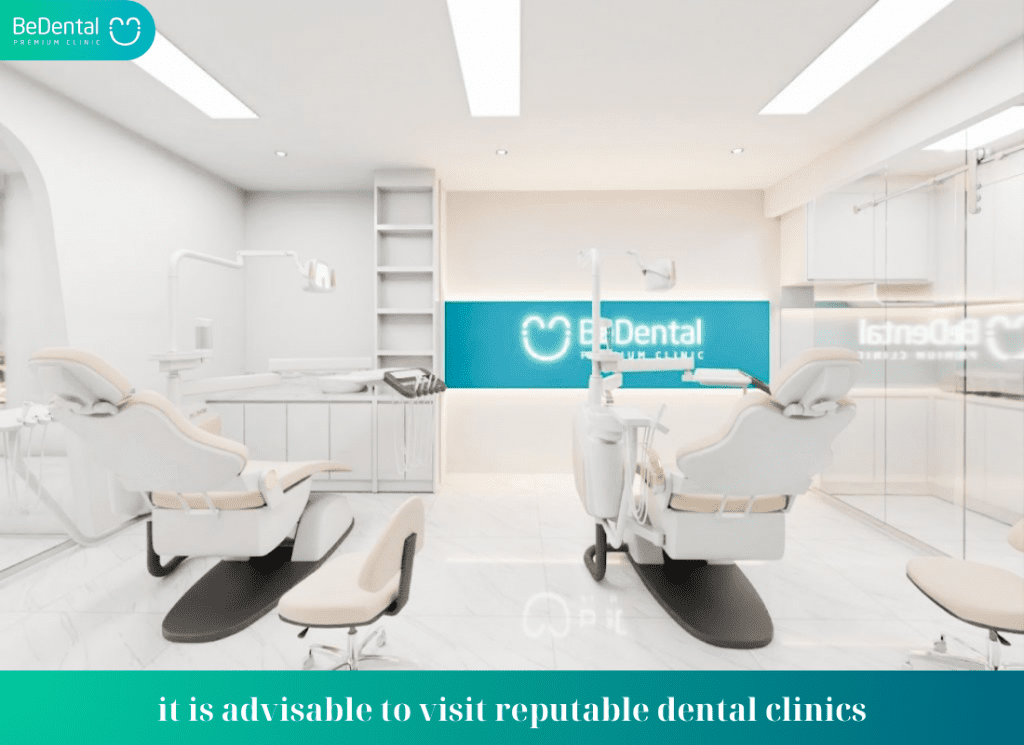
BeDental applies professional shade-matching techniques guided by dental association recommendations to ensure:
- Natural-looking results
- Long-term color stability
- Personalized smile design
- Safe and effective cosmetic outcomes
Advanced diagnostic tools and shade guides allow BeDental dentists to deliver precise, predictable, and aesthetically pleasing results for both local and international patients.

Tư vấn chuyên môn bài viết:
BÁC SĨ DƯƠNG THỊ THÙY NGA
BEDENTAL - TOP STANDARD DENTISTRY SYSTEM
In HANOI
Address 1: 7B Thi Sach St, Ngo Thi Nham, Hai Ba Trung Dist, Ha Noi. - 0934.61.9090
Address 2: No 129 Hoang Ngan, Yen Hoa, Cau Giay Dist, Ha Noi. - 0934.61.9090
In HO CHI MINH
Address 1: 53 -55 -57 Pho Duc Chinh St, Nguyen Thai Binh, Dist. 1, Ho Chi Minh. - 0766.00.8080
Working: 9am - 8pm everyday
Website: https://bedental.vn/en/