
Hình Ảnh Đẹp
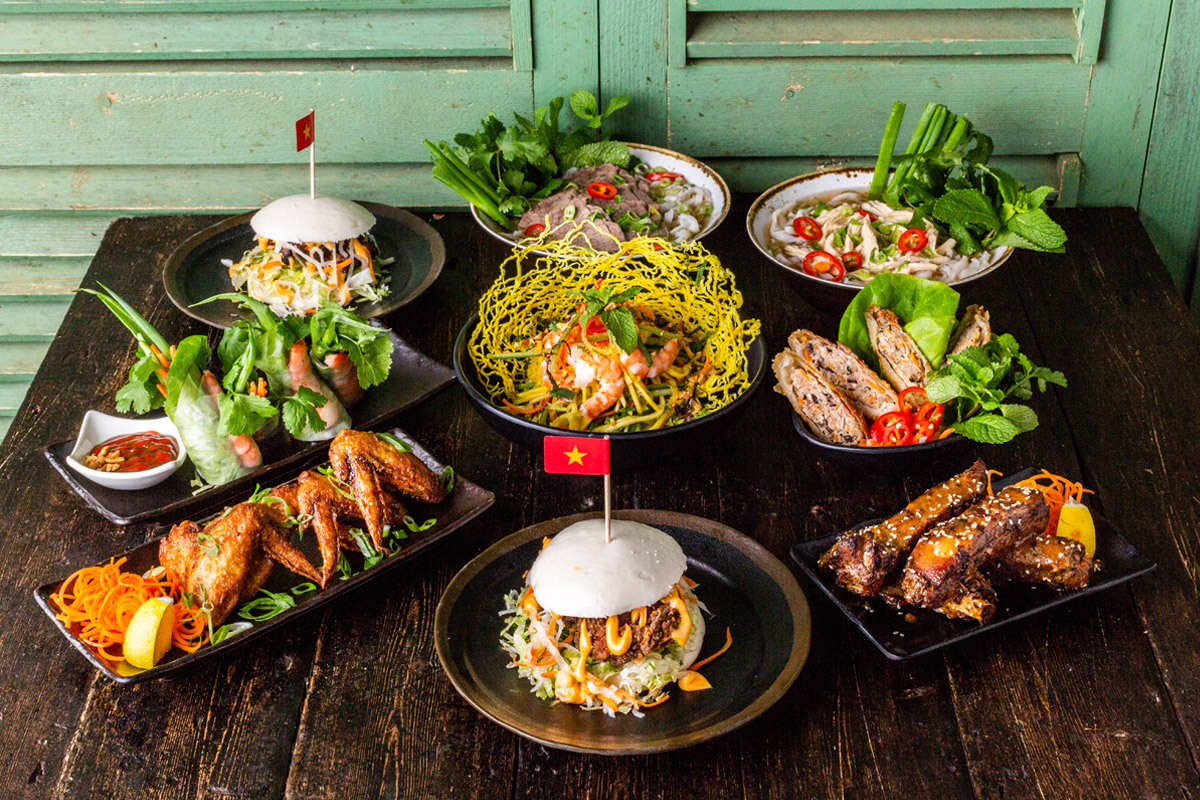
Vietnamese traditional cuisine: Classic dishes and flavors
Th3

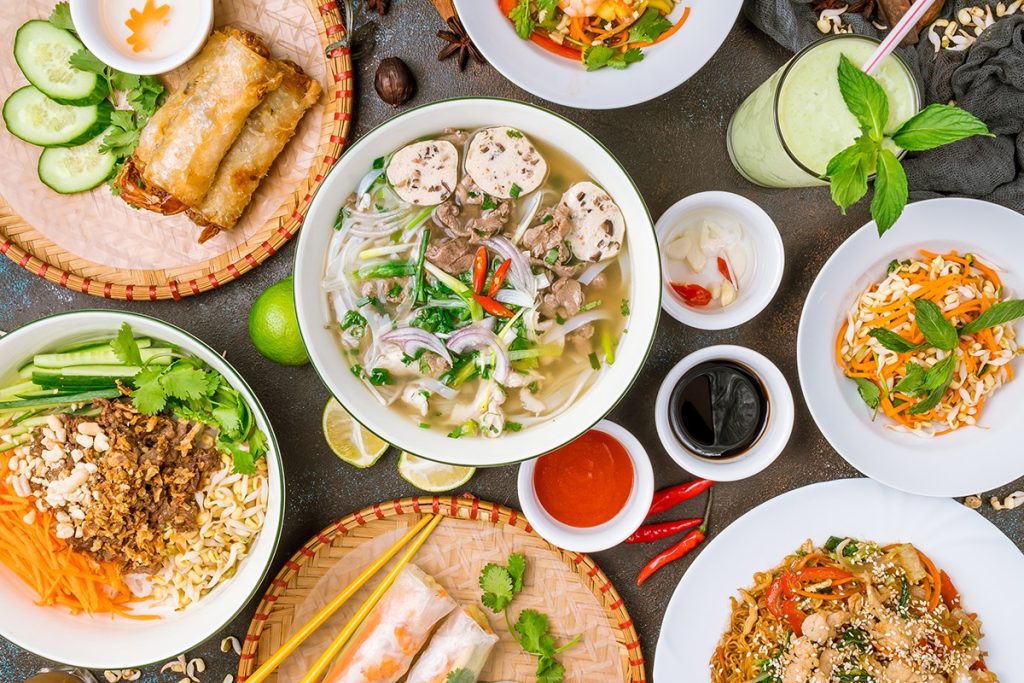
Vietnamese traditional cuisine: Vietnam is a country of remarkable cultural diversity shaped by geography, history, and centuries of interaction with neighboring civilizations. Stretching from the mountainous North to the fertile Mekong Delta in the South, Vietnam is commonly understood through its three main regions: Northern, Central, and Southern Vietnam. Each region possesses distinct traditions, dialects, lifestyles, and social values, forming a rich mosaic of cultural identities within one nation.
These regional cultures are not only expressed through customs, festivals, and daily life, but also play a significant role in shaping Vietnam’s economic and social development. Historical legacies, natural conditions, and patterns of trade and migration have influenced how each region approaches governance, business, education, and community life. Understanding the cultural characteristics of the three regions therefore provides deeper insight into how Vietnam has evolved into a dynamic society that balances tradition with modernization.
I. Foundations of Vietnamese Flavors- Vietnamese traditional cuisine:
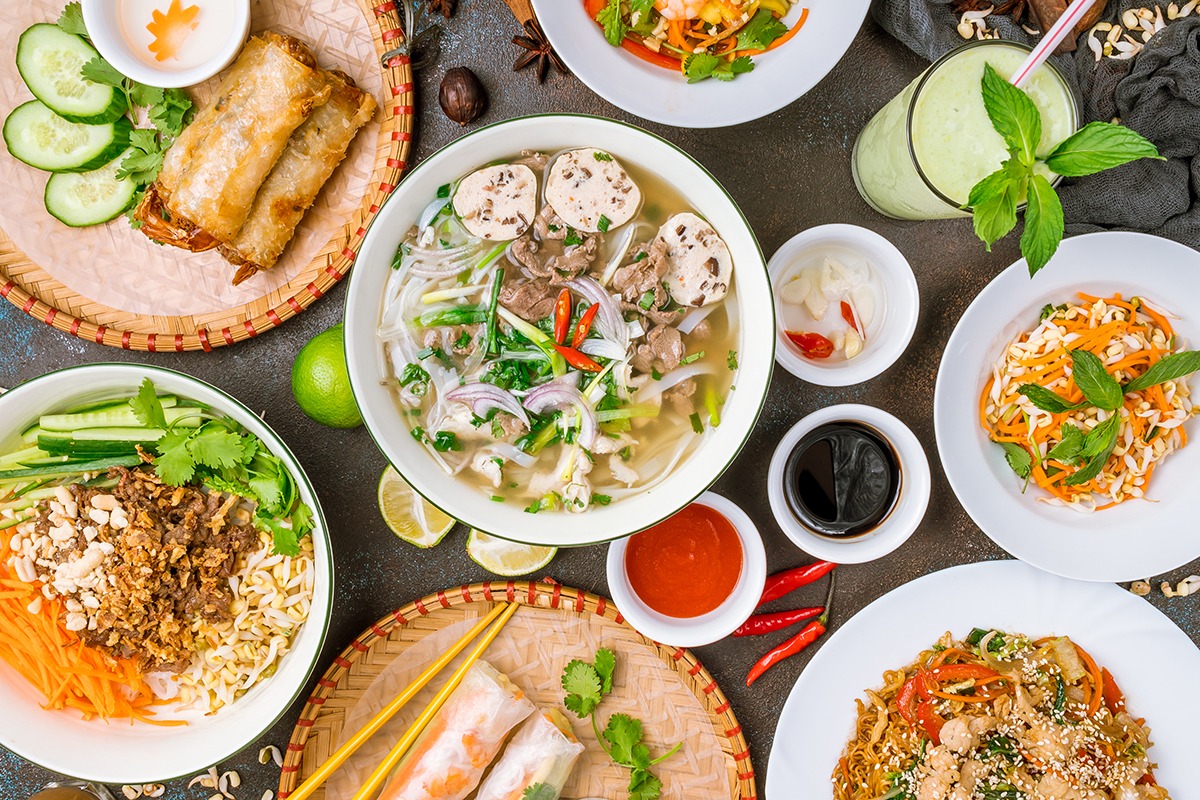
The culinary differences among Northern, Central, and Southern Vietnam reflect more than geography—they reveal distinct cultural identities shaped by history and environment. Northern cuisine, centered around Hanoi, emphasizes subtlety and balance. Dishes such as pho and bun cha highlight clear broths and natural flavors, reflecting a cultural preference for restraint and harmony. The cooler climate and long-standing political history of the North have contributed to a style that values tradition and refinement.
>>> See more: Old hanoi restaurant: local food and dining guide
Central Vietnam, once home to the imperial court in Hue, is known for its bold and intricate flavors. Spicy broths, vibrant colors, and carefully arranged small dishes reflect royal culinary traditions and a history of cultural exchange. The region’s harsher climate and frequent natural challenges have fostered resilience, which is mirrored in its intense and concentrated flavors.
In contrast, Southern Vietnamese cuisine reflects abundance and openness. With fertile land and access to diverse ingredients, Southern dishes tend to be sweeter and more generous in herbs and toppings. The region’s long history of trade and migration has shaped a flexible, adaptive culinary style. Together, these regional variations demonstrate how food in Vietnam is deeply intertwined with cultural values, social conditions, and economic development.
| Region | Representative Dishes | Flavor Profile | Typical Ingredients | Cultural Characteristics Reflected |
| Northern Vietnam | Pho (Phở), Bun Cha (Bún chả), Cha Ca | Light, balanced, less sweet | Freshwater fish, pork, rice noodles, minimal herbs | Subtlety, restraint, harmony |
| Central Vietnam | Bun Bo Hue (Bún bò Huế), Banh Beo (Bánh bèo), Mi Quang | Spicy, bold, complex | Chili, shrimp paste, lemongrass, herbs | Intensity, royal influence, resilience |
| Southern Vietnam | Com Tam (Cơm tấm), Hu Tieu (Hủ tiếu), Banh Xeo (Bánh xèo) | Sweeter, richer, more herb-heavy | Coconut milk, sugar, fresh herbs, seafood | Openness, abundance, adaptability |
1. Balance of the Five Fundamental Tastes
Vietnamese cuisine is built upon a philosophy of harmony, where dishes are crafted to balance five fundamental taste elements: sweet, sour, salty, bitter, and spicy. Rather than allowing one flavor to dominate, Vietnamese cooking carefully layers these elements to create equilibrium. Sweetness may come from palm sugar or slow-simmered bones, sourness from lime or tamarind, saltiness from fish sauce, bitterness from fresh greens, and heat from chilies. This balanced approach ensures that dishes feel vibrant yet never overwhelming.
2. Fresh Herbs and Aromatic Ingredients
Fresh herbs are essential to Vietnamese cooking, not just decorative additions. Mint, cilantro, and Thai basil contribute fragrance, brightness, and complexity to many dishes. Often served on the side in generous portions, herbs allow diners to customize flavor intensity and add freshness to rich broths or grilled meats. Aromatic ingredients such as lemongrass, garlic, shallots, and ginger further enhance depth, creating layers of scent and taste that define the cuisine’s distinctive character.
3. Fish Sauce, Broths, and Texture Contrast
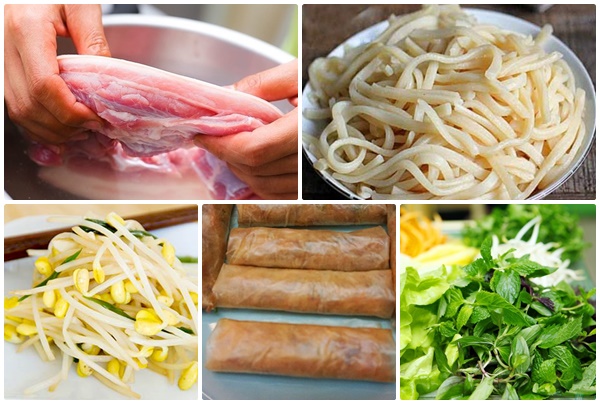
Fish sauce (nước mắm) serves as the backbone seasoning of Vietnamese cuisine. Made from fermented anchovies and salt, it provides a deep umami foundation for soups, marinades, dipping sauces, and stir-fries. In noodle soups like pho, long and gentle simmering techniques extract natural sweetness from bones, producing clear yet flavorful broths that remain light on the palate.
Equally important is the contrast of textures within each dish. Soft rice noodles, crunchy raw vegetables, crisp lettuce, and tender slices of meat often appear together in a single bowl or platter. This interplay of textures creates a dynamic eating experience, reinforcing the overall philosophy of balance that lies at the heart of Vietnamese traditional cuisine.
II. Classic Vietnamese Dishes
1. Pho (Phở)
Pho is Vietnam’s most iconic noodle soup, traditionally made with either beef (phở bò) or chicken (phở gà). The dish consists of a clear, aromatic broth poured over flat rice noodles and thinly sliced meat, then topped with scallions and herbs. The broth is the soul of pho, often simmered for hours with bones, charred onions, ginger, and spices to achieve depth and clarity without heaviness.
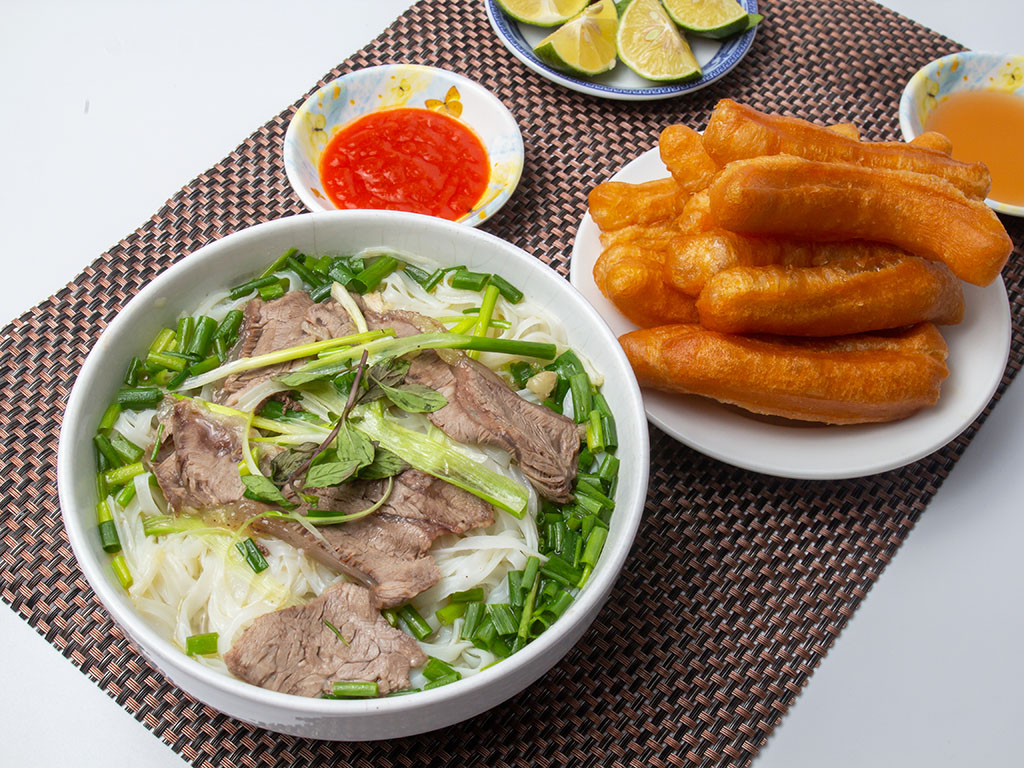
Regional differences highlight Vietnam’s diverse culinary identity. In Northern Vietnam, particularly in Hanoi, pho is known for its clean, delicate broth and minimal garnishes. The focus is on balance and purity of flavor. In contrast, Southern-style pho, popular in Ho Chi Minh City, tends to have a slightly sweeter broth and is served with a generous plate of fresh herbs, bean sprouts, and sauces such as hoisin and chili sauce for customization.
Beyond its flavor, pho holds deep cultural significance. It is widely regarded as Vietnam’s national dish and is commonly eaten for breakfast, lunch, or dinner. More than just a meal, pho represents Vietnamese history, resilience, and culinary craftsmanship, and it has become a global ambassador of Vietnamese cuisine.
2. Banh mi (Bánh mì)
Bánh mì is a Vietnamese baguette sandwich that beautifully reflects the country’s historical influences. Introduced during the French colonial period, the baguette was adapted using local ingredients and techniques, resulting in a lighter, airier bread with a crisp crust. Over time, Vietnamese cooks transformed the sandwich into a uniquely local creation.
The fillings of bánh mì are diverse and flavorful. Classic combinations include grilled pork, Vietnamese sausage, pâté, cold cuts, pickled carrots and daikon, fresh cucumber, cilantro, and chili. The contrast between warm meats, tangy pickles, fresh herbs, and crunchy bread creates a dynamic balance of flavors and textures.
Today, bánh mì is a beloved street food found across Vietnam, enjoyed as a quick breakfast or midday snack. Its portability, affordability, and bold yet balanced flavors have made it popular worldwide, symbolizing the creative fusion that defines Vietnamese culinary tradition.
3. Bun Cha (Bún chả)
Bún chả is a classic Vietnamese dish consisting of grilled pork served with rice vermicelli (bún) and a flavorful dipping sauce. The pork is typically prepared in two forms: thinly sliced pork belly and seasoned ground pork patties, both grilled over charcoal to achieve a smoky aroma and slightly caramelized exterior. The meat is then served in a bowl of warm, lightly sweetened and tangy fish sauce-based broth with pickled green papaya or carrots.
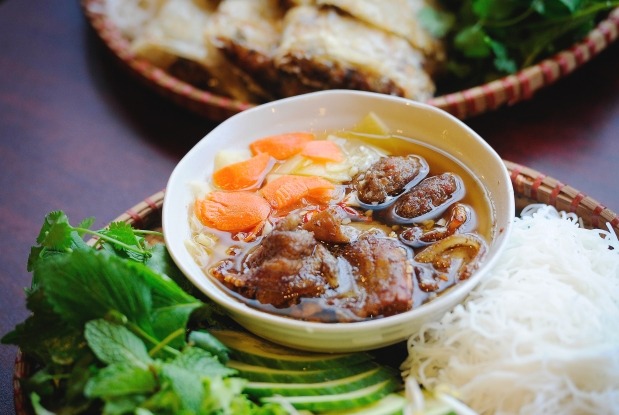
Originating in Hanoi, bún chả is especially popular at lunchtime and is often enjoyed in small, family-run eateries or street-side restaurants. What makes the dish distinctive is its balance of flavors—smoky from the grilled pork, sweet from the marinade and dipping sauce, and tangy from vinegar and lime. Diners combine the noodles, fresh herbs, and pork piece by piece, creating a harmonious blend of textures and tastes in every bite.
4. Goi Cuon (Gỏi cuốn) – Fresh Spring Rolls
Gỏi cuốn, commonly known as Vietnamese fresh spring rolls, highlight the cuisine’s emphasis on freshness and lightness. These translucent rice paper rolls are typically filled with shrimp, slices of pork, rice vermicelli, lettuce, and a variety of fresh herbs. Unlike fried spring rolls, gỏi cuốn are served fresh, preserving the crispness of vegetables and the natural sweetness of the ingredients.
They are usually accompanied by a rich peanut dipping sauce or a hoisin-based sauce, sometimes enhanced with crushed peanuts or chili for added depth. The experience of eating gỏi cuốn is defined by contrast: the soft and slightly chewy rice paper wraps around tender meat, delicate noodles, and crunchy greens. This interplay of textures, combined with vibrant herbs and savory dipping sauce, makes the dish a refreshing and well-balanced representation of Vietnamese culinary philosophy.
5. Com Tam (Cơm tấm) – Broken Rice
Cơm tấm is a beloved Southern Vietnamese specialty that originated from humble beginnings. The term “broken rice” refers to fractured rice grains that were once considered inferior but later transformed into a signature dish, particularly in Ho Chi Minh City and the Mekong Delta region. Over time, cơm tấm evolved from a simple workers’ meal into one of the most iconic street foods in southern Vietnam.
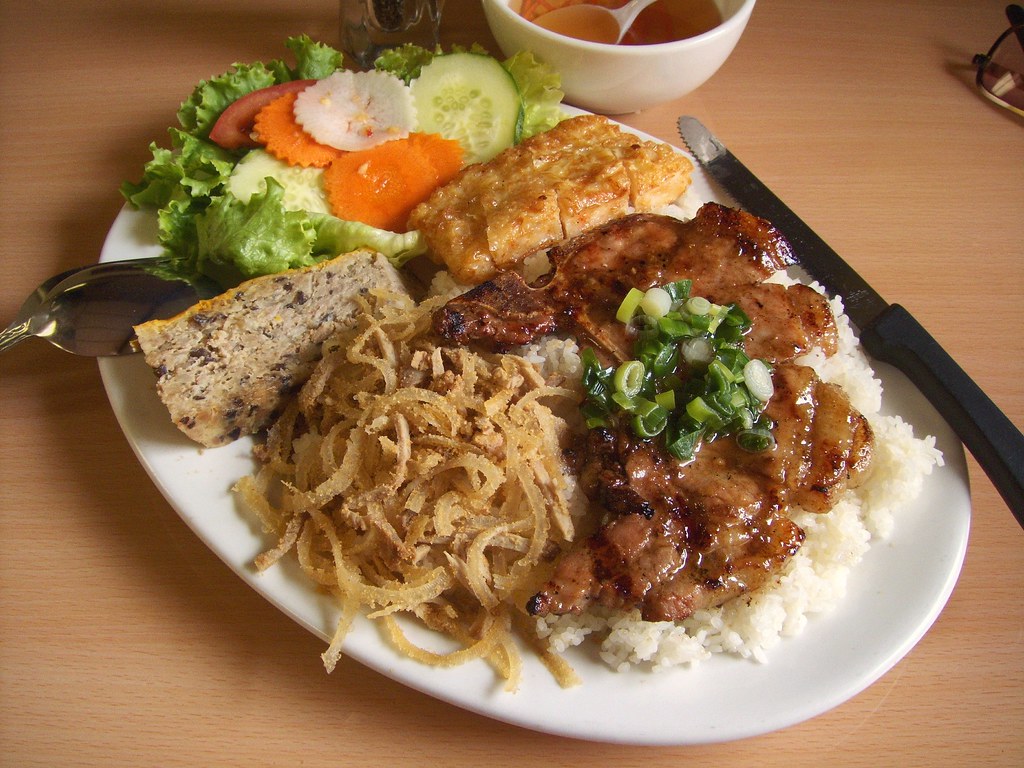
The dish is typically served with a grilled pork chop (sườn nướng) marinated in fish sauce, garlic, and sugar, creating a savory-sweet glaze with slightly charred edges. It is often accompanied by egg meatloaf (chả trứng), shredded pork skin, pickled vegetables, and a fried egg. A drizzle of fish sauce dressing ties everything together, adding depth and balance. Today, cơm tấm remains a street food staple, enjoyed from morning until late at night, offering a satisfying combination of smoky, sweet, and savory flavors.
6. Banh Xeo (Bánh xèo) – Vietnamese Savory Pancake
Bánh xèo is a crispy Vietnamese savory pancake made from rice flour batter tinted yellow with turmeric. The batter is poured into a hot pan, creating a thin, crackling crust that encases a filling of pork slices, shrimp, and bean sprouts. When folded in half, the pancake becomes both crunchy on the outside and tender inside.
Rather than being eaten on its own, bánh xèo is typically cut into pieces and wrapped in lettuce leaves along with fresh herbs. The wrapped bites are then dipped into a tangy fish sauce mixture, enhancing the overall flavor. This interactive dining style—assembling each bite by hand—reflects the communal and hands-on nature of Vietnamese meals. The dish exemplifies the cuisine’s signature contrast of textures: crispy pancake, tender meat, crunchy sprouts, and fragrant herbs all combined in one vibrant experience.
III. Regional Culture and Its Influence on Vietnam’s Economy and Society
1. Northern Vietnam: Tradition, Heritage, and Political Influence
Northern Vietnam, with Hanoi as its cultural and political center, is often regarded as the cradle of Vietnamese civilization. The region is deeply influenced by centuries of Confucian values, village-based community structures, and historical dynasties. Traditional festivals, folk music such as quan họ, and ancient architecture reflect a strong respect for hierarchy, education, and social order.
Culturally, the North emphasizes subtlety, discipline, and preservation of tradition. These values have shaped Vietnam’s political and administrative systems, as Hanoi remains the nation’s governmental hub. Economically, Northern Vietnam has developed around state institutions, education centers, and increasingly high-tech industries. The blend of historical heritage and modernization has positioned the region as both a guardian of national identity and a growing industrial powerhouse.
>>> See more: Hanoi viet pho: traditional pho spots to try
2. Central Vietnam: Imperial Legacy and Cultural Resilience
Central Vietnam is known for its historical depth and cultural resilience. The former imperial capital of Huế preserves royal architecture, court music, and refined customs from the Nguyen Dynasty. Meanwhile, trading ports such as Hội An reflect centuries of international exchange with China, Japan, and Europe.
The region’s culture is often described as disciplined and hardworking, shaped by harsher natural conditions such as typhoons and limited agricultural land. These challenges fostered a strong sense of community solidarity and adaptability. Economically, Central Vietnam has leveraged its cultural heritage to develop tourism as a major sector. Heritage sites, traditional crafts, and culinary specialties not only preserve identity but also generate employment and international recognition.
3. Southern Vietnam: Openness, Trade, and Economic Dynamism
Southern Vietnam, centered around Ho Chi Minh City, is widely recognized for its openness and entrepreneurial spirit. Historically influenced by trade networks along the Mekong River and interactions with diverse ethnic communities, the South developed a more flexible and outward-looking cultural identity.
Socially, Southern culture is often characterized by informality, hospitality, and adaptability. These traits have significantly contributed to the region’s economic dynamism. Ho Chi Minh City serves as Vietnam’s largest economic engine, leading in finance, manufacturing, technology, and foreign investment. The region’s openness to innovation and global integration has accelerated modernization and shaped Vietnam’s transition toward a market-oriented economy.
Conclusion
The cultural diversity of Vietnam’s three regions—North, Central, and South—extends far beyond differences in dialect or cuisine. Each region’s historical experiences, values, and social norms have directly influenced the nation’s political structure, economic development, and social organization. The North contributes stability and tradition, the Central region preserves heritage and resilience, and the South drives economic growth and global connectivity.
Together, these regional identities form a dynamic balance that defines modern Vietnam: a country rooted in tradition while continuously evolving in response to social and economic change.
BeDental – A Leading Dental Clinic for International Travelers in Vietnam
BeDental offers high-quality dental services for international travelers visiting Vietnam, combining modern technology with experienced dentists. Our services include general and cosmetic dentistry, dental implants, teeth whitening, and smile makeovers, all performed to international standards.
Designed for tourists, BeDental provides flexible appointments, English-speaking staff, and personalized treatment plans that fit travel schedules. With competitive pricing and convenient locations, BeDental allows visitors to improve their smile while enjoying their trip to Vietnam.