

Hình Ảnh Đẹp
Sapa from Hanoi: Complete Travel Guide for an Unforgettable Mountain Trip
Th3

Travelling Sapa from Hanoi is one of the most popular mountain trips in northern Vietnam, but it is also one of the easiest journeys to plan poorly. Differences in transport options, tour structure, accommodation location, and daily pacing can significantly change the overall experience—especially for first-time visitors.
This guide is designed to help travelers understand how the trip actually works in practice, not just what places to visit. Instead of listing attractions, it breaks down real travel decisions: how to get to Sapa efficiently, which destinations fit each type of itinerary, how different tours operate, where staying in town versus villages changes the experience, and what daily life in Sapa realistically looks like.
Whether you are planning a short 2D1N escape, a 3D2N trekking journey, or a comfort-focused trip with minimal walking, this guide provides a clear framework to choose the right route, tour, and experience—so your Sapa trip feels intentional rather than rushed.
1. Overview & Best Time to Visit Sapa from Hanoi
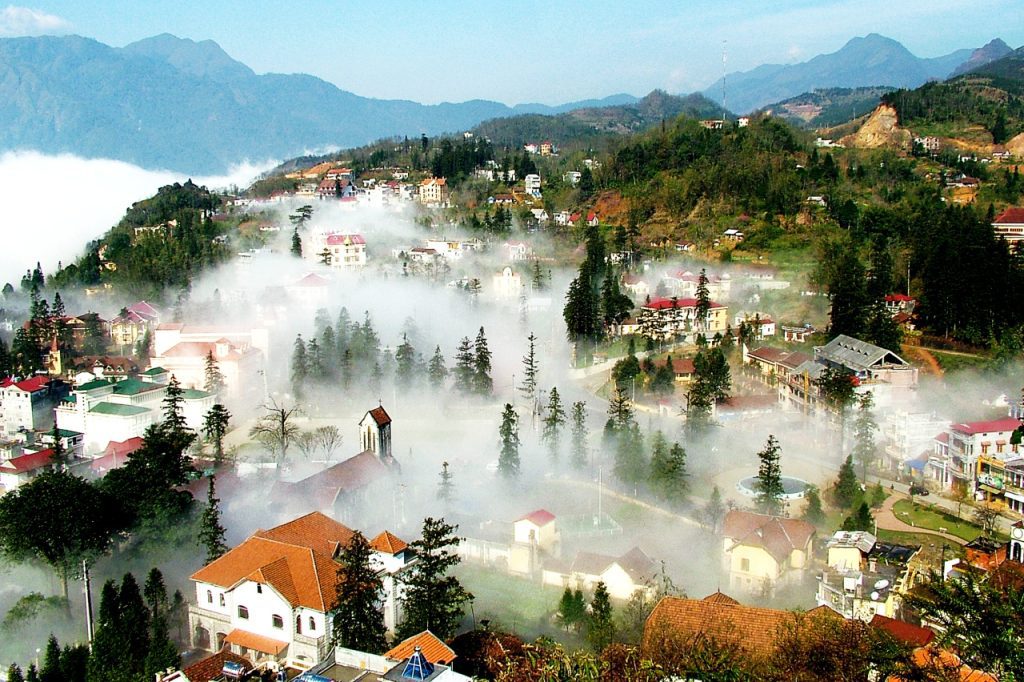
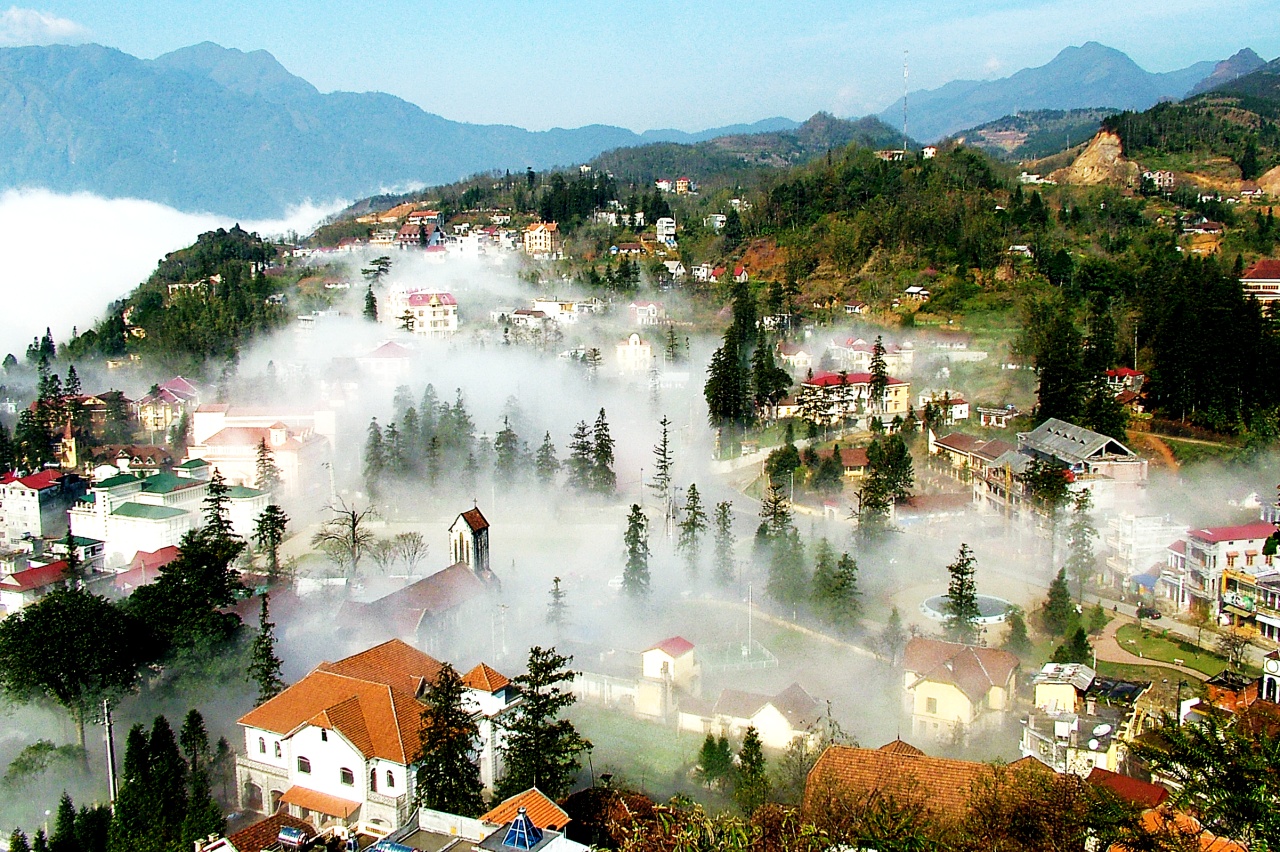
Located in the northern mountains of Vietnam, Sapa is one of the country’s most popular highland destinations, famous for its cool climate, breathtaking rice terraces, and rich ethnic culture. Sapa attracts travelers looking for stunning natural scenery, outdoor adventures, and authentic local experiences that are very different from Vietnam’s busy cities.
>>> See more:Best Walking Tour sin Hanoi: Explore the Old Quarter on Foot
Sapa is about 315 km from Hanoi, and the journey usually takes 5–6 hours by train or bus. Thanks to well-developed transport options such as sleeper buses, limousine vans, and overnight trains, traveling from Hanoi to Sapa is convenient and suitable for both budget and luxury travelers.
Sapa can be visited year-round, but each season offers a unique charm. Spring (March–May) brings mild weather and colorful flowers across the valleys. Summer (June–August) is cooler than Hanoi and features lush green rice terraces, though occasional rain is expected. Autumn (September–November) is the most beautiful time to visit, when golden rice fields cover the mountains. Winter (December–February) is cold and misty, with a rare chance of snowfall, creating a magical atmosphere for those who enjoy dramatic mountain scenery.
2. How to Get from Hanoi to Sapa
Traveling from Hanoi to Sapa is easy thanks to several comfortable transportation options. The overnight train runs from Hanoi to Lao Cai in about 8 hours, followed by a 1-hour transfer to Sapa. Train tickets usually range from USD 30–70, depending on the cabin type, and are ideal for travelers who prefer a smooth overnight journey.
Another popular choice is the sleeper bus, which takes around 5–6 hours and costs approximately USD 12–20. This option is budget-friendly and offers direct travel to Sapa town. For more comfort and flexibility, limousine vans are the most premium road option, with spacious seating, Wi-Fi, and hotel pick-up in Hanoi. Travel time is similar to sleeper buses, with prices ranging from USD 18–30.
For first-time visitors, the limousine van or sleeper bus is usually the best choice, as both offer direct, hassle-free transfers and save time compared to the train. Travelers who enjoy overnight journeys or want a classic travel experience may prefer the train, especially when combining it with a hotel stay upon arrival in Sapa.
3. Top Destinations in Sapa
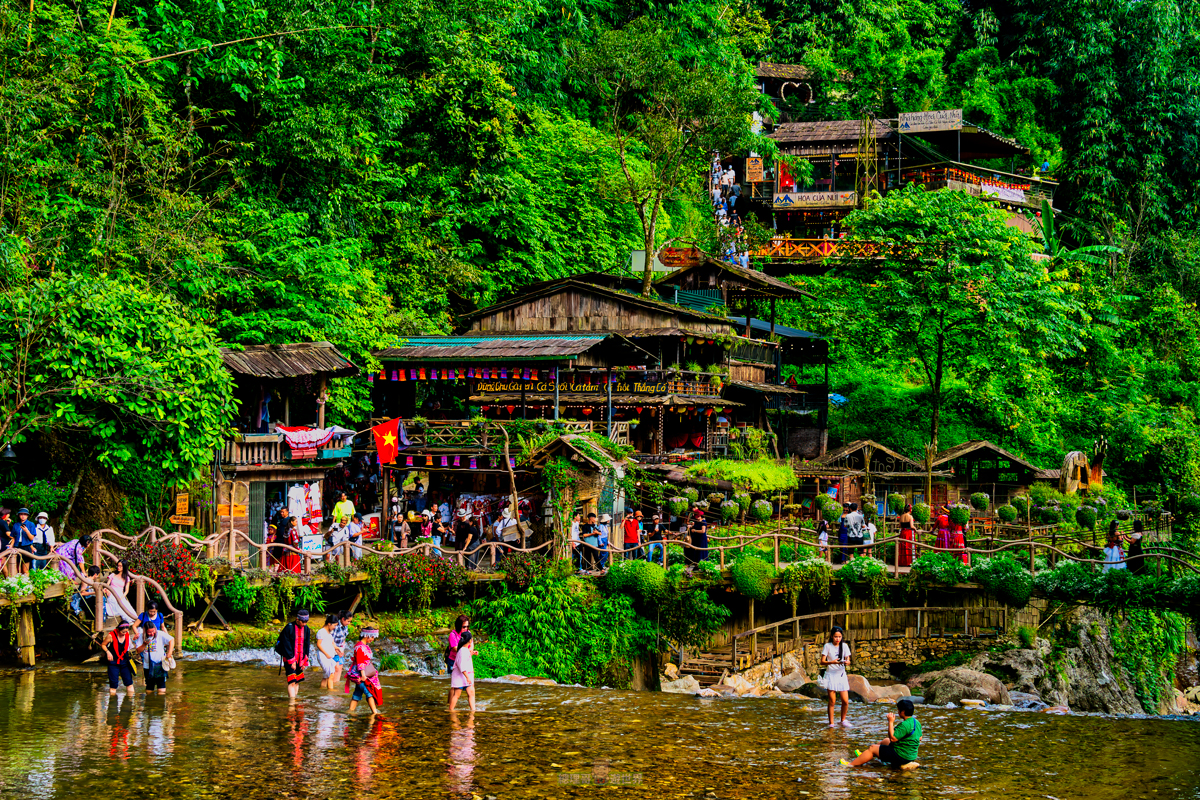
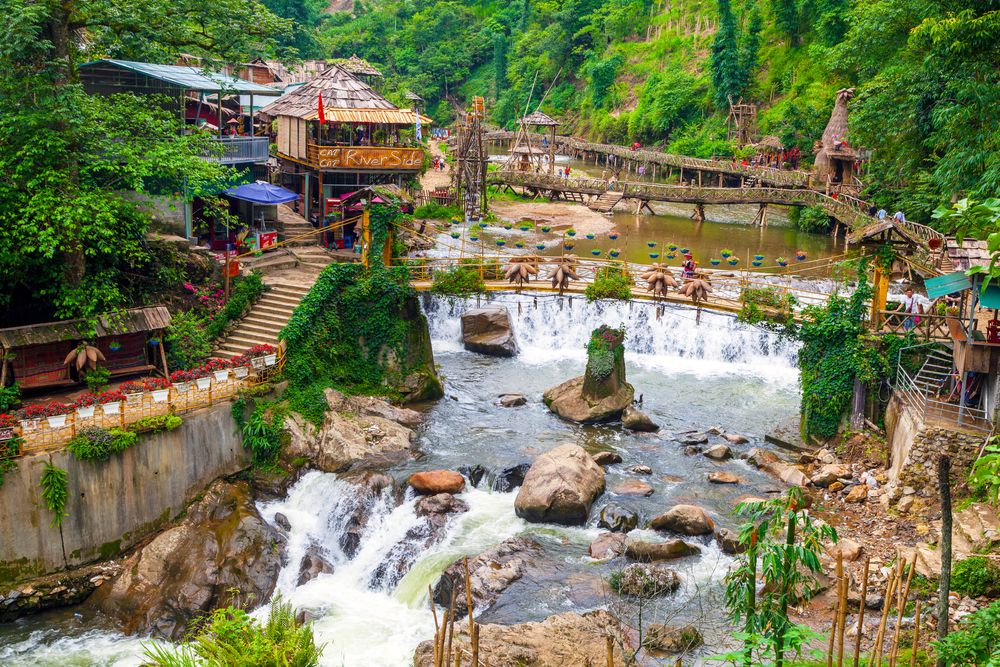
Cat Cat Village is one of the most popular and easiest villages to visit in Sapa, located just a short walk from the town center. The village is home to the Black H’Mong people and is well known for its traditional wooden houses, terraced fields, waterfalls, and handicraft workshops. Visitors can learn about local customs, watch traditional performances, and enjoy beautiful mountain views along the stone-paved paths. Cat Cat is especially suitable for first-time visitors and those with limited time.
| Destination | Location | Main Highlights | Best For | Difficulty | Recommended Time |
| Cat Cat Village | Near Sapa town | Ethnic culture, waterfalls, traditional houses, photo spots | First-time visitors, short trips | Easy | 2–3 hours |
| Muong Hoa Valley & Rice Terraces | 8–12 km from town | Iconic rice terraces, villages, trekking routes | Nature lovers, photographers, trekkers | Medium | Half day – Full day |
| Ham Rong Mountain | Sapa town center | Panoramic views, gardens, cloud scenery | Scenic views without long travel | Easy–Medium | 2–3 hours |
| Sapa Stone Church | Town center | French colonial architecture, local life | Culture & town exploration | Easy | 30–60 minutes |
| Fansipan | Hoang Lien Son Range | Highest peak in Vietnam, cable car, spiritual sites | Iconic experience, adventure seekers | Easy (cable car) / Hard (trekking) | Half day – Full day |
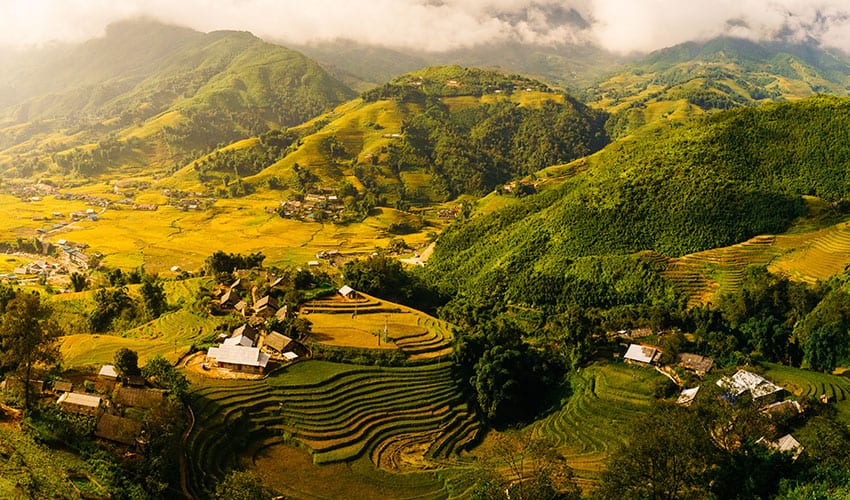
Muong Hoa Valley & the rice terraces represent the heart of Sapa’s natural beauty. The valley stretches through famous villages such as Lao Chai and Ta Van, offering breathtaking landscapes of layered rice fields, winding streams, and misty mountains. This area is ideal for trekking, cultural exploration, and photography. During the harvest season from September to October, the terraces turn golden and create one of the most impressive scenes in northern Vietnam.
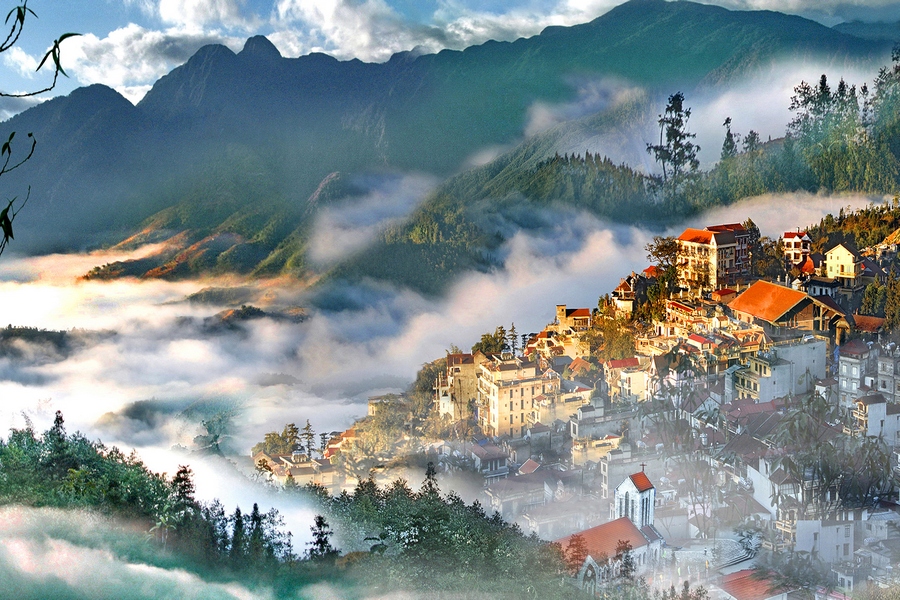
Ham Rong Mountain is a convenient attraction located within Sapa town, making it perfect for travelers who want stunning views without long travel. The mountain features landscaped gardens, orchid collections, rock formations, and multiple viewpoints overlooking Sapa town and the Hoang Lien Son range. On clear days, visitors can enjoy panoramic views of Fansipan and surrounding peaks, while misty days add a dreamy atmosphere.
Sapa Stone Church is a historic landmark built during the French colonial period and remains a cultural symbol of the town. Situated in the central square, the church is surrounded by cafes, markets, and local street food stalls. In the evenings and on weekends, the area becomes lively with cultural exchanges, traditional music, and local people gathering, offering visitors a chance to experience Sapa’s town life.
Fansipan, known as the “Roof of Indochina,” is the most iconic destination in the region. Standing at 3,143 meters, Fansipan can be reached by a modern cable car system for a scenic and comfortable journey, or by multi-day trekking routes for adventure lovers. At the summit, visitors are rewarded with dramatic mountain views, spiritual sites, and a sense of achievement that makes Fansipan a highlight of any Sapa trip.
4. Best Sapa Tours from Hanoi
Traveling on a guided tour from Hanoi to Sapa is one of the most efficient ways to explore northern Vietnam’s mountain region. While all Sapa tours follow a similar route, the actual experience varies greatly depending on tour length, itinerary design, and travel style. Understanding these differences helps travelers choose a tour that truly matches their expectations.
2D1N Sapa Tour – Fast-Paced Highlights Tour
- Sample itinerary:
Day 1: Hanoi → Sapa by sleeper bus or limousine · Visit Cat Cat Village · Explore Sapa town and Stone Church
Day 2: Fansipan cable car experience · Free time · Return to Hanoi
This tour is built around speed and convenience. Because travel time already takes up a large portion of the schedule, the itinerary focuses on easily accessible attractions that represent Sapa’s “must-see” highlights. Village visits are usually short and follow predefined paths, giving travelers a visual overview rather than an in-depth cultural experience.
The biggest advantage of the 2D1N tour is simplicity. Transportation, accommodation, and sightseeing are arranged in advance, allowing travelers to enjoy the scenery without worrying about logistics. However, the tight schedule leaves little room for spontaneous exploration or slow travel. Cultural interaction is limited, and trekking is usually light or optional.
This tour is ideal for travelers who want a quick introduction to Sapa, especially those visiting Vietnam for the first time or traveling on a tight schedule.
3D2N Sapa Trekking Tour – The Most Complete Experience
- Sample itinerary:
Day 1: Hanoi → Sapa · Light trekking or Ham Rong Mountain viewpoint
Day 2: Full-day trekking in Muong Hoa Valley · Visit Lao Chai and Ta Van villages · Overnight at hotel or homestay
Day 3: Free time in Sapa town · Local market · Return to Hanoi
The 3D2N trekking tour offers a slower and more immersive approach to Sapa. With an extra day, the itinerary shifts its focus from quick sightseeing to deeper exploration of the countryside and village life. Longer trekking routes allow travelers to fully appreciate rice terraces, mountain landscapes, and daily activities of ethnic communities.
This tour creates a stronger sense of connection with nature and local culture. Walking through villages, observing farming routines, and spending more time outdoors make the experience feel more authentic. The pace is more relaxed, but it does require moderate physical fitness, especially on uneven trails or during the rainy season.
For travelers seeking meaningful experiences rather than just photos, the 3D2N trekking tour delivers the best balance between scenery, culture, and travel comfort.
Fansipan Cable Car Tour – Iconic Scenery with Minimal Effort
- Sample itinerary (1 day in Sapa):
Morning: Cable car journey to Fansipan
Midday: Summit viewpoints and spiritual complex
Afternoon: Sapa town sightseeing or relaxation
This tour focuses almost entirely on reaching the highest peak in Indochina in the most comfortable way possible. The cable car ride itself is a highlight, offering dramatic mountain views without physical strain. At the summit, visitors can explore viewpoints and spiritual landmarks while enjoying the cool mountain air.
While visually impressive, this tour is more symbolic than immersive. It showcases Sapa’s grandeur but does not explore rural life or village culture in depth unless combined with other activities. As a result, it works best as a standalone experience for comfort travelers or as an add-on to longer itineraries.
Private vs Group Tours – How the Experience Changes
Group tours are designed for efficiency and affordability. They follow fixed schedules, standard routes, and shared transportation, making them suitable for solo travelers and first-time visitors who value structure and convenience. However, this structure often limits flexibility and personal pacing.
Private tours offer a more customized experience. Travelers can adjust trekking distance, sightseeing duration, and daily schedules based on personal interests. Although more expensive, private tours provide a calmer pace and deeper engagement, particularly appealing to couples, families, photographers, or travelers seeking a tailored journey.
Which Sapa Tour Should You Choose?
A short 2D1N tour works best for quick visits and first impressions. The 3D2N trekking tour offers the most rewarding and well-rounded experience for travelers who value nature and culture. The Fansipan cable car tour is ideal for those prioritizing comfort and iconic scenery. Ultimately, choosing between group and private tours depends on whether efficiency or personalization matters more to your travel style.
5. Accommodation, Food & Local Experience
Accommodation in Sapa: Specific Hotels, Homestays, and Resorts
In Sapa, where you stay significantly affects your daily itinerary and ease of movement — especially on tight tours.
Town-center Hotels (best for 2D1N tours)
- Sapa Horizon Hotel: Located steps from the Stone Church, perfect for quick arrivals or early departures. Guests often arrive from Hanoi around 5–6 am, check in quickly, then walk to breakfast spots like Little SaPa Restaurant or the night market without arranging transport.
- Charm Sapa Hotel & Spa: Also in the heart of town with mountain-view rooms. Ideal for travelers who want scenic balconies and easy access to shops and evening food stalls.
Staying here saves transit time, but views from windows are often city streets rather than valleys.
Village Homestays (best for 3D2N trekking tours)
- Ta Van Mountain View Homestay: Located in Ta Van village, right next to rice terraces. After trekking through Muong Hoa Valley, travelers arrive here by late afternoon, enjoy a home-cooked dinner, and watch the sunrise over fields without leaving their doorstep.
- Lao Chai Red Dao Homestay: Traditional-style rooms with local décor. A typical evening here involves dipping into local cooking — rice, grilled vegetables, Dao-style tomato salad — and chatting with family hosts after dinner.
These homestays cut down daily travel to trekking paths and create opportunities for morning photography without extra planning.
Mountain Resorts (best for comfort and private tours)
- Topas Ecolodge: A hillside eco-resort with panoramic views of terraced valleys. Typical days here start with breakfast overlooking rice fields, followed by a private Jeep transfer to sightseeing spots like Fansipan or Silver Waterfall. This setup suits travelers combining luxury with sightseeing rather than heavy trekking.
- Pao’s Sapa Leisure Hotel: A resort style property with spa services and valley views. Excellent for couples who finish a hiking day and want privacy, comfort, and a view without leaving the property.
These resorts are scenic but require planned transport to city-center attractions.
What to Eat in Sapa: Real Places & Timing
Food in Sapa best fits the cold climate and walking schedule, so knowing where and when to eat makes the experience richer.
Salmon Hotpot Spots (evening group dining)
- Good Morning Vietnam Restaurant: Popular for hotpot and grilled dishes. Most tour groups book dinner here around 6:30–7:30 pm after trekking or sightseeing.
- The Hill Station Signature Restaurant: Stylish dining with quality ingredients — salmon hotpot here feels like comfort food after a day in misty weather.
These restaurants fill up fast after 6 pm, so pre-booking for tour groups is common.
>>> See more: City sightseeing saigon: top attractions and routes
Street Food & Casual Eateries (between activities)
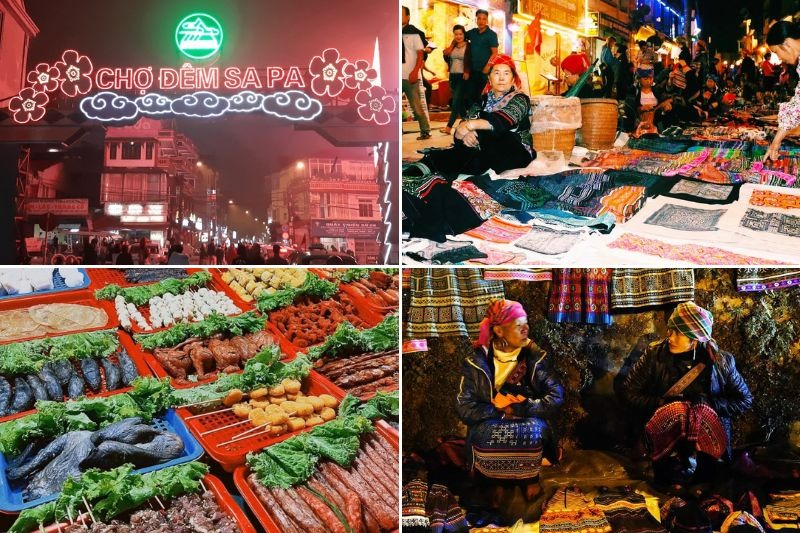
- Sapa Night Market Food Stalls (near Stone Church): After your cable car ride or town walk, travelers often stop here for grilled pork skewers, sweet corn, & sticky rice cakes. These are ideal snacks between sightseeing spots.
- Little SaPa Restaurant: A cozy diner for lunch before heading to trekking, known for mountain greens and light noodle bowls.
Homestay Meals (authentic village eating)
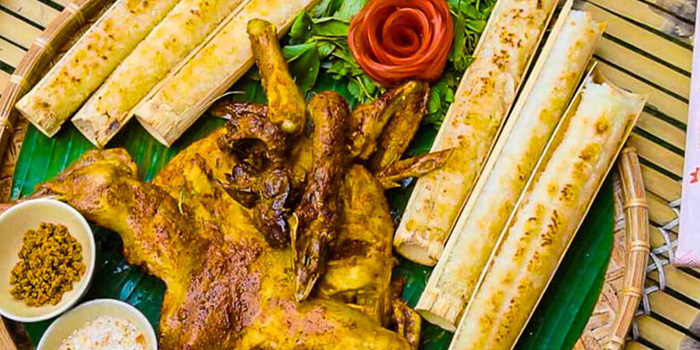
At places like Ta Van Mountain View Homestay, dinner is typically served around 6–7:30 pm and includes local vegetables, grilled meat, rice, and soup. Unlike restaurant dining, these meals are less about variety and more about experiencing how locals eat daily.
Ethnic Culture & Village Life: Specific Experiences
Authentic cultural exposure in Sapa shifts noticeably between short tours and trekking-based journeys.
On short tours, village experiences often consist of photo stops at Cat Cat Village or quick markets near the Stone Church — limited interaction and little context. For example, a 2D1N group may spend less than an hour at Cat Cat, take photos, then move on.
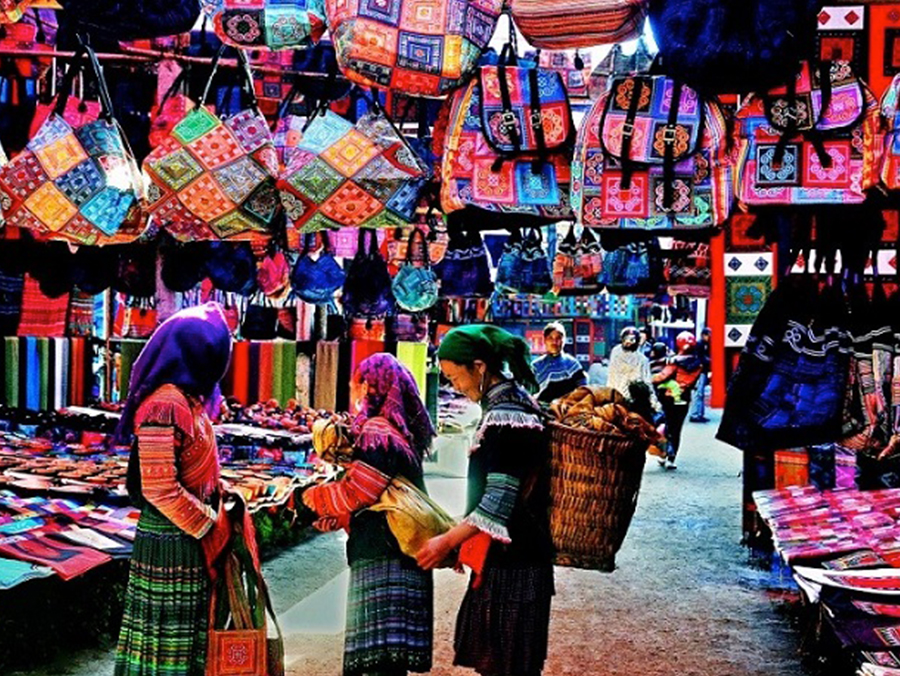
With trekking tours, cultural moments expand. A typical scenario on a Muong Hoa Valley trek involves walking through fields where locals are farming or children are returning from school, then stopping at a small, non-tourist house where a guide might explain farming cycles or demonstrate traditional weaving. Walking through quiet lanes, visitors sometimes share tea with families in Ta Van or Ban Ho, giving an experience that feels less staged and more like daily life observation.
Overnight village stays — such as at Lao Chai Red Dao Homestay — reveal early-morning routines, sounds of animals waking, and community members preparing their fields. These are not scheduled “activities” but natural parts of daily life that add real depth to the trip.
Conclusion
A successful Sapa trip is not defined by how many places you visit, but by how well your tour structure, accommodation, food, and daily schedule align with each other. Travelers coming from Hanoi often underestimate travel time and overestimate what can realistically be experienced in a short stay, leading to rushed itineraries and shallow experiences.
Short tours work best when focused on convenience and central locations. Longer trekking tours deliver deeper cultural and landscape experiences when paired with village stays and slower pacing. Comfort-oriented trips benefit from private transport and scenic accommodations, even if fewer attractions are covered. Understanding these trade-offs before booking is what separates a smooth, memorable journey from a tiring one.
By approaching Sapa as a destination that requires intentional planning rather than checklist sightseeing, travelers can make informed decisions that match their time, energy level, and travel style. With the right setup, Sapa is not just a mountain town near Hanoi—it becomes a coherent travel experience shaped by scenery, culture, and everyday life in the highlands.
BeDental – A Leading Dental Clinic for International Travelers in Vietnam
BeDental offers high-quality dental services for international travelers visiting Vietnam, combining modern technology with experienced dentists. Our services include general and cosmetic dentistry, dental implants, teeth whitening, and smile makeovers, all performed to international standards.
Designed for tourists, BeDental provides flexible appointments, English-speaking staff, and personalized treatment plans that fit travel schedules. With competitive pricing and convenient locations, BeDental allows visitors to improve their smile while enjoying their trip to Vietnam.