

Hình Ảnh Đẹp
Best Walking Tours in Hanoi: Explore the Old Quarter on Foot
Th3

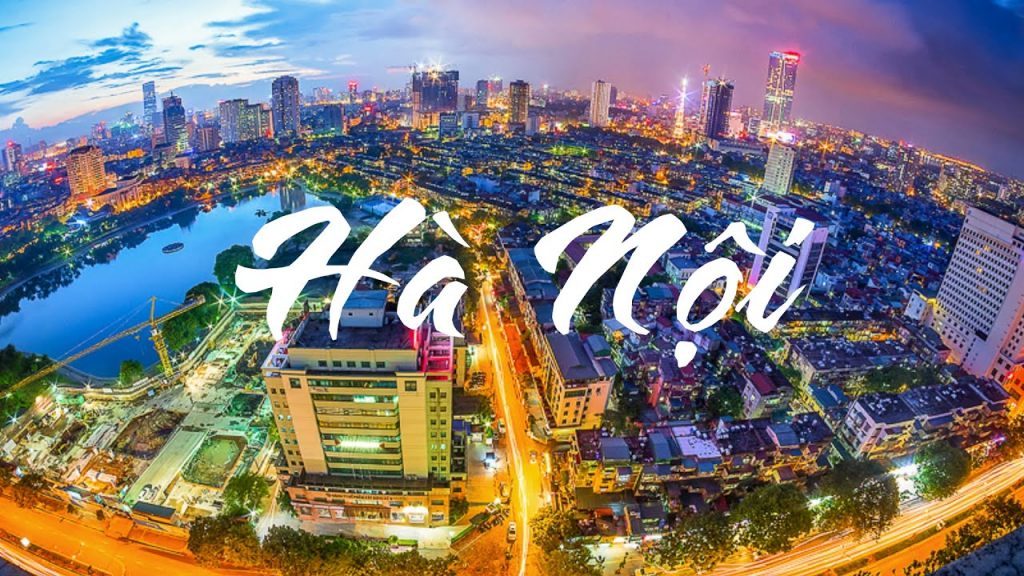
Best Walking Tours in Hanoi: Exploring Hanoi on foot is one of the best ways to truly understand the city. Walking allows travelers to slow down, observe daily life, and experience how history, culture, and modern routines naturally blend together. From the lively streets of the Old Quarter to peaceful lakeside paths and craft villages beyond the city center, each walking route reveals a different layer of Hanoi’s character.
Rather than trying to see everything at once, the best walking tours in Hanoi are designed around distinct themes and non-overlapping routes. Whether you are visiting for the first time, returning for a deeper look, or only have a short stay, choosing the right walking tour helps you connect with the city in a more meaningful and memorable way.
This guide introduces five carefully structured walking tours, each focusing on a specific area and experience—so you can explore Hanoi with clarity, purpose, and comfort.
Tour 1: Hanoi Old Quarter Core Walking Tour (Classic Route)- Best Walking Tours in Hanoi
Area: Hoan Kiem Lake & central Old Quarter
Duration: 3–3.5 hours
Best for: First-time visitors
The Hanoi Old Quarter Core Walking Tour is designed as a first introduction to the city, helping visitors understand how Hanoi works before exploring deeper experiences. Rather than rushing through many attractions, this tour focuses on the historic and cultural heart of the capital, combining landmarks, street life, and local habits into one clear walking route.
>>> See more: Saigon tour guide: things to see and do
Route & Detailed Experiences
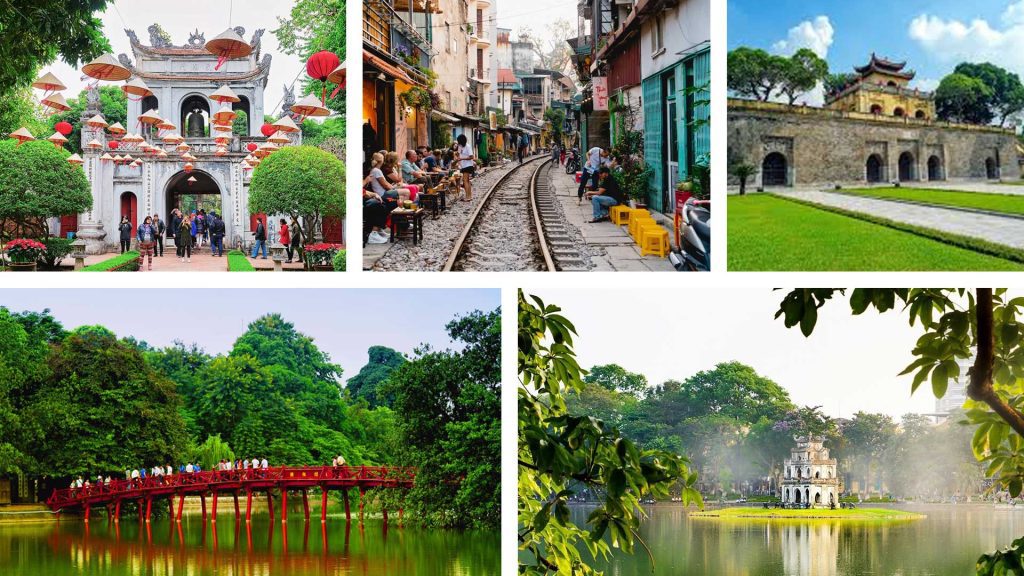
The tour begins with a relaxed walk around Hoan Kiem Lake, the spiritual and social center of Hanoi. In the early morning or late afternoon, visitors observe locals exercising, practicing tai chi, playing chess, and gathering around street vendors. This stop provides essential city orientation, introducing Hanoi’s rhythm, public life, and the legends surrounding the lake.
Next, the group enters Ngoc Son Temple via the iconic red bridge. Inside the temple, guides explain spiritual symbolism, Confucian values, and the legend of King Le Loi and the sacred turtle—stories that help visitors understand why Hoan Kiem Lake holds such cultural importance for Hanoians.
Leaving the lake area, the tour continues into the core zone of the Old Quarter, walking through Hang Dao, Hang Ngang, and Hang Bac streets. This section highlights the traditional “36 Streets” layout, where each street historically specialized in a specific trade. Visitors observe shop-house architecture, mixed residential–commercial spaces, and family-run businesses, learning how the Old Quarter continues to function as both a living neighborhood and a commercial hub.
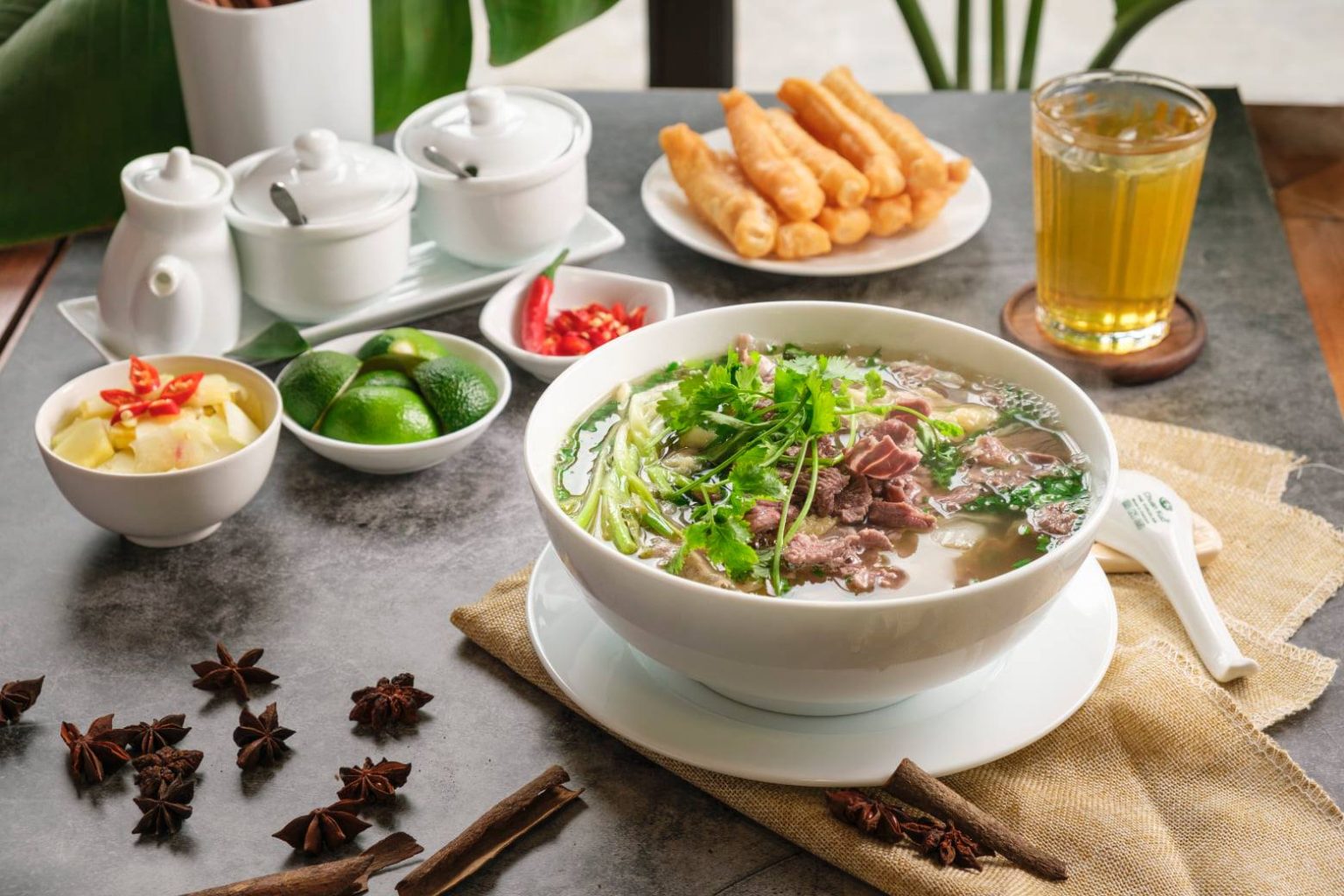
Midway through the walk, the tour pauses for a sit-down local lunch, typically featuring bun cha or pho at a well-established local eatery. Rather than focusing on food tasting alone, this stop explains Hanoi’s everyday eating habits—quick meals, shared tables, and the role of street-side restaurants in daily working life.
The tour concludes with a relaxed stop at a traditional café or egg coffee spot near the lake. Here, visitors slow down, reflect on what they’ve seen, and experience Hanoi’s café culture, which blends French influence with local creativity.
Tour 2: Train Street & Local Neighborhood Walking Tour
- Area: Railway corridor & surrounding residential neighborhoods
- Duration: 2.5–3 hours
- Best for: Urban explorers, photographers, repeat visitors
- Format: Walking tour with fixed time coordination for train schedule
The Hanoi Train Street & Local Neighborhood Walking Tour explores one of the city’s most unique urban environments—where daily life unfolds just inches away from an active railway line. This tour focuses on how local communities adapt to limited space, blending residential life, small businesses, and transportation infrastructure into a single living system. It offers a raw, realistic perspective of Hanoi beyond traditional sightseeing routes.

Route & Detailed Experiences
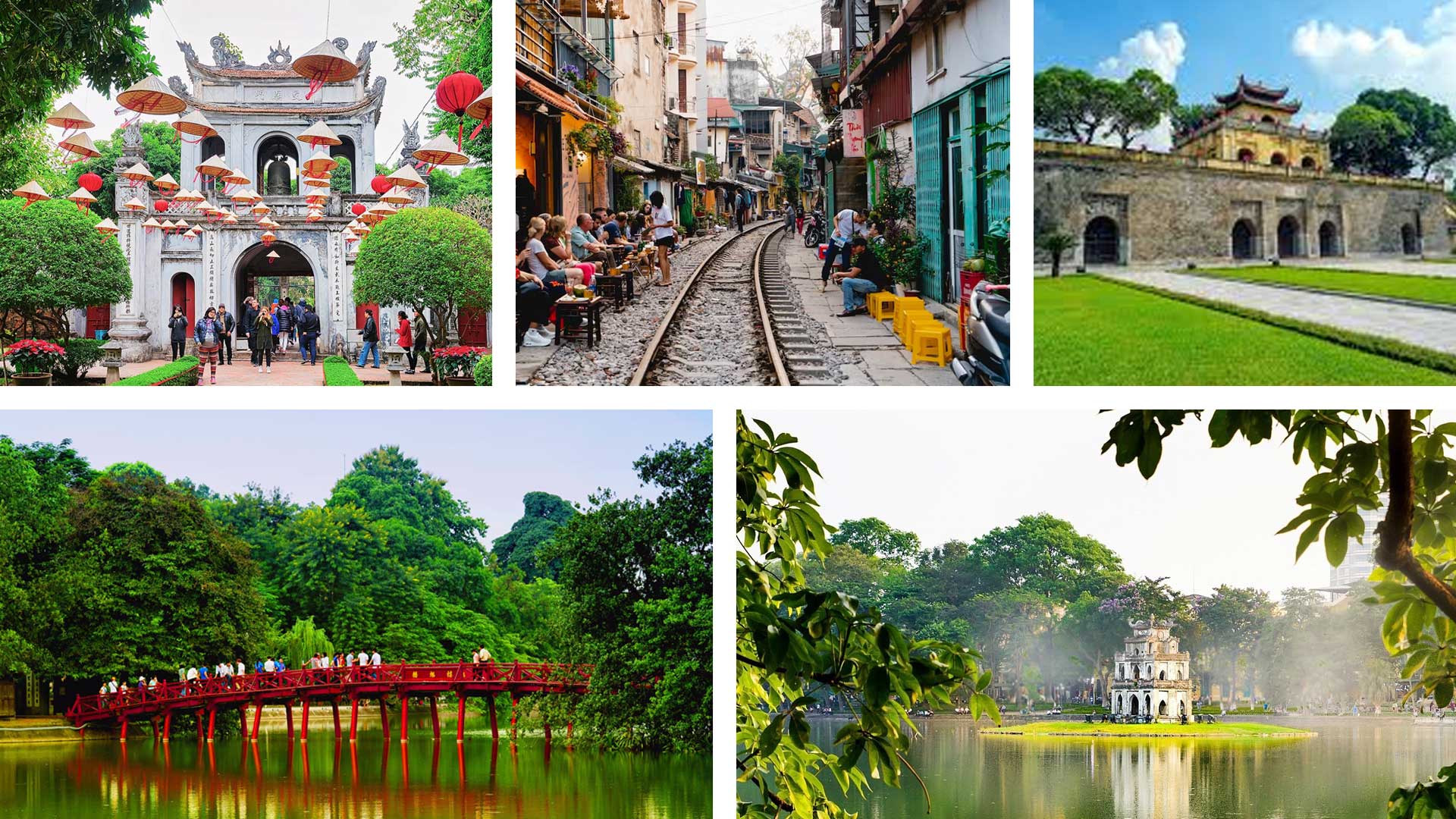
The tour begins near the railway section close to Le Duan Street, where visitors receive a safety briefing and an introduction to the history of Hanoi’s railway system. Guides explain how the tracks were built during the colonial era and how neighborhoods gradually formed around them due to urban density and housing needs.
The walk continues into Hanoi Train Street, one of the most distinctive residential areas in the city. Visitors observe houses built just steps from the tracks, children playing, locals cooking, and café owners preparing for the scheduled train passage. When the train approaches (depending on timetable), guests experience the dramatic moment as residents clear the tracks and daily life pauses briefly before resuming again.
After the train street experience, the route moves away from the tracks into nearby local residential backstreets. These narrow lanes reveal everyday Hanoi life—small groceries, street kitchens, repair shops, and informal businesses operating from the front of homes. Guides explain how neighborhood communities function, including shared spaces, family-run livelihoods, and social interaction in dense urban settings.
Midway through the walk, the tour includes a street-side refreshment stop, typically iced tea, local snacks, or simple desserts. Guests sit on small stools alongside locals, experiencing Hanoi’s informal street culture and learning how social interaction often happens directly on sidewalks.
The tour concludes with a quiet walk through surrounding streets, contrasting the intensity of Train Street with calmer residential zones. This final segment encourages observation and photography, focusing on textures, sounds, and everyday moments that define Hanoi’s urban character.
Tour Purpose & Value
This tour is designed to explore urban adaptation and resilience, rather than monuments or classic landmarks. It shows how Hanoi residents live creatively within tight spaces and changing regulations
Tour 3: West Lake Lifestyle & Leisure Walking Tour
Area: West Lake (Tay Ho District)
Duration: 3–4 hours
Best for: Slow travelers, lifestyle lovers
The West Lake Lifestyle & Leisure Walking Tour explores a completely different side of Hanoi—calm, spacious, and community-oriented. Unlike the dense and energetic Old Quarter, the West Lake area reflects how locals relax, socialize, and enjoy everyday life away from the city center. This tour focuses on open spaces, spiritual landmarks, café culture, and lakeside activities that define Hanoi’s slower rhythm.
Route & Detailed Experiences
The tour begins with a lakeside walk along Thanh Nien Road, one of the most scenic walking routes in the city. Visitors enjoy fresh air, wide views of the water, and a peaceful atmosphere, while observing locals jogging, cycling, fishing, or simply gathering with friends. This introduction highlights the contrast between West Lake and Hanoi’s crowded inner districts.
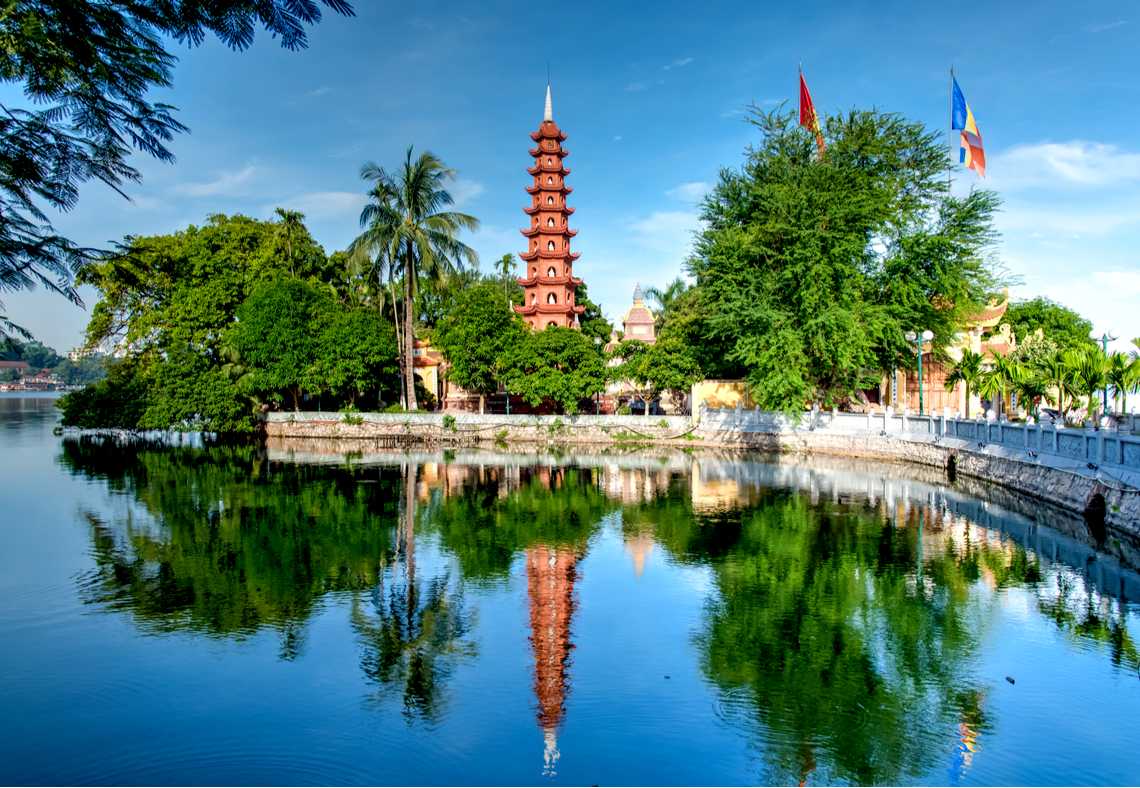
The next stop is Tran Quoc Pagoda, the oldest Buddhist pagoda in the city. Set on a small island connected by a causeway, the pagoda offers a quiet spiritual space with iconic lakeside views. Guides explain its historical significance, Buddhist symbolism, and why it remains an important place of worship for local residents.
After the pagoda visit, the tour continues deeper into the Tay Ho area, known for its relaxed residential feel and international community. Walking through quiet streets, visitors see a mix of traditional homes, modern villas, and boutique cafés. This section focuses on how West Lake has become a lifestyle district rather than a tourist zone.
Midway through the tour, guests stop at a lakeside café to enjoy coffee or tea with panoramic views. This pause highlights Hanoi’s café culture as a social experience, where locals spend hours talking, working, or simply watching life go by.
Depending on timing and guest interest, the tour includes an optional leisure activity such as renting bicycles for a short lakeside ride, taking a paddleboat, or enjoying a sunset walk along quieter sections of the lake. These activities emphasize relaxation and personal pace rather than structured sightseeing.
The tour concludes with a casual local meal or light bites at a nearby restaurant, often featuring West Lake–area specialties. This final stop allows visitors to reflect on the experience and understand why this district represents a more modern, balanced lifestyle in Hanoi.
Tour 4: Long Bien Bridge- Bat Trang Pottery Village Experience Tour
Area: Long Bien Bridge → Red River → Bat Trang Village
Duration: Half-day (4.5–5.5 hours)
Best for: Culture lovers, families, photographers, hands-on experience seekers
Format: Walking + short transfer (car or boat option)
The Long Bien Bridge – Bat Trang Pottery Village Experience Tour connects Hanoi’s urban history with its traditional craft heritage. This journey moves beyond the city center, following the Red River from one of Hanoi’s most iconic bridges to a centuries-old pottery village. The tour combines historical storytelling, local life observation, and hands-on cultural activities, offering a deeper understanding of how Hanoi’s past and present coexist.

Route & Detailed Experiences
The tour begins with a walking experience on Long Bien Bridge, one of the city’s most symbolic landmarks. Built during the French colonial period, the bridge has survived wars, bombings, and decades of heavy use. Walking across the bridge, visitors observe passing trains, motorbikes, and expansive views of the Red River. Guides explain the bridge’s role in Hanoi’s transportation network, wartime history, and its emotional significance to local residents.
After crossing the bridge, the tour continues toward the Red River riverbank, where the urban landscape gradually shifts into agricultural and semi-rural settings. Visitors walk through small paths and observe riverside life—banana plantations, fishing activity, and informal settlements. This section highlights the contrast between Hanoi’s dense city center and the quieter life along the river.
The journey then moves to Bat Trang Pottery Village, one of Vietnam’s oldest and most famous ceramic villages, with a history spanning over 700 years. Upon arrival, visitors explore narrow village lanes lined with traditional houses, small workshops, and ceramic shops, gaining insight into how pottery production remains a family-based craft passed down through generations.
A key highlight of the tour is a hands-on pottery workshop, where guests create their own ceramic piece under the guidance of local artisans. This activity provides a tactile connection to Vietnamese craft traditions and allows visitors to better appreciate the skill, patience, and artistry involved in pottery making.
Following the workshop, the tour includes a local village lunch or refreshment stop, featuring simple home-style Vietnamese dishes. This relaxed meal offers an opportunity to observe village life and interact with local residents in a non-commercial setting.
Depending on time and preference, the tour concludes with free exploration of Bat Trang’s ceramic market or a visit to a traditional kiln area before returning to Hanoi by road or river.
Tour 5: Hanoi Night Walking & Social Life Tour
Area: Pedestrian zones & night streets (Hoan Kiem – Old Quarter)
Duration: ~3 hours (evening)
Best for: Short stays, evening travelers, social & culture lovers
Format: Walking only – no overlap with daytime tours
The Hanoi Night Walking & Social Life Tour explores how the city transforms after sunset. As traffic fades and pedestrian zones come alive, Hanoi reveals a more relaxed, social, and playful side. This tour focuses on public life, street culture, and nightlife habits, offering an authentic look at how locals unwind, socialize, and enjoy the city at night.
Route & Detailed Experiences
The tour begins at Hoan Kiem Lake during the evening pedestrian hours. As the area closes to vehicles, the lake becomes a vibrant social space filled with families, young people, and street performers. Visitors observe locals playing traditional street games, practicing dance routines, listening to live acoustic music, and enjoying the cooler evening atmosphere. Guides explain the cultural importance of public space in Hanoi’s social life.
The walk continues toward the weekend night market zone in the Old Quarter, where streets are transformed into lively shopping corridors. Visitors experience Hanoi’s night-time street commerce—small stalls selling clothes, souvenirs, toys, and snacks—while learning how night markets function as both economic and social hubs rather than purely tourist attractions.
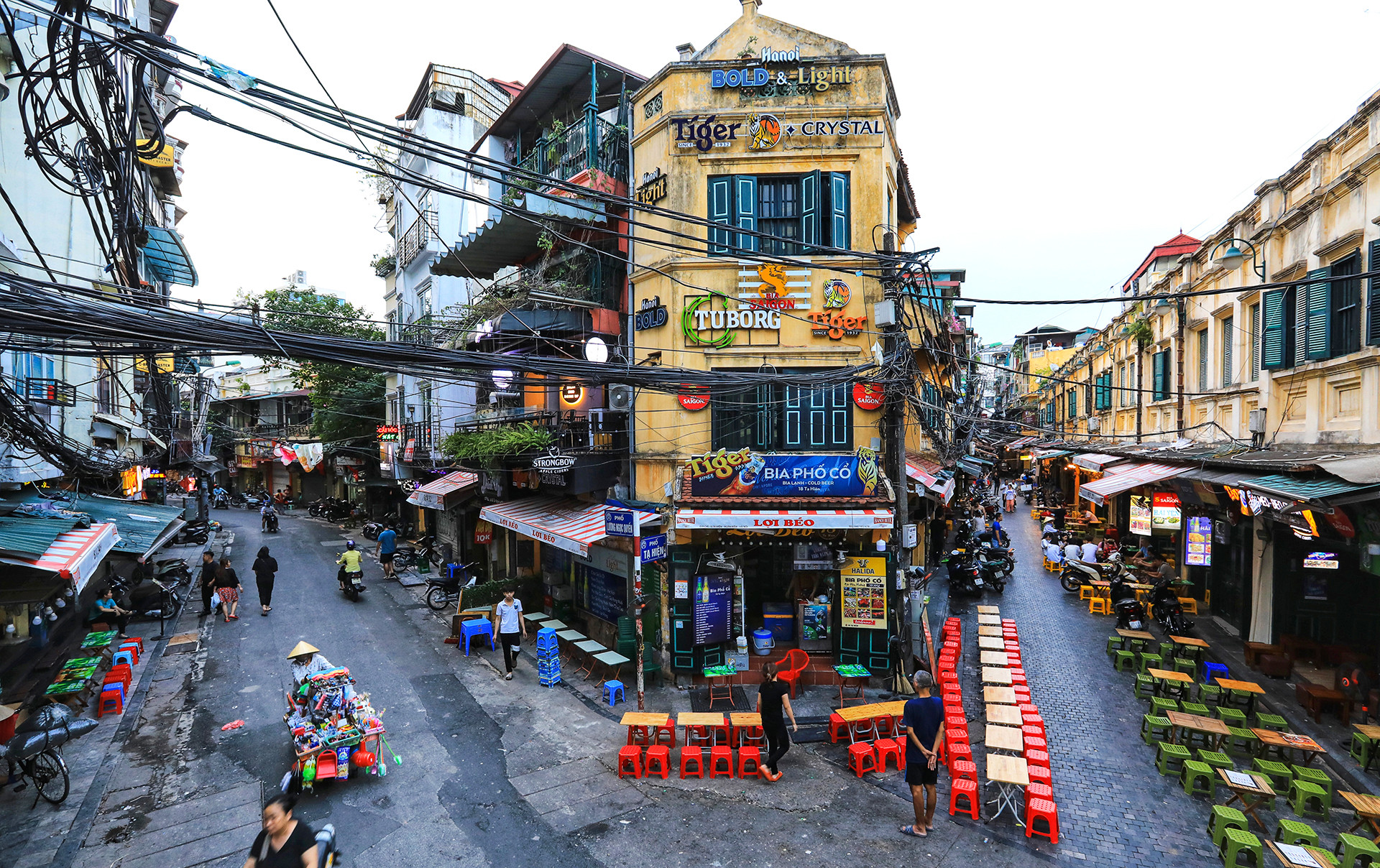
An essential experience stop of the tour is night street food and bia hoi, often enjoyed around Ta Hien Beer Street or nearby streets. Guests sample popular evening dishes such as grilled meats, fried snacks, or noodles, paired with Hanoi’s famous fresh beer. Guides explain local eating habits, why street food is closely tied to social interaction, and how Hanoi’s nightlife differs from louder party cities in Southeast Asia.
The tour then moves through smaller night streets of the Old Quarter, where visitors observe cafés, dessert shops, and late-night hangouts filled with students and office workers. This section highlights Hanoi’s slower, conversation-focused nightlife culture, where sitting, talking, and people-watching are more important than loud entertainment.
How to Choose the Right Walking Tour in Hanoi
Choosing the right walking tour in Hanoi depends less on “how many places you see” and more on what side of the city you want to understand. Each walking route reveals a very different layer of Hanoi’s identity, so matching the tour to your interests, time, and energy level is essential.
1. Choose Based on What You Want to Feel, Not Just See
If this is your first time in Hanoi and you want a clear introduction, a core Old Quarter route around Hoan Kiem Lake is ideal. These tours focus on orientation, street structure, daily life, and cultural basics—helping you understand how the city works rather than overwhelming you with details.
If you are more interested in lifestyle and atmosphere, evening or night walking tours reveal Hanoi’s social side: public spaces, street food culture, and how locals relax after work. These tours are less about landmarks and more about observing real life in motion.
| Tour Name | Area Covered | Duration | Main Experience Focus | Best For | Tour Purpose |
| Tour 1: Hanoi Old Quarter Core Walking Tour (Classic Route) | Hoan Kiem Lake & central Old Quarter | 3–3.5 hrs | City orientation, Old Quarter structure, daily life, food culture | First-time visitors | “I want to understand Hanoi for the first time.” |
| Tour 2: Old Quarter Backstreets & Hidden Life Walk | Lesser-known lanes of the Old Quarter | ~3 hrs | Residential alleys, local businesses, non-touristy streets | Repeat visitors, slow travelers | “I want to see how locals really live.” |
| Tour 3: West Lake Lifestyle & Cultural Walk | West Lake area | 3–4 hrs | Lakeside life, cafés, temples, expat & local lifestyle | Relaxed travelers, café lovers | “I want a calmer, more local Hanoi.” |
| Tour 4: Long Bien Bridge – Bat Trang Pottery Village Experience | Long Bien Bridge & Bat Trang Pottery Village | Half-day | Railway bridge, countryside views, traditional crafts | Culture seekers, photographers | “I want to go beyond the city center.” |
| Tour 5: Hanoi Night Walking & Social Life Tour | Pedestrian Old Quarter & night streets | ~3 hrs (evening) | Night markets, street food, public social life | Short stays, evening travelers | “I want to feel Hanoi after dark.” |
>>> See more: Ho chi minh city tour: sightseeing and travel guide
2. Match the Tour to Your Time & Energy Level
Not all walking tours fit the same pace. Short stays or transit visitors benefit most from compact 3–3.5 hour routes that stay within one area and avoid unnecessary distance. Longer thematic tours—such as craft villages, bridges, or lakeside routes—are better suited for travelers who have a full day or want a slower, deeper experience.
If you dislike rushing or information overload, avoid tours that combine too many districts in one walk. A good walking tour should feel focused and walkable, not like ticking boxes.
3. Avoid Overlapping Routes
One common mistake is choosing multiple tours that repeat the same streets. For example, if you already explore the Old Quarter core during the day, a night tour should focus on social life and evening activities, not repeat daytime sightseeing stops.
Similarly, cultural or craft-focused tours—such as those involving Long Bien Bridge or Bat Trang Village—should stand alone as separate experiences rather than being mixed with central walking routes.
4. Choose by Experience Type
Different travelers connect with Hanoi in different ways:
- Cultural explorers should choose tours with storytelling, temples, heritage streets, and traditional crafts.
- Lifestyle-focused travelers will enjoy tours highlighting cafés, street food, markets, and social spaces.
- Photographers & slow travelers benefit from scenic routes near lakes, bridges, or early-morning neighborhoods.
- Short-stay visitors should prioritize tours that explain context and daily life rather than niche themes.
5. Consider Time of Day Carefully
Hanoi changes dramatically throughout the day. Morning walking tours capture local routines and quiet streets, while afternoon tours focus on commerce and daily movement. Evening and night tours reveal community life, entertainment, and food culture. Choosing the right time can completely change your impression of the same area.
Conclusion: Choose the Walk That Matches Your Curiosity
Hanoi is not a city meant to be rushed. Its charm lies in small details: street conversations, morning routines, evening social life, and neighborhoods that quietly tell their own stories. Walking tours offer the freedom to notice these moments—something no vehicle tour can replicate.
By selecting a walking tour that matches your interests—whether it’s understanding the Old Quarter for the first time, discovering hidden residential lanes, enjoying West Lake’s relaxed lifestyle, exploring traditional crafts beyond the city, or feeling Hanoi’s vibrant nightlife—you experience the city layer by layer, not all at once.
The best Hanoi walking tour is not about how many landmarks you visit, but about how deeply you experience the city. Walk with intention, choose the right route, and Hanoi will reveal itself naturally—one street at a time.
BeDental – A Leading Dental Clinic for International Travelers in Vietnam
BeDental offers high-quality dental services for international travelers visiting Vietnam, combining modern technology with experienced dentists. Our services include general and cosmetic dentistry, dental implants, teeth whitening, and smile makeovers, all performed to international standards.
Designed for tourists, BeDental provides flexible appointments, English-speaking staff, and personalized treatment plans that fit travel schedules. With competitive pricing and convenient locations, BeDental allows visitors to improve their smile while enjoying their trip to Vietnam.