
Hình Ảnh Đẹp
Saigon Tour Guide: Things to see and do
Th3

Saigon Tour Guide: Saigon, officially known as Ho Chi Minh City, is Vietnam’s most dynamic and fast-paced destination, where history, culture, and modern life collide in a constantly evolving urban landscape. As the economic and cultural hub of southern Vietnam, the city offers a rich mix of war-era landmarks, French colonial architecture, vibrant markets, diverse neighborhoods, and a lively street culture that never slows down.
What makes Saigon especially appealing for sightseeing is its variety of experiences within a compact area. Visitors can move easily from historical museums and colonial buildings to traditional temples, local markets, rooftop bars, and food-filled streets—all within a single day or over a relaxed multi-day stay. Whether you are visiting for the first time or returning to explore deeper layers of the city, Saigon offers flexible travel experiences suited to different interests and travel styles.
This guide highlights the best things to see and do in Saigon, from iconic attractions to everyday local life, and introduces suggested itineraries designed for both short visits and immersive cultural exploration.
I. Introduction to Saigon – Vietnam’s Dynamic Southern Hub- Sai Gon Tour Guide
Known officially as Ho Chi Minh City, Saigon is Vietnam’s largest and most energetic metropolis, where life moves fast and contrasts define the urban landscape. As the country’s economic center, the city pulses with constant activity—from busy streets and local markets to modern shopping districts and a rapidly rising skyline. Saigon’s energy is immediately felt, making it a powerful first impression for travelers arriving in southern Vietnam.
>>> See more: Best Phan Thiet Tourist Attractions & Things to Do for Beach Lovers
| Attraction | Type | Highlights | Best For | Visit Time |
| War Remnants Museum | History & Museum | Powerful war exhibits, photos, military artifacts | History lovers, first-time visitors | 1.5–2 hrs |
| Reunification Palace | Historical Landmark | Presidential rooms, war command bunker, 1975 history | Cultural sightseeing | 1–1.5 hrs |
| Notre Dame Cathedral Basilica of Saigon | Colonial Architecture | Red-brick French cathedral, iconic photos | Short stops, architecture fans | 20–30 mins |
| Central Post Office | Colonial Architecture | French design, interior décor, souvenirs | Easy combo visit | 20–30 mins |
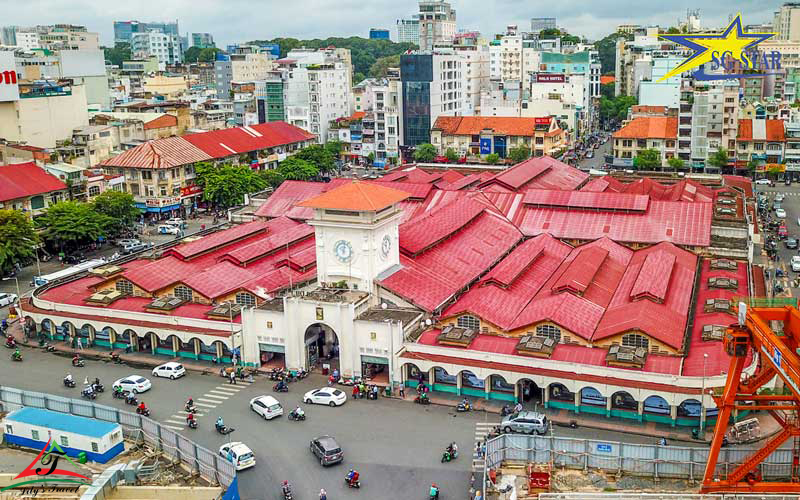
| Ben Thanh Market | Market & Local Life | Food stalls, souvenirs, daily commerce | Shopping & street food | 1–2 hrs |
| Nguyen Hue Walking Street | Urban Experience | Open boulevard, city vibes, night life | Evening walks, photos | 30–60 mins |
| Jade Emperor Pagoda | Religious Site | Taoist statues, incense-filled halls | Culture & spirituality | 30–45 mins |
| Landmark 81 Park | Modern Cityscape | Tallest building in Vietnam, river views | Skyline & modern Saigon | 1–2 hrs |
What sets Saigon apart is its unique blend of influences. Elegant French colonial architecture stands alongside war-era landmarks, while modern skyscrapers rise above traditional neighborhoods filled with street food stalls and cafés. This mix of history, resilience, and contemporary lifestyle creates a city that is both deeply rooted in the past and firmly focused on the future. Cultural diversity, especially visible in areas like Chinatown and local markets, adds further depth to the sightseeing experience.
Thanks to its compact highlights and wide range of activities, Saigon is an ideal destination for first-time visitors, short city tours, and food lovers. Whether exploring historical sites, sampling iconic Vietnamese street food, or discovering the city’s nightlife and café culture, Saigon offers a dynamic introduction to Vietnam that is rich, engaging, and unforgettable.
II. Top Historical & Cultural Attractions in Saigon
War & History Landmarks
Saigon’s historical attractions provide essential context for understanding Vietnam’s modern identity, especially through sites connected to the colonial period and the Vietnam War. These landmarks are centrally located and often combined into half-day city tours, making them ideal for first-time visitors.
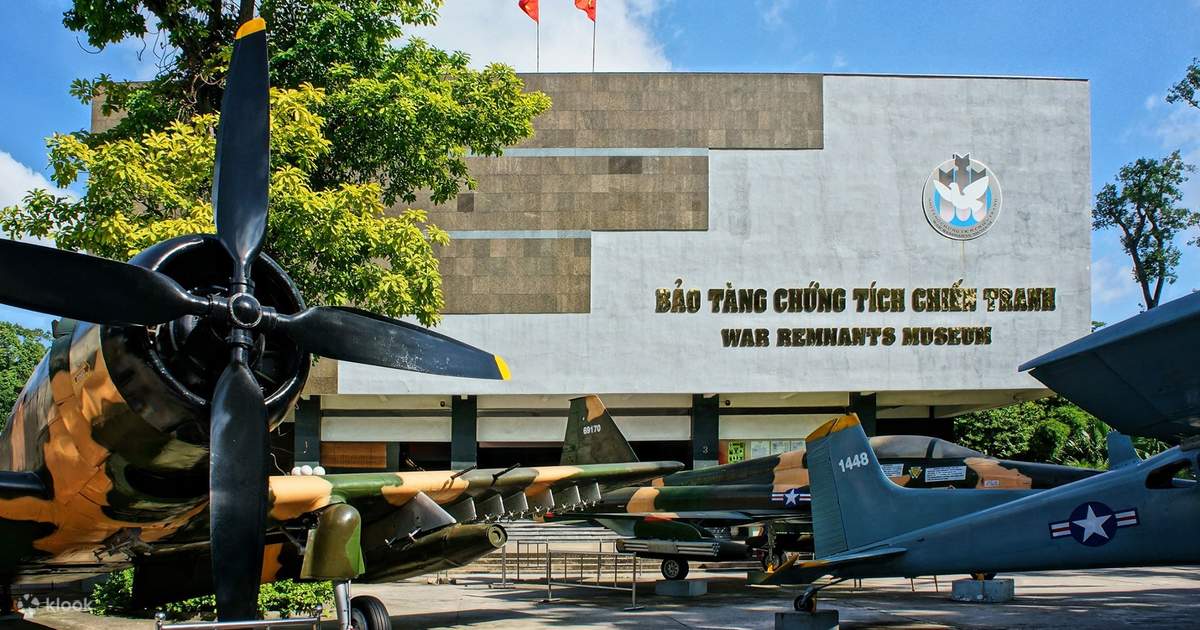
War Remnants Museum is one of the most impactful museums in Vietnam, offering a powerful and unfiltered look at the war through photographs, military equipment, and personal stories. The exhibits focus on the human cost of conflict, making the visit emotionally intense but deeply informative. It is a key stop for travelers interested in history, journalism, and global perspectives on war.
Just a short walk away, Reunification Palace presents a different side of history. Once the presidential palace of South Vietnam, it remains preserved almost exactly as it was in 1975. Visitors can explore formal meeting rooms, private living quarters, and the underground command bunker, gaining insight into political life during the war era and the moment Saigon was reunified.
Nearby, the combination of Notre Dame Cathedral Basilica of Saigon and Central Post Office highlights Saigon’s French colonial legacy. The cathedral’s red-brick façade and twin bell towers contrast beautifully with the elegant interior of the post office, which features arched ceilings, old maps, and classic European design. Together, they form one of the city’s most photographed sightseeing clusters and are perfect for short, relaxed stops.
Cultural & Religious Sites
Beyond historical landmarks, Saigon’s cultural identity is shaped by its diverse religious traditions and long-established communities, particularly visible through its temples and pagodas.
Jade Emperor Pagoda is one of the city’s most atmospheric temples. Dedicated to Taoist deities, it is known for its intricate wood carvings, symbolic statues, and thick incense smoke that fills the halls. The pagoda offers insight into traditional beliefs, spirituality, and ritual practices that remain an important part of daily life for many locals.
In the heart of Chinatown (Cho Lon), Thien Hau Temple stands as a spiritual center for the city’s Chinese-Vietnamese community. Dedicated to the Sea Goddess Mazu, the temple features ceramic dioramas, coiled incense, and a lively atmosphere, especially during festivals. Visiting this area also allows travelers to explore surrounding markets and traditional streets, adding cultural depth to the experience.
In addition to these major sites, Saigon is dotted with smaller traditional temples and Buddhist pagodas tucked away in residential neighborhoods. These quieter locations provide a more local and authentic glimpse into everyday spiritual life, making them worthwhile additions for travelers seeking deeper cultural exploration beyond the main tourist routes.
III. Iconic City Sights & Urban Experiences
Downtown & City Icons
Saigon’s downtown area captures the city’s vibrant rhythm, where historic landmarks and modern urban life intersect within walkable distances. At the center of this experience is Nguyen Hue Walking Street, a wide pedestrian boulevard that has become a social hub for both locals and visitors. By day, it offers open views of colonial buildings and cafés; by night, it comes alive with street performers, families, young crowds, and city lights, making it an ideal place to observe Saigon’s contemporary lifestyle.
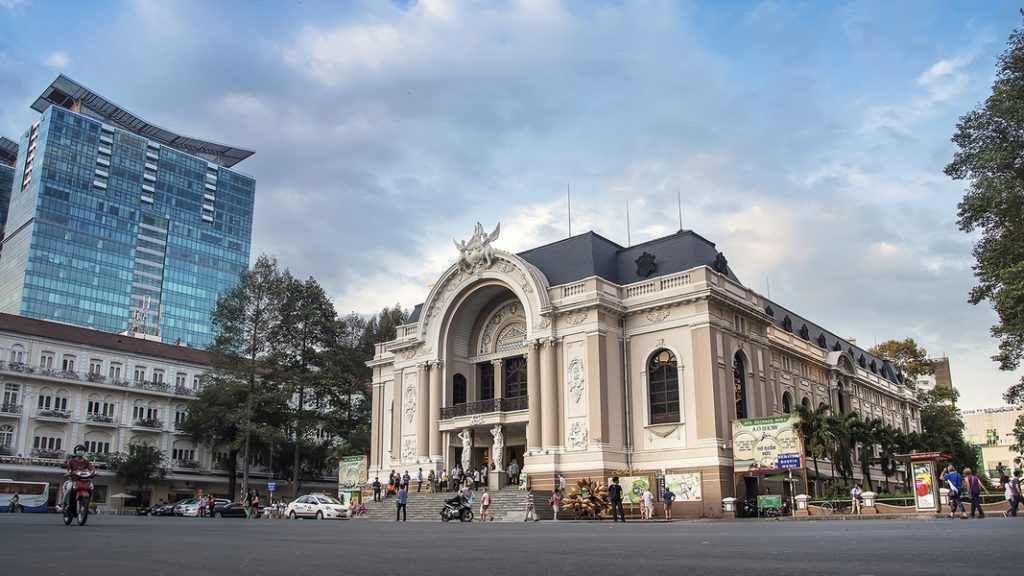
Nearby, the elegant Saigon Opera House stands as one of the city’s most striking examples of French colonial architecture. While it continues to host cultural performances, the building itself is a sightseeing highlight, especially in the evening when illuminated against the surrounding modern skyline. It also marks the transition between historical Saigon and its commercial heart.
The Ben Thanh Market area adds a distinctly local layer to downtown sightseeing. More than just a shopping spot, the market and surrounding streets showcase everyday commerce, street food culture, and the constant movement that defines Saigon. This area is often included in city tours as it represents the city’s blend of tradition, trade, and tourism in one compact zone.
Modern Saigon & Skyline Views
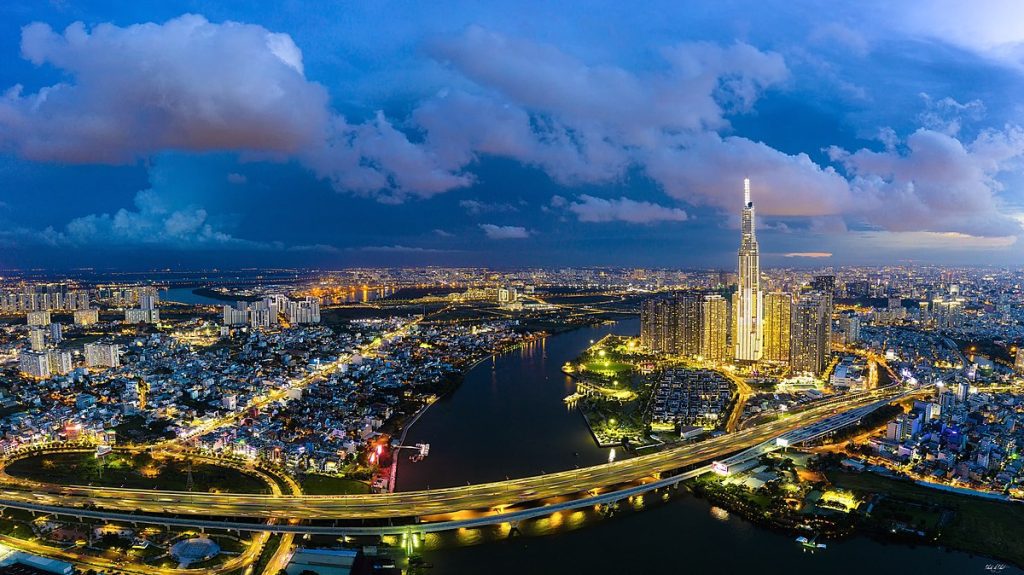
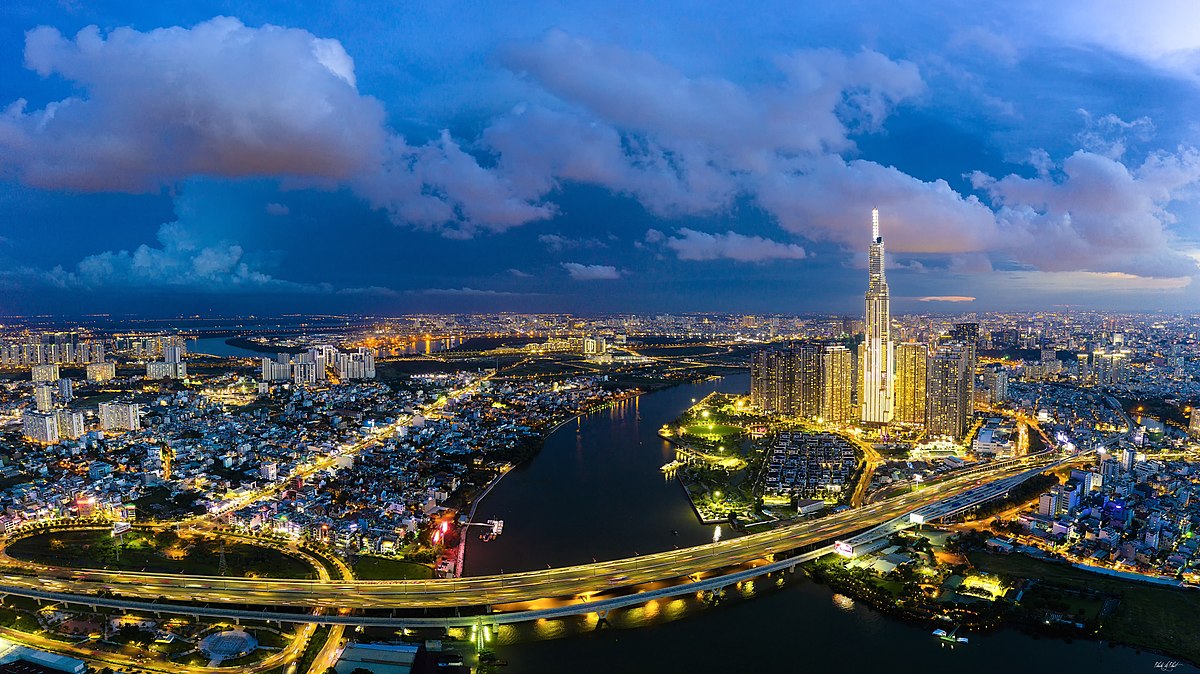
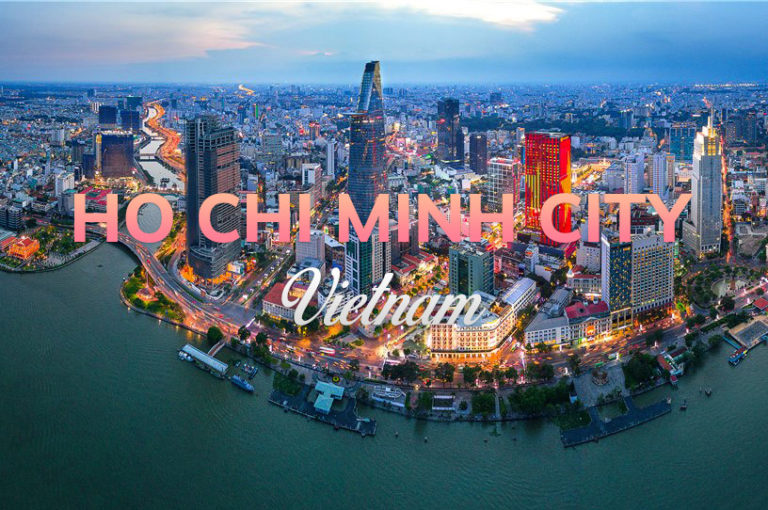
To understand Saigon’s rapid transformation, visitors should explore its modern developments along the river and new urban districts. Landmark 81 Park is the most prominent symbol of modern Saigon, anchored by Vietnam’s tallest building. The surrounding park offers green space, riverside walks, and panoramic views of the skyline, while observation areas highlight how dramatically the city has expanded in recent years.
For a different perspective, rooftop bars and elevated viewpoints across the city provide sweeping views of Saigon after dark. From these heights, visitors can see the contrast between glowing skyscrapers, historic districts, and the dense flow of traffic below. These skyline experiences are especially popular in the evening, offering a relaxed yet visually impressive way to end a day of sightseeing while appreciating the city’s modern identity.
IV. Local Markets, Street Life & Daily Saigon
Traditional Markets
Local markets are essential to understanding Saigon’s daily rhythm, serving not only as trading hubs but also as social spaces deeply woven into everyday life. Ben Thanh Market is the city’s most famous market and a classic sightseeing stop for visitors. Beyond souvenirs, the market offers a snapshot of Saigon’s commercial culture, with food stalls, fresh produce, and constant interaction between vendors and customers. Visiting during the morning reveals its traditional trading atmosphere, while evening hours highlight street food activity around the surrounding area.
For a more authentic and less tourist-oriented experience, Binh Tay Market in Chinatown (Cho Lon) provides insight into Saigon’s wholesale trade and Chinese-Vietnamese business culture. The market’s spacious layout and architectural details reflect its role as a long-established commercial center. Exploring Binh Tay allows visitors to observe local trading practices, bulk goods distribution, and daily routines that remain largely unchanged over generations.
Street Life & Neighborhood Exploration
Saigon’s true character is often found outside major attractions, in its streets and neighborhoods where daily life unfolds. District 1 offers some of the best walking routes for sightseeing, combining colonial buildings, modern cafés, small alleys, and busy intersections. Walking here reveals the city’s contrasts—luxury hotels beside local eateries, quiet courtyards hidden behind main roads, and constant movement that defines urban Saigon.
In contrast, Cho Lon (Chinatown) presents a different cultural atmosphere, shaped by Chinese temples, herbal medicine shops, traditional bakeries, and lively markets. Wandering through these cultural streets provides a deeper understanding of Saigon’s ethnic diversity and long-standing migration history.
Café culture and sidewalk life are central to everyday experiences in Saigon. From traditional street-side coffee stalls to stylish modern cafés, sitting on small plastic stools or in open-front spaces allows visitors to slow down and observe city life at eye level. This casual, social way of experiencing the city is one of Saigon’s most distinctive and memorable daily sights.
V. Unique Experiences & Things to Do
Nightlife, Street Food & Entertainment
Saigon’s nightlife reflects the city’s nonstop energy and social culture, with activities spread across different neighborhoods and styles. Rooftop bars are a signature experience, offering elevated views of the skyline, river, and traffic-lit streets below. Many rooftops are located in District 1 and around major commercial buildings, where visitors can enjoy sunset drinks, city panoramas, and a relaxed evening atmosphere that contrasts with the chaos at street level.
>>> See more: Best Sightseeing in Hanoi: Top Places to Visit & Things to See
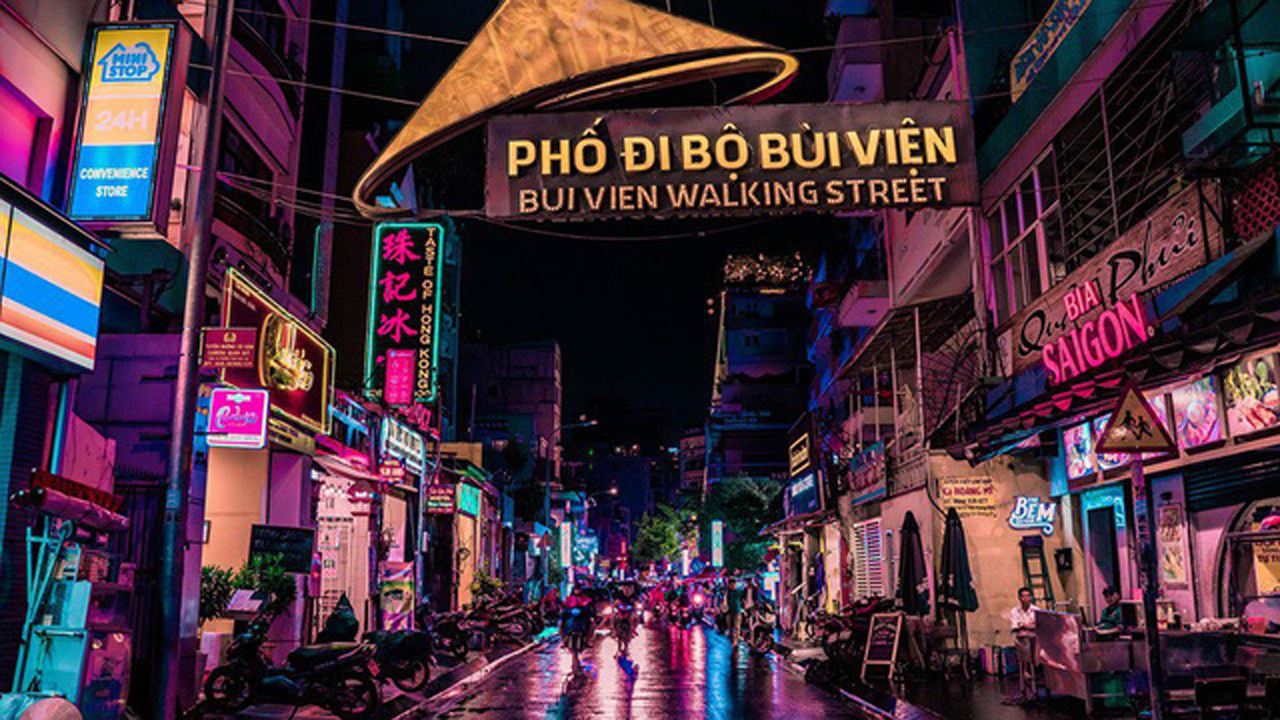
At ground level, nightlife becomes louder and more spontaneous in areas like Bui Vien Walking Street, known for its street bars, live DJs, international crowds, and casual street food stalls. This area is ideal for travelers who want to experience Saigon’s youthful, backpacker-friendly nightlife and social street scene.
Live music venues are another key part of the city’s evening culture. Jazz lounges, acoustic cafés, and small performance spaces host nightly shows ranging from classic jazz and blues to Vietnamese pop and indie music. These venues provide a more intimate alternative to clubs and are popular among both locals and visitors.
Night tours—especially street food tours—are one of the best ways to combine entertainment with local cuisine. Guided by locals, visitors move through back alleys and busy streets to sample iconic dishes, observe night markets, and learn how Saigon’s food culture adapts after dark.
Cultural Performances & Arts
Traditional cultural performances in Saigon focus mainly on music rather than large-scale theater. Traditional music shows introduce instruments such as the đàn tranh and đàn bầu, often performed in small venues that allow close interaction between performers and audiences. These shows help visitors understand regional musical styles and Vietnam’s artistic heritage in a relaxed setting.
In contrast, Saigon’s contemporary art scene highlights the city’s creative evolution. Art galleries and independent creative spaces—mostly located in District 1, District 3, and converted urban buildings—showcase modern Vietnamese art, photography, and experimental installations. Exhibitions often reflect social change, urban life, and modern identity, making them particularly appealing to travelers interested in contemporary culture.
Together, these experiences reveal a different side of Saigon—one that goes beyond landmarks and markets, showing how the city expresses itself through nightlife, music, and modern creativity.
VI. Suggested Saigon Tour Itineraries
Option 1: 1-Day Saigon City Highlights Tour
Concept: Classic sightseeing & history overview
Pace: Efficient, well-structured
Best for: First-time visitors, business travelers, short stays
Morning – War History & Colonial Heritage
The tour begins with a deep dive into Saigon’s modern history at War Remnants Museum, where visitors gain an essential understanding of the Vietnam War through photographs, military equipment, and documentary-style exhibits. Next, continue to Reunification Palace, the former presidential residence of South Vietnam. Guests explore official reception rooms, living quarters, and the underground command bunker that played a key role in 1975.
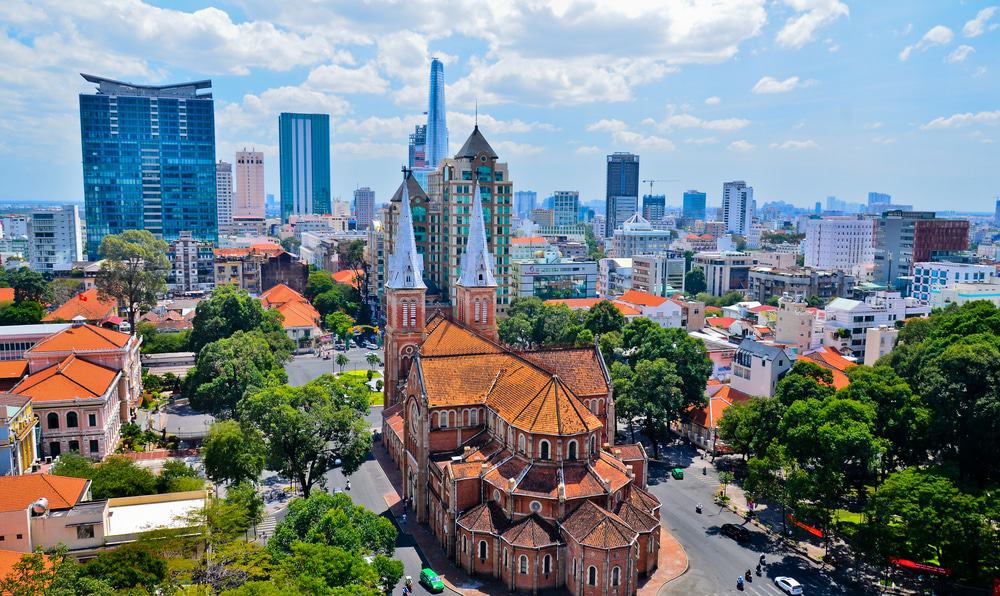
A short walk leads to Saigon’s most iconic French colonial landmarks:
- Notre Dame Cathedral Basilica of Saigon (photo stop)
- Central Post Office, featuring classic European architecture and historic interior design
Afternoon – Markets & Spiritual Life
After lunch in the city center, the tour continues to Ben Thanh Market. This stop offers insight into local commerce, traditional trading culture, and everyday life in downtown Saigon.
The afternoon ends with a visit to Jade Emperor Pagoda, one of the city’s most atmospheric temples, known for its Taoist symbolism, incense-filled halls, and intricate carvings.
Evening – Urban Life & Skyline Views
Conclude the day with a relaxed walk along Nguyen Hue Walking Street, where visitors can observe modern city life, enjoy sunset views, and experience Saigon’s lively evening atmosphere. Optional rooftop bar experiences are available nearby.
This tour answers: “What are the must-see landmarks of Saigon in one day?”
Option 2: 2–3 Day Saigon Local Life, Culture & Food Experience
Concept: Slow travel, everyday culture, food & neighborhoods
Pace: Relaxed and immersive
Best for: Culture lovers, food-focused travelers, repeat visitors
Day 1 – Chinatown & Traditional Commerce
Theme: Multicultural Saigon and long-established trade
Begin the day exploring Cho Lon, Saigon’s historic Chinatown. Walk through traditional streets lined with herbal medicine shops, bakeries, and family-run businesses. Visit Binh Tay Market, a major wholesale market that reflects authentic local trading life rather than tourism-focused shopping.
Continue to Thien Hau Temple, dedicated to the Sea Goddess Mazu. The temple’s coiled incense, ceramic dioramas, and ritual practices highlight the spiritual life of the Chinese-Vietnamese community. Lunch is served at a traditional Hoa–Viet restaurant, followed by free exploration of surrounding cultural streets and old shophouses.
Day 2 – Street Life, Cafés & Food Culture
Theme: How Saigon lives, eats, and socializes
The day focuses on neighborhood walking routes in District 1 and District 3, where visitors explore small alleys, local markets, and residential streets away from tourist zones. Café hopping introduces Saigon’s coffee culture, from classic sidewalk cafés with low plastic stools to renovated old apartments turned into creative café spaces.
In the afternoon and evening, the tour highlights street food culture, sampling iconic local dishes such as bánh mì, cơm tấm, and bún thịt nướng at trusted local eateries. Optional evening activities include live music cafés or a visit to Bui Vien Walking Street to observe Saigon’s nightlife and social street scene.
Day 3 – Modern Saigon & Riverside Lifestyle (Optional)
Theme: Contemporary city life and relaxation
Visit Landmark 81 Park, a modern riverside complex featuring green spaces, walking paths, and panoramic skyline views. This area represents Saigon’s new urban lifestyle and rapid development. The remainder of the day is flexible, allowing time for shopping, spa experiences, revisiting favorite food spots, or enjoying a farewell rooftop sunset.
This tour answers: “What does everyday life in Saigon feel like?”
Conclusion: Why Saigon Offers More Than Just Sightseeing
Saigon is not a city that can be understood by landmarks alone. While its historical sites and iconic attractions provide important context, the true character of the city reveals itself through daily street life, food culture, neighborhood rhythms, and the interaction between old traditions and modern lifestyles.
Whether you choose a one-day city highlights tour or a multi-day local life and food-focused experience, Saigon rewards curiosity and openness. From walking through historic streets and markets to enjoying coffee on a sidewalk or watching the skyline light up at night, each experience contributes to a deeper understanding of how the city lives and evolves.
For travelers seeking a destination that is energetic, diverse, and rich in cultural contrasts, Saigon stands out as one of Vietnam’s most engaging cities—offering not just places to see, but experiences to remember.
BeDental – A Leading Dental Clinic for International Travelers in Vietnam
BeDental offers high-quality dental services for international travelers visiting Vietnam, combining modern technology with experienced dentists. Our services include general and cosmetic dentistry, dental implants, teeth whitening, and smile makeovers, all performed to international standards.
Designed for tourists, BeDental provides flexible appointments, English-speaking staff, and personalized treatment plans that fit travel schedules. With competitive pricing and convenient locations, BeDental allows visitors to improve their smile while enjoying their trip to Vietnam.