
Câu chuyện khách hàng
Diastema in Vietnam: Causes, Concerns, and Effective Treatment Options
Th3

In recent years, awareness and treatment of diastema in Vietnam have increased significantly as both local and international patients seek solutions that balance aesthetics, function, and long-term oral health.
This article provides a comprehensive overview of diastema in Vietnam, including causes, when it should be treated, and the most effective treatment options available at modern Vietnamese dental clinics.
What Is Diastema?
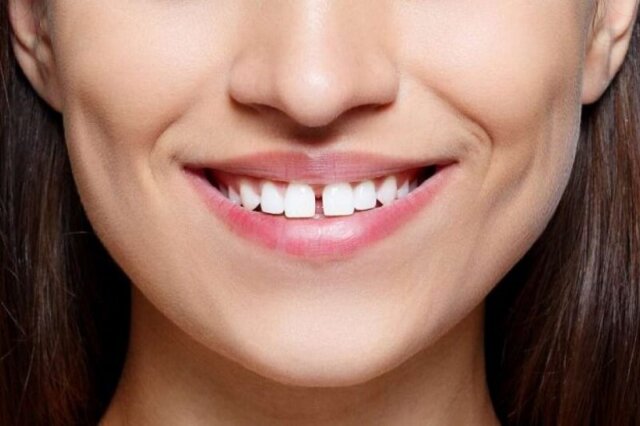
Diastema is defined as a visible space between two teeth that are not naturally touching. The gap size can vary from barely noticeable to several millimeters wide. While some people consider diastema a unique and attractive feature, others may feel self-conscious or experience functional problems.
In children, diastema, especially between the upper front teeth, is often a normal developmental stage. As permanent teeth erupt and the jaw grows, these gaps may close naturally. However, in adolescents and adults, diastema usually persists and may require professional dental treatment if it causes aesthetic or functional concerns.
See more: Braces near me in Vietnam
Is Diastema Common in Vietnam?
Diastema in Vietnam is relatively common, particularly among adults who did not receive early orthodontic intervention during childhood. Based on observations from private dental clinics in major cities such as Ho Chi Minh City and Hanoi, it is estimated that approximately 15–20% of adult patients present with some degree of anterior spacing, with midline diastema being the most frequently reported concern.
In recent years, the demand for cosmetic dental corrections has increased significantly. Industry reports from urban dental centers suggest that requests for smile-enhancing procedures, including orthodontics, composite bonding, and porcelain veneers, have grown by approximately 25–35% over the past five years. More patients are now seeking treatment not only for functional or oral health reasons but also to improve facial harmony, professional confidence, and overall smile aesthetics.
Vietnam has become a regional hub for dental care due to several competitive advantages:
- Treatment costs are typically 50–70% lower than in Western countries such as the United States, Australia, or Canada.
- A growing number of Vietnamese dentists have received international training or continuing education in countries like South Korea, Germany, and the United States.
- Modern dental clinics in major cities are equipped with digital X-rays, intraoral scanners, CAD/CAM systems, and 3D orthodontic planning technology.
- Cosmetic and orthodontic services now account for an estimated 40–50% of total private dental revenue in large metropolitan areas.
As a result, treatment for diastema in Vietnam increasingly attracts both local patients and international visitors. It is estimated that 20–30% of patients at high-end urban dental clinics are expatriates or dental tourists seeking affordable yet high-quality cosmetic dental care.
See more: Orthodontic Treatment in Vietnam
What Causes Diastema?
Diastema is often influenced by genetic, functional, and periodontal factors, which is why some people develop tooth gaps early in life while others notice them gradually over time.
Genetic and Developmental Factors
Research indicates that midline diastema is relatively common during mixed dentition, with prevalence rates ranging from 20–98% in children aged 6–9 years. However, most of these gaps close naturally as permanent canines erupt. In contrast, only about 1.5–5% of adults retain a persistent midline diastema.
Common genetic causes include:
- Congenitally missing teeth (hypodontia)
Occurs in approximately 2–10% of the population (excluding third molars). Missing lateral incisors or premolars create space that adjacent teeth may not fully close.
- Tooth–jaw size discrepancy
Studies show that spacing occurs when the combined mesiodistal width of teeth is smaller than arch length, a condition often inherited within families.
- Enlarged or low-attached labial frenum
Present in a significant portion of persistent midline diastema cases. Some orthodontic studies report that up to 40% of persistent midline gaps >2 mm are associated with abnormal frenum attachment.
Family clustering of diastema has been well documented, reinforcing the hereditary component.
Functional Habits and Tongue Posture

Abnormal oral habits can gradually contribute to spacing. Epidemiological data suggests that:
- Tongue thrusting habits occur in 5–15% of children, with persistence into adulthood in a smaller percentage.
- Chronic anterior tongue pressure can exert forces of approximately 1–6 Newtons per swallow, repeated up to 1,000–2,000 times per day.
Over time, this repetitive low-grade force may:
- Procline anterior teeth
- Increase spacing between incisors
- Worsen existing diastema
This explains why some adults experience gradual widening of gaps even after orthodontic treatment if the habit is not corrected.
Periodontal (Gum Disease–Related) Causes
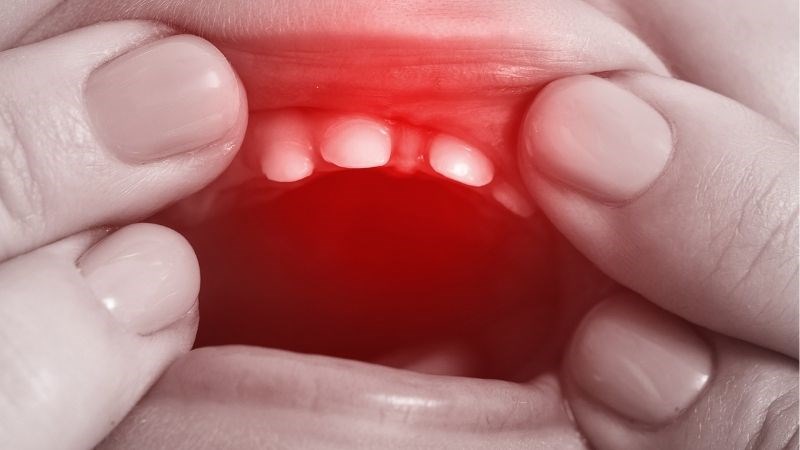
In adults, new-onset diastema is frequently associated with periodontal disease rather than developmental factors.
- Severe periodontitis affects approximately 10–15% of the global adult population.
- Advanced periodontal bone loss can reduce supporting bone height by 30–50% or more, leading to:
- Tooth mobility
- Pathologic tooth migration
- Progressive spacing between anterior teeth
Clinical studies show that pathologic tooth migration occurs in up to 30–55% of patients with advanced periodontitis, often presenting as newly formed gaps in the upper front teeth.
In these cases, cosmetic correction alone is insufficient. Periodontal stabilization must be completed before orthodontic or restorative closure of the gap.
When Should Diastema Be a Concern?
Not all cases of diastema require treatment. However, professional evaluation is recommended in the following situations:
Aesthetic Concerns
While some people embrace diastema as a distinctive feature, others feel that it negatively affects their smile and confidence. For patients concerned about appearance, cosmetic treatment can significantly improve self-esteem.
Functional Problems
Large gaps may interfere with:
- Chewing efficiency
- Speech pronunciation (such as lisping or whistling sounds)
- Bite balance
Oral Health Risks
Food can easily become trapped in wide gaps, increasing the risk of plaque buildup, cavities, and gum disease. If diastema is linked to periodontal problems, treatment becomes medically necessary.
Treatment Options for Diastema in Vietnam
Diastema treatment in Vietnam is tailored based on tooth health, gum condition, gap size, and patient expectations. Treatment generally falls into two categories: cosmetic correction or medical-periodontal management.
Cosmetic treatments for diastema
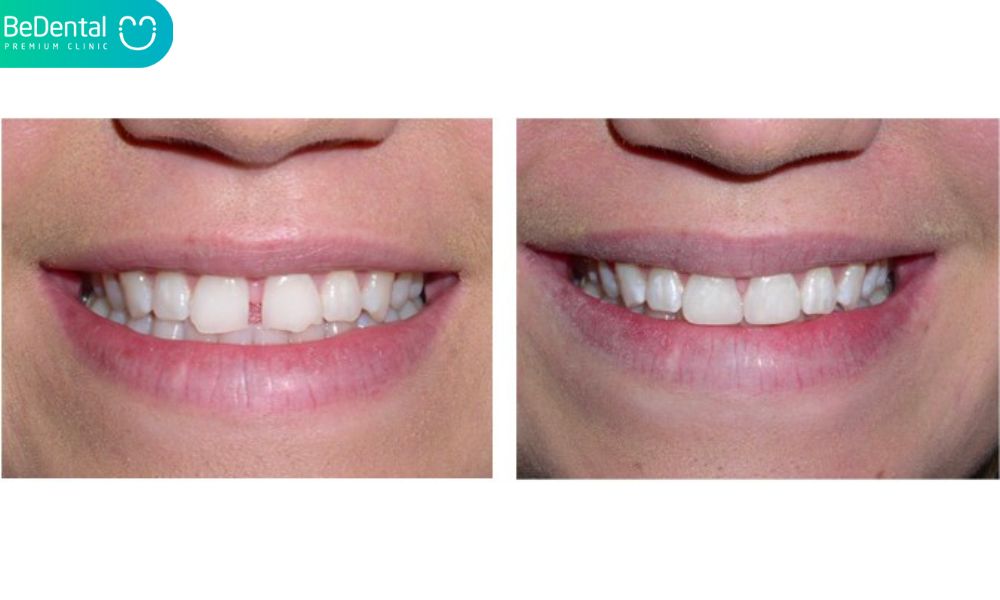
If the gap is not caused by disease and teeth are structurally healthy, cosmetic dentistry offers several effective solutions.
| Treatment Option | Detailed Description |
| Dental Bonding | Dental bonding is a minimally invasive option for small to moderate gaps. A tooth-colored composite resin is applied to reshape the tooth edges, closing the space while preserving natural tooth structure. This method is quick, affordable, and delivers immediate aesthetic improvement. |
| Porcelain Veneers | Veneers are thin ceramic shells permanently bonded to the front surfaces of teeth. They are ideal for patients who want to correct diastema while also improving tooth shape, color, and symmetry. Veneers provide long-lasting, highly aesthetic results with excellent color stability. |
| Braces or Clear Aligners | When diastema involves larger gaps or multiple teeth, orthodontic treatment is often the most stable solution. Braces or clear aligners gradually move teeth into proper alignment, correcting spacing at its root cause. In mild cases, orthodontic correction may not be necessary. |
| Frenectomy | If a thick or oversized labial frenum is responsible for pushing teeth apart, a frenectomy may be required. This minor surgical procedure releases the tissue and prevents gap recurrence. Frenectomy is often combined with bonding, veneers, or orthodontics for optimal results. |
| Dental Bridge | When diastema is caused by a missing tooth, a dental bridge may be used to close the space. Adjacent teeth serve as anchors for the restoration. This option is suitable when surrounding teeth already require crowns. |
| Dental Implant | A dental implant is the most advanced solution for tooth-loss–related diastema. It replaces both the tooth root and crown without affecting adjacent teeth. Implants offer excellent stability, bone preservation, and long-term function. |
Gum disease treatments for diastema
When diastema is caused by periodontal disease, infection control must come first. Cosmetic treatment should only be considered after gum health is stabilized.
| Treatment Option | Detailed Description |
| Scaling and Root Planing | For early-stage gum disease, deep cleaning removes plaque and bacteria beneath the gumline. This helps reduce inflammation and prevents further bone loss that could worsen tooth spacing. |
| Gingival Flap Surgery | In moderate to advanced cases, surgical intervention may be necessary. The gums are gently lifted to allow thorough cleaning of tooth roots and infected areas. If bone loss is present, bone grafting may be performed to restore structural support. |
Why Choose BeDental for Diastema Treatment in Vietnam?
Why Choose BeDental?
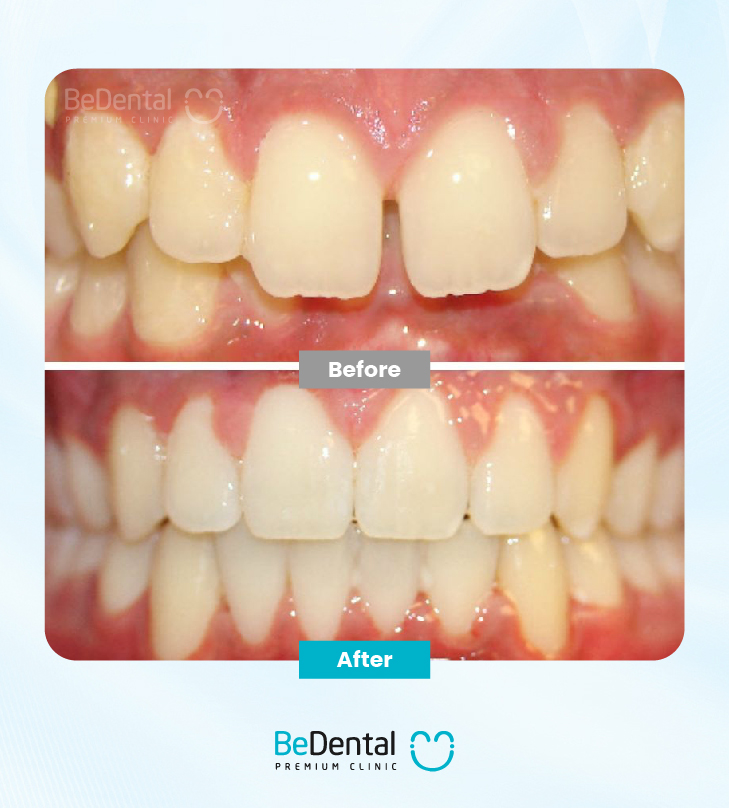
BeDental is a leading dental clinic in Vietnam with a strong reputation for delivering high-quality, personalized solutions for diastema treatment and broader orthodontic concerns. Whether your goal is to close a gap for aesthetic reasons or to correct underlying bite and alignment issues, BeDental combines clinical expertise, advanced technology, and patient-first care to ensure predictable, long-lasting results
- Highly experienced dental team with over 10 years of hands-on clinical expertise, particularly in managing complex cases such as cracked tooth roots, failed root canals, and structurally compromised teeth. Dentists are trained to preserve natural teeth whenever possible while ensuring long-term stability.
- Advanced diagnostic systems, including digital X-rays and Cone Beam CT (CBCT), allowing dentists to accurately detect micro-cracks, vertical root fractures, and hidden infections that are often missed by conventional imaging. This ensures precise diagnosis and minimizes unnecessary treatment.
- CAD/CAM 3D technology for the fabrication of high-precision crowns and restorations. This technology enables optimal bite alignment, improved aesthetics, and a faster turnaround time—often allowing crowns to be completed within the same day.
- Premium FDA- and ISO-certified dental materials, imported directly from Germany, the United States, and Japan, ensuring high biocompatibility, durability, and natural appearance. These materials meet international safety standards and are commonly used in top dental clinics worldwide.
- Multilingual patient support team, including English-speaking dentists and dedicated patient coordinators, to ensure clear communication, thorough explanations, and a smooth treatment experience for international patients.
- Transparent and ethical treatment planning, with detailed consultations, digital treatment simulations when needed, and clear cost breakdowns upfront, so patients fully understand each step of the procedure with no hidden fees.
- Long-term warranties ranging from 5 to 15 years, depending on the treatment type and materials used, reflecting the clinic’s confidence in treatment quality and its commitment to long-lasting results and patient satisfaction.
See more: Does getting braces hurt? Which stage is the most painful?
Patient stories in BeDental
Emma (International Patient – Europe)
Emma, a 32-year-old marketing consultant from Europe, had always been self-conscious about the noticeable gap between her upper front teeth. Although her teeth were healthy, the diastema affected her confidence during presentations and client meetings. While researching high-quality dental care in Southeast Asia, she discovered BeDental through online reviews and medical tourism forums.
During her initial online consultation, BeDental’s dentists conducted a detailed assessment using digital photographs and X-rays. They explained that Emma’s diastema was caused by small tooth size relative to her jaw and did not involve gum disease. Based on her aesthetic expectations and limited time in Vietnam, the dentists recommended porcelain veneers to close the gap while enhancing tooth shape and color.
The entire treatment was completed within a few visits. Emma was particularly impressed by the clinic’s clear communication, English-speaking staff, and transparent pricing. After treatment, she reported a dramatic improvement in her smile and confidence, stating that the results looked “completely natural” and exceeded her expectations. She now confidently recommends BeDental to other international patients seeking diastema treatment in Vietnam.
Minh (Vietnamese Patient)
Minh, a 24-year-old office worker in Hanoi, developed a gap between his front teeth gradually over several years. At first, he considered it a minor cosmetic issue, but over time, the spacing increased and began affecting his speech clarity. Concerned, Minh visited BeDental for a comprehensive dental check-up.
After a thorough examination, BeDental’s dentists determined that Minh’s diastema was linked to a thick labial frenum combined with mild tooth spacing. The treatment plan included a frenectomy, followed by orthodontic treatment with clear aligners to gently bring the teeth together and prevent the gap from reopening.
Throughout the treatment, Minh appreciated the detailed explanations and regular progress monitoring. The clinic’s step-by-step approach helped him feel confident and informed at every stage. After completing treatment, Minh noticed not only an improvement in his smile but also clearer pronunciation and better bite balance. He described the experience as “professional, careful, and worth the investment,” and expressed confidence in maintaining long-term results.
A diastema in Vietnam can be treated effectively when diagnosed early and managed by experienced professionals. Ignoring symptoms may lead to infection, bone loss, and tooth loss, but with modern technology, skilled dentists, and affordable pricing, Vietnam, and especially BeDental, offers an excellent solution for preserving oral health and restoring confidence.

Tư vấn chuyên môn bài viết:
BÁC SĨ DƯƠNG THỊ THÙY NGA
Tại BeDental, khách hàng có thể an tâm điều trị với dịch vụ bảo lãnh viện phí nha khoa nhanh chóng và tiện lợi. BeDental hiện liên kết với nhiều công ty bảo hiểm uy tín, hỗ trợ thanh toán trực tiếp chi phí các dịch vụ nha khoa như nhổ răng, trám răng, điều trị tủy, phục hình răng sứ... Quy trình linh hoạt, minh bạch giúp tiết kiệm thời gian và tối ưu chi phí. Hãy liên hệ BeDental để được tư vấn chi tiết và tận hưởng trải nghiệm chăm sóc răng miệng chuyên nghiệp, không lo gánh nặng tài chính.
? Các đơn vị nha khoa chấp nhận bảo lãnh bao gồm : Hùng Vương Insurance, Bảo Long Insurance, BSH (Bảo hiểm BSH), FWD Insurance Cathay Life Fubon Insurance, Tokio Marine Insurance Group VNI (Bảo hiểm Hàng không), HD Insurance MSIG AAA Insurance PTI (Bảo hiểm Bưu điện), BIDV MetLife, PJICO, Techcom, Insurance, AIA, Dai-ichi Life MIC GIC DBV Insurance VBI (Bảo hiểm VietinBank)
? Các công ty bảo hiểm BeDental có thể xuất hóa đơn: Manulife Dai-ichi Life Prudential AIA Hanwha Life PVI VCLI (Bảo hiểm nhân thọ Vietcombank - Cardif) BIC (Bảo hiểm BIDV), Bảo Việt Insurance và PVI

BEDENTAL – HỆ THỐNG NHA KHOA TIÊU CHUẨN HÀNG ĐẦU
CHI NHÁNH HÀ NỘI
CS1: 7B Thi Sách, Ngô Thì Nhậm, Hai Bà Trưng, Hà Nội - 0934.61.9090
CS2: Số 129 Hoàng Ngân, Yên Hòa, Cầu Giấy, Hà Nội - 0934.61.9090
CHI NHÁNH TP.HỒ CHÍ MINH (HCM)
CS1: 53 -55 -57 Phó Đức Chính, Nguyễn Thái Bình, Quận 1, Tp.Hồ Chí Minh - 0766.00.8080
GIỜ HOẠT ĐỘNG:
09h00 – 20h00. Tất cả các ngày trong tuần
Website: https://bedental.vn/