
Câu chuyện khách hàng
Cha Ca La Vong: Hanoi’s Legendary Grilled Fish for Over a Century

Cha Ca La Vong is one of the most iconic Hanoi famous foods, representing the city’s rich culinary heritage and refined flavors. This legendary dish of turmeric-marinated grilled fish with dill, fresh herbs, and dipping sauces has been cherished for over a century, offering both locals and visitors a unique taste of Hanoi’s culture, tradition, and street food identity. Experiencing Cha Ca La Vong is not just about savoring a meal—it is a journey into the heart of Hanoi’s gastronomic artistry.
The History of Cha Ca La Vong
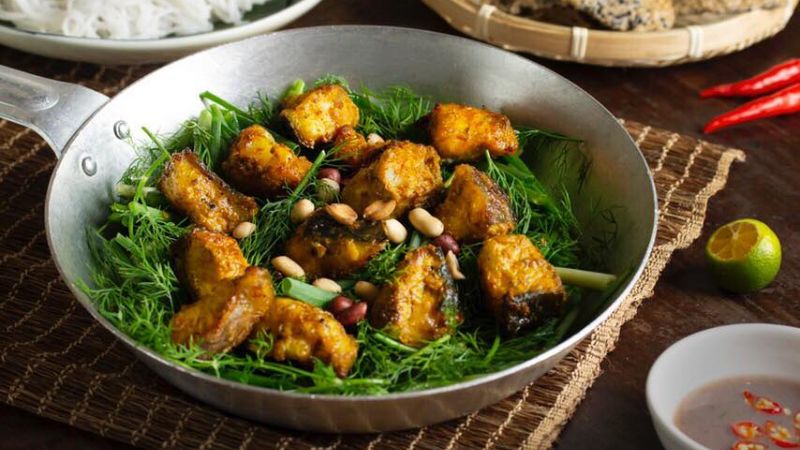
Cha Ca La Vong is a legendary Hanoi specialty created in the late 19th century by the Doan family at what was then Hang Son Street, now known as Cha Ca Street. The Doan family developed a unique recipe featuring turmeric‑marinated grilled fish with dill and herbs, which quickly became popular for its distinctive flavor and aroma. Vietnam+ (VietnamPlus)
>>> See more:
The name “La Vong” comes from a statue of La Vong that was placed at the entrance of the original restaurant. La Vong (also known as Jiang Ziya in Chinese lore) is an ancient figure celebrated for his patience and wisdom, often depicted as a fisherman waiting for the right moment to show his talent. The restaurant’s owner displayed this statue not only to attract customers but also to symbolize the careful preparation and patience required to make the dish perfectly. Du lịch Việt Nam
Over time, diners began referring to the dish by the statue’s name rather than the family name, and “Cha Ca La Vong” became the common name for both the restaurant and the dish. The restaurant, still located at 14 Cha Ca Street in Hanoi’s Old Quarter, has preserved the tradition and historic ambience, and remnants of its original interior—including the story and visual references to the La Vong statue—remain an attraction for visitors who want to connect with the dish’s heritage. Du lịch Việt Nam
Today, the story of the statue and its link to the dish is part of the culinary lore shared with guests, and many travelers visit the restaurant not only for the food but also to see the historic space and cultural legacy of Cha Ca La Vong for themselves
What Makes Cha Ca La Vong Special
Cha Ca La Vong is more than just a dish—it is a symbol of Hanoi’s culinary heritage. Its unique combination of turmeric-marinated fish, fresh dill, herbs, and dipping sauces reflects the city’s commitment to balance, harmony, and attention to detail in food preparation. Each bite offers a multi-sensory experience, from the fragrant aroma of grilled fish to the vibrant textures and flavors of fresh herbs and peanuts, capturing the essence of Hanoi’s refined and subtle palate.
The dish also embodies Hanoi’s cultural identity, showcasing the tradition of street-side dining, communal meals, and a respect for craftsmanship in everyday life. Cha Ca La Vong is celebrated not only for its taste but also as a living piece of the city’s heritage, representing the art of Vietnamese cooking, local pride, and the enduring connection between food and community. For both locals and visitors, enjoying Cha Ca La Vong is an authentic cultural experience, offering a taste of Hanoi’s history, artistry, and culinary sophistication.
How Cha Ca La Vong is Prepared
The preparation of chả cá Lã Vọng in Hanoi is a traditional and carefully controlled process that highlights both technique and flavor. The main ingredient is freshwater fish, usually catfish or snakehead fish, which is cleaned, sliced, and marinated with a mixture of turmeric, galangal, fish sauce, and other spices. This marinade gives the fish its signature golden color and distinctive aroma.
After marinating, the fish is lightly grilled or pan-seared to develop a firm texture and enhance its smoky flavor. However, it is not fully cooked at this stage. Instead, the fish is brought to the table and further cooked directly by diners in a hot pan with oil, which is a key part of the eating experience.
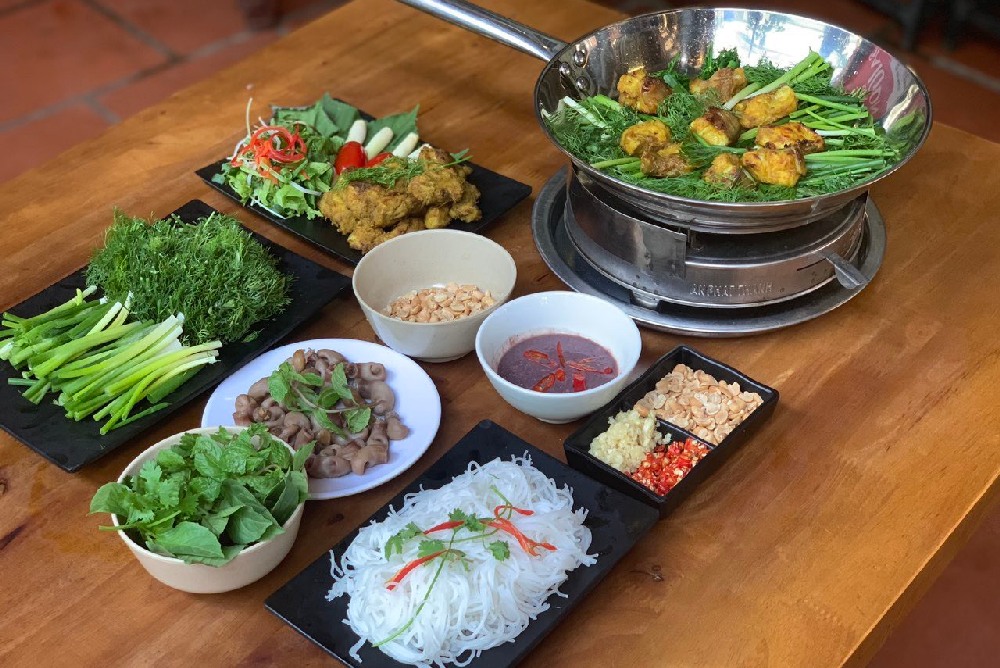
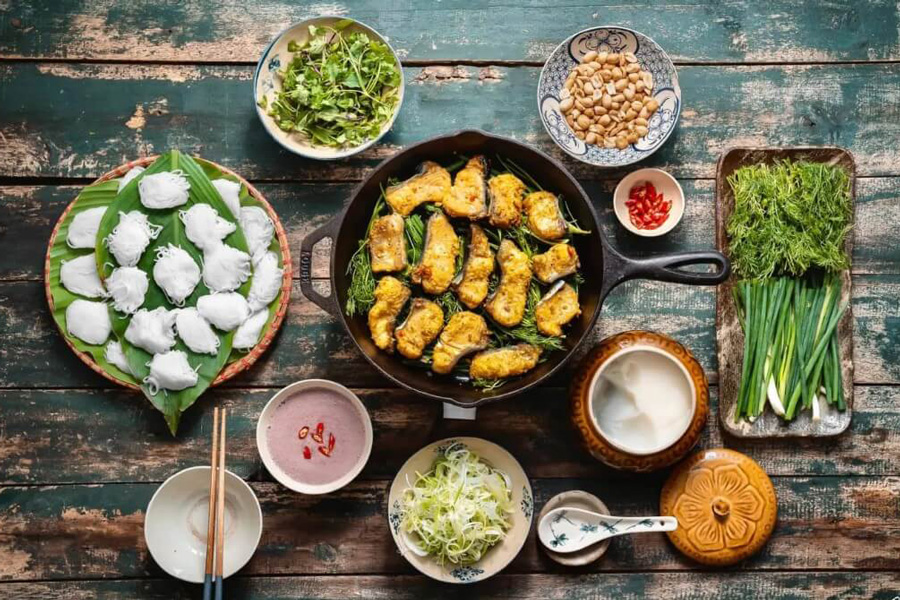
At the table, the fish is stir-fried with fresh dill and spring onions, releasing a fragrant aroma that defines the dish. It is typically served with rice noodles (bún), roasted peanuts, fresh herbs, and dipping sauces such as fermented shrimp sauce (mắm tôm) or fish sauce with lime and chili.
This interactive cooking style, combined with its rich seasoning and aromatic herbs, makes chả cá Lã Vọng not only a dish but also a cultural dining experience that reflects the culinary traditions of Hanoi.
Flavor Profile & Culinary Experience
Chả cá Lã Vọng in Hanoi is known for its rich and layered flavor profile, which comes from the combination of marinated fish, fresh herbs, and traditional condiments. The fish itself is strongly aromatic due to turmeric, galangal, and fish sauce, creating a deep savory base with a slightly earthy and fragrant taste. When grilled and pan-fried, it develops a lightly crispy exterior while remaining tender and juicy inside.
| Variation Type | Key Characteristics | Flavor Profile | Notes |
| Traditional Original Style | Turmeric-marinated fish, dill, spring onion, fried in oil | Rich, aromatic, balanced savory | Most authentic version served in heritage restaurants |
| Mắm tôm Style (Fermented shrimp paste) | Served with strong fermented shrimp sauce | Bold, salty, intense umami | Traditional Northern Vietnamese way of eating |
| Fish sauce dipping style | Fish with lime, sugar, chili fish sauce | Light, slightly sweet-sour, balanced | More approachable for first-time eaters |
| Extra herbal style | More dill, herbs, greens added | Fresh, aromatic, lighter taste | Enhances herbal fragrance and reduces oiliness |
| Modern fusion style | Adjusted seasoning, less oil, refined plating | Mild, clean, contemporary | Common in modern restaurant chains |
| Spicy enhanced version | Added chili or spicy marinade | Hot, bold, intense flavor | Less traditional, for strong taste preference |
What makes the dish especially distinctive is its multi-layered flavor experience. Fresh dill and spring onions add a bright, herbal freshness that balances the richness of the fish and oil. Roasted peanuts bring a subtle nuttiness and crunch, while rice noodles provide a neutral base that absorbs the surrounding flavors.
The dipping sauces further enhance the complexity of the dish. Fermented shrimp paste (mắm tôm) offers a bold, salty depth for those who enjoy strong flavors, while fish sauce with lime, sugar, and chili provides a lighter, more balanced alternative. This combination allows diners to customize their taste experience according to preference.
Overall, chả cá Lã Vọng is not a single-note dish but a harmonious blend of smoky, herbal, savory, and slightly sweet flavors, making it one of the most distinctive and memorable specialties of Hanoi cuisine.
Where to Try Cha Ca La Vong in Hanoi
Cha Ca La Vong can be found throughout Hanoi, but some of the most famous and authentic locations are concentrated on Giai Phong Street and in the Old Quarter, where family-run establishments have been preserving the traditional recipes for generations. These restaurants often maintain the original cooking methods, using fresh fish, aromatic herbs, and charcoal grills to deliver the authentic flavors that have made the dish legendary.
>>> See more:
When choosing where to try Cha Ca La Vong, look for places that emphasize fresh ingredients, careful preparation, and a connection to Hanoi’s culinary traditions. Many smaller, family-owned restaurants provide a more intimate and traditional experience, while larger, well-known establishments offer consistent quality and a comfortable dining setting. Visiting these spots not only allows you to taste the iconic dish at its best but also to immerse yourself in the cultural atmosphere of Hanoi, enjoying a meal the way locals have for over a century.
Famous Chả Cá Lã Vọng Restaurants in Hanoi (Addresses)
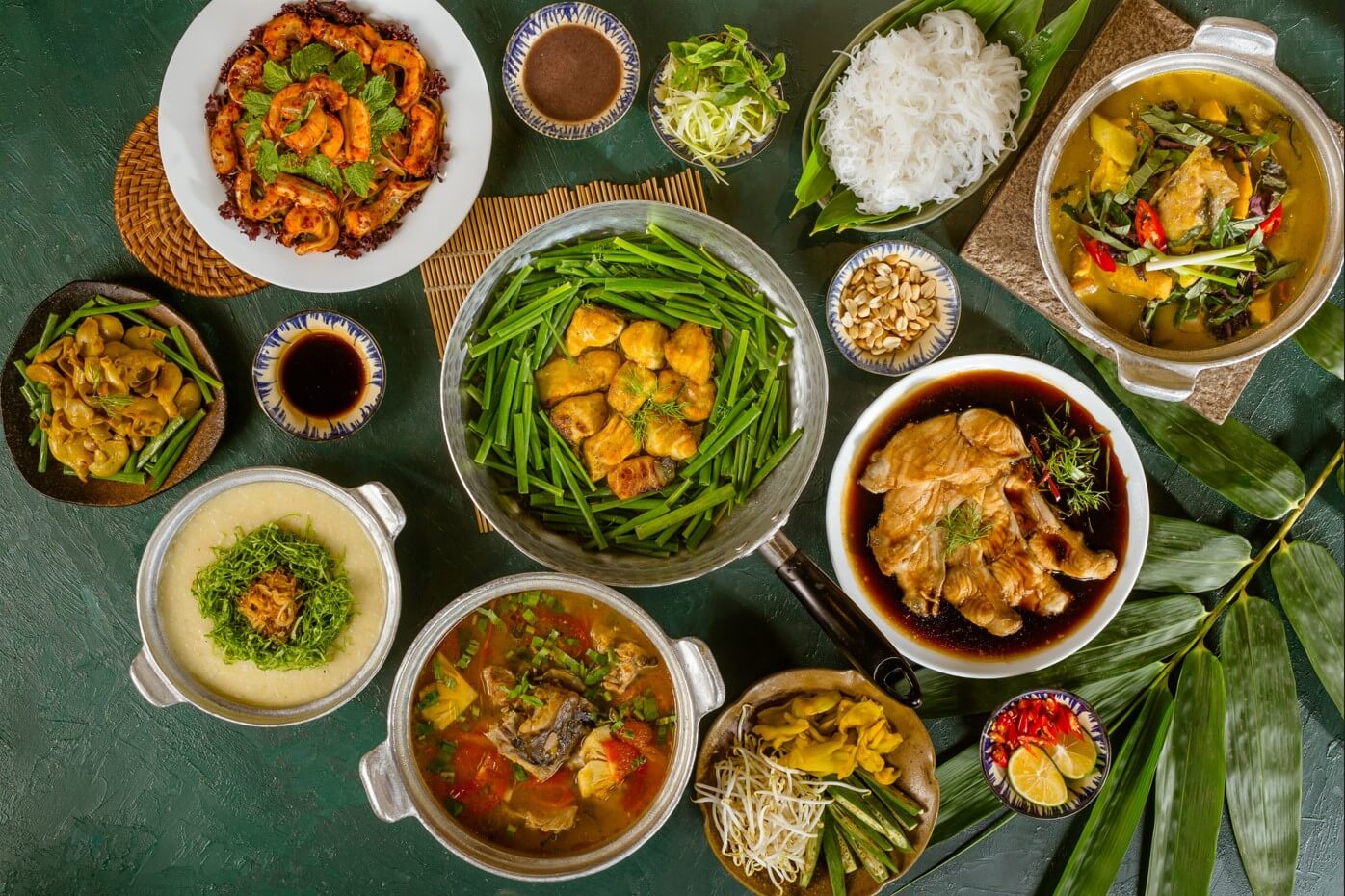
Chả cá Lã Vọng is one of the most iconic traditional dishes in Hanoi, and today it is served in many well-known restaurants across the city, ranging from historic establishments in the Old Quarter to modern chain restaurants in newer districts. This development shows how the dish has evolved from a local specialty into a widely recognized culinary brand.
| Restaurant | Address | Area | Note |
| Chả Cá Thăng Long | 17A Phố Chả Cá, Hoàn Kiếm | Old Quarter | One of the most famous traditional-style chả cá restaurants |
| Vua Chả Cá 269 Giảng Võ | 269 Giảng Võ, Đống Đa | Central Hanoi | Large chain, modern restaurant style |
| Vua Chả Cá Trần Thái Tông | Trần Thái Tông Street, Cầu Giấy | West Hanoi | Popular branch with consistent quality |
| Chả Cá Anh Vũ Vũ Trọng Khánh | 80 Vũ Trọng Khánh, Hà Đông | Western suburb | Well-known chain branch |
| Chả Cá Anh Vũ Giảng Võ | 120K1 Giảng Võ, Đống Đa | Central Hanoi | Busy restaurant, modern setup |
| Chả Cá Lã Vọng Mỹ Đình | 62 Nguyễn Hoàng, Mỹ Đình | North Hanoi | Smaller local branch style |
Among the most famous places is Cha Ca Thang Long, located on Cha Ca Street in the Old Quarter, which is known for preserving a traditional cooking style and authentic flavor. In contrast, modern restaurant chains such as Vua Chả Cá and Anh Vũ offer a more spacious dining environment, standardized service, and consistent taste, making the dish more accessible to both locals and tourists.
Overall, the system of chả cá restaurants in Hanoi reflects a balance between tradition and modernization. While heritage-style restaurants focus on authenticity and cultural preservation, modern chains emphasize convenience and scalability, helping this signature dish remain a strong symbol of Hanoi’s culinary identity.
Tips for First-Time Diners
For first-time diners, experiencing Cha Ca La Vong like a local starts with understanding how the dish is traditionally served. The grilled fish is usually presented in a small pan sizzling over a charcoal flame, accompanied by fresh herbs, crushed peanuts, and dipping sauces, while rice noodles or vermicelli are served separately for mixing at the table.
To enjoy the dish authentically, combine the fish with herbs and noodles in each bite, adjusting the amount of dipping sauce to your taste. This allows you to experience the perfect balance of savory, aromatic, and slightly smoky flavors that define Cha Ca La Vong.
First-time diners can also expect a multi-sensory experience, from the sizzling sound of the fish on the grill to the rich aroma of turmeric and dill, and the variety of textures from tender fish, crunchy peanuts, and crisp herbs. Whether sitting at a street-side stall or in a family-run restaurant, the meal offers a glimpse into Hanoi’s culinary culture, where patience, precision, and attention to flavor transform a simple dish into a memorable gastronomic experience.
Conclusion
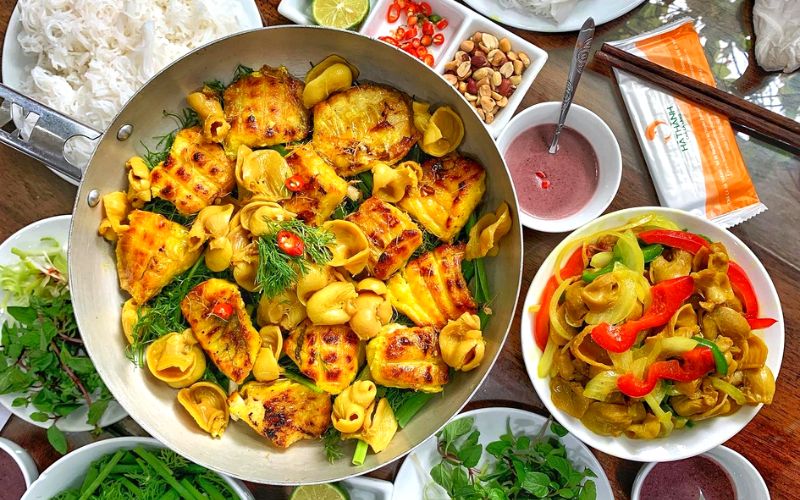
As a cornerstone of Hanoi famous foods, Cha Ca La Vong continues to delight taste buds while preserving its cultural significance. From the aromatic grilled fish to the vibrant herbs and thoughtful accompaniments, each serving reflects Hanoi’s dedication to culinary excellence and tradition. Whether enjoyed at a historic family-run restaurant or a bustling street-side stall, this dish offers a memorable and authentic taste of Hanoi that every traveler should experience.
BeDental – A Leading Dental Clinic for International Travelers in Vietnam
BeDental offers high-quality dental services for international travelers visiting Vietnam, combining modern technology with experienced dentists. Our services include general and cosmetic dentistry, dental implants, teeth whitening, and smile makeovers, all performed to international standards.
Designed for tourists, BeDental provides flexible appointments, English-speaking staff, and personalized treatment plans that fit travel schedules. With competitive pricing and convenient locations, BeDental allows visitors to improve their smile while enjoying their trip to Vietnam.