


 Tiếng Việt
 한국어
한국어 日本語
日本語 中文 (中国)


Porcelain crown imaging plays a critical role in ensuring the accuracy, safety, and long-term success of porcelain crown treatments in Vietnam. Dental imaging allows dentists to evaluate tooth structure, root condition, surrounding bone, and bite alignment before designing and placing porcelain crowns. According to clinical guidelines recognized by the American Dental Association and the World Dental Federation, proper dental imaging is an essential step in crown diagnosis, treatment planning, and post-treatment evaluation.
In Vietnam, advancements in digital imaging technology have significantly improved the quality and predictability of porcelain crown treatments. At BeDental, modern imaging systems are fully integrated into the treatment process to ensure precise diagnosis, accurate crown design, and optimal patient outcomes.
About BeDental – International-Standard Dental Care in Vietnam
BeDental is a modern dental system in Vietnam specializing in restorative, cosmetic, and preventive dentistry that follows international clinical standards. The clinic places strong emphasis on diagnostic accuracy, conservative treatment planning, and long-term oral health outcomes.
BeDental invests in advanced dental imaging technologies, including digital X-ray systems and 3D imaging tools, allowing dentists to thoroughly assess tooth and bone conditions before recommending porcelain crowns. The dental team consists of experienced prosthodontists and restorative dentists trained to interpret imaging results accurately and translate them into precise, patient-specific treatment plans.
With strict sterilization protocols, transparent consultation, and comprehensive aftercare, BeDental has become a trusted choice for porcelain crown treatment and imaging in Vietnam.
What Is Porcelain Crown Imaging?
Porcelain crown imaging refers to the use of dental imaging technologies to evaluate teeth and oral structures before, during, and after porcelain crown treatment. Imaging helps dentists determine whether a tooth is suitable for a crown and identify any underlying issues that must be addressed beforehand.
Dental associations emphasize that accurate imaging is essential to:
What Is Porcelain Crown Imaging?
Porcelain crown imaging refers to the use of advanced dental imaging technologies—such as Digital X-rays, 3D Cone Beam Computed Tomography (CBCT), and Intraoral Scanners—to evaluate teeth and oral structures. This process occurs across three stages: before to diagnose, during to design, and after to verify the treatment.
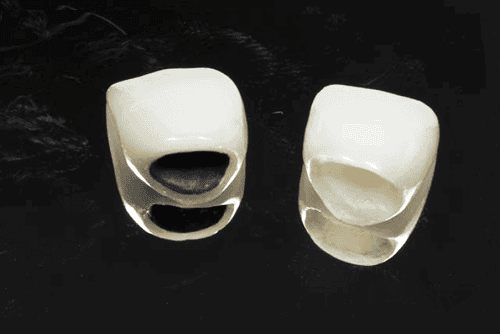
Accurate imaging helps dentists determine whether a tooth has enough healthy structure to support a crown and identifies hidden biological risks that could cause the treatment to fail later.
Detect hidden decay or cracks
While a dentist can see a cavity on the surface during a physical exam, decay often hides between teeth or underneath old fillings where it is invisible to the naked eye. High-resolution imaging reveals the exact depth of a cavity and detects microscopic “stress fractures” in the tooth. Identifying these early ensures the dentist doesn’t place a crown over a foundation that is already crumbling.
Assess root and pulp health
A crown only lasts as long as the root supporting it. Imaging allows the dentist to inspect the dental pulp (the nerve and blood supply) and the root canals. If there is an abscess or inflammation at the tip of the root, it must be treated—often with a root canal—before the crown is placed. Without this step, a patient might experience intense pain shortly after their expensive new crown is bonded.
>> See more: Tooth Preparation Pain for Crowns in Vietnam: What to Expect and How to Stay Comfortable
Evaluate bone support around the tooth
The longevity of a porcelain crown depends on the stability of the surrounding jawbone. Imaging helps the dentist assess the bone density and the height of the alveolar bone. If there is significant bone loss due to periodontal disease, the tooth may be too “wobbly” to support a crown, and the dentist might recommend alternative treatments like bone grafting or implants first.
Analyze bite alignment and occlusion
A common reason for crown failure is “occlusal trauma,” where the new crown hits the opposing teeth too hard. Advanced digital imaging and 3D bite mapping allow dentists to analyze how your upper and lower jaws interact. This ensures the porcelain crown is designed with a shape that harmonizes with your natural chewing pattern, preventing jaw pain (TMJ) and premature wear.
Ensure proper crown fit and longevity
The most critical part of a crown is the “margin”—the tiny area where the porcelain meets your natural tooth. If there is even a microscopic gap, bacteria will enter and cause the tooth to rot from the inside out. Digital imaging and 3D intraoral scans provide a level of accuracy that traditional “putty” molds cannot match, ensuring a vacuum-tight fit that protects the tooth for decades.
Common Types of Imaging Used for Porcelain Crowns in Vietnam
1. Digital Dental X-Rays
Digital X-rays provide detailed images of tooth roots and surrounding bone with reduced radiation exposure. They help identify decay beneath existing restorations and assess tooth stability.
2. 3D Cone Beam Imaging
3D imaging allows dentists to view teeth and jaw structures from multiple angles, offering a comprehensive assessment for complex cases or crowns placed near critical anatomical structures.
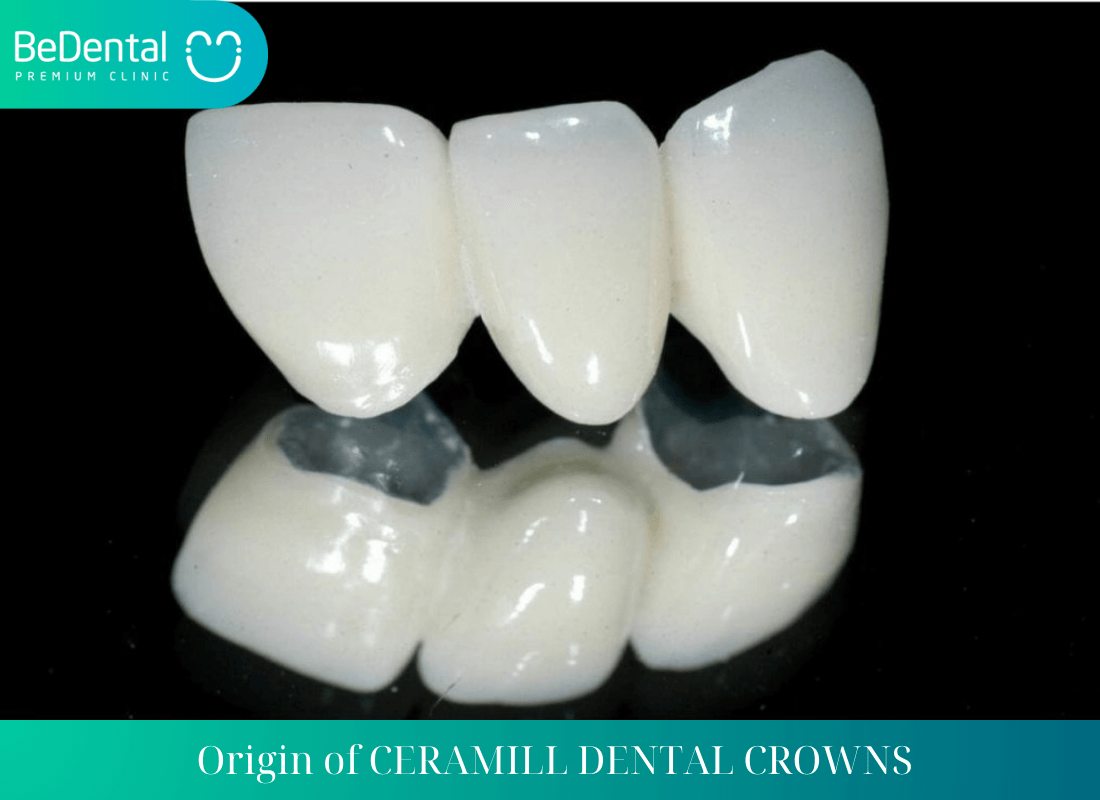
3. Intraoral Scanning
Intraoral scanners create precise digital impressions of teeth, eliminating the need for traditional molds and improving crown accuracy and comfort.
According to dental associations, digital imaging significantly enhances diagnostic precision and treatment predictability.
Comparison of Dental Imaging Technologies
| Imaging Technology | Main Purpose | Radiation Level | Best For |
| Digital X-Ray | Detect decay and root issues | Low | Routine crown assessment |
| CBCT (3D Imaging) | Analyze bone and complex anatomy | Moderate | Complex restorative cases |
| Intraoral Scanner | Create digital crown impressions | None | Crown design and fit accuracy |
Why Porcelain Crown Imaging Is Important
1. Accurate Diagnosis
Imaging ensures that underlying problems such as decay, infection, or cracks are detected before crown placement.
2. Improved Crown Fit
Digital imaging and scanning allow crowns to be designed with precise margins, reducing the risk of leakage or discomfort.
3. Enhanced Safety
Imaging helps dentists avoid complications by clearly visualizing roots, nerves, and bone structures.
4. Long-Term Success
Dental associations emphasize that proper imaging reduces crown failure rates and increases restoration longevity.
Benefits of Advanced Dental Imaging
| Benefit | Clinical Impact |
| Early problem detection | Prevents hidden complications |
| Better treatment planning | Improves crown accuracy |
| Reduced treatment errors | Minimizes adjustment needs |
| Improved long-term success | Enhances crown durability |
| Safer procedures | Helps avoid nerve and bone complications |
Porcelain Crown Imaging Process at BeDental
At BeDental, porcelain crown imaging is integrated into every stage of treatment:
Initial assessment using digital X-rays or 3D imaging
Detailed evaluation of tooth structure and surrounding tissues
Digital scanning for crown design and bite analysis
Post-placement imaging to confirm proper fit and alignment
This comprehensive approach ensures safe, predictable, and high-quality outcomes.
Is Dental Imaging Safe?
Yes. According to international dental associations, modern digital imaging systems use low radiation doses and are considered safe when used appropriately. Dentists follow strict protocols to minimize exposure while obtaining necessary diagnostic information.
>> See more: Reducing Protruding Front Teeth in Vietnam: Safe, Natural, and Beautiful Results
BeDental uses modern equipment that complies with international safety standards and only performs imaging when clinically justified.
Why Choose BeDental for Porcelain Crown Imaging in Vietnam?
1. Advanced Diagnostic Technology
We invest in the latest global dental innovations to provide a level of detail that traditional methods simply cannot reach. By utilizing Sirona 3D Cone Beam CT (CBCT) and high-definition Intraoral Scanners, we can visualize your teeth, roots, and jawbone in three dimensions. This technology allows us to see “slices” of your dental anatomy, ensuring that even the smallest hidden infection or structural weakness is identified with 100% accuracy before treatment begins.
2. Experienced Dental Professionals
The most advanced imaging is only as good as the expert interpreting it. Our specialists at BeDental have undergone extensive training in Radiographic Interpretation. They don’t just look at the pictures; they analyze the density of the bone, the path of the nerves, and the health of the periodontal ligament. This deep analysis ensures that your treatment plan is biologically sound and tailored to your specific anatomical needs.
3. International Clinical Standards
We strictly adhere to the imaging protocols and safety standards set by world-leading organizations like the American Dental Association (ADA) and the FDI World Dental Federation. This includes using “ALARA” (As Low As Reasonably Achievable) radiation safety protocols, ensuring that our digital X-rays provide maximum diagnostic value with minimal exposure for our patients.
4. Conservative Treatment Planning
Our goal is to save as much of your natural tooth as possible. Advanced imaging allows us to see exactly where the decay ends and healthy tooth begins. Instead of “guessing” and potentially over-drilling, we use digital maps to guide our work with microscopic precision. This conservative approach keeps your natural tooth stronger and ensures that the porcelain crown has the best possible support.
5. Transparent Consultation
At BeDental, we believe in the “informed patient” model. During your consultation, we don’t just tell you that you need a crown; we show you why. We project your high-definition 3D scans onto a large screen so you can see the cracks, decay, or misalignment for yourself. We provide a clear, step-by-step explanation of the imaging results, material choices, and costs, ensuring you feel completely confident in your dental decisions.
Who Needs Porcelain Crown Imaging?
You may require imaging if you:
Are planning to receive porcelain crowns
If you are considering crowns for the first time, imaging is the most important preparatory step. It allows the dentist to measure the exact thickness of your enamel and the health of the underlying dentin. By using 3D scans, the dentist can create a “blueprint” of your mouth, ensuring that the final crown will not only look beautiful but will also be perfectly sized to fit your bite and jaw structure.
Have an existing crown that needs replacement
Crowns do not last forever, and when they fail, they often do so in ways that are invisible to the naked eye. If your crown is over 10 years old, imaging is used to check the “marginal integrity”—the seal where the crown meets the tooth. Imaging can detect if the cement is washing out or if bacteria have begun to seep underneath, allowing for a proactive replacement before the tooth becomes unsalvageable.
Experience pain or discomfort under a crown
Pain under a crown is a significant warning sign that usually requires immediate imaging. Because the porcelain “cap” hides the tooth, a dentist cannot see if there is a new cavity or a root infection without X-rays or 3D scans. Imaging helps distinguish between a simple bite adjustment issue and a more serious problem, such as a vertical root fracture or a periapical abscess (infection at the root tip).
.jpeg "Porcelain Crown Imaging in Vietnam – Accuracy, Safety, and Modern Dental Standards 5")
Have a history of root canal treatment
Teeth that have had root canals are more brittle and prone to “silent” fractures. If you are placing a crown on a root-filled tooth, imaging is essential to verify that the previous root canal is still successful and that there is no lingering inflammation in the bone. This “pre-flight check” ensures that you aren’t placing an expensive porcelain crown on a tooth that might need a retreatment or extraction soon.
Need complex restorative or cosmetic dental work
For patients undergoing a “full mouth reconstruction” or a smile makeover involving multiple crowns, imaging is used to analyze the entire occlusal plane (how the top and bottom teeth bite together). This ensures that the new crowns don’t cause jaw joint pain (TMJ) or muscle fatigue. In these complex cases, digital imaging allows for “virtual wax-ups,” where you can see your final result digitally before the work even begins.
Professional dental imaging is essential to determine the safest and most effective treatment approach.
FAQ – Porcelain Crown Imaging in Vietnam
1. Is imaging required before getting a porcelain crown?
Yes. Dental associations recommend imaging to assess tooth and bone health before crown placement.
2. Does dental imaging hurt?
No. Imaging procedures are painless and non-invasive.
3. How long does porcelain crown imaging take?
Most imaging procedures take only a few minutes.
4. Is dental imaging safe?
Yes. Modern digital imaging uses low radiation and follows strict safety guidelines.
5. Can imaging detect problems under an existing crown?
Yes. Imaging can reveal decay, infection, or structural issues beneath crowns.
6. Do I need 3D imaging for every porcelain crown?
Not always. The type of imaging depends on the complexity of the case.
7. Will imaging increase treatment cost?
Imaging is a necessary diagnostic step that helps prevent complications and additional costs later.
8. Why choose BeDental for porcelain crown imaging in Vietnam?
BeDental combines advanced imaging technology, experienced dentists, and adherence to international dental standards to ensure accurate diagnosis and safe porcelain crown treatment.

Tư vấn chuyên môn bài viết:
BÁC SĨ DƯƠNG THỊ THÙY NGA