

 Tiếng Việt
 한국어
한국어 日本語
日本語 中文 (中国)


Mekong Delta Trip Itinerary: The Mekong Delta is one of the most fascinating and culturally rich regions in southern Vietnam, offering travelers a completely different perspective from the country’s bustling cities. Known for its vast network of rivers, floating markets, and lush tropical landscapes, the delta is often referred to as the “rice bowl” of Vietnam. Just a short journey from Ho Chi Minh City, it provides an ideal escape into a slower, more traditional way of life.
Whether you’re gliding through narrow canals, tasting fresh tropical fruits in local orchards, or witnessing the vibrant trade at floating markets, a Mekong Delta trip is all about immersive experiences. This guide will help you understand what to expect and how to plan your itinerary effectively—from choosing the best time to visit and how to get there, to selecting the right accommodation and making the most of your journey.
1. Where is the Mekong Delta? Mekong Delta Trip Itinerary:
The Mekong Delta is located in southern Vietnam, just a few hours’ drive from Ho Chi Minh City, making it one of the most accessible and popular getaway destinations in the region. This vast network of rivers, canals, and fertile lands is shaped by the mighty Mekong River as it flows into the sea, creating a unique landscape often referred to as Vietnam’s “rice bowl.” Among its key destinations,
- Can Tho stands out as the main tourism hub, famous for its lively floating markets and modern riverside atmosphere.
- Ben Tre, known as the “coconut land,” offers a more tranquil experience with lush orchards and traditional village life,
- while My Tho serves as the gateway to the delta, often being the first stop for visitors exploring the region.
Beyond its scenic beauty, the Mekong River system plays a vital role in supporting agriculture, transportation, and daily life, making the delta not only a travel destination but also an essential economic and cultural heartland of southern Vietnam. Stretching across multiple provinces, the Mekong Delta is a dynamic region where water defines nearly every aspect of life. Locals rely heavily on boats for transportation, trade, and even daily routines, creating a lifestyle that is deeply connected to the river. The intricate canal system allows visitors to explore hidden corners of the countryside, from peaceful coconut groves to bustling riverside towns.
In addition to rice cultivation, the region is also one of Vietnam’s largest producers of tropical fruits and seafood, contributing significantly to the country’s food supply and export economy. This combination of natural abundance, cultural richness, and distinctive river-based living makes the Mekong Delta a truly unique destination that offers far more than just scenic views—it provides an authentic glimpse into the rhythms of life in southern Vietnam.
2. What to Expect on a Mekong Delta Trip
A Mekong Delta Trip offers a rich mix of cultural immersion, natural beauty, and authentic local experiences that revolve around water-based living. From vibrant floating markets to peaceful countryside canals, every activity gives you a deeper understanding of life in southern Vietnam.
Floating Markets Experience- Mekong Delta Trip
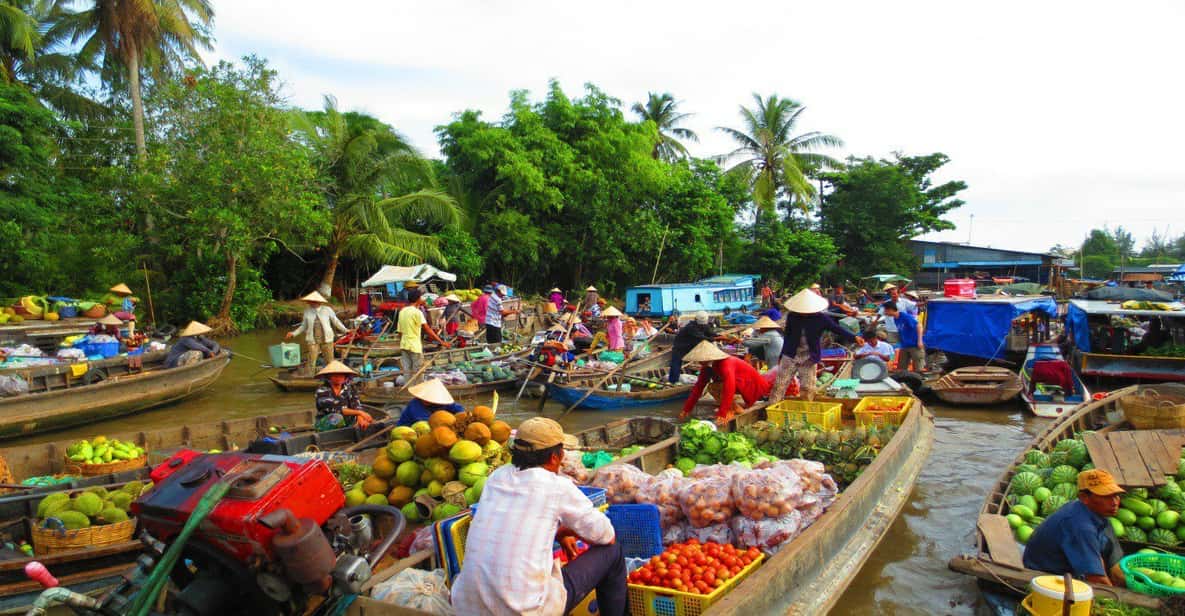
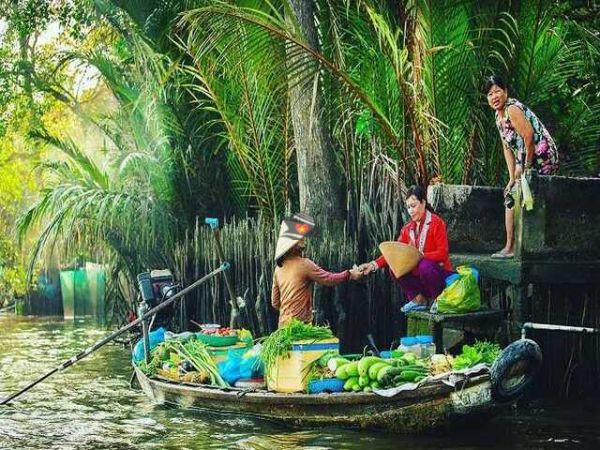
One of the most iconic highlights is visiting the Cai Rang Floating Market, located about 6 km from the center of Can Tho. Typically active from 5:00 AM to 9:00 AM, this market is best reached by boat from Ninh Kieu Wharf. Here, dozens of boats gather to trade fruits, vegetables, and local goods directly on the river. Each boat displays what it sells on a tall pole, creating a colorful and lively scene that reflects the unique river trading culture of the delta.
Boat Tours & Canal Exploration
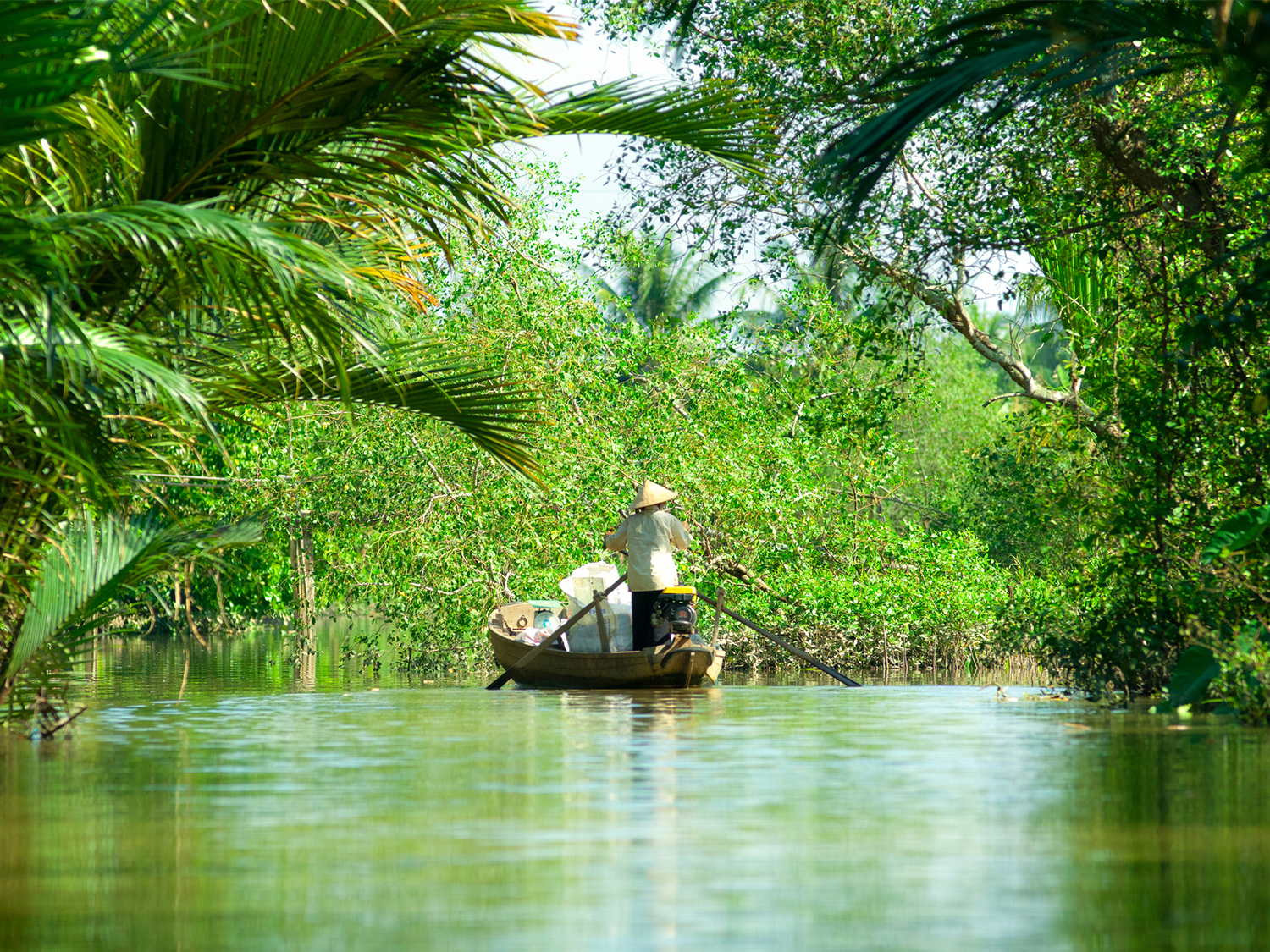
Beyond the main rivers, visitors can take small rowing boats through narrow canals lined with lush greenery. Popular areas for this experience include coconut groves in Ben Tre, especially around villages like Nhon Thanh and Phu Nhuan. These shaded waterways, often covered by water coconut trees, offer a peaceful contrast to the busy floating markets and allow travelers to fully appreciate the quiet charm of the countryside.
Local Food & Tropical Fruits- Mekong Delta Trip
Food is an essential part of any Mekong Delta journey. Visitors can enjoy regional specialties such as grilled snakehead fish, fresh rice noodle soups, and a wide variety of tropical fruits like mango, rambutan, and durian. In areas like My Tho and Ben Tre, many tours include stops at local orchards where you can taste fruit straight from the garden. Dining is often arranged at riverside homes or garden restaurants, giving travelers a chance to share meals with local families and experience genuine southern hospitality.
Village Life & Culture- Mekong Delta Trip
The Mekong Delta is also known for its traditional craft villages, where visitors can observe how local products are made, from coconut candy in Ben Tre to rice paper and handicrafts in smaller communities. Cultural experiences often include live performances of Đờn ca tài tử, a traditional form of southern Vietnamese folk music recognized by UNESCO. These performances are commonly organized in garden settings, offering a relaxing atmosphere that perfectly complements the slow-paced lifestyle of the region.
3. Best Time to Visit the Mekong Delta
The Mekong Delta can be visited year-round, but your experience will vary depending on the season. Understanding the climate patterns in southern Vietnam will help you choose the best time based on your travel preferences.
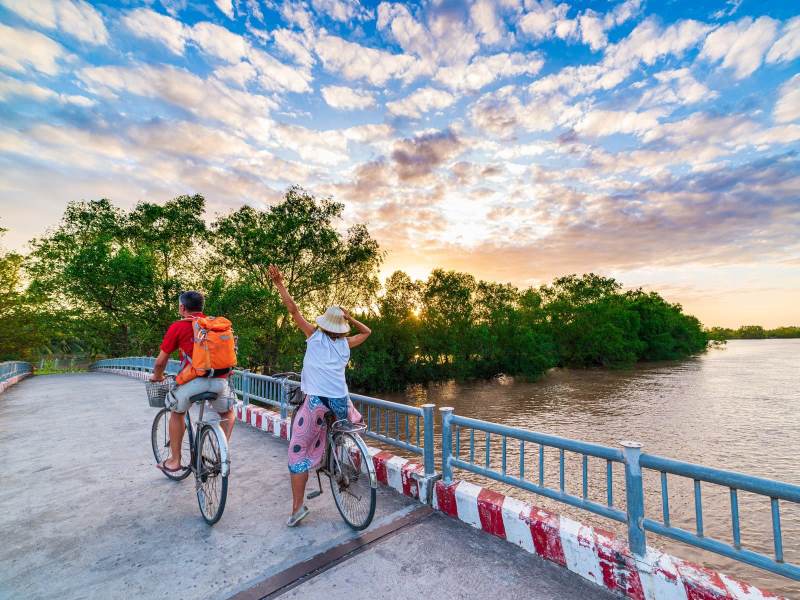
The dry season (December to April) is considered the most convenient time to visit. During these months, the weather is relatively sunny with lower humidity and minimal rainfall, making it ideal for boat trips, cycling through villages, and exploring floating markets like Cai Rang Floating Market. Roads are easier to navigate, and travel schedules are less likely to be disrupted. This is also peak tourist season, so popular destinations such as Can Tho may be busier than usual.
In contrast, the flood season (August to November)—also known as the “high water season”—offers a completely different and more authentic perspective of the delta. As the Mekong River rises, the landscape transforms into a vast water world, with flooded rice fields and expanded canals. This is one of the best times to witness the region’s natural abundance, especially in rural areas where fishing and harvesting aquatic products become part of daily life. The scenery is lush and vibrant, and fewer tourists mean a more peaceful experience.
For those traveling in the shoulder months (May to July), expect occasional tropical rains, usually in short bursts rather than all-day downpours. While the humidity can be higher, this period brings fresh greenery and fewer crowds, making it a good balance between comfort and authenticity. Regardless of when you visit, it’s recommended to start your day early to avoid midday heat, wear light breathable clothing, and always carry sun protection and rain gear.
4. How to Get There- Mekong Delta Trip
Getting to the Mekong Delta is relatively easy, with most travelers starting their journey from Ho Chi Minh City, the largest transportation hub in southern Vietnam. Depending on your budget, time, and travel style, there are several convenient options to reach the delta.
One of the most popular and budget-friendly ways is by bus. Numerous bus companies operate daily routes from Ho Chi Minh City to key destinations such as Can Tho, My Tho, and Ben Tre. Buses are generally comfortable, with options ranging from standard seats to sleeper coaches. Travel time is around 1.5–2 hours to My Tho, 2–2.5 hours to Ben Tre, and approximately 3–4 hours to Can Tho, depending on traffic conditions.
For a more convenient and guided experience, many visitors choose organized tours departing from Ho Chi Minh City. These tours often include transportation, boat rides, meals, and an English-speaking guide, making them ideal for first-time travelers. Day trips usually focus on My Tho and Ben Tre, while multi-day tours extend to Can Tho and include visits to floating markets.
Alternatively, traveling by private car offers the most flexibility and comfort, especially for families or small groups. You can customize your itinerary, stop at local attractions along the way, and explore less touristy areas at your own pace. Ride-hailing services and private transfers are widely available, and the road infrastructure connecting Ho Chi Minh City to the Mekong Delta has improved significantly in recent years.
Overall, thanks to its proximity and well-developed transport options, reaching the Mekong Delta is straightforward, allowing you to easily plan anything from a quick day trip to a deeper multi-day exploration.
5. Accommodation Options
Hotels in Can Tho- Mekong Delta Trip
As the main tourism hub of the Mekong Delta, Can Tho offers the widest range of accommodation, especially around Ninh Kieu Wharf in Ninh Kiều District, which is considered the most convenient area for visitors. Staying here gives you easy access to boat tours, restaurants, and nightlife, while areas like Cai Rang District provide a quieter atmosphere closer to the floating markets. Prices typically range from $15–30 per night for budget hotels, $30–70 for mid-range options, and $70–150+ for boutique or riverside stays. This makes Can Tho an ideal base if you prioritize comfort, accessibility, and organized tours.
| Type | Price Range | Location | Experience |
| Budget | $12–30 | Can Tho city, basic homestays | Simple, clean, short stays |
| Mid-range | $30–80 | Can Tho / Ben Tre | Comfort + local experiences |
| Boutique / Eco-luxury | $80–200+ | Remote riverside areas | Scenic, unique, high-end |
Homestays in Ben Tre- Mekong Delta Trip
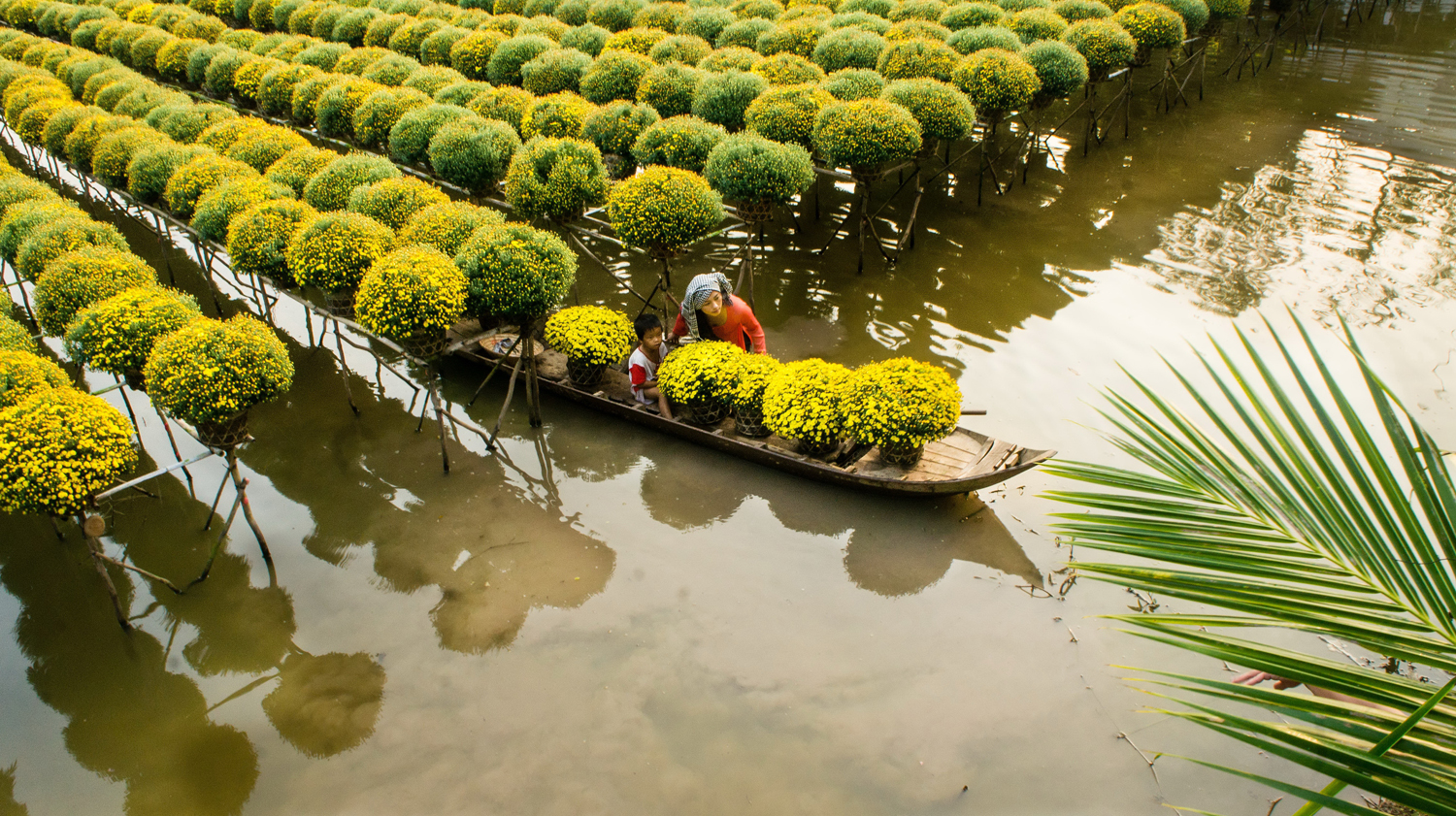
Homestays in Ben Tre are perfect for travelers looking for a more authentic and peaceful experience. Commonly located in areas such as Chau Thanh District, Nhon Thanh, or Quoi Son islet, these stays are surrounded by coconut groves and small canals, offering a true countryside atmosphere. Prices are quite affordable, ranging from $12–25 per person per night for basic homestays to $20–45 per room for more comfortable private options. Many homestays include home-cooked meals, bike rentals, and boat trips, allowing guests to fully immerse themselves in local life and culture.
Eco-Lodges in Remote Areas
For those seeking tranquility and nature, eco-lodges are scattered across more remote parts of the Mekong Delta, including rural areas of Vinh Long, outskirts of Can Tho, and deeper regions of Ben Tre. These accommodations are often set along rivers or canals and built with natural materials to blend into the environment. Prices usually range from $40–80 per night for mid-range eco-lodges to $80–200+ for boutique eco-luxury resorts. Guests can expect curated experiences such as cycling tours, cooking classes, and guided boat excursions, making these stays ideal for relaxation and deeper exploration.
Budget vs Mid-Range vs Boutique Stays
Overall, accommodation in the Mekong Delta caters to a wide range of budgets and travel styles. Budget options ($12–30) are mostly found in Can Tho and basic homestays, offering simple yet comfortable stays. Mid-range accommodations ($30–80) provide a balance of comfort and local experiences, often including better amenities and services. Meanwhile, boutique and eco-luxury stays ($80–200+) focus on unique design, scenic locations, and personalized experiences. Choosing the right type depends on whether you value convenience, cultural immersion, or a peaceful retreat in nature.
6. Travel Tips for the Mekong Delta
Traveling through the Mekong Delta can be an incredibly rewarding experience, but a few practical tips will help you make the most of your journey while staying comfortable and respectful in southern Vietnam.
Visit Floating Markets Early in the Morning- Mekong Delta Trip
Floating markets such as Cai Rang Floating Market are most active at sunrise, typically between 5:00 AM and 8:00 AM. Arriving early not only allows you to see the market at its busiest but also helps you avoid the intense midday heat. Early mornings also offer softer light, making it a great time for photography.
Bring Sun Protection and Insect Repellent
The Mekong Delta has a tropical climate, meaning strong sun and high humidity throughout the year. It’s important to bring sunscreen, sunglasses, a hat, and light breathable clothing. In addition, mosquito repellent is essential, especially when visiting rural areas, canals, or staying overnight in homestays surrounded by greenery.
Carry Cash- Mekong Delta Trip
While larger cities like Can Tho have ATMs and accept card payments in some hotels and restaurants, many smaller vendors, local markets, and boat services operate on a cash-only basis. It’s recommended to carry small denominations of Vietnamese Dong for convenience when buying food, fruits, or souvenirs.
Respect Local Customs
The Mekong Delta is known for its warm and welcoming people, and respecting local customs will enhance your experience. Dress modestly when visiting rural communities or religious sites, ask for permission before taking photos of locals, and be polite when interacting with vendors. Simple gestures like smiling and greeting people can go a long way in building positive connections during your trip.
Conclusion
A Mekong Delta Trip is more than just a sightseeing experience—it’s a journey into the heart of rural life in southern Vietnam. With its unique river-based culture, friendly locals, and diverse landscapes, the delta offers something for every type of traveler, whether you’re seeking relaxation, cultural discovery, or authentic local encounters.
By planning your itinerary carefully—choosing the right season, transportation, and accommodation—you can tailor your experience to match your travel style. From a quick day trip to a deeper multi-day exploration, the Mekong Delta promises unforgettable memories and a deeper appreciation of Vietnam’s natural beauty and cultural heritage.
BeDental – A Leading Dental Clinic for International Travelers in Vietnam
BeDental offers high-quality dental services for international travelers visiting Vietnam, combining modern technology with experienced dentists. Our services include general and cosmetic dentistry, dental implants, teeth whitening, and smile makeovers, all performed to international standards.
Designed for tourists, BeDental provides flexible appointments, English-speaking staff, and personalized treatment plans that fit travel schedules. With competitive pricing and convenient locations, BeDental allows visitors to improve their smile while enjoying their trip to Vietnam.