


 Tiếng Việt
 한국어
한국어 日本語
日本語 中文 (中国)


Common Foods in Vietnam: Vietnamese cuisine is often celebrated through its famous dishes, but the true essence of the culture lies in its everyday food. From simple rice meals and quick noodle dishes to vibrant street food and home-cooked family dinners, daily Vietnamese cuisine reflects practicality, balance, and deep cultural roots. These are the meals that people eat every day—affordable, accessible, and thoughtfully prepared to suit both lifestyle and climate. Exploring common foods in Vietnam offers a more authentic understanding of how locals live, eat, and connect through food beyond the well-known culinary highlights.
1. Rice-Based Daily Staples (Cơm & Rice Dishes)- Common Foods in Vietnam
Rice is at the heart of everyday Vietnamese meals, with cơm trắng (steamed rice) serving as the essential foundation on nearly every dining table. Simple yet versatile, steamed rice is typically paired with a variety of dishes that create a balanced and satisfying meal. In daily life, many locals rely on cơm bình dân (common foods in Vietnam)—affordable rice meals sold at small eateries—where diners can quickly choose from a selection of ready-made dishes.
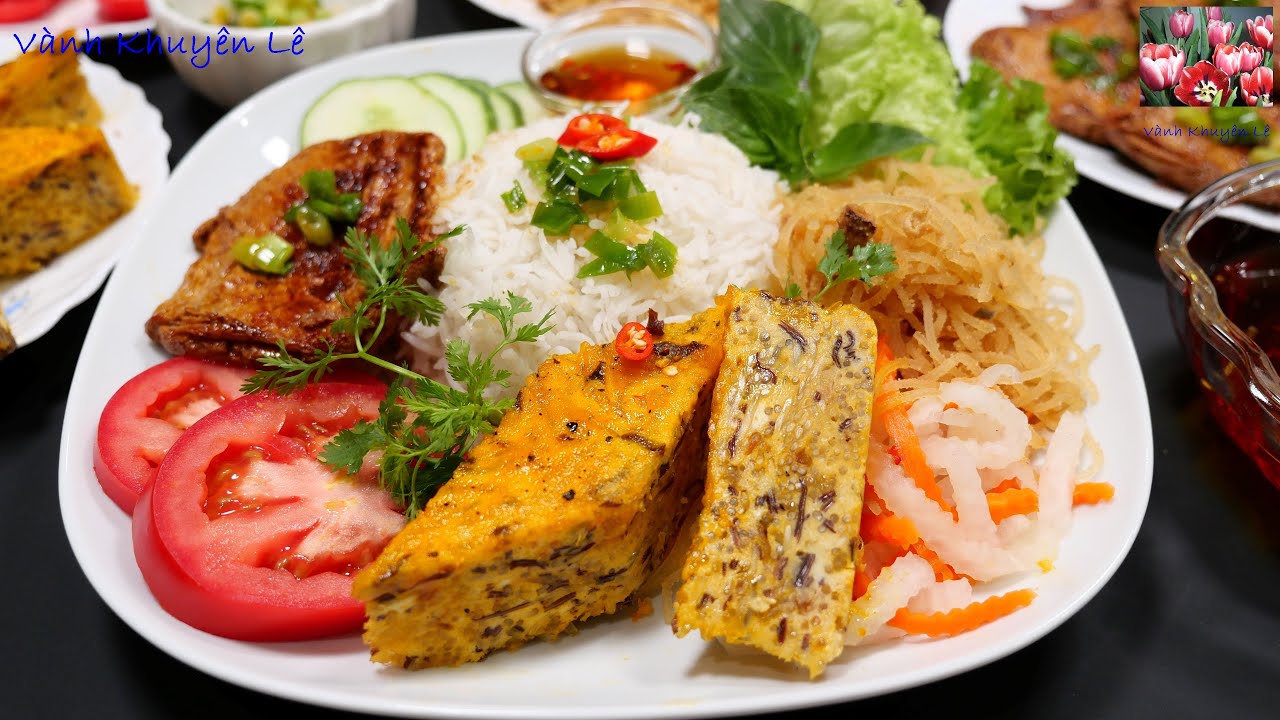
A typical Vietnamese rice meal includes a combination of protein, vegetables, and a light soup, reflecting the country’s emphasis on nutritional balance and harmony of flavors. Popular choices often feature comforting, home-style dishes such as cơm thịt kho (braised pork with eggs), known for its rich and slightly sweet flavor; cơm cá kho (braised fish), offering a savory and caramelized taste; and cơm rau luộc (boiled vegetables served with dipping sauce), which adds freshness and simplicity to the meal. Together, these dishes showcase how everyday Vietnamese cuisine transforms humble ingredients into wholesome, flavorful experiences.
2. Everyday Noodle Dishes (Bún, Mì, Hủ Tiếu)
Noodles play an essential role in everyday Vietnamese cuisine, especially as quick, convenient meals that fit into busy daily routines. From street stalls to small local eateries, dishes made with bún (rice vermicelli), mì (egg noodles), and hủ tiếu are widely available and enjoyed at any time of the day. Their versatility allows for both light and filling options, making them a popular choice for breakfast, lunch, or even late-night meals.
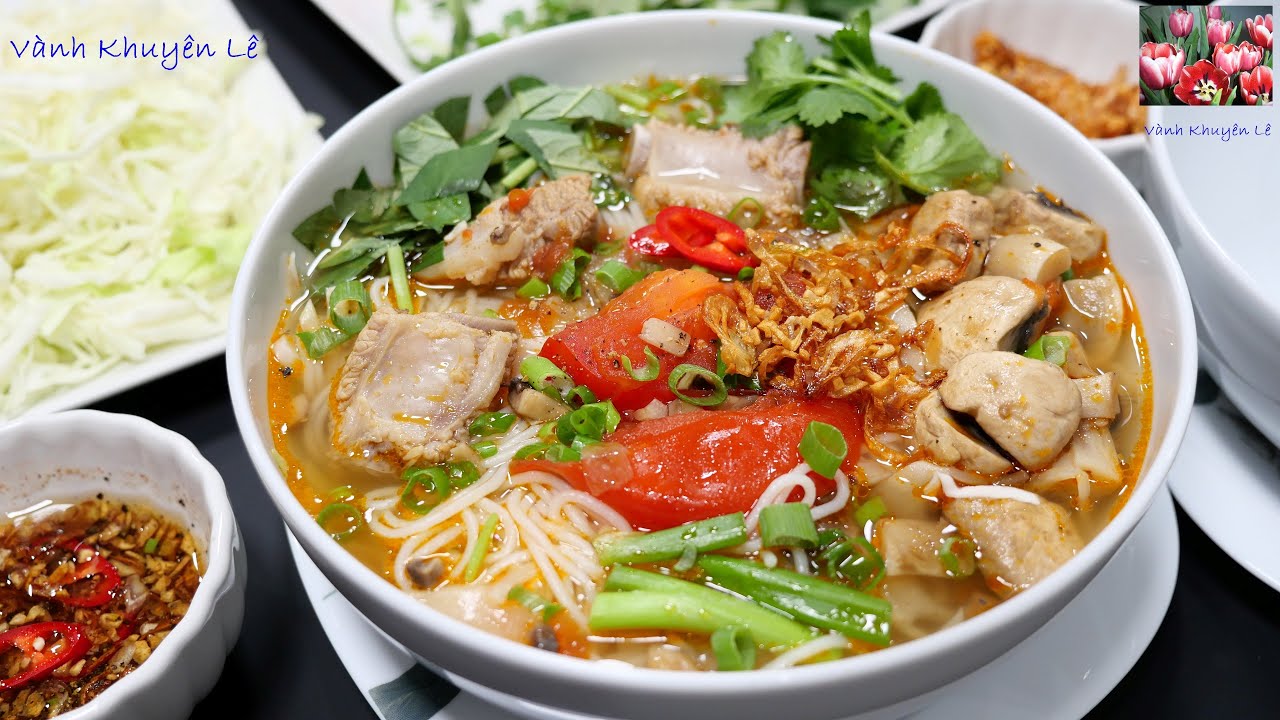
Some of the most common dishes (common foods in Vietnam) include bún thịt nướng (grilled pork served with vermicelli, fresh herbs, and fish sauce), known for its balance of smoky, sweet, and fresh flavors; bún chả, a Hanoi specialty featuring grilled pork served separately with dipping sauce and noodles; hủ tiếu, a Southern-style noodle soup with a subtly sweet and clear broth; and mì xào, stir-fried noodles combined with vegetables and meat for a richer, more savory option.
| Dish Name (Vietnamese) | English Description | Main Ingredients | Flavor Profile | Region | Unique Feature |
| Bún thịt nướng | Grilled pork with vermicelli | Grilled pork, vermicelli, herbs, peanuts, fish sauce | Sweet, smoky, fresh | Southern Vietnam | Balanced mix of grilled meat and fresh herbs |
| Bún chả | Grilled pork with dipping sauce & noodles | Grilled pork patties, broth, vermicelli, herbs | Savory, slightly sweet, tangy | Northern Vietnam (Hanoi) | Noodles served separately with dipping broth |
| Bún bò Huế | Spicy beef noodle soup | Beef, pork, lemongrass, chili oil, thick noodles | Spicy, rich, aromatic | Central Vietnam (Hue) | Bold flavor with lemongrass and chili |
| Bún riêu | Crab noodle soup | Crab paste, tomato, tofu, vermicelli | Light, tangy, slightly sour | Northern Vietnam | Distinct tomato-based broth |
| Bún cá | Fish noodle soup | Fried fish, vermicelli, herbs, broth | Light, savory, slightly sour | Northern Vietnam | Fresh fish flavor with light broth |
| Bún mắm | Fermented fish noodle soup | Seafood, pork, eggplant, fermented fish broth | Strong, salty, complex | Southern Vietnam | Intense flavor, for experienced eaters |
| Bún thang | Hanoi-style mixed noodle soup | Chicken, egg, sausage, herbs, vermicelli | Light, delicate, refined | Northern Vietnam | Elegant dish with many finely sliced toppings |
| Bún mọc | Pork meatball noodle soup | Pork meatballs, mushrooms, vermicelli | Mild, savory, comforting | Northern Vietnam | Simple, home-style flavor |
| Bún ốc | Snail noodle soup | Snails, tomato, vinegar, herbs | Sour, light, slightly tangy | Northern Vietnam | Unique snail texture and flavor |
These dishes (common foods in Vietnam) can be broadly divided into two categories: dry noodles and soup-based noodles. Dry noodle dishes are typically served with sauces or dipping broth, emphasizing texture and bold flavors, while soup-based noodles offer a lighter, more comforting experience with fragrant broths. This variety highlights the adaptability of Vietnamese noodle cuisine and its importance in everyday eating habits.
3. Street Food for Daily Convenience- Common Foods in Vietnam
Street food is an essential part of everyday life in Vietnam, not just a highlight for tourists but a practical and deeply rooted lifestyle for locals. From early morning until late at night, roadside stalls and small vendors line the streets, offering quick, affordable, and freshly made meals that fit seamlessly into busy routines. For many people, grabbing street food is a daily habit—whether it’s breakfast on the way to work, a quick lunch, or a late-night snack.
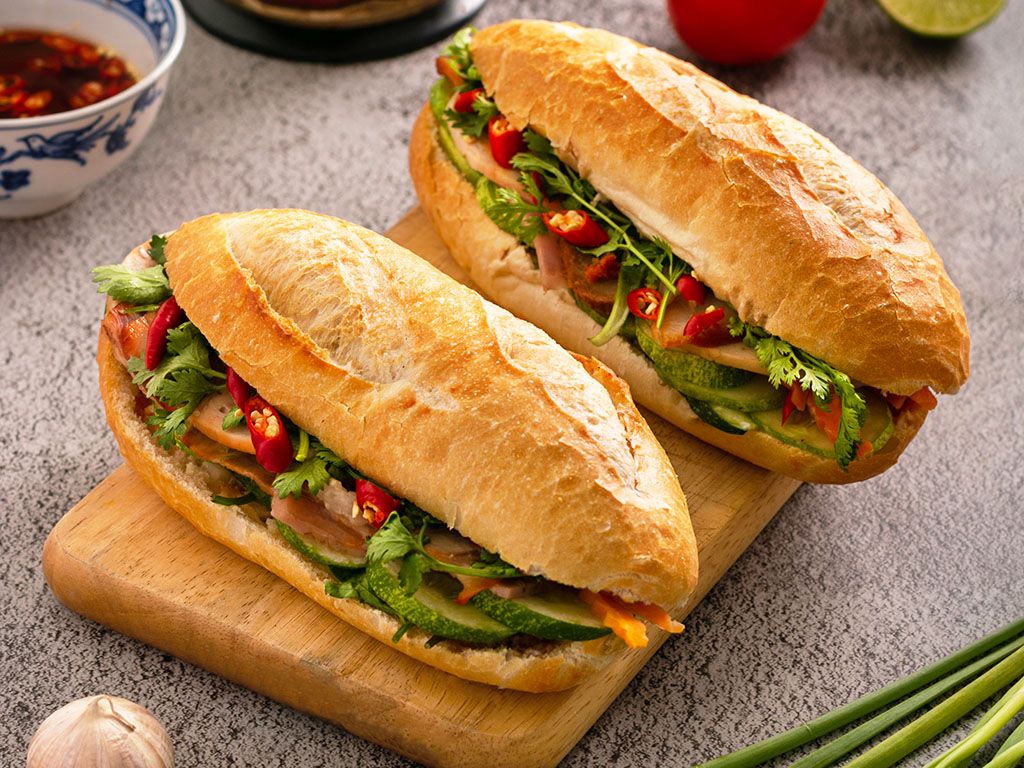
Some of the most popular quick meals include bánh mì, the iconic Vietnamese sandwich known for its crispy baguette and flavorful fillings; xôi, sticky rice topped with ingredients like mung beans, shredded chicken, or pork, providing a filling and energy-rich option; and bánh cuốn, delicate steamed rice rolls filled with minced pork and mushrooms, often served warm with dipping sauce.
Eating habits around street food are highly flexible and convenient. Many people prefer takeaway options, while others enjoy sitting on small plastic stools at roadside stalls, creating a casual and social atmosphere. Early mornings are especially vibrant, with vendors serving freshly prepared dishes to commuters, highlighting how street food culture is seamlessly woven into the rhythm of daily Vietnamese life.
4. Home-Style Vietnamese Meals (Cơm Nhà)- Common Foods in Vietnam
Home-style meals, known as cơm nhà (common foods in Vietnam), represent the heart of Vietnamese daily life, where food is not only about nourishment but also about family connection and tradition. A typical Vietnamese family meal follows a simple yet balanced structure: a bowl of steamed rice served alongside a savory main dish, a plate of vegetables, and a light soup. This combination creates a harmonious dining experience that is both satisfying and nutritionally complete.
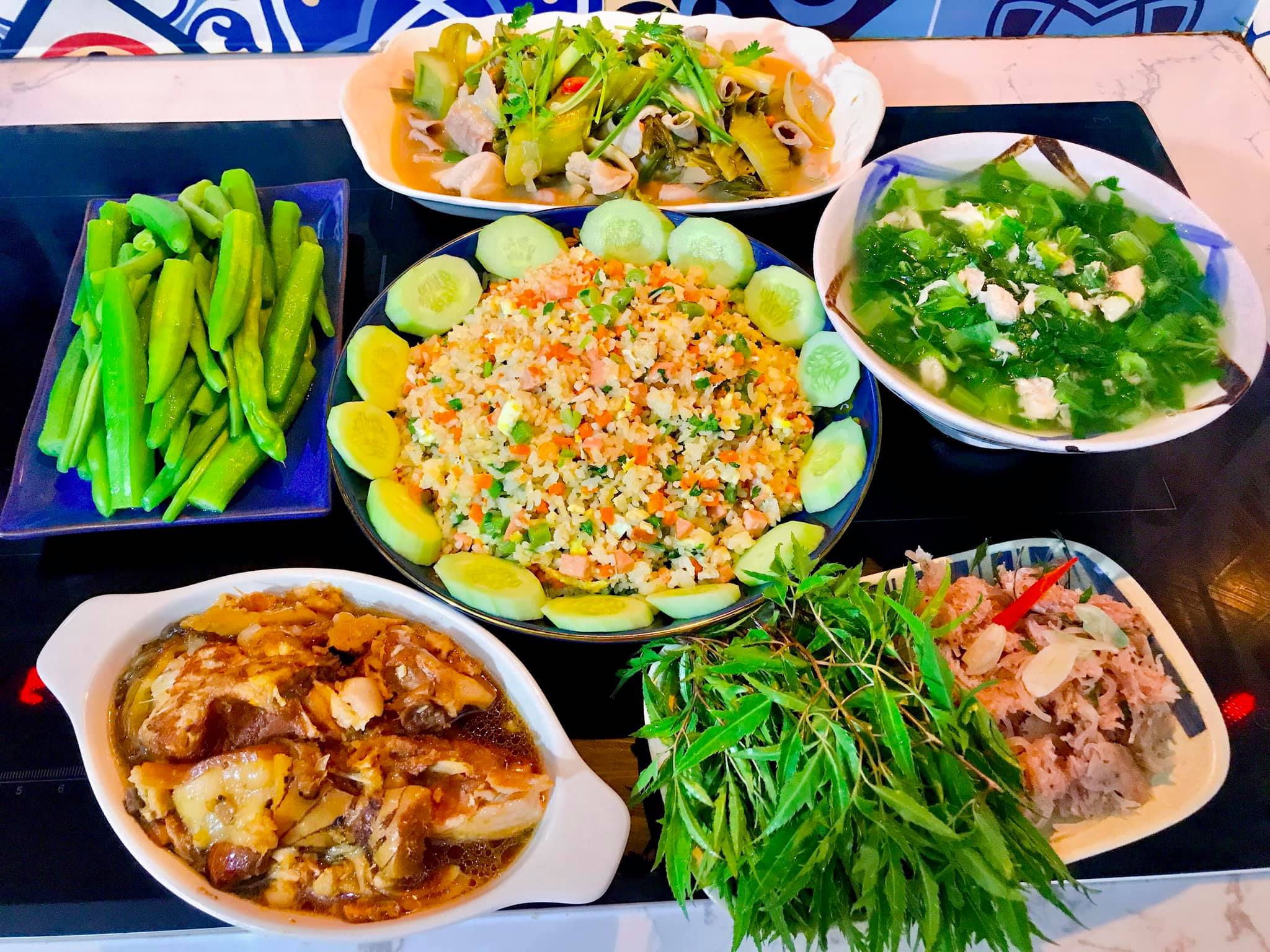
Common dishes in everyday home cooking include canh rau (vegetable soup), which provides a light and refreshing element; thịt rang (stir-fried pork), offering a savory and slightly caramelized flavor; and cá chiên or cá kho (fried or braised fish), which add richness and depth to the meal. These dishes are usually placed at the center of the table and shared among family members, reinforcing a sense of togetherness.
A key principle of Vietnamese home cuisine is balance—both in nutrition and taste. Meals are carefully composed to include a mix of salty, sweet, sour, and sometimes bitter flavors, ensuring variety without overwhelming the palate. This thoughtful balance reflects the broader philosophy of Vietnamese cooking: simplicity, harmony, and respect for natural ingredients.
5. Drinks & Simple Desserts in Daily Life- Common Foods in Vietnam
Drinks and light desserts are an indispensable part of everyday life in Vietnam, offering refreshment and simple enjoyment throughout the day. Whether at street stalls, local cafés, or family meals, beverages are often as important as the food itself, especially in the country’s warm climate.
Among the most common drinks is trà đá (iced tea), a simple yet iconic beverage served almost everywhere, from roadside eateries to restaurants, often complimentary and enjoyed casually with meals. Nước mía (fresh sugarcane juice) is another popular choice, known for its natural sweetness and cooling effect, making it especially refreshing on hot days. Meanwhile, cà phê sữa đá (Vietnamese iced coffee with condensed milk) stands out for its strong, bold flavor balanced with creamy sweetness, reflecting Vietnam’s rich coffee culture.
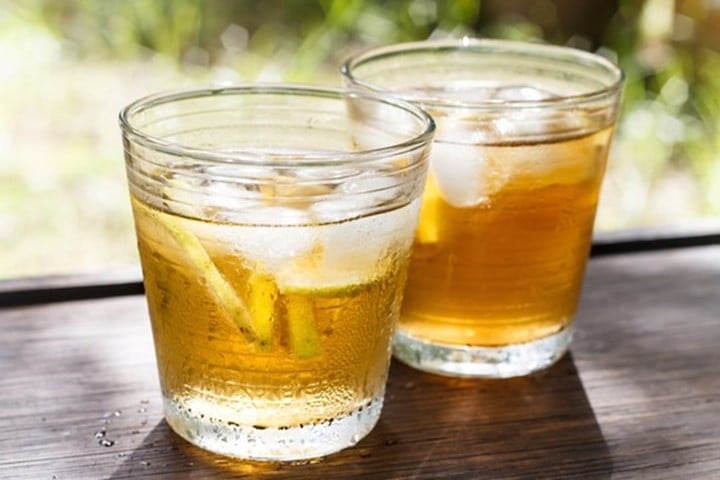
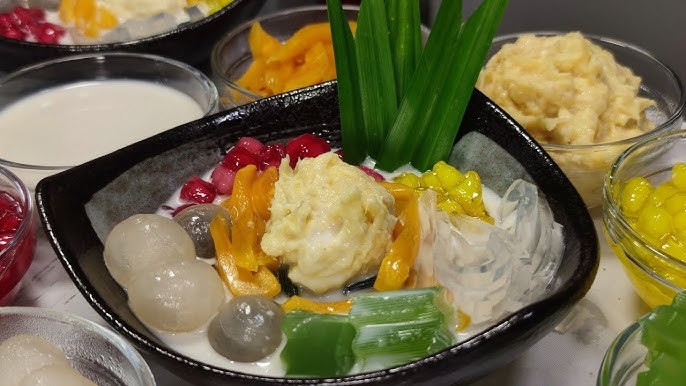
For desserts, Vietnamese people often prefer light and refreshing options rather than overly rich sweets. Chè (sweet soups), with their wide variety of ingredients such as beans, coconut milk, jelly, and fruits, are enjoyed either hot or cold depending on the season. In addition, fresh fruits like mango, watermelon, pineapple, and papaya are commonly served after meals or as snacks, highlighting the natural abundance and freshness that define Vietnamese cuisine. Together, these drinks and desserts complete the daily dining experience with a sense of balance, relaxation, and subtle sweetness.
6. Regional Differences in Daily Food
Vietnamese daily cuisine varies significantly across regions, shaped by differences in geography, climate, and cultural history. In Northern Vietnam, food is generally lighter and more subtle, with less sweetness and a focus on natural flavors. Seasoning is kept simple, allowing the freshness of ingredients to stand out. In contrast, Central Vietnam is known for its bold and intense flavors, often featuring spiciness and stronger seasoning, influenced by both the region’s harsher climate and its royal culinary heritage. Meanwhile, Southern Vietnam offers a richer and more diverse food culture, where dishes tend to be sweeter and more generously flavored, reflecting the abundance of ingredients and the warmer climate.
- Northern Vietnam: lighter, less sweet, simple seasoning
- Central Vietnam: spicier, more intense flavors
- Southern Vietnam: sweeter, richer, more variety
- How geography and climate influence daily eating habits
These regional differences are closely tied to local conditions. The cooler North favors lighter, balanced meals; the Central region’s challenging weather encourages the use of spices and preserved foods; and the fertile South, with its year-round agricultural abundance, supports a more varied and vibrant cuisine. Together, these variations create a dynamic culinary landscape, where everyday meals across Vietnam are both distinct and deeply connected to their environment.
Conclusion- Common Foods in Vietnam
In Vietnam, everyday food is more than just sustenance—it is a reflection of lifestyle, community, and tradition. Whether it’s a humble plate of rice, a quick bowl of noodles, or a street-side snack, each meal is built on balance, freshness, and convenience. Regional differences further enrich this daily cuisine, creating a diverse yet harmonious food culture across the country. By looking beyond famous dishes and focusing on what people eat every day, visitors can gain a deeper, more meaningful appreciation of Vietnamese culinary identity and the rhythms of daily life.
| Category | Dish Name (Vietnamese) | English Description | Main Ingredients | Flavor Profile | Typical Meal Time |
| Rice Dishes (Cơm) | Cơm thịt kho | Braised pork with eggs | Pork, eggs, fish sauce, sugar | Savory, slightly sweet | Lunch / Dinner |
| Cơm cá kho | Braised fish with rice | Fish, fish sauce, pepper | Salty, rich | Lunch / Dinner | |
| Cơm rau luộc | Rice with boiled vegetables | Seasonal vegetables, dipping sauce | Light, fresh | Lunch / Dinner | |
| Noodle Dishes (Bún/Mì) | Bún thịt nướng | Vermicelli with grilled pork | Pork, vermicelli, herbs | Sweet, smoky, fresh | Lunch / Dinner |
| Bún chả | Grilled pork with noodles | Pork, dipping sauce, herbs | Savory, balanced | Lunch | |
| Hủ tiếu | Southern noodle soup | Pork/seafood, broth, noodles | Light, slightly sweet | Breakfast / Lunch | |
| Mì xào | Stir-fried noodles | Egg noodles, vegetables, meat | Savory, oily | Lunch / Dinner | |
| Street Food | Bánh mì | Vietnamese sandwich | Bread, meat, pâté, vegetables | Crunchy, savory | Breakfast / Anytime |
| Xôi | Sticky rice with toppings | Sticky rice, beans, meat | Rich, filling | Breakfast | |
| Bánh cuốn | Steamed rice rolls | Rice sheets, pork, mushrooms | Light, soft | Breakfast / Morning | |
| Home-Style Dishes | Canh rau | Vegetable soup | Leafy greens, broth | Light, refreshing | Lunch / Dinner |
| Thịt rang | Stir-fried pork | Pork, fish sauce, sugar | Savory, caramelized | Lunch / Dinner | |
| Cá chiên | Fried fish | Fish, oil, seasoning | Crispy, savory | Lunch / Dinner | |
| Light Dishes | Gỏi | Vietnamese salad | Vegetables, herbs, meat/seafood | Fresh, tangy | Lunch / Dinner |
| Đậu phụ | Tofu dishes | Tofu, sauce | Light, mild | Lunch / Dinner | |
| Drinks | Trà đá | Iced tea | Tea, ice | Light, refreshing | Anytime |
| Nước mía | Sugarcane juice | Fresh sugarcane | Sweet, cooling | Afternoon | |
| Cà phê sữa đá | Iced coffee with milk | Coffee, condensed milk | Strong, sweet | Morning / Afternoon | |
| Desserts | Chè | Sweet soups | Beans, coconut milk, jelly | Sweet, varied | Afternoon / Dessert |
| Trái cây tươi | Fresh fruits | Mango, watermelon, etc. | Natural, sweet | After meals |
This table highlights how everyday Vietnamese food is diverse yet practical, combining rice, noodles, fresh ingredients, and quick street options. Meals are designed to be balanced, affordable, and flexible, fitting naturally into daily routines from early morning to late evening.
BeDental – A Leading Dental Clinic for International Travelers in Vietnam
BeDental offers high-quality dental services for international travelers visiting Vietnam, combining modern technology with experienced dentists. Our services include general and cosmetic dentistry, dental implants, teeth whitening, and smile makeovers, all performed to international standards.
Designed for tourists, BeDental provides flexible appointments, English-speaking staff, and personalized treatment plans that fit travel schedules. With competitive pricing and convenient locations, BeDental allows visitors to improve their smile while enjoying their trip to Vietnam.