


 Tiếng Việt
 한국어
한국어 日本語
日本語 中文 (中国)


Traditional Dishes in Vietnam: Traditional Vietnamese cuisine is a rich reflection of the country’s history, culture, and regional diversity. Beyond everyday meals, traditional dishes carry deep meanings, often shaped by geography, climate, and centuries of cultural exchange. From the refined and subtle flavors of the North, to the bold and artistic cuisine of the Central region, and the rich, diverse dishes of the South, each region contributes its own identity to Vietnam’s culinary heritage. Exploring traditional dishes allows not only a taste of authentic flavors but also a deeper understanding of the values, traditions, and stories embedded in Vietnamese culture.
1. Characteristics of Traditional Vietnamese Cuisine- Traditional Dishes in Vietnam
Traditional Vietnamese cuisine (Traditional Dishes in Vietnam) is defined by its harmony, freshness, and deep cultural roots. One of its most distinctive features is the balance of flavors, where salty, sweet, sour, bitter, and umami elements are carefully combined in a single meal or even within one dish. This balance creates a taste that is neither overwhelming nor monotonous, but instead layered and refined.
| Characteristic | Description | Example | Cultural Meaning |
| Balance of Flavors | Combines salty, sweet, sour, bitter, and umami in harmony | Phở, bún chả | Reflects philosophy of harmony and balance in life |
| Fresh Ingredients | Uses fresh herbs, vegetables, and minimal processing | Gỏi cuốn, rau sống | Emphasis on health and natural taste |
| Herb-Rich Cuisine | Frequent use of herbs like mint, cilantro, basil, perilla | Bún thịt nướng | Adds aroma, freshness, and complexity |
| Light Cooking Methods | Boiling, steaming, grilling rather than deep-frying | Canh rau, cá hấp | Maintains nutrition and natural flavors |
| Rice-Based Foundation | Rice and rice products are central to most meals | Cơm, bún, phở | Reflects agricultural culture (wet rice farming) |
| Regional Diversity | Distinct differences between North, Central, South | Bún bò Huế, cơm tấm | Influenced by climate, geography, history |
| Street Food Culture | Strong presence of affordable, quick meals on the street | Bánh mì, xôi | Represents daily lifestyle and accessibility |
| Communal Eating Style | Meals are shared among family members | Cơm nhà | Emphasizes family bonds and togetherness |
| Use of Fish Sauce | Key seasoning in many dishes | Nước mắm | Core element of Vietnamese identity |
| Healthy & Balanced Diet | Combination of protein, vegetables, and soup | Typical family meal | Focus on nutrition and balance |
Another key characteristic is the emphasis on fresh herbs and natural ingredients. Vietnamese cooking makes generous use of herbs such as mint, cilantro, basil, and perilla, along with fresh vegetables, contributing to both flavor and nutritional value. Rather than relying on heavy sauces or excessive oil, the cuisine highlights the natural taste of ingredients.
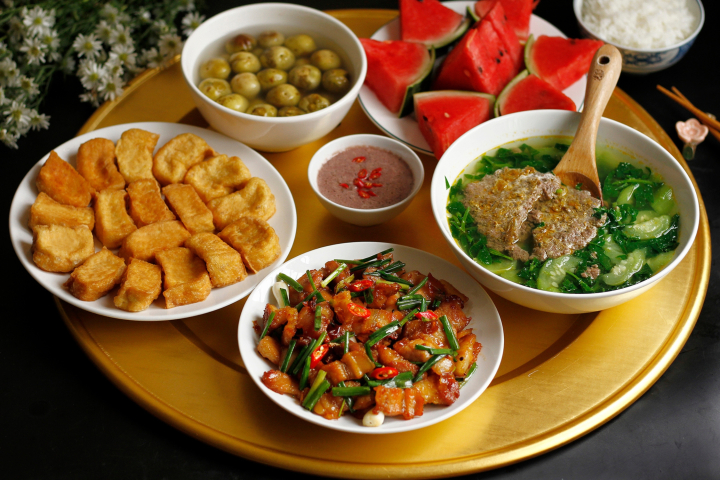
Traditional cooking techniques also play an important role, with methods like boiling, steaming, braising, and grilling being widely used. These techniques help preserve the original flavors while creating a variety of textures, from light and delicate to rich and savory.
Finally, Vietnamese cuisine is deeply influenced by history and cultural exchange. Royal culinary traditions, especially from central Vietnam, emphasize sophistication and presentation, while centuries of trade and regional diversity have introduced new ingredients and techniques. Together, these influences have shaped a cuisine that is both authentic and dynamic, reflecting the rich cultural identity of Vietnam.
2. Northern Vietnam Traditional Dishes- Traditional Dishes in Vietnam
Traditional dishes from Northern Vietnam (Traditional Dishes in Vietnam) are known for their light, refined flavors and subtle seasoning, with less sweetness compared to other regions. The cuisine focuses on preserving the natural taste of ingredients, using minimal spices and a balanced approach that highlights freshness and clarity. This style reflects both the cooler climate of the North and the long-standing culinary traditions centered around simplicity and elegance.
| Characteristic | Description | Example Dishes | Cultural Meaning |
| Light & Subtle Flavors | Dishes are not overly spicy or sweet, focusing on natural taste | Phở, bún thang | Reflects elegance and refinement |
| Less Sweet, Balanced Seasoning | Minimal sugar, careful use of fish sauce and salt | Canh rau, cá kho | Emphasis on harmony and moderation |
| Focus on Fresh Ingredients | Seasonal vegetables, herbs, and clean ingredients | Rau muống luộc, gỏi | Respect for nature and freshness |
| Clear & Delicate Broths | Broths are transparent, lightly seasoned but aromatic | Phở, bún thang | Shows precision and patience in cooking |
| Simple Cooking Methods | Boiling, steaming, light stir-frying | Canh, hấp, luộc | Preserves original flavors |
| Moderate Use of Spices | Limited use of chili, garlic, strong spices | Everyday meals | Maintains subtle taste profile |
| Seasonal Eating Habits | Dishes change according to seasons (cool vs hot weather) | Winter stews, summer soups | Adaptation to Northern climate |
| Elegant Presentation | Clean, neat, not overly decorated | Chả cá, bún thang | Reflects Hanoi’s cultural sophistication |
| Influence of Hanoi Cuisine | Strong connection to traditional capital’s food culture | Bún chả, chả cá | Represents historical and cultural identity |
| Balanced Meal Structure | Rice + savory dish + vegetables + soup | Cơm nhà miền Bắc | Focus on nutrition and harmony |
Some of the most iconic dishes include phở, a traditional noodle soup with a clear, aromatic broth; bún chả, featuring grilled pork served with vermicelli and a light dipping sauce; chả cá, a flavorful turmeric-marinated fish dish cooked with herbs; and bún thang, a delicate noodle soup combining chicken, egg, and finely sliced ingredients in a refined broth. Each dish showcases precision in preparation and harmony in taste.
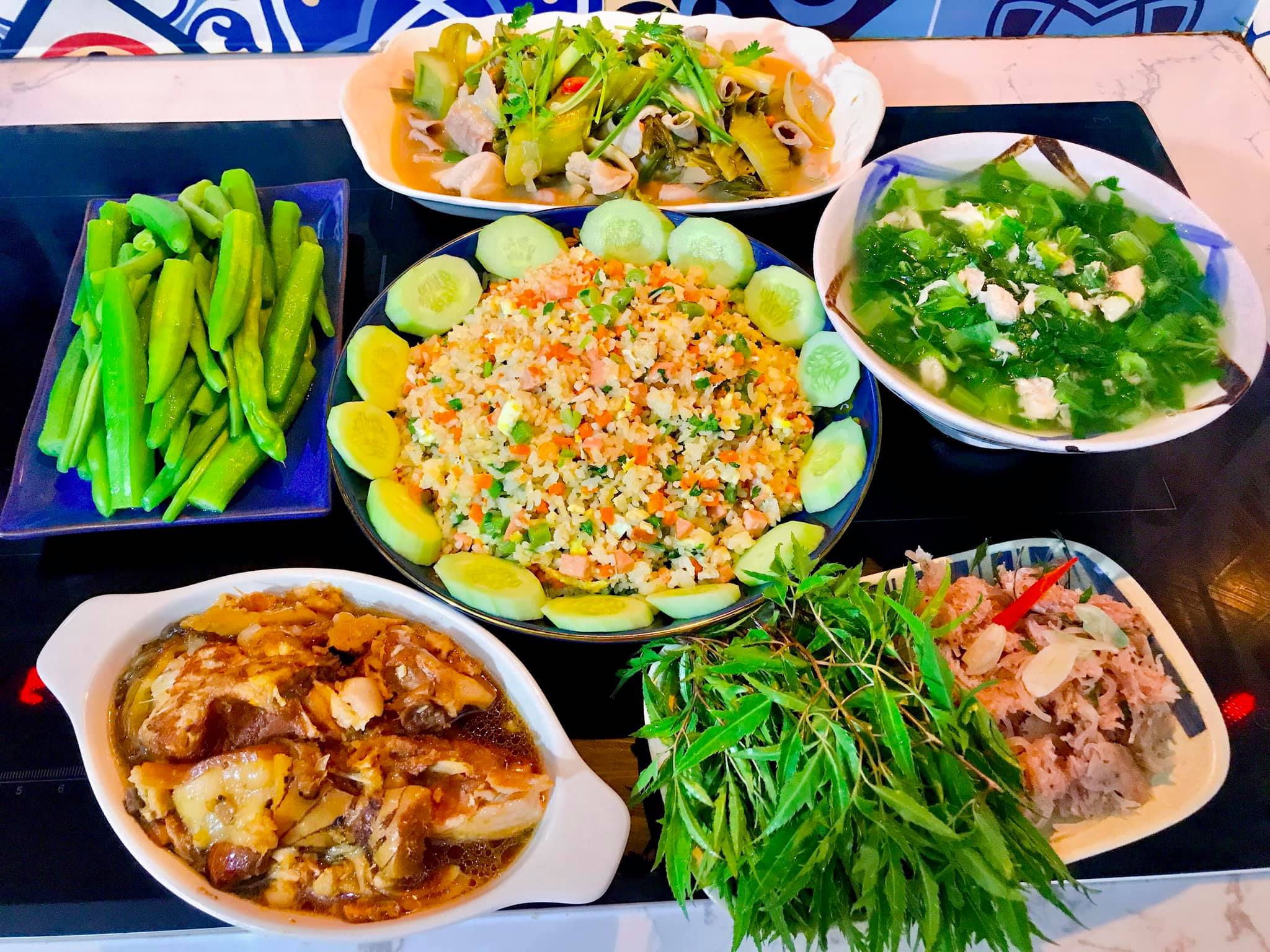
These traditional foods are deeply rooted in the cultural heritage of Hanoi, where cuisine has been shaped by centuries of history, local ingredients, and a preference for understated sophistication. Rather than bold or heavy flavors, Northern Vietnamese dishes emphasize balance, purity, and attention to detail, making them a true reflection of the region’s identity.
3. Central Vietnam Traditional Dishes
Traditional dishes from Central Vietnam (Traditional Dishes in Vietnam) are known for their bold, spicy, and complex flavors, creating a striking contrast to the lighter cuisine of the North. The region’s food often features stronger seasoning, including chili, fermented sauces, and aromatic herbs, resulting in dishes that are rich in taste and depth. This intensity is partly influenced by the region’s harsher climate, which encourages the use of spices and preserved ingredients.
| Characteristic | Description | Example Dishes | Cultural Meaning |
| Bold & Spicy Flavors | Strong use of chili, pepper, and fermented sauces | Bún bò Huế | Reflects intense and distinctive regional taste |
| Complex & Layered Taste | Multiple layers of flavor in one dish | Mì Quảng | Emphasis on depth and richness |
| Royal Culinary Influence | Refined cooking style from imperial court in Huế | Bánh bèo, bánh nậm | Shows elegance and sophistication |
| Beautiful Presentation | Dishes are carefully arranged and visually appealing | Huế-style rice cakes | Reflects artistic and aesthetic values |
| Small Portions, Variety | Many small dishes served together | Bánh Huế varieties | Inspired by royal dining traditions |
| Use of Fermented Ingredients | Frequent use of shrimp paste, fish sauce | Bún mắm, bún bò Huế | Adds strong, unique flavors |
| Balance with Intensity | Still maintains balance despite bold flavors | Various Central dishes | Harmony within strong taste profiles |
| Influence of Harsh Climate | Use of spices and preservation methods due to weather | Spicy soups, dried foods | Adaptation to natural conditions |
| Diverse Textures | Combination of soft, chewy, crispy elements | Bánh lọc, bánh nậm | Enhances eating experience |
| Regional Identity (Huế focus) | Strong connection to Huế as cultural center | Most signature dishes | Represents historical and cultural heritage |
A defining influence on Central Vietnamese cuisine is the legacy of Huế, the former imperial capital of Vietnam. Royal culinary traditions have shaped the region’s food with an emphasis on refinement, presentation, and meticulous preparation. Even everyday dishes often reflect a sense of elegance, with careful attention to color, texture, and arrangement.
Signature dishes include bún bò Huế, a spicy beef noodle soup known for its fragrant broth infused with lemongrass and chili; a variety of delicate rice cakes such as bánh bèo, bánh nậm, and bánh lọc, each offering different textures and subtle flavors; and mì Quảng, a turmeric-infused noodle dish served with herbs, peanuts, and a small amount of rich broth.
Overall, Central Vietnamese cuisine stands out for its layered flavors and visual appeal, where each dish is crafted not only to taste bold and memorable but also to reflect the artistic and cultural sophistication of the region.
4. Southern Vietnam Traditional Dishes- Traditional Dishes in Vietnam
Traditional dishes from Southern Vietnam (Traditional Dishes in Vietnam) are characterized by their sweeter, richer, and more diverse flavors, reflecting the region’s abundant natural resources and open culinary influences. Compared to other regions, Southern cuisine often uses more sugar and coconut-based ingredients, creating dishes that are both flavorful and satisfying. The fertile land of the Mekong Delta provides a wide variety of fresh produce, seafood, and herbs, allowing for greater diversity in everyday cooking.
| Characteristic | Description | Example Dishes | Cultural Meaning |
| Sweeter Flavor Profile | More use of sugar and coconut milk in cooking | Cơm tấm, cá kho tộ | Reflects Southern taste preference |
| Rich & Bold Seasoning | Strong flavors with generous use of sauces and spices | Hủ tiếu, lẩu | Emphasis on fullness and satisfaction |
| Abundant Ingredients | Wide variety of fruits, vegetables, seafood from Mekong Delta | Canh chua, lẩu cá | Shows richness of natural resources |
| Cultural Fusion | Influences from Chinese, Khmer, and other cultures | Hủ tiếu, phá lấu | Diverse and open culinary identity |
| Generous Portions | Dishes are often large and filling | Cơm tấm | Reflects hospitality and abundance |
| Use of Coconut & Sweet Elements | Coconut milk and sweetness appear in many dishes | Chè, cà ri | Adds richness and tropical character |
| Variety & Flexibility | Many variations and creative adaptations of dishes | Street food, lẩu | Adaptable and dynamic cuisine |
| Street Food Culture | Strong street food presence with diverse options | Bánh mì, hủ tiếu gõ | Everyday convenience and lifestyle |
| Fresh Herbs & Vegetables | Served with plenty of raw vegetables and herbs | Gỏi, bún | Balance richness with freshness |
| Influence of Warm Climate | Preference for refreshing, flavorful, easy-to-eat dishes | Canh chua, nước mía | Adaptation to tropical weather |
Southern Vietnamese cuisine is also shaped by cultural fusion, with influences from Chinese, Khmer, and other communities contributing to its vibrant food culture. This results in dishes that are bold in seasoning and generous in portion, emphasizing both taste and visual appeal.
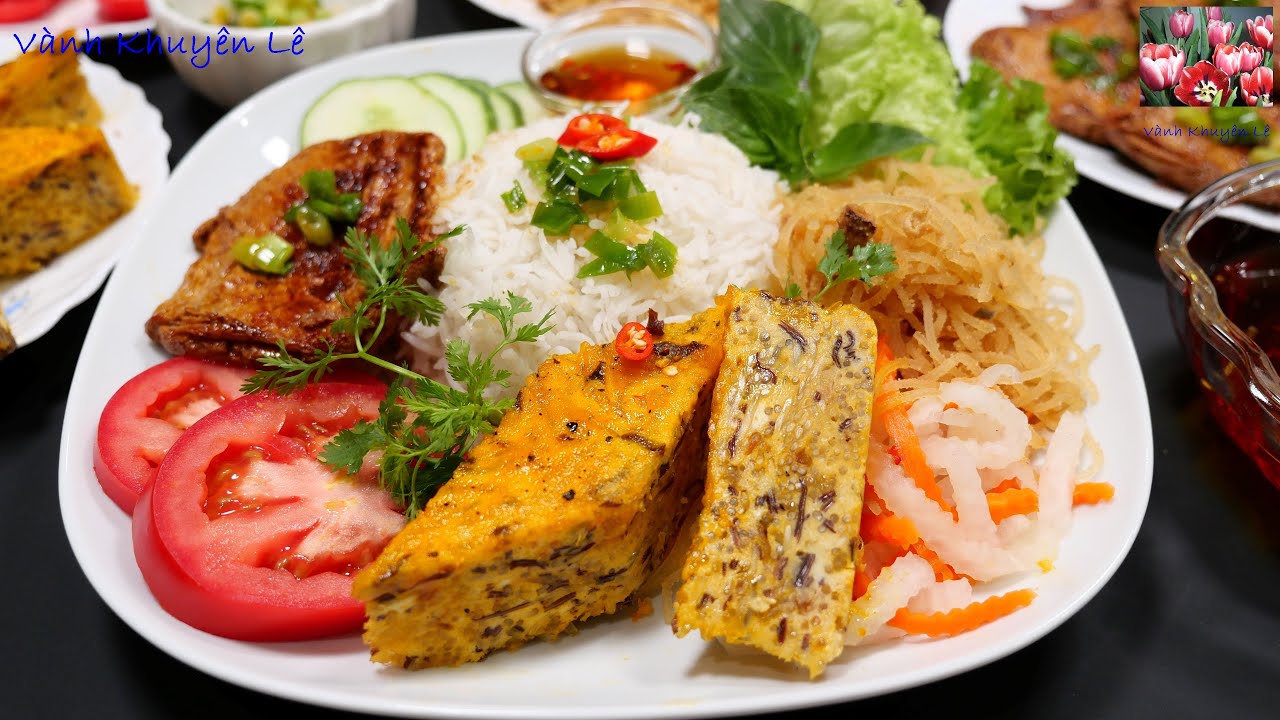
Signature dishes (Traditional Dishes in Vietnam) include cơm tấm, a popular broken rice dish served with grilled pork and various accompaniments; hủ tiếu, a versatile noodle soup known for its slightly sweet and clear broth; and cá kho tộ, caramelized braised fish cooked in a clay pot, offering a rich and savory-sweet flavor.
Overall, Southern Vietnamese cuisine stands out for its abundance, boldness, and adaptability, where a wide range of ingredients and stronger seasoning come together to create dishes that are both comforting and full of character.
5. Traditional Festive & Holiday Foods
Traditional festive and holiday foods play a vital role in Vietnamese culture, especially during major celebrations such as Tết (Lunar New Year). These dishes are not only prepared for enjoyment but also carry deep symbolic meanings, often associated with family reunion, gratitude, and wishes for prosperity in the coming year. Food becomes a central element in rituals, ancestral offerings, and gatherings, reflecting the strong connection between cuisine and cultural identity.
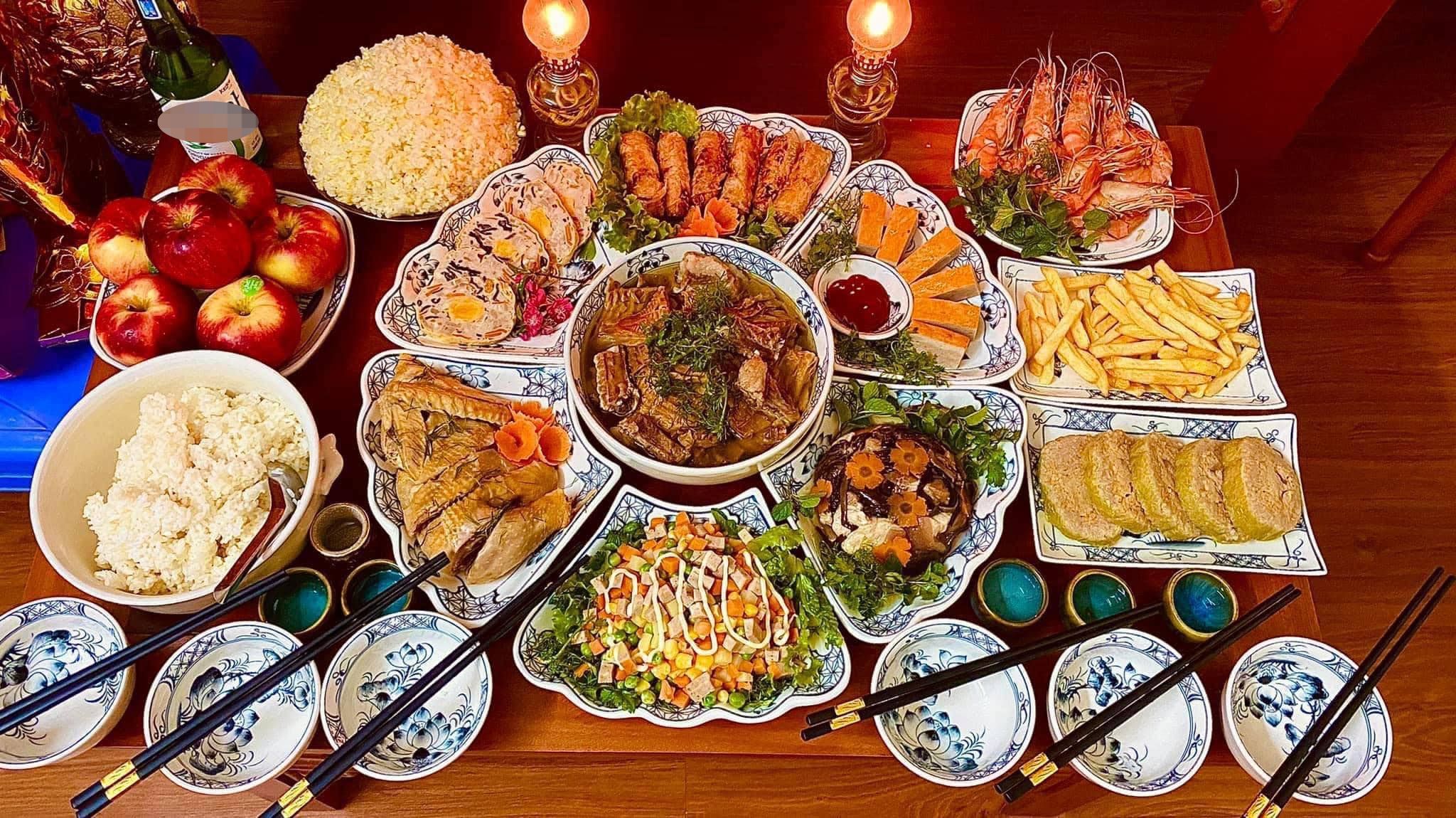
Among the most important dishes are bánh chưng and bánh tét, traditional sticky rice cakes filled with mung beans and pork. These cakes symbolize the earth and unity, representing gratitude for nature and ancestors. Giò chả (Vietnamese sausage) is another essential dish, known for its smooth texture and pure flavor, symbolizing harmony and completeness in family meals. In Northern Vietnam, thịt đông (jellied meat) is commonly prepared during colder months, representing simplicity and preservation traditions.
Each of these dishes (Traditional Dishes in Vietnam) carries its own cultural significance, turning festive meals into meaningful experiences that go beyond taste. Together, they highlight how Vietnamese cuisine preserves tradition, strengthens family bonds, and expresses hopes for health, happiness, and prosperity.
6. Regional Specialties & Unique Local Dishes- Traditional Dishes in Vietnam
Vietnamese cuisine is deeply connected to place, with many traditional dishes tied closely to specific regions and local identities. These regional specialties are not only defined by their flavors but also by the unique ingredients and preparation methods that cannot easily be replicated elsewhere. As a result, each dish becomes a cultural symbol of its hometown.
Notable examples include cao lầu, a signature dish of Hội An, known for its distinctive noodles made using local water and traditional techniques; nem chua, a fermented pork delicacy popular in various regions, offering a tangy and slightly sour taste; and gỏi cá, a fresh raw fish salad commonly found in coastal areas, reflecting the abundance of seafood and local culinary creativity.
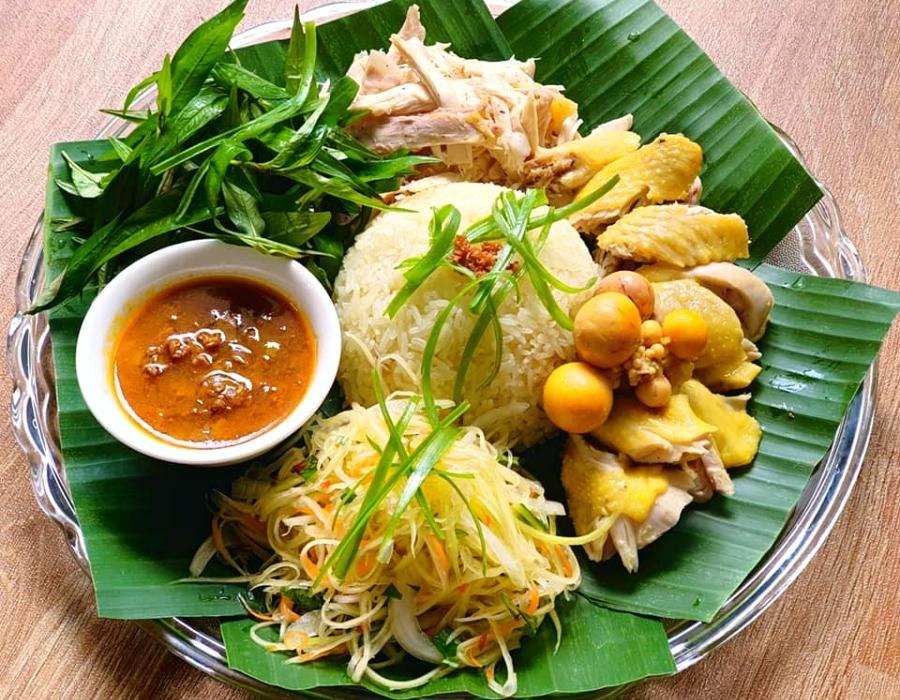
The uniqueness of these dishes (Traditional Dishes in Vietnam) lies in the importance of local ingredients and traditional methods, often passed down through generations. From specific water sources to regional spices and fermentation techniques, these elements preserve authenticity and create flavors that are deeply rooted in place. Together, they showcase the richness and diversity of Vietnamese cuisine, where every region tells its own story through food.
Conclusion- Traditional Dishes in Vietnam
(Traditional Dishes in Vietnam) are more than just food—they are a living expression of culture, history, and community. Each dish, whether tied to a region, a festival, or a local specialty, reflects a unique combination of ingredients, techniques, and cultural influences passed down through generations. Together, they create a diverse yet harmonious culinary landscape that defines Vietnam’s identity. By experiencing these traditional foods, one can truly appreciate the depth, creativity, and enduring traditions that make Vietnamese cuisine both distinctive and unforgettable.
BeDental – A Leading Dental Clinic for International Travelers in Vietnam
BeDental offers high-quality dental services for international travelers visiting Vietnam, combining modern technology with experienced dentists. Our services include general and cosmetic dentistry, dental implants, teeth whitening, and smile makeovers, all performed to international standards.
Designed for tourists, BeDental provides flexible appointments, English-speaking staff, and personalized treatment plans that fit travel schedules. With competitive pricing and convenient locations, BeDental allows visitors to improve their smile while enjoying their trip to Vietnam.