

Hình Ảnh Đẹp
Top Sapa Attractions and Scenic Highlights
Th3

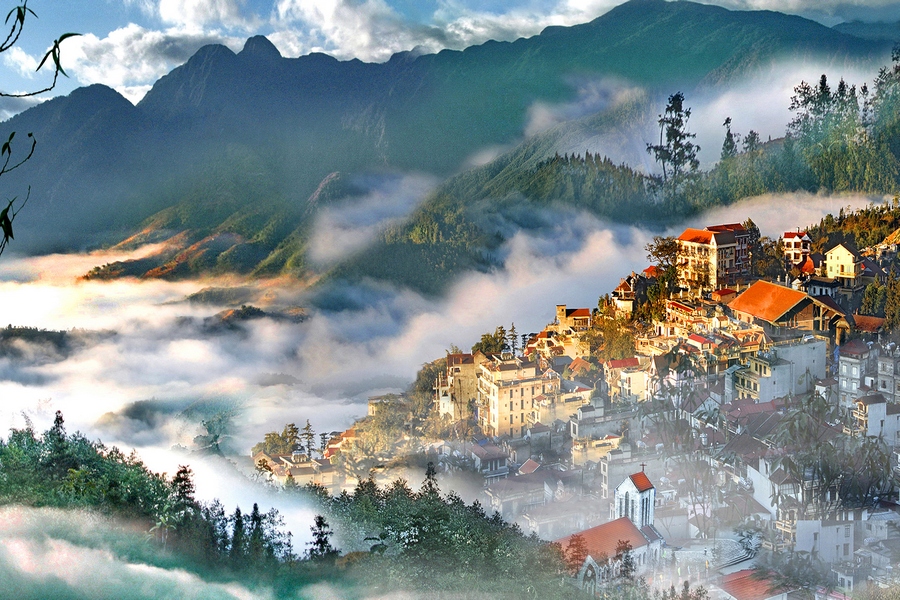
Top Sapa Attractions: Sapa is one of Vietnam’s most captivating mountain destinations, renowned for its dramatic landscapes, cool climate, and rich ethnic diversity. Located in Lao Cai Province near the Chinese border, Sapa is set among the Hoang Lien Son mountain range, where misty peaks, terraced rice fields, and deep valleys create some of the most striking scenery in northern Vietnam.
Beyond its natural beauty, Sapa offers meaningful cultural experiences through ethnic villages, traditional markets, and long-established rural lifestyles. From iconic mountain landmarks and scenic trekking routes to waterfalls and town-centered attractions, this guide highlights the top places and experiences that make Sapa a must-visit destination for nature lovers, photographers, and travelers seeking authentic highland culture.
I. Mountain Landscapes & Natural Wonders- Top Sapa Attractions
Fansipan Mountain, Muong Hoa Valley, and O Quy Ho Pass each showcase a different aspect of Sapa’s dramatic natural beauty. Fansipan Mountain offers high-altitude experiences and panoramic summit views with easy access via cable car, making it suitable for most visitors. Muong Hoa Valley highlights the region’s cultural landscapes, combining terraced rice fields with ethnic villages and gentle trekking routes. In contrast, O Quy Ho Pass delivers raw mountain scenery and ever-changing cloud formations, attracting photographers and travelers seeking dramatic viewpoints. Together, these three destinations create a well-rounded introduction to Sapa’s mountainous landscapes and natural wonders.
>>> See more: Top Ha Long Bay Attractions and Must-See Sights
| Criteria | Fansipan Mountain | Muong Hoa Valley | O Quy Ho Pass |
| Main Feature | Highest peak in Indochina | Terraced rice valleys | Scenic mountain pass |
| Elevation | 3,143 m | ~900–1,200 m | ~2,000 m |
| Landscape Type | Alpine mountains, clouds | Rice terraces, villages | Peaks, cliffs, clouds |
| Key Experience | Cable car & summit views | Trekking & village scenery | Cloud hunting & viewpoints |
| Accessibility | Easy (cable car) | Moderate (trekking) | Easy (road access) |
| Best Time to Visit | Clear days, early morning | Rice seasons (May–Jun, Sep–Oct) | Sunrise & sunset |
| Ideal For | All travelers | Nature & culture lovers | Photography & scenic drives |
Fansipan Mountain
Fansipan Mountain is famously known as the “Roof of Indochina,” standing as the highest peak in Vietnam and all of mainland Southeast Asia. Once accessible only to experienced trekkers, Fansipan can now be reached via a modern cable car system, allowing visitors of all ages to experience its breathtaking summit. The journey itself offers sweeping views of mountain ranges, deep valleys, and rolling clouds, while the summit rewards travelers with panoramic vistas, cool alpine air, and impressive temple complexes nestled among the peaks.
Muong Hoa Valley
Muong Hoa Valley is one of Sapa’s most iconic landscapes, renowned for its vast terraced rice fields cascading down mountain slopes. The valley is home to several ethnic minority villages, where traditional stilt houses dot the hillsides and daily life continues much as it has for generations. A river winds through the valley, adding to its scenic charm and creating a peaceful contrast to the rugged terrain. Muong Hoa is especially stunning during the rice-growing seasons, when the fields turn vibrant green or golden yellow.
O Quy Ho Pass
O Quy Ho Pass is considered one of the most scenic mountain passes in Vietnam, offering dramatic views over high peaks and deep valleys. Stretching along the Hoang Lien Son mountain range, the pass is famous for its changing weather conditions, where sunshine, fog, and clouds can appear within minutes. It is a popular spot for cloud hunting and photography, particularly at sunrise and sunset, when layers of mountains fade into the mist. The combination of winding roads and expansive viewpoints makes O Quy Ho Pass a highlight for nature lovers and adventure seekers alike.
II. Terraced Rice Fields & Rural Scenery
Lao Chai – Ta Van
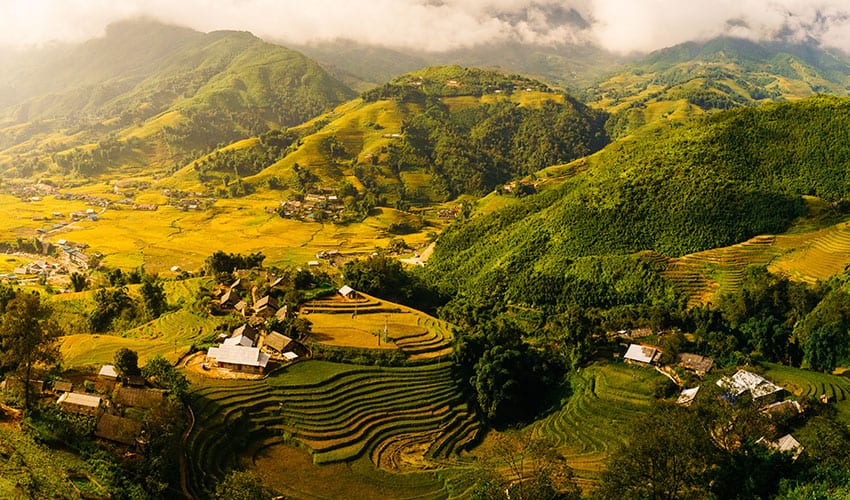
The Lao Chai – Ta Van area is one of the most iconic rural landscapes in Sapa, famous for its sweeping rice terraces that cascade along mountain slopes and valley floors. These villages are home to ethnic minority communities, particularly the Black Hmong and Giay people, whose daily lives are closely tied to agriculture and the natural environment.
Visitors walking through Lao Chai and Ta Van can observe traditional stilt houses made from wood and bamboo, set against a backdrop of terraced fields and forested hills. Well-established trekking routes connect the villages, allowing travelers to explore the scenery at a relaxed pace while gaining insight into local customs, farming practices, and village life. During the rice seasons, the terraces transform into vivid green or golden landscapes, making this area one of the most photographed parts of Sapa.
Y Linh Ho Village
Y Linh Ho Village offers a quieter and more untouched rural experience compared to the more popular trekking routes. Nestled along steep hillsides near Muong Hoa Valley, the village is known for its rugged terrain, narrow paths, and less-developed infrastructure.
The landscapes around Y Linh Ho feel more raw and authentic, with fewer tourists and a stronger sense of daily rural life. Visitors can witness traditional farming activities, water buffalo grazing, and simple wooden houses scattered across the hills. For travelers seeking a deeper connection with nature and local culture, Y Linh Ho provides a peaceful alternative that highlights the unspoiled beauty of Sapa’s countryside.
III. Ethnic Culture & Local Life
Cat Cat Village and Ta Phin Village present two different perspectives on Sapa’s ethnic culture. Cat Cat Village is easily accessible and visually appealing, offering a well-organized introduction to Hmong traditions through handicrafts and scenic village paths. In contrast, Ta Phin Village provides a more immersive and tranquil experience, where Red Dao customs such as herbal bathing and traditional textile-making remain part of everyday life. Together, these villages highlight the cultural diversity of Sapa and allow travelers to choose between convenience and deeper authenticity.
| Place | Ethnic Group | Distance from Sapa | Atmosphere | Key Experiences |
| Cat Cat Village | Black Hmong | ~2 km | Lively, tourist-oriented | Handicrafts, cultural shows, waterfall |
| Ta Phin Village | Red Dao | ~12 km | Quiet, traditional | Herbal baths, traditional textiles |
Cat Cat Village
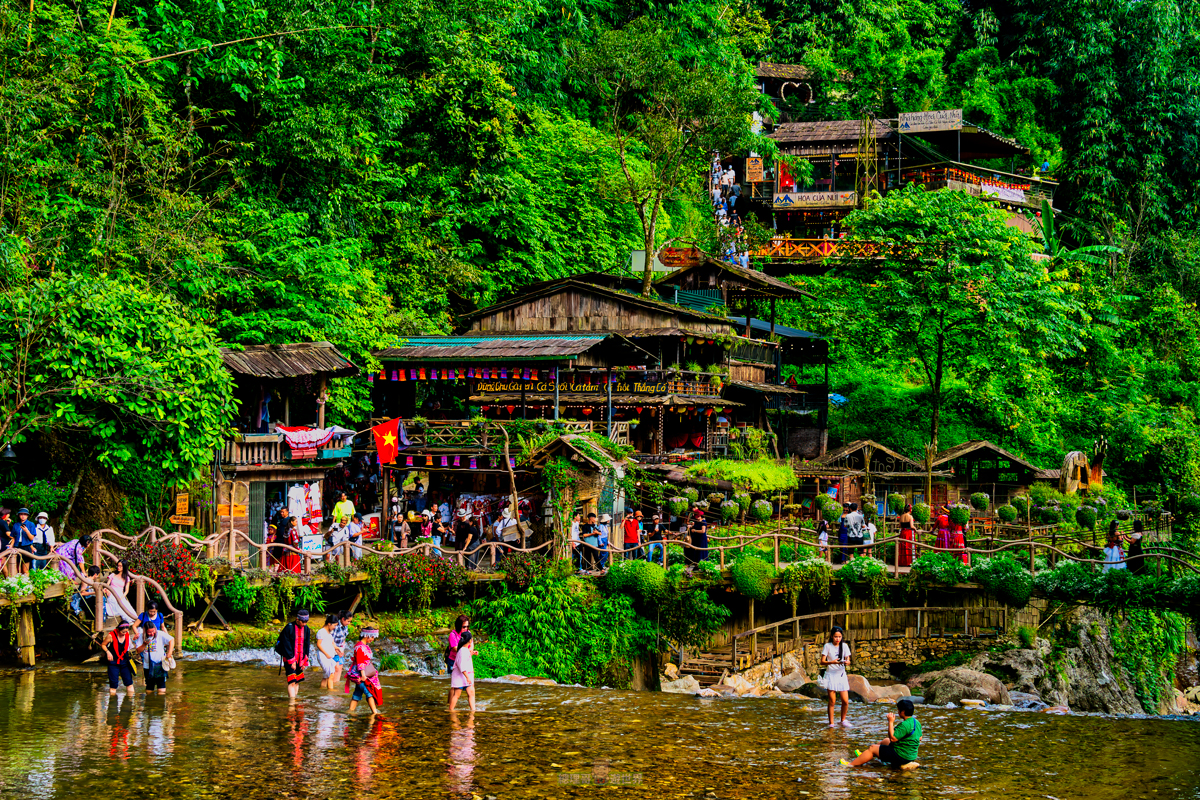
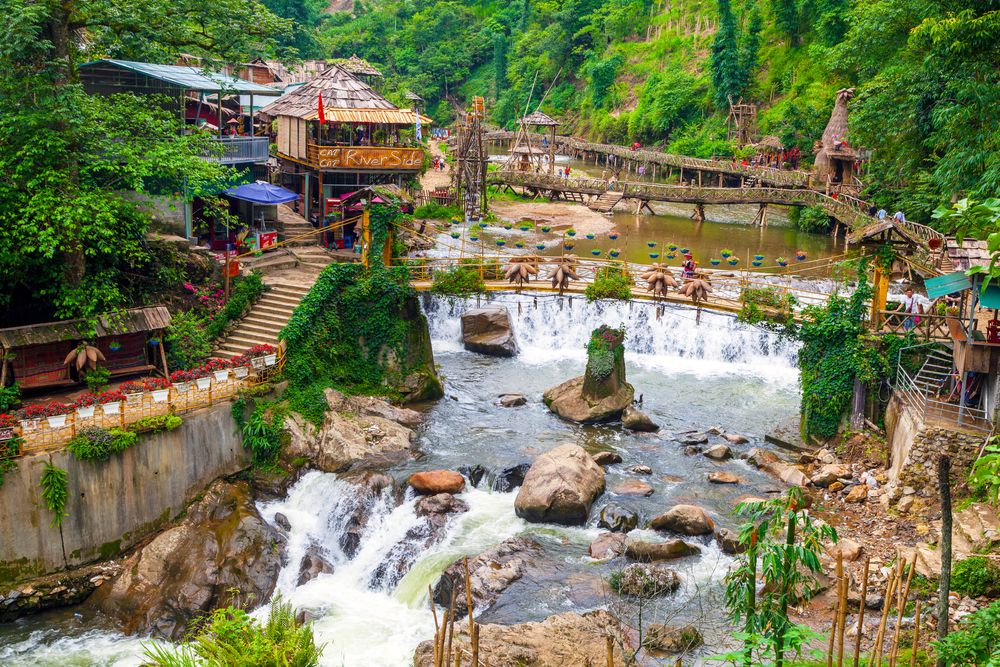
Cat Cat Village is one of the most accessible ethnic villages near Sapa town and a popular introduction to Hmong culture. Nestled on a hillside, the village features traditional wooden houses, terraced fields, and scenic walking paths that lead to a small waterfall at the lower end of the valley.
>>> See more: Best Hoi An Attractions to Explore
Visitors to Cat Cat can observe traditional Hmong handicrafts such as indigo-dyed fabrics, embroidery, and silver jewelry. Cultural performances and craft demonstrations help showcase daily life and customs, making the village especially appealing to first-time visitors and those with limited time. While more tourist-oriented, Cat Cat still offers a visually rich and culturally informative experience.
Ta Phin Village
Ta Phin Village is best known for its Red Dao ethnic community and its strong preservation of traditional practices. Located further from Sapa town, the village feels quieter and more authentic, surrounded by rice fields, forests, and limestone hills.
One of Ta Phin’s most distinctive cultural experiences is the traditional Red Dao herbal bath, made from medicinal plants gathered in nearby forests. Visitors can also explore local homes where women produce intricate textiles using hand-embroidery techniques passed down through generations. Ta Phin offers deeper cultural immersion for travelers interested in traditional lifestyles and ethnic heritage.
IV. Waterfalls & Natural Attractions
Silver Waterfall
Silver Waterfall, locally known as Thac Bac, is one of the most famous and easily accessible waterfalls in Sapa. Located along the road leading to O Quy Ho Pass, the waterfall cascades down from a high mountain cliff, creating a powerful and dramatic flow, especially during the rainy season.
Thanks to its roadside location, Silver Waterfall is a convenient stop for travelers exploring the surrounding mountain areas. The cool climate, fresh air, and forested surroundings make it a refreshing break from trekking routes and town sightseeing. Viewing platforms allow visitors to admire the waterfall up close while enjoying panoramic views of the Hoang Lien Son range.
Love Waterfall
Love Waterfall offers a more tranquil and romantic natural experience compared to Silver Waterfall. Reaching the waterfall requires a short trek through forest trails, bamboo groves, and streams, making the journey part of the attraction itself.
Surrounded by lush greenery and quieter landscapes, Love Waterfall is associated with local legends and is often seen as a symbol of romance and natural harmony. The gentle sounds of flowing water and the peaceful setting make it ideal for nature lovers and couples seeking a calm escape. Its combination of scenic trekking and serene atmosphere makes Love Waterfall a rewarding destination for those wanting to explore Sapa beyond the main roads.
V. Town Landmarks & Scenic Spots
Sapa Stone Church
Sapa Stone Church is the most recognizable landmark in the town center and a lasting symbol of Sapa’s colonial past. Built by the French in the early 20th century, the church features classic Gothic-inspired architecture, with stone walls, arched windows, and a prominent bell tower that stands out against the mountainous backdrop.
Located in the main square, the church serves as a focal point for daily life and social activities in Sapa. The surrounding area becomes especially lively in the evenings, when locals and visitors gather, street vendors appear, and cultural events occasionally take place. As both a historical structure and a central meeting point, Sapa Stone Church represents the intersection of history, culture, and modern town life.
Sapa Lake
Sapa Lake offers a peaceful contrast to the busy streets nearby, providing a calm space for leisure and relaxation in the heart of town. A paved walkway surrounds the lake, making it ideal for gentle strolls, morning walks, or quiet moments at sunset.
On clear days, the lake reflects the surrounding mountains and town buildings, creating picturesque views that are especially popular with photographers. With cafés and benches nearby, Sapa Lake is a convenient place to slow down and enjoy the cooler mountain climate, adding a soft, scenic touch to the urban experience of Sapa.
VI. Outdoor Activities & Scenic Experiences
Sapa is best experienced through outdoor activities that allow visitors to fully appreciate its dramatic landscapes and vibrant local culture. Trekking and hiking are among the most popular ways to explore the region, with well-known routes leading through rice terraces, mountain paths, and ethnic villages. These trails vary in difficulty, making them suitable for both casual walkers and experienced hikers, while offering close encounters with rural life and natural scenery.
For those seeking panoramic views without long hikes, cable car rides and designated viewpoints provide excellent opportunities for photography. Sunrise and cloud-hunting experiences are particularly memorable, as early morning light reveals layers of mountains emerging from mist and clouds. In the evenings, local markets and night scenes bring a different energy to Sapa, where travelers can sample street food, interact with locals, and experience the cultural atmosphere of the town after dark. Together, these activities create a well-rounded and immersive Sapa experience that blends nature, adventure, and local life.
VII. Seasonal Highlights & Best Time to Visit
Timing plays an important role in shaping the Sapa experience, as each season offers a different perspective on the region’s landscapes and atmosphere. The most popular period to visit is during the rice season from September to October, when terraced fields across Muong Hoa Valley and surrounding villages turn a brilliant golden color. This harvest season creates some of the most iconic scenery in Sapa and is ideal for trekking, photography, and village exploration.
Beyond the rice season, Sapa is also known for its flower blooms and misty winter landscapes. In spring, peach blossoms, plum flowers, and other seasonal blooms add soft colors to hillsides and village paths. During winter months, Sapa often becomes enveloped in mist and fog, creating a quiet, atmospheric setting unlike anywhere else in Vietnam. While colder, this season appeals to travelers who enjoy dramatic scenery, fewer crowds, and a more tranquil mountain mood.
Conclusion
Sapa’s appeal lies in its unique combination of spectacular mountain scenery and living cultural traditions. Natural highlights such as high peaks, terraced valleys, waterfalls, and scenic passes showcase the region’s diverse landscapes, while villages and local communities offer insight into the daily lives of ethnic minorities who have shaped the area for generations.
Seasonal changes further enhance the experience, with golden rice terraces, spring blossoms, and misty winter views each adding a different character to the destination. Whether exploring on foot, enjoying panoramic viewpoints, or discovering local markets and cuisine, visitors will find that Sapa rewards slow travel and thoughtful exploration. Together, these attractions and experiences make Sapa an unforgettable destination in Vietnam’s northern highlands.
BeDental – A Leading Dental Clinic for International Travelers in Vietnam
BeDental offers high-quality dental services for international travelers visiting Vietnam, combining modern technology with experienced dentists. Our services include general and cosmetic dentistry, dental implants, teeth whitening, and smile makeovers, all performed to international standards.
Designed for tourists, BeDental provides flexible appointments, English-speaking staff, and personalized treatment plans that fit travel schedules. With competitive pricing and convenient locations, BeDental allows visitors to improve their smile while enjoying their trip to Vietnam.