

 Tiếng Việt
 English
 日本語
日本語 中文 (中国)


Bánh chưng (Banh Chung) is one of the most iconic traditional foods in Vietnam, deeply connected to the country’s agricultural roots and cultural identity. More than just a festive dish, bánh chưng represents a way of life shaped by wet rice farming, seasonal cycles, and family traditions. From its origin in the legend of Lang Liêu to its presence in every household during Tết Nguyên Đán, the cake reflects both historical values and everyday practicality. Exploring bánh chưng offers insight not only into Vietnamese cuisine but also into how food, culture, and community are closely intertwined.
1. Origin & Legend- Banh Chung Guide
The origin of bánh chưng is closely tied to the legendary story of Lang Liêu, a humble prince of the Hùng Kings. According to the tale, the king asked his sons to create a meaningful dish to honor their ancestors and the land. While others searched for rare and luxurious ingredients, Lang Liêu chose simple, familiar foods—rice, beans, and pork—to create a square cake representing gratitude for nature’s gifts. His creation deeply impressed the king and became a symbol of Vietnamese tradition.
The square shape of bánh chưng holds special significance, traditionally representing the Earth in ancient Vietnamese beliefs, while its counterpart, bánh giầy (round cake), symbolizes the sky. This reflects a harmonious view of the universe and the connection between humans and nature.
Practical & Production-Based Meaning of Ingredients
The ingredients of bánh chưng reflect not only culinary logic but also the agricultural structure and regional food culture of Vietnam and Southeast Asia. At the center is glutinous rice (gạo nếp), which represents the core of wet rice agriculture—the foundation of Vietnamese society. Compared to regular rice, glutinous rice is more labor-intensive and often reserved for special occasions, making it suitable for festive foods like bánh chưng. Its sticky texture also serves a practical purpose, binding the cake together into a firm, compact form that can be cooked for long hours and stored for days.
| Ingredient | Practical Role | Cultural & Production Context | Why It Matters in Bánh Chưng |
| Glutinous Rice (Gạo nếp) | Sticky, binds the cake, provides main energy | Core crop of wet rice agriculture in Vietnam | Forms the structure of the cake, represents the foundation of daily life |
| Mung Beans (Đậu xanh) | Soft texture, balances richness, adds plant protein | Common Southeast Asian crop, supports rice farming cycles | Creates a “middle layer” that makes the cake easier to eat and nutritionally balanced |
| Pork (Thịt lợn) | Adds fat, flavor, and long-lasting moisture | Most accessible livestock in traditional farming households | Makes the dish richer and suitable for festive occasions |
| Dong Leaves (Lá dong) | Wraps and protects, adds aroma, keeps shape | Natural material widely available in rural areas | Enables long boiling and gives the cake its signature look and fragrance |
| Seasonings (Muối, tiêu) | Enhances flavor, supports preservation | Simple, traditional seasoning methods before refrigeration | Keeps taste balanced and prevents spoilage over several days |
Mung beans (đậu xanh), widely cultivated across Southeast Asia, are an important secondary crop in rice-based farming systems. They grow relatively quickly, enrich the soil, and provide a reliable source of plant protein. In culinary terms, mung beans are valued for their mild flavor and soft texture, which help balance heavier ingredients. Their presence in bánh chưng reflects not only taste preference but also a broader regional food pattern shared across Southeast Asia, where beans and rice are commonly combined.
Pork (thịt lợn) is the most accessible and widely used meat in traditional Vietnamese agriculture. Pigs are easy to raise in small household settings and can utilize agricultural by-products, making them an efficient source of protein. In festive dishes like bánh chưng, pork adds fat, flavor, and energy—important in a historical context where meals needed to be both nourishing and sustaining.
Together, these ingredients illustrate a closed-loop agricultural system: rice as the staple crop, beans as a complementary source of nutrition and soil support, and pigs as livestock integrated into farming life. Bánh chưng, therefore, is not just a traditional dish—it is a reflection of how Vietnamese people have historically organized production, food resources, and daily living around agriculture.
2. How Bánh Chưng is Made
The process of making bánh chưng is both labor-intensive and deeply rooted in traditional practices, reflecting the importance of preparation, patience, and family involvement. It begins with careful ingredient preparation: glutinous rice is soaked for several hours to soften, mung beans are cleaned and cooked until tender, and pork is cut into pieces and seasoned. Each step ensures the ingredients are ready to withstand long cooking while maintaining their texture and flavor.
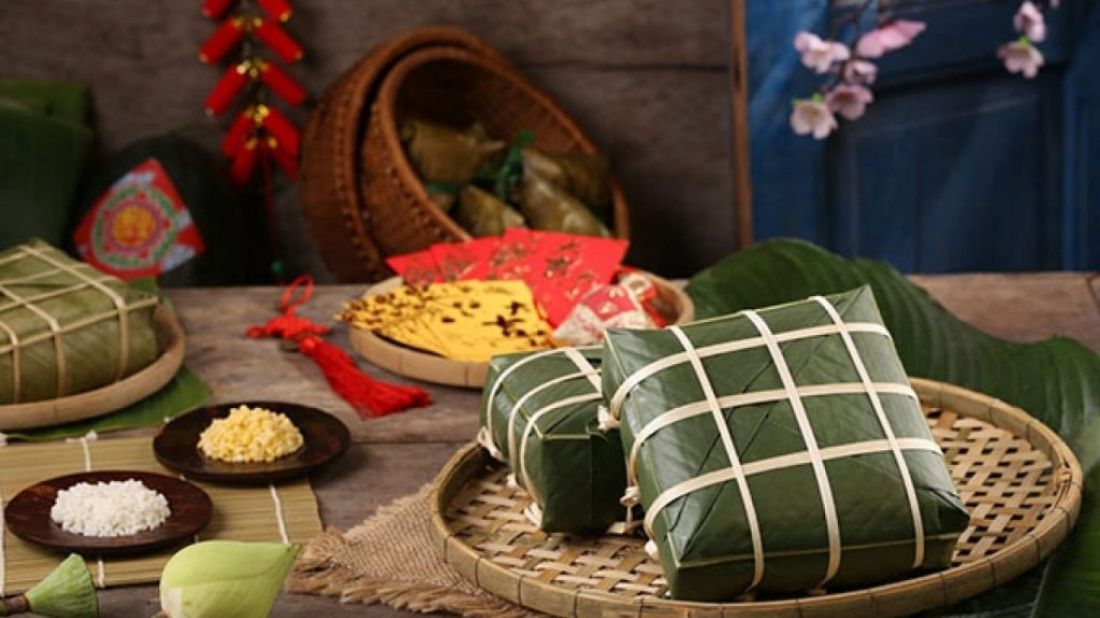
| Step | Process | Key Actions | Practical Purpose |
| 1. Ingredient Preparation | Preparing raw materials | Soak glutinous rice, cook mung beans, season pork | Softens ingredients, ensures even cooking and better texture |
| 2. Layering Ingredients | Arranging fillings | Rice → beans → pork → beans → rice | Creates balanced structure and even distribution of flavors |
| 3. Wrapping (Square Shape) | Folding with leaves | Use dong leaves to form a tight square | Keeps shape, protects ingredients, ensures even cooking |
| 4. Tying the Cake | Securing structure | Use bamboo strings to bind firmly | Prevents the cake from falling apart during long boiling |
| 5. Long Boiling Process | Cooking over fire | Boil continuously for 8–12 hours | Fully cooks ingredients, blends flavors, increases shelf life |
| 6. Cooling & Pressing | Post-cooking step | Remove, press to release excess water | Makes cake firmer, improves texture and preservation |
| 7. Family Participation | Social & cultural aspect | Wrapping together, watching the fire overnight | Strengthens family bonds and preserves tradition |
The next stage is the wrapping process, which requires skill and experience. Using large green leaves, typically dong leaves, the ingredients are layered—rice, beans, pork, and more rice—then carefully folded into a tight square shape. This structure is not only traditional but also practical, helping the cake cook evenly and hold together during long boiling.
Once wrapped, the cakes are placed in large pots and boiled continuously over fire for many hours, often ranging from 8 to 12 hours. This slow cooking allows all ingredients to blend together, creating a dense, cohesive texture while ensuring the cake can be preserved for several days.
Beyond the technical steps, making bánh chưng is also a family-centered activity, especially during Tết. Family members gather to prepare, wrap, and watch over the pot together, often staying up late to tend the fire. This shared process transforms cooking into a meaningful tradition, reinforcing bonds and passing down knowledge across generations.
3. When & How It Is Eaten
Bánh chưng is most closely associated with Tết Nguyên Đán, where it appears on family tables and ancestral altars as an essential festive food. During this time, the cake is eaten daily, often as part of main meals or shared casually among family members and guests.
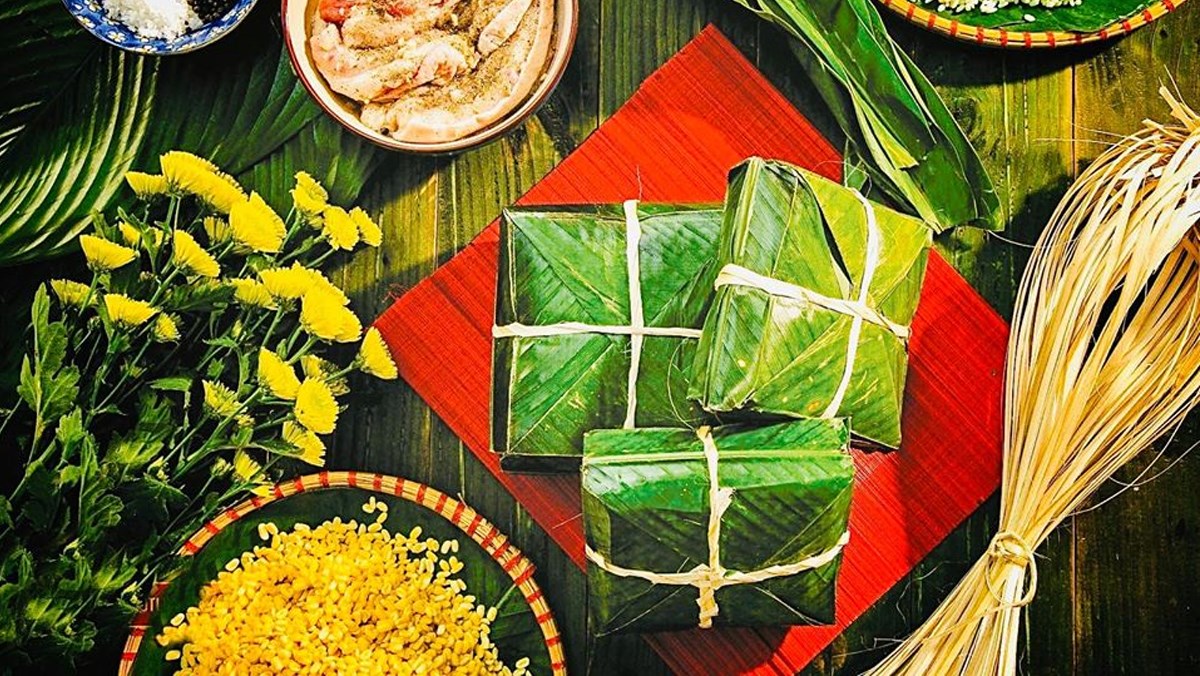
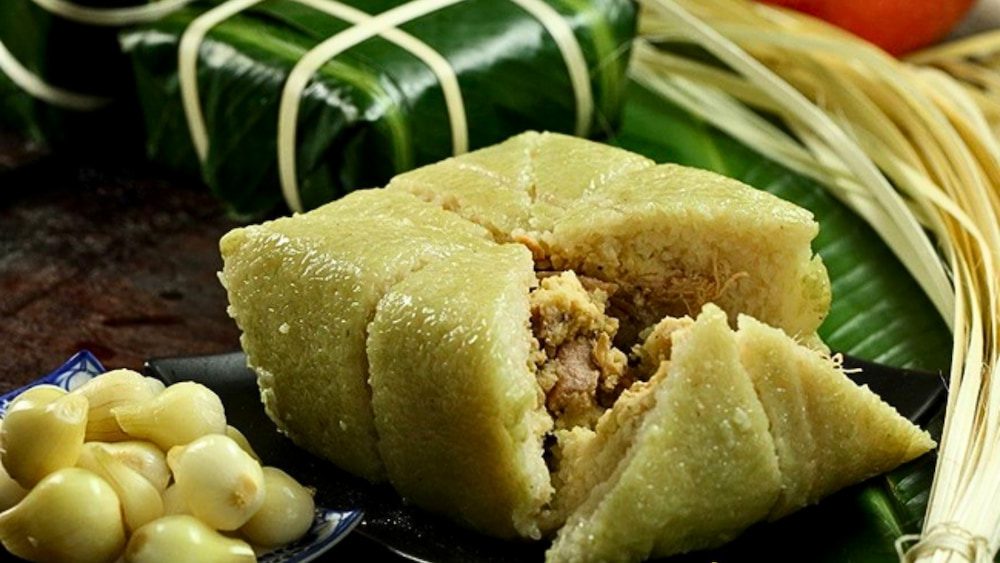
Traditionally, bánh chưng is served with pickled vegetables such as dưa hành (pickled onions) or dưa góp. These accompaniments are not just for taste—they help balance the richness and fattiness of the cake, making it easier to eat over several days during the holiday when meals tend to be heavier.
The cake can be enjoyed in different ways depending on time and preference. When freshly made, it is eaten soft and warm, showcasing its natural texture and flavor. After a few days, leftover bánh chưng is often sliced and pan-fried, creating a crispy outer layer while keeping the inside soft and rich. This method not only enhances taste and texture but also reflects a practical approach to avoiding food waste during the festive season.
Overall, how bánh chưng is eaten highlights a combination of tradition, balance, and practicality, adapting the dish to different moments throughout the Tết holiday.
4. Regional Variations
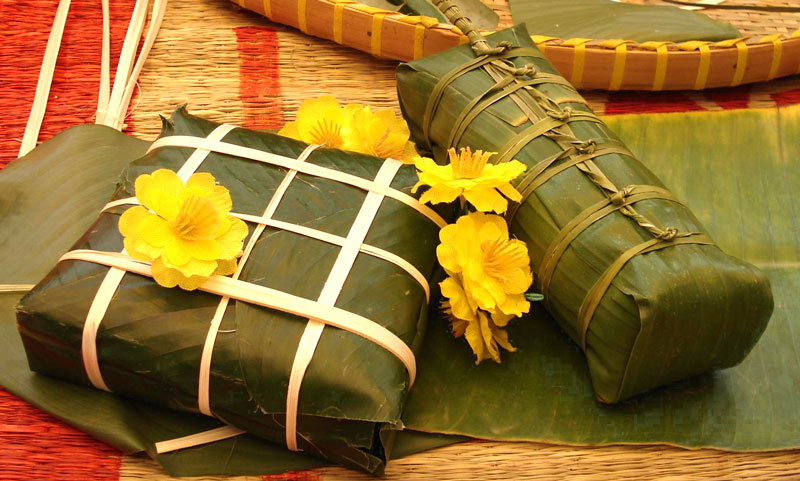
While bánh chưng is most closely associated with Northern Vietnam, its Southern counterpart—bánh tét—reflects how the same core concept has adapted to different regional conditions and cultural preferences. The most noticeable difference lies in shape: bánh chưng is square, while bánh tét is cylindrical, making it easier to prepare and store in the South, where long, tubular forms are more practical for wrapping and transport.
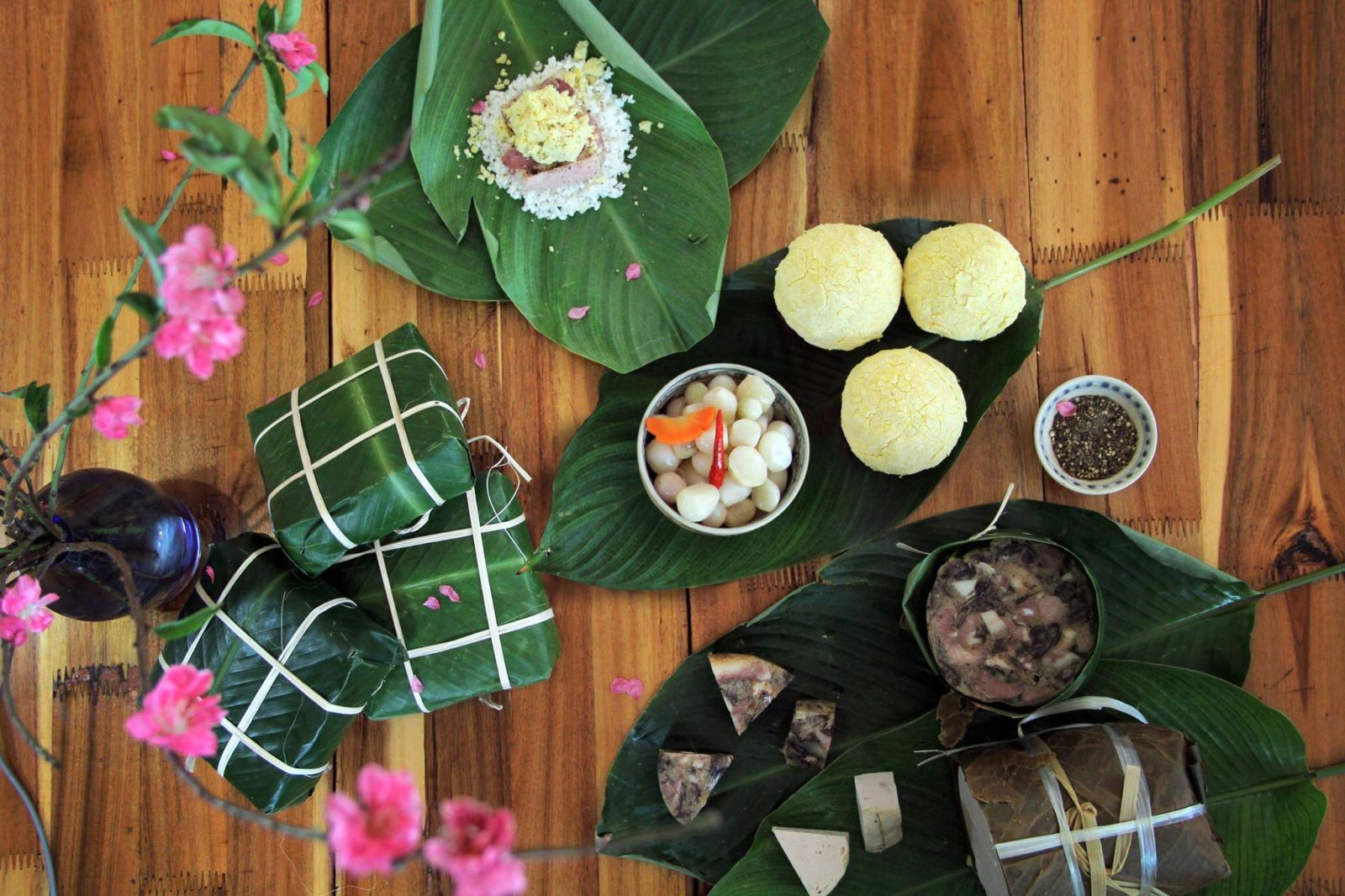
There are also variations in filling and flavor. In the North, bánh chưng typically contains a classic combination of glutinous rice, mung beans, and pork with a relatively savory profile. In the South, bánh tét often includes sweeter or more diverse fillings, such as banana, black beans, or coconut, reflecting the region’s preference for richer and slightly sweet flavors. The wrapping style also differs: bánh chưng requires careful folding to achieve its square shape, while bánh tét is rolled tightly into a log and tied with strings.
In modern times, both cakes have seen creative adaptations. Variations include vegetarian versions, smaller individual portions, and even colorful versions using natural plant dyes. Despite these changes, the core idea remains the same—combining rice, beans, and fillings into a durable, festive food. These regional and modern differences highlight the flexibility of Vietnamese cuisine while preserving its traditional roots.
5. Tips for Travelers
For travelers, experiencing authentic bánh chưng is not just about taste but also about timing and context. The best place to try it is in local markets, traditional food stalls, or family-run eateries, especially in Northern Vietnam where the dish originates. In cities like Hanoi, you can find bánh chưng year-round, but the most authentic versions are often homemade or sourced from small, traditional producers rather than mass-produced shops.
The best time to experience bánh chưng is in the days leading up to and during Tết Nguyên Đán. This is when families prepare the cakes themselves, and the atmosphere around making and sharing bánh chưng becomes part of the experience. Visiting during this period allows you to see the full cultural context, from wrapping the cakes to cooking them overnight.
To recognize high-quality bánh chưng, look for a few key details: the cake should have a natural green color from the leaves (not too dark or artificial), a firm but not overly hard texture, and a balanced ratio of rice, beans, and pork. The flavor should be mild, slightly savory, and fragrant, without being greasy or overly salty. When cut, the layers should be even and compact, showing careful preparation.
Overall, enjoying bánh chưng as a traveler is about more than just eating—it’s about understanding the tradition, timing, and craftsmanship behind one of Vietnam’s most meaningful dishes.
Conclusion
Bánh chưng is far more than a simple rice cake—it is a reflection of Vietnam’s history, agricultural system, and family-centered traditions. From its carefully selected ingredients and time-consuming preparation to the way it is shared and enjoyed during Tết, every aspect of bánh chưng carries meaning rooted in real life. Regional variations, modern adaptations, and evolving food habits continue to shape the dish, yet its core values remain unchanged. For anyone exploring Vietnamese culture, understanding bánh chưng is a meaningful way to experience the depth, practicality, and enduring spirit of the country’s culinary heritage.
BeDental – A Leading Dental Clinic for International Travelers in Vietnam
BeDental offers high-quality dental services for international travelers visiting Vietnam, combining modern technology with experienced dentists. Our services include general and cosmetic dentistry, dental implants, teeth whitening, and smile makeovers, all performed to international standards.
Designed for tourists, BeDental provides flexible appointments, English-speaking staff, and personalized treatment plans that fit travel schedules. With competitive pricing and convenient locations, BeDental allows visitors to improve their smile while enjoying their trip to Vietnam.