

 Tiếng Việt
 English
 日本語
日本語 中文 (中国)


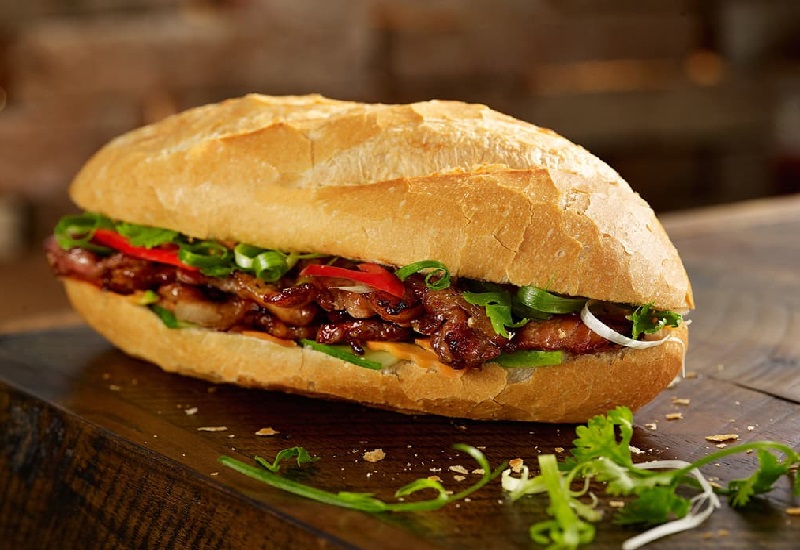
Banh mi Hanoi is one of the most beloved street foods, celebrated for its crispy baguette, flavorful fillings, and incredible versatility. A perfect example of cultural fusion, it combines French influences like the baguette and pâté with uniquely Vietnamese ingredients such as pickled vegetables, fresh herbs, and grilled meats. Whether enjoyed as a quick breakfast, a mid-day snack, or a light meal, banh mi reflects the daily life, culinary creativity, and vibrant street food culture of Hanoi.
The Origin of Banh Mi Hanoi
Banh mi Hanoi traces its roots back to the French colonial period, when the baguette and pâté were introduced to Vietnam. Originally, pâté was served much like in France—as a rich mixture of meat, liver, and fat, typically eaten as an appetizer or alongside bread.
As Hanoians adapted the sandwich to local tastes, pâté became an essential component of the filling rather than a separate dish. Vietnamese-style pâté is usually made from pork or chicken liver, finely blended and seasoned with garlic, pepper, and sometimes a touch of cream or milk to create a smooth, soft texture. This adaptation made the pâté lighter and better balanced with other ingredients like pickled vegetables, fresh herbs, and grilled or roasted meats, reflecting northern preferences for subtle yet harmonious flavors.
| Type of Bánh Mì | Main Ingredients | Flavor Profile | Key Features | Cultural Role |
| Bánh mì pate truyền thống | Baguette, pork pate, butter, herbs, pickles | Rich, savory, creamy | Simple, classic version found everywhere | Everyday street breakfast |
| Bánh mì thịt nướng | Grilled pork, cucumber, herbs, sauce | Smoky, savory, slightly sweet | Freshly grilled meat, strong aroma | Popular street food option |
| Bánh mì chả lụa | Vietnamese pork sausage, pate, vegetables | Light, balanced, mild savory | Soft texture, easy to eat | Common quick meal |
| Bánh mì trứng | Fried egg, butter, sauce, herbs | Soft, rich, slightly fatty | Very affordable, filling | Student and breakfast favorite |
| Bánh mì xíu mại | Meatballs in tomato sauce | Savory, slightly tangy | Served with sauce inside or separate bowl | More filling, “comfort food” style |
| Bánh mì gà xé | Shredded chicken, mayo, herbs | Light, creamy, mild | Healthier, less oily option | Modern café-style variation |
| Bánh mì thập cẩm | Mixed cold cuts, pate, egg, vegetables | Complex, rich, layered | Many fillings in one sandwich | “All-in-one” popular choice |
>>> See more:
Over time, this combination turned banh mi into a distinctly Vietnamese street food, with pâté playing a central role in its iconic taste. In many long-standing Hanoi bakeries, the pâté recipe is carefully preserved and passed down through generations, highlighting how a French import was creatively transformed into a staple of Vietnamese culinary identity.
What Makes Hanoi-Style Banh Mi Unique
Hanoi-style banh mi is distinguished by its light and crispy baguette, which has a thin, crunchy crust and a soft, airy interior. This texture makes it perfect for holding a variety of fillings without becoming soggy, reflecting the northern preference for subtle, balanced flavors.
The fillings themselves create a harmonious balance of savory, fresh, and tangy tastes. Rich elements like pâté, roasted pork, or cold cuts are complemented by pickled carrots and daikon, fresh cucumber, cilantro, and chili, while a light drizzle of mayonnaise or butter enhances the overall flavor without overwhelming the palate.
Compared to southern-style banh mi, Hanoi’s version is generally less sweet and more restrained, focusing on the interplay between textures and gentle seasoning rather than strong, bold flavors. This careful balance makes Hanoi-style banh mi uniquely satisfying and a true reflection of the city’s culinary identity.
When and How Locals Eat Banh Mi Hanoi
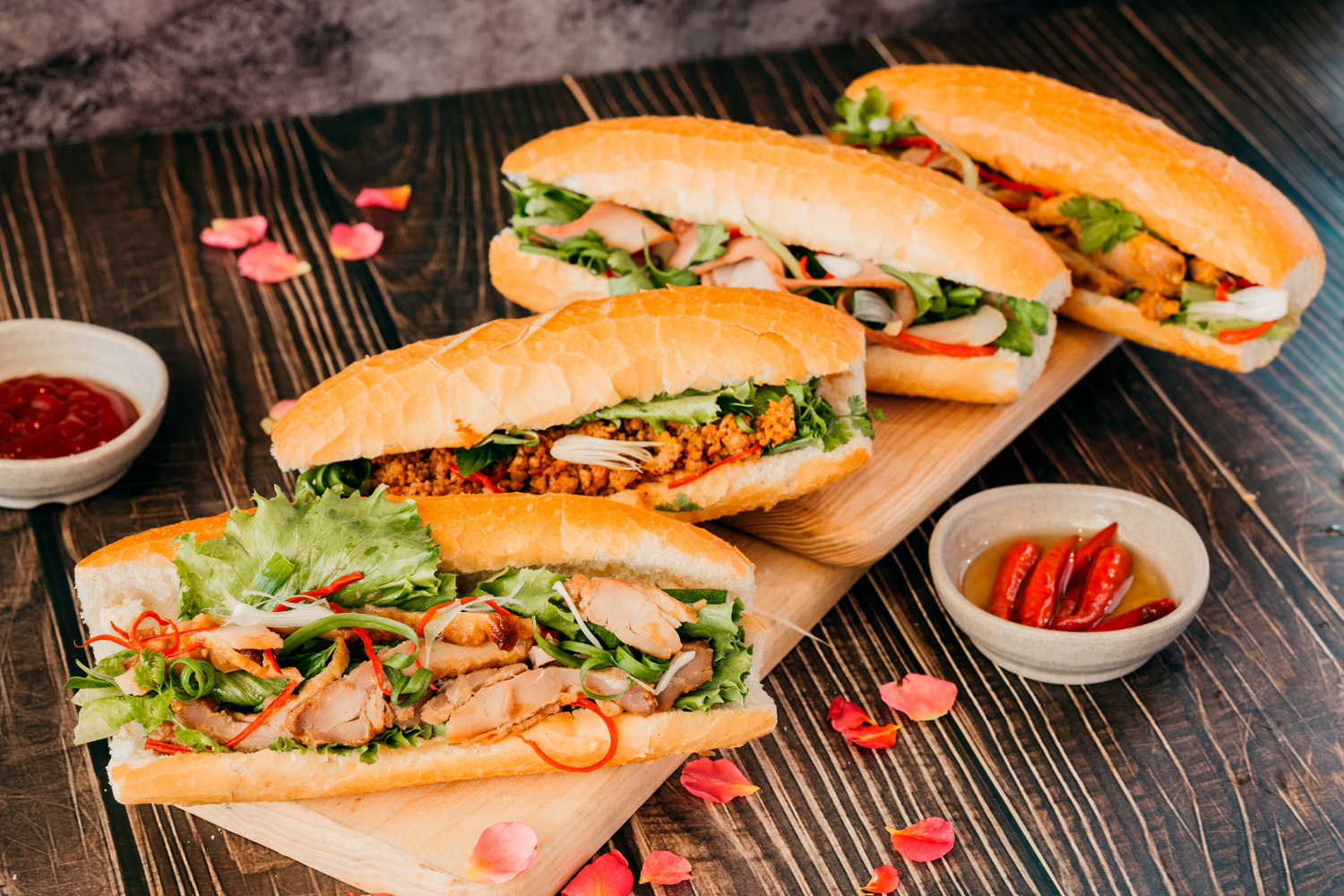
In Hanoi, banh mi is much more than just a quick meal—it is woven into the rhythm of daily life. Many locals start their mornings at bustling street-side stalls, enjoying a freshly baked sandwich as a hearty yet light breakfast before heading to work. Around mid-morning or early afternoon, it often serves as a convenient snack, a portable option for those on the go, or a refreshing change from heavier meals. Some even grab banh mi in the late afternoon for a casual bite before dinner.
>>> See more:
The culture surrounding banh mi reflects Hanoi’s street food spirit. Vendors skillfully assemble each sandwich in minutes, layering crispy baguette, creamy pâté, savory meats, pickled vegetables, fresh herbs, and a touch of chili or mayonnaise. Locals often stand at tiny plastic tables, chatting while eating, or simply take their banh mi to go, weaving past the city’s streets and alleys.
Banh mi’s popularity and convenience can be compared to fried chicken in the UK or hamburgers in the US, as it is widely available and fits seamlessly into a fast-paced lifestyle. However, unlike these global fast foods, banh mi Hanoi offers incredible flavor diversity—even with thousands of shops selling it, no two sandwiches taste exactly the same. Each vendor brings a unique combination of fillings, condiments, and bread texture, making every bite a distinctive culinary experience.
Popular Bánh Mì Variations in Hanoi
In Hanoi, bánh mì is not limited to the classic sandwich but has developed into many popular variations that reflect local creativity and changing street food habits. Each version keeps the signature crispy baguette but differs in fillings, preparation style, and how it is served.
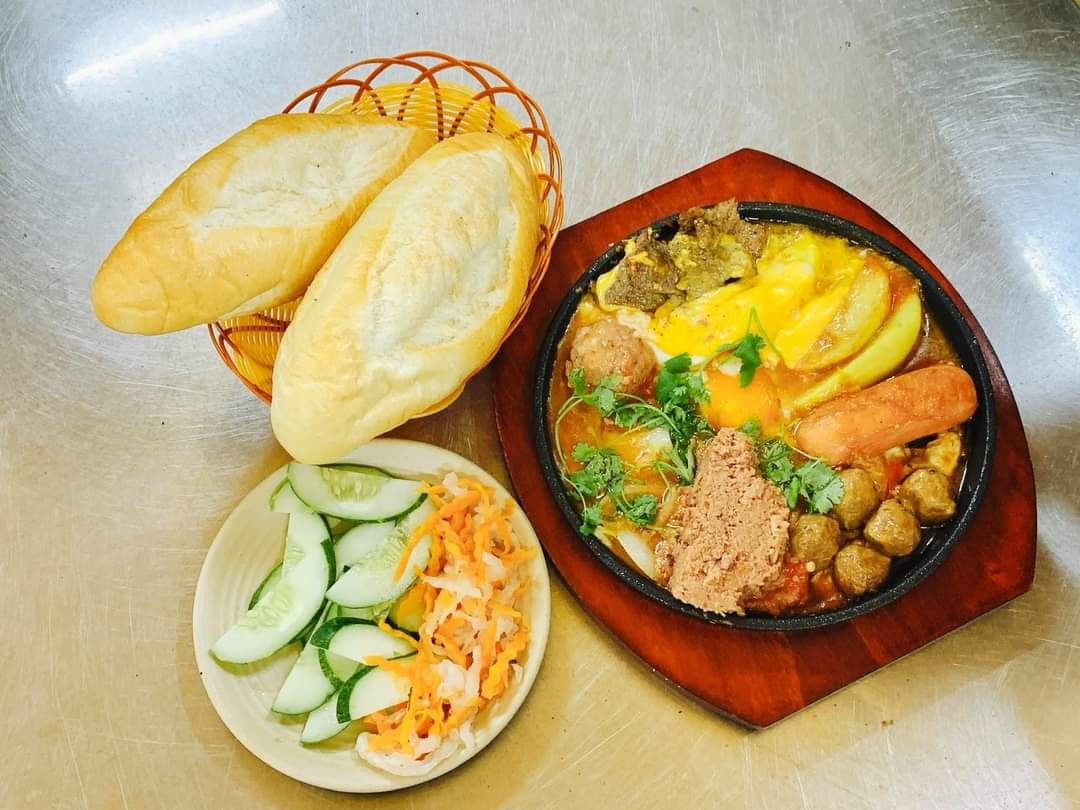
One of the most well-known variations is bánh mì chảo (pan-style bánh mì), where ingredients such as eggs, pate, sausages, and meat are served sizzling on a hot pan, with a separate baguette used for dipping. This version is richer and more “meal-like” compared to the traditional handheld sandwich.
Another popular type is bánh mì thịt nướng, featuring grilled pork that is marinated and cooked over charcoal, giving it a smoky aroma and slightly caramelized flavor. This version is especially popular among street food lovers who enjoy bold, freshly grilled tastes.
Bánh mì chả (pork sausage bánh mì) is a lighter and more traditional option, usually filled with Vietnamese pork sausage (chả lụa), pate, pickles, and herbs. It is simple, balanced, and commonly eaten as a quick breakfast.
Overall, these variations show how bánh mì in Hanoi has evolved from a simple street sandwich into a diverse food category, adapting to different tastes while still maintaining its core identity of crispy bread, rich fillings, and fast, convenient enjoyment.
Famous Bánh Mì Brands & Shops in Hanoi
In Hanoi, bánh mì brands and street shops play an important role in shaping the city’s modern street food identity. From long-standing traditional stalls to contemporary café-style chains, each brand contributes a different interpretation of this iconic Vietnamese sandwich. Well-known names such as local street vendors in the Old Quarter preserve the classic flavors with simple fillings like pate, cold cuts, and pickled vegetables, reflecting the everyday eating habits of locals. At the same time, modern brands and chains introduce more creative versions such as grilled chicken, beef, or fusion-style sauces, making bánh mì more diverse and appealing to younger consumers and international visitors.
| Brand / Shop | Type | Location | Signature Style | Why It’s Famous |
| Bánh Mì 25 | Street café / tourist favorite | Old Quarter | Classic bánh mì with many fillings (pate, grilled pork, chicken) | Famous international spot, clean taste, consistent quality |
| Bami Bread | Modern chain | Multiple branches | Fusion-style bánh mì (chicken, beef, eggs, sauces) | Popular modernized brand, café-style presentation |
| Bánh Mì Dân Tổ | Night street stall | Trần Nhật Duật area | Mixed fillings, heavily toasted bread | Iconic late-night street food experience |
| Bánh Mì Phố | Local chain | Various districts | Traditional Vietnamese fillings | Known for affordable, everyday bánh mì |
| Bánh Mì Lãn Ông | Traditional street shop | Lãn Ông Street | Simple pate, cold cuts, pickles | Long-standing local favorite in Old Quarter |
Some brands focus on preserving authenticity with affordable, quick street-side service, while others emphasize hygiene, branding, and a café-style dining experience. This contrast shows how bánh mì has evolved from a humble street food into a versatile culinary product that can adapt to different lifestyles. Despite these variations, all bánh mì brands in Hanoi share the same foundation: a crispy baguette filled with balanced, flavorful ingredients that reflect the essence of Vietnamese cuisine.
Tips for First-Time Banh Mi Lovers
How to order banh mi Hanoi like a local
Ordering banh mi Hanoi is simple once you know the basics. A typical approach is to ask for “một ổ bánh mì thập cẩm” (a mixed sandwich) or specify a filling you like, such as grilled pork, cold cuts, or egg. Locals usually accept the shop’s standard combination first and then adjust condiments, such as chili or mayonnaise, to suit personal taste.
Suggested fillings for beginners
For first-time eaters, pâté and cold cuts offer a classic introduction to Hanoi-style banh mi. Adding pickled carrots and daikon, fresh cucumber, and a sprinkle of cilantro brings a balanced, refreshing flavor. Grilled meats or eggs can be included for extra protein, while fried shallots or chili add a subtle kick for those who enjoy bolder tastes.
>>> See more:
What to expect on your first bite
Your first bite will reveal the hallmark contrast of textures and flavors: the crispiness of the baguette, the creaminess of pâté, the savory richness of meats, and the freshness of herbs and pickles. Each element works in harmony, creating a satisfying yet light meal. Eating banh mi Hanoi in a street-side stall also offers an authentic sensory experience—the sights, sounds, and aromas of Hanoi’s bustling streets enhance every bite.
Bánh mì & Its Popular Pairings in Hanoi
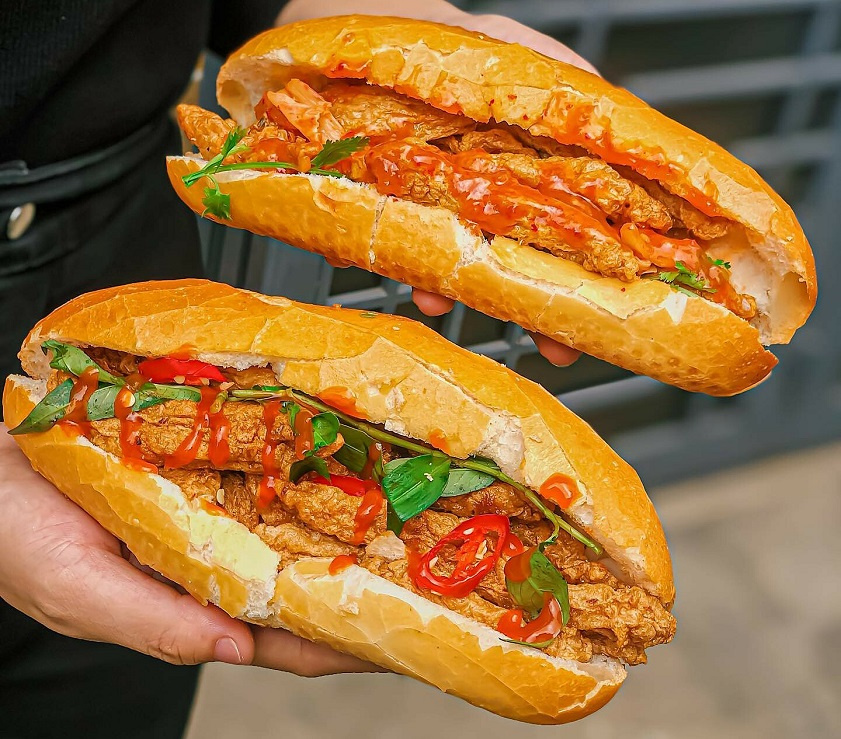
In Hanoi’s street food culture, bánh mì is often enjoyed not just as a standalone sandwich but as part of a wider eating experience that includes complementary sides, fillings, and drinks. Thanks to its portability and rich flavor, bánh mì has become a flexible food that can be adapted to different tastes and meal times, from a quick breakfast to a late-night snack.
One of the most common ways to enjoy bánh mì in Hanoi is with simple drinks that balance its richness, such as iced tea (trà đá) or bottled water. These light beverages help cut through the buttery, savory fillings and keep the meal refreshing. Some people also pair bánh mì with Vietnamese iced coffee (cà phê sữa đá) in the morning, creating a strong, energetic start to the day.
In terms of food combinations, bánh mì is sometimes eaten alongside light snacks or soups, especially in traditional street stalls. For example, customers may add a bowl of chả (Vietnamese sausage) or enjoy it before a hot bowl of porridge or noodle soup. In modern cafés, bánh mì is also served with fries, salad, or fusion-style sides, reflecting its evolution beyond traditional street food.
Overall, bánh mì in Hanoi is not just a single dish but part of a flexible street food ecosystem, where simple pairings and drinks enhance its flavor and make it suitable for many different daily eating occasions.
Conclusion
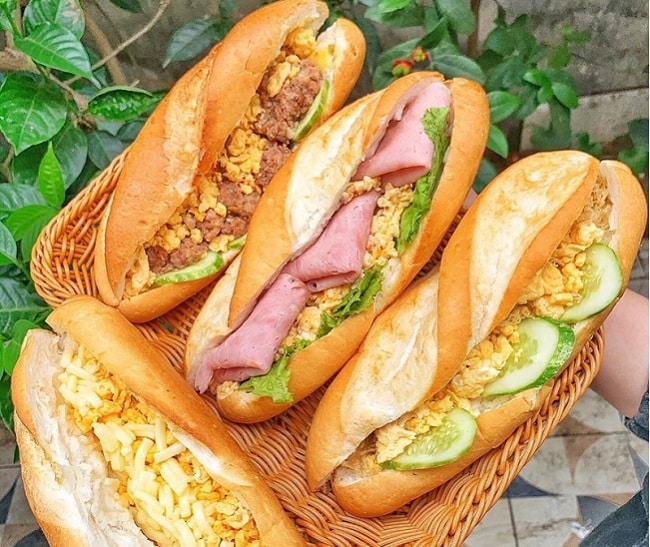
Trying banh mi Hanoi is more than just tasting a sandwich—it is an immersion into the city’s culture and street food traditions. From bustling street-side stalls to long-standing family bakeries, each bite tells a story of local flavor, creativity, and heritage. Its portability, variety, and distinctive taste make banh mi a must-try culinary experience, offering visitors a delicious way to connect with the heart of Hanoi.
BeDental – A Leading Dental Clinic for International Travelers in Vietnam
BeDental offers high-quality dental services for international travelers visiting Vietnam, combining modern technology with experienced dentists. Our services include general and cosmetic dentistry, dental implants, teeth whitening, and smile makeovers, all performed to international standards.
Designed for tourists, BeDental provides flexible appointments, English-speaking staff, and personalized treatment plans that fit travel schedules. With competitive pricing and convenient locations, BeDental allows visitors to improve their smile while enjoying their trip to Vietnam.