

 Tiếng Việt
 English
 日本語
日本語 中文 (中国)


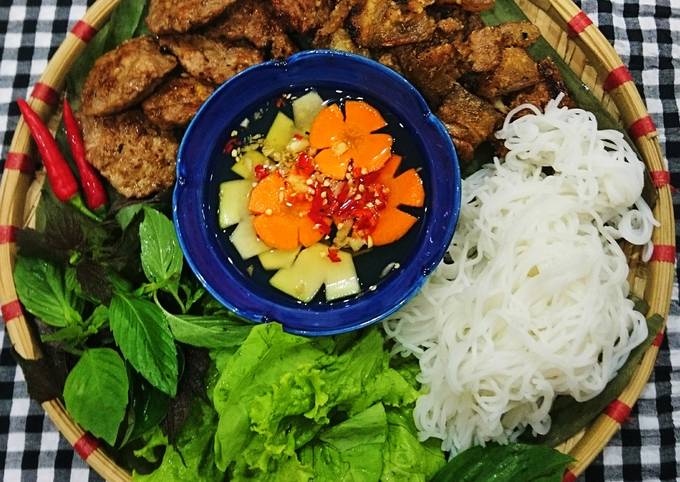
Bun cha Hanoi is one of most iconic dishes in Vietnam, deeply woven into the city’s daily life and cultural identity. Loved by both locals and visitors, this simple combination of charcoal-grilled pork, rice noodles, fresh herbs, and dipping sauce reflects the balance and subtlety of northern Vietnamese cuisine. More than just a meal, bun cha offers a glimpse into Hanoi’s street food traditions, social habits, and distinctive sense of place.
The Origin of Bun Cha Hanoi
Bun cha originated in Hanoi as a humble street food dish that reflects the everyday lifestyle of the city’s residents. Emerging in the early 20th century, it was traditionally sold by street vendors who grilled pork over charcoal and served it with rice noodles and dipping sauce to workers and local families. This simple yet flavorful meal quickly became a lunchtime favorite, deeply rooted in Hanoi’s food culture.
>>> See more:
Closely connected to Hanoi’s street food traditions, bun cha is typically prepared and enjoyed in small, casual eateries where the aroma of grilled pork fills the air. Its international recognition grew significantly after being featured by global media and food travelers, turning bun cha into a must-try dish for visitors and helping it gain worldwide popularity while remaining true to its local origins.
Comparison of Bún Chả Hà Nội vs Regional Variations
Bun cha Hà Nội is often considered the most “classic” version of this dish, defined by its balanced, subtle flavors and precise cooking style. In Hanoi, the pork is typically grilled over charcoal until just lightly charred, creating a smoky aroma without being overly sweet or heavily seasoned. The dipping sauce is carefully adjusted to achieve a clean balance of sweet, sour, and salty, and the dish is always served with fresh herbs and simple rice noodles to maintain harmony.
In contrast, bún chả in other regions of Vietnam tends to reflect local taste preferences and ingredient availability. In some southern variations, the dipping sauce may be sweeter and richer, with more sugar or additional condiments, while the grilled pork can be marinated more heavily for a stronger, bolder flavor. In certain central or provincial areas, the dish may also include spicier elements or different herb combinations, making the overall taste more intense compared to the delicate balance found in Hanoi.
| Criteria | Bún Chả Hà Nội | Bún Chả in Other Regions |
| Flavor profile | Balanced, subtle, light sweetness and acidity | Often sweeter, richer, or more strongly seasoned depending on region |
| Grilled pork | Light charcoal grilling, mild marinade, smoky but not overpowering | Heavier marination, sometimes sweeter or spicier, stronger seasoning |
| Dipping sauce | Carefully balanced fish sauce–sugar–vinegar mix | Can be sweeter (South), spicier (Central), or more robust in flavor |
| Herbs used | Simple: mint, perilla, lettuce, cilantro | More diverse or locally available herbs depending on region |
| Noodle style | Soft, plain rice vermicelli, neutral taste | Similar base but sometimes paired with different textures or side variations |
| Overall style | Refined, minimal, focused on harmony | More expressive, diverse, adapted to local taste preferences |
| Cultural identity | Represents culinary precision of Hanoi | Reflects regional creativity and adaptation across Vietnam |
Overall, while bún chả across Vietnam shares the same core structure of grilled pork, noodles, and dipping sauce, the bun cha Hanoi version stands out for its refinement, restraint, and focus on balance, representing the culinary identity of Northern Vietnam, whereas regional variations highlight diversity and local adaptation.
What Makes Bun Cha Hanoi Special
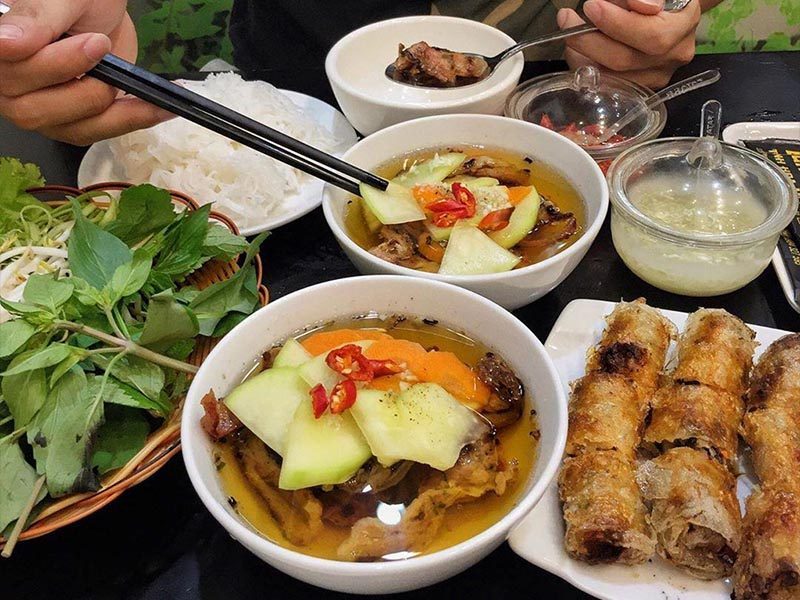
Charcoal-grilled pork and its smoky aroma Bun cha Hanoi is defined by its charcoal-grilled pork, which is cooked over open flames until lightly charred and fragrant. The grilling process creates a smoky aroma and caramelized exterior, while keeping the meat juicy and tender inside, making it instantly recognizable on Hanoi’s streets.
| Aspect | Description | Culinary Role | Experience Impact |
| Charcoal-grilled pork & smoky aroma | Pork is grilled over open charcoal flames until lightly charred on the outside while remaining juicy inside | Creates the signature base flavor of the dish | Gives a distinctive smoky smell and rich caramelized taste that defines bún chả |
| Balance of sweet, sour & savory flavors | Dipping sauce is made from fish sauce, sugar, vinegar, garlic, and chili in careful proportions | Connects all components together | Produces a harmonious flavor profile that enhances, not overpowers, the pork |
| Harmony of noodles, herbs & sauce | Soft rice noodles, fresh herbs (mint, lettuce, perilla), and warm dipping sauce | Adds freshness and textural contrast | Creates a balanced bite with hot–cold and rich–light sensations in each mouthful |
The balance of sweet, sour, and savory flavors The dipping sauce is carefully balanced with fish sauce, sugar, vinegar, and chili, creating a harmony of sweet, sour, and savory tastes. This well-rounded flavor profile enhances the grilled pork rather than overpowering it, which is a key characteristic of bun cha.
Fresh noodles, herbs, and dipping sauce harmony Soft rice noodles and fresh herbs such as lettuce, mint, and perilla add lightness and freshness to the dish. When combined with the warm dipping sauce and grilled pork, all elements come together in perfect harmony, delivering a balanced and satisfying eating experience.
Bun Cha Variations Across Hanoi
Although bun cha Hanoi follows a traditional formula, its flavors vary across different neighborhoods in Hanoi. Some places focus on thick, juicy pork patties, while others prefer thinly sliced pork belly grilled until slightly crispy. Marinades also differ by shop, with some using more garlic and pepper, and others adding a touch of honey or caramelized sugar for a deeper, smokier taste.
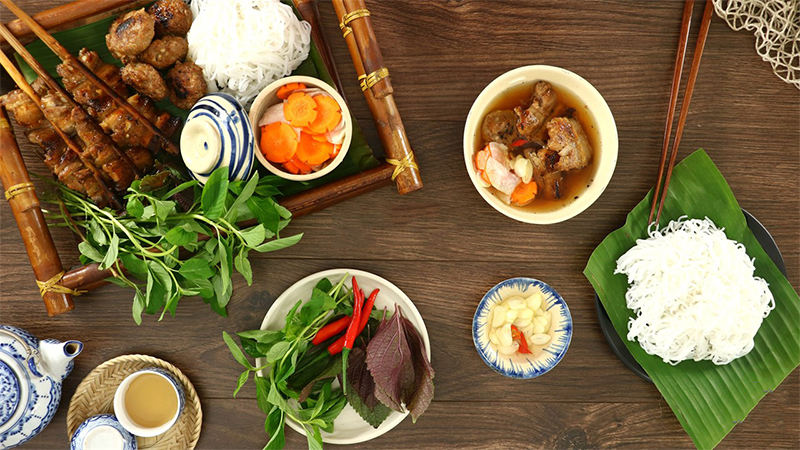
| Component | Ingredients | Role in Dish | Notes on Preparation |
| Grilled Pork (Chả nướng) | Pork belly, minced pork, garlic, shallots, fish sauce, sugar, pepper | Main protein, smoky savory flavor | Marinated then grilled over charcoal for aroma |
| Vermicelli (Bún) | Rice noodles | Carbohydrate base | Served fresh, soft and slightly cool |
| Dipping Sauce (Nước chấm) | Fish sauce, sugar, vinegar, garlic, chili, water | Balances and combines all elements | Must be lightly sweet-sour, often served warm |
| Fresh Herbs (Rau sống) | Lettuce, mint, cilantro, perilla | Adds freshness and aroma | Served raw to balance grilled meat |
| Pickled Vegetables | Green papaya, carrot, vinegar, sugar | Adds acidity and crunch | Enhances texture and cuts fat |
| Optional Side Garnish | Fried spring rolls (nem rán) | Extra richness and texture | Often served as an additional option |
Many bun cha shops are family-run, with recipes passed down through generations. These local styles often reflect personal techniques and subtle seasoning adjustments that make each bowl unique. In recent years, modern adaptations have appeared in restaurants, offering cleaner presentations or premium ingredients, while still preserving the core elements that define authentic bun cha.
Best Time and Places to Enjoy Bun Cha
Bun cha Hanoi is most commonly enjoyed from late morning to early afternoon, when the pork is freshly grilled over charcoal and served at its most aromatic. However, many shops also attract customers in the morning and late afternoon, when diners look for a flavorful yet well-balanced meal. With smoky grilled pork, light rice noodles, fresh herbs, and gently seasoned dipping sauce, bun cha feels satisfying without being overly heavy, making it a popular choice to refresh the palate from richer, high-calorie meals.
You can find bun cha throughout Hanoi, but some of the most well-known areas include the Old Quarter, Nguyen Huu Huan Street, Hang Manh Street, and neighborhoods around Hoan Kiem Lake. These areas are lively and deeply rooted in Hanoi’s food culture, where many shops have been serving loyal local customers for years.
| Restaurant | Location (Hanoi) | Signature 특징 | Why It’s Famous |
| Bún Chả Hương Liên | Lê Văn Hưu Street | Grilled pork with rich smoky flavor | Known globally after U.S. President Obama visited |
| Bún Chả Đắc Kim | Old Quarter | Classic Northern-style bún chả | One of the most traditional and long-standing spots |
| Bún Chả 34 Hàng Than | Hàng Than Street | Strong charcoal aroma, well-marinated pork | Popular local favorite with consistent quality |
| Bún Chả Sinh Từ | Multiple branches in Hanoi | Clean taste, standardized recipe | Known for modernized chain-style consistency |
| Bún Chả Tuyết | Old Quarter area | Affordable, simple traditional flavor | Popular with locals and budget travelers |
| Bún Chả Ta | Old Quarter | Refined presentation, balanced taste | Designed for tourists but keeps authentic flavor |
Street stalls are especially loved for their open charcoal grills placed right at the entrance, filling the air with the smoky aroma of grilled pork. Diners sit on small stools, enjoy quick service, and experience bun cha in its most traditional form. Established restaurants, on the other hand, offer a more comfortable setting with indoor seating and consistent quality, appealing to those who prefer a relaxed dining experience while still enjoying authentic flavors.
Bun Cha and Hanoi’s Cultural Identity
Bun cha Hanoi is more than a popular local dish—it has become a defining symbol of Hanoi’s culinary identity. One of the most well-known examples is the “bun cha Obama” moment in 2016, when former U.S. President Barack Obama shared a casual bun cha meal with Chef Anthony Bourdain at a small local restaurant in Hanoi. This simple, street-level dining experience drew global attention, highlighting not luxury or fine dining, but the authenticity and everyday nature of Hanoi’s food culture. It showed how bun cha represents the city’s spirit: approachable, unpretentious, and deeply rooted in daily life.
>>> See more:
What makes bun cha Hanoi culturally distinctive is how closely it is tied to Hanoi itself. The balance of lightly seasoned dipping sauce, charcoal-grilled pork, fresh herbs, and soft noodles reflects northern Vietnamese tastes, which favor subtlety over sweetness or spice. Because of this regional preference, bun cha remains largely a Hanoi specialty. While it can be found in other parts of Vietnam, it is rare to encounter the same concentration of dedicated bun cha eateries in central or southern regions, where flavor profiles and eating habits differ.
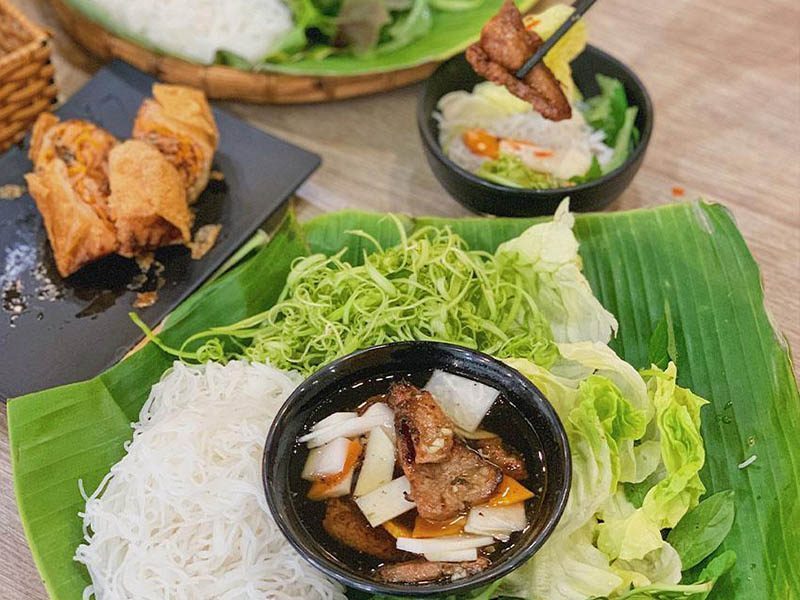
As a result, bun cha has become a flavor strongly associated with the capital. For many travelers, tasting bun cha in Hanoi is not just about eating a famous dish, but about experiencing something that feels inseparable from the city itself—an everyday meal that carries cultural meaning and a sense of place that cannot easily be replicated elsewhere in Vietnam.
Tips for First-Time Bun Cha Lovers
How to order like a local For first-time diners, ordering bun cha Hanoi is simple. In most local shops, you can just say “một suất bún chả,” and the standard set will be served automatically. Locals rarely customize much at the start; instead, they taste the dipping sauce first and then adjust it with garlic, chili, or vinegar if needed.
>>> See more:
Suggested side dishes and drinks Bun cha Hanoi is often enjoyed with a side of fried spring rolls (nem ran) for extra richness, especially when sharing with friends. As for drinks, locals usually choose iced tea (tra da) or a cold bottle of water to balance the smoky, savory flavors of the grilled pork.
| Category | Items | Description | Why It Complements Bún Chả |
| Side Dish | Nem rán (fried spring rolls) | Crispy rolls filled with minced pork, vegetables, and glass noodles | Adds extra richness, crunch, and variety to the meal, especially when sharing |
| Drink | Trà đá (iced tea) | Light, unsweetened Vietnamese iced tea | Refreshes the palate and balances the smoky, fatty flavors of grilled pork |
| Drink | Bottled water | Chilled plain water | Helps cleanse the mouth between bites, keeping the taste light and clean |
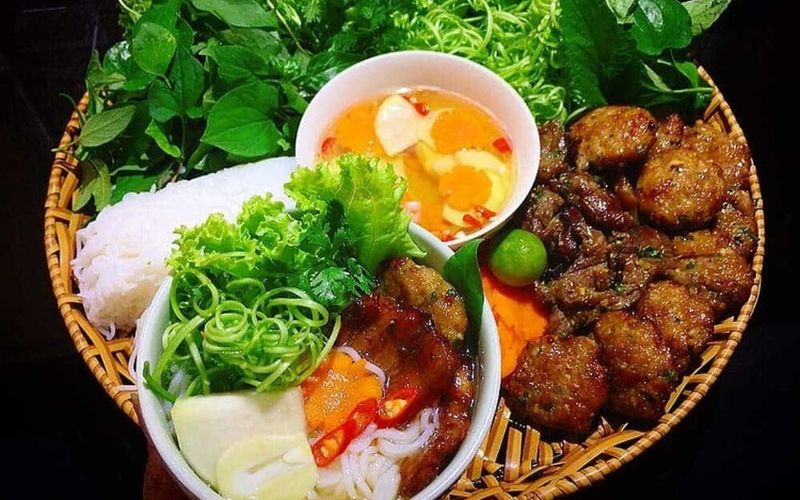
What to expect on your first try On your first try, expect a dish that is fragrant rather than overpowering, with a pleasant contrast between warm grilled pork and cool noodles and herbs. The experience is casual and unhurried, often enjoyed in a lively, local setting, making bun cha as much about atmosphere as it is about flavor.
Conclusion
Experiencing bun cha Hanoi is about more than tasting a famous dish—it is about understanding the rhythm and character of the city. From small street-side stalls to long-established restaurants, bun cha continues to bring people together through shared meals and familiar flavors. Its strong connection to Hanoi, rarely replicated elsewhere in Vietnam, makes bun cha Hanoi a must-try experience for anyone who wants to truly connect with the capital’s culture and everyday life.
BeDental – A Leading Dental Clinic for International Travelers in Vietnam
BeDental offers high-quality dental services for international travelers visiting Vietnam, combining modern technology with experienced dentists. Our services include general and cosmetic dentistry, dental implants, teeth whitening, and smile makeovers, all performed to international standards.
Designed for tourists, BeDental provides flexible appointments, English-speaking staff, and personalized treatment plans that fit travel schedules. With competitive pricing and convenient locations, BeDental allows visitors to improve their smile while enjoying their trip to Vietnam.