
Câu chuyện khách hàng
Hotel de Opera Hanoi: Boutique Luxury & Guest Review
Th5

Hotel de Opera Hanoi is one of Hanoi’s most distinctive boutique luxury hotels, combining theatrical interior design, French-inspired elegance, and a refined location within the city’s historic French Quarter. Situated near the iconic Hanoi Opera House and close to Hoan Kiem Lake, the hotel offers a very different atmosphere from Hanoi’s larger corporate luxury properties or chaotic Old Quarter accommodations.
Rather than focusing on oversized facilities or resort-style scale, Hotel de l’Opera emphasizes mood, aesthetics, and emotional immersion through dramatic interiors, intimate social spaces, and boutique-style hospitality. This review explores how the hotel positions itself within Hanoi’s luxury market through its location, design identity, dining atmosphere, guest experience, and overall boutique luxury character.
1. One of Hanoi’s Most Elegant French Quarter Locations- Hotel de Opera Hanoi
Hotel de Opera Hanoi benefits from one of the most refined luxury hotel locations in central Hanoi, situated within the city’s historic French Quarter near the iconic Hanoi Opera House and only a short distance from Hoan Kiem Lake. Unlike the dense and highly chaotic atmosphere of the Old Quarter, this area feels more spacious, elegant, and architecturally polished, creating a noticeably calmer urban experience.
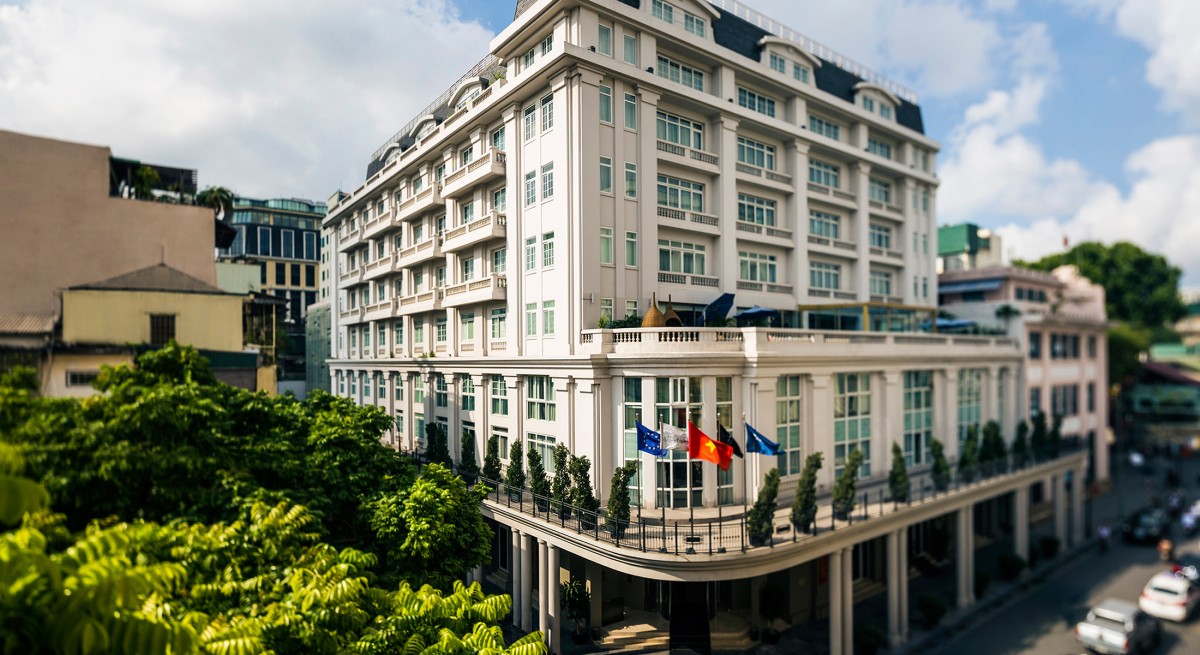
The surrounding neighborhood combines colonial-era buildings, luxury boutiques, cultural landmarks, embassies, and upscale cafés, giving the hotel a more sophisticated environment compared to many tourist-heavy areas in Hanoi. Guests can still access the energy and attractions of the city center quickly, but without being fully immersed in the constant traffic intensity and crowded street rhythm commonly associated with the Old Quarter.
Compared to large business-oriented hotels located deeper within Hanoi’s administrative districts, Hotel de l’Opera also benefits from a stronger cultural atmosphere. The proximity to theaters, historic streets, and French-inspired architecture reinforces the hotel’s boutique luxury identity and aligns naturally with its dramatic interior design concept.
This positioning creates a strong balance between accessibility and atmosphere: central enough for sightseeing and business convenience, yet refined enough to feel separated from the more chaotic side of urban Hanoi.
2. A Dramatic Interior Style Rare Among Hanoi Luxury Hotels
Hotel de l’Opera Hanoi distinguishes itself through one of the most visually recognizable interior concepts in Hanoi’s luxury hotel market. Instead of following the clean corporate minimalism commonly found in international 5-star hotels, the property embraces a theatrical boutique-inspired design language filled with dark wood finishes, velvet textures, dramatic contrasts, and artistic lighting arrangements.
The atmosphere throughout the hotel feels intentionally cinematic and emotionally expressive, drawing inspiration from classic European opera aesthetics while still maintaining modern luxury comfort. Corridors, guest rooms, restaurants, and lounge spaces all share a strong visual continuity, creating a more immersive identity compared to hotels that prioritize neutral or universally standardized interiors.
Interior Style Comparison (Luxury Hotels in Hanoi)
| Hotel | Design Identity | Atmosphere | Visual Style |
| Hotel de l’Opera Hanoi | Theatrical boutique luxury | Dramatic & intimate | Dark wood, velvet, artistic lighting |
| Sofitel Legend Metropole Hanoi | French colonial heritage | Elegant & historic | Classic white colonial luxury |
| JW Marriott Hanoi | Modern international luxury | Corporate & contemporary | Glass, marble, minimalist lines |
| InterContinental Hanoi Westlake | Lakeside resort luxury | Calm & relaxing | Warm tones, Vietnamese accents |
Compared to hotels like JW Marriott Hanoi or Melia Hanoi, which emphasize modern business luxury, Hotel de l’Opera creates a far stronger sense of personality and artistic atmosphere. Even when compared to heritage-focused luxury properties such as Sofitel Metropole, Hotel de l’Opera feels more stylized and emotionally immersive rather than historically formal.
This distinct design direction becomes one of the hotel’s biggest competitive advantages, especially for travelers who value aesthetics, mood, and memorable visual experiences as part of luxury hospitality.
3. Dining Spaces Designed Like Artistic Social Lounges
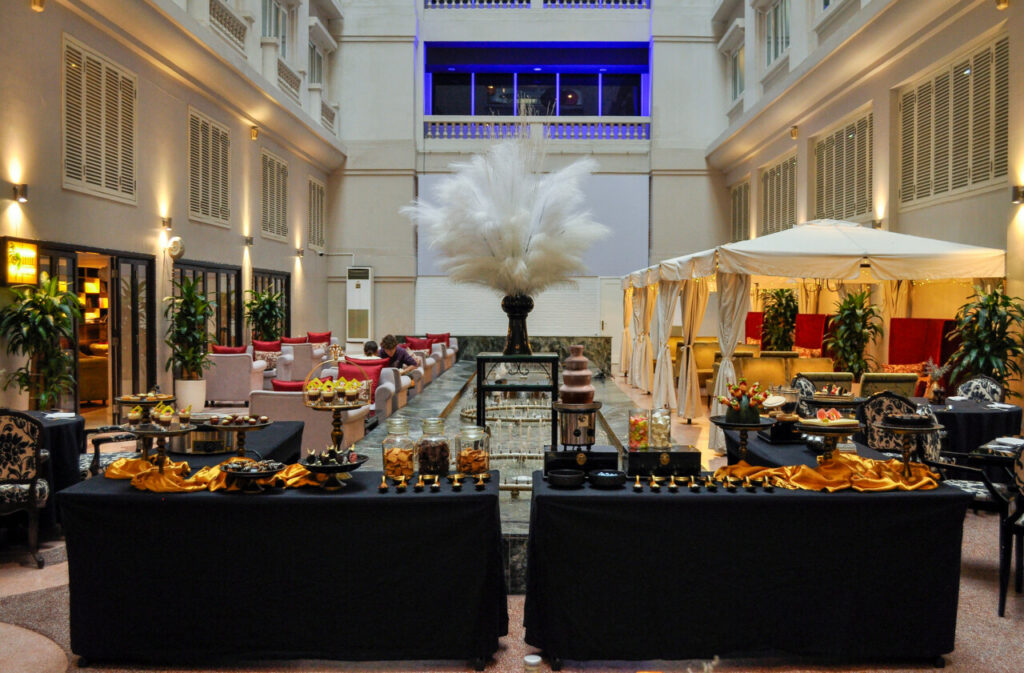
At Hotel de l’Opera Hanoi, the dining experience is designed to feel closely connected to the hotel’s theatrical identity rather than functioning as a standard luxury hotel restaurant setup. Spaces such as Café Lautrec, Satine restaurant, and La Fée Verte bar emphasize atmosphere, lighting, textures, and social intimacy, creating environments that feel more like artistic lounges than conventional hotel dining venues.
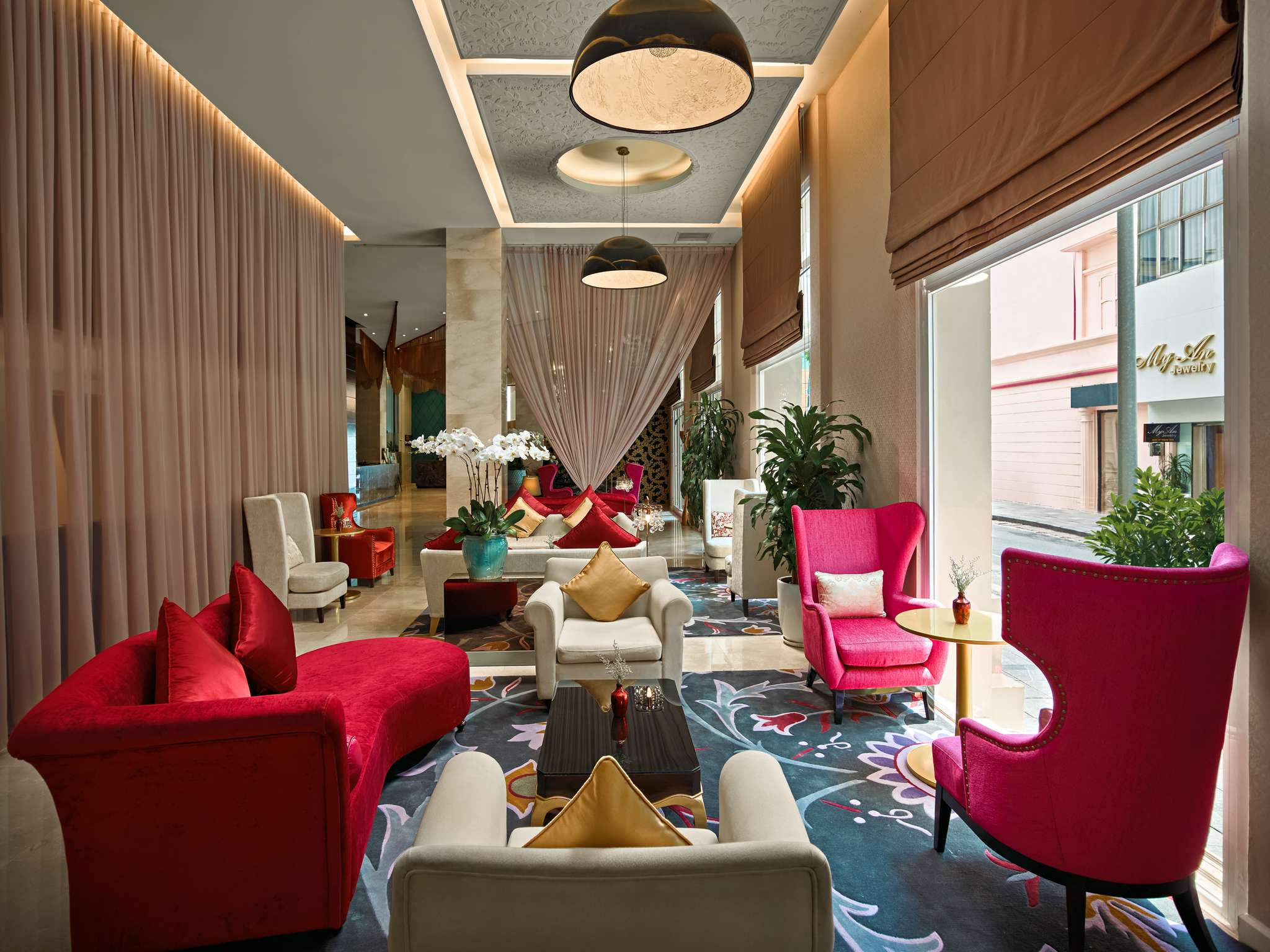
Instead of focusing on oversized buffet halls or large-scale business dining operations, the hotel prioritizes mood and aesthetic immersion. Seating layouts are more compact and carefully arranged, while the interior styling continues the dramatic design language seen throughout the hotel with dark tones, decorative accents, and theatrical lighting effects.
Dining Atmosphere Comparison (Hotel de Opera Hanoi)
| Hotel | Dining Style | Atmosphere | Social Experience |
| Hotel de l’Opera Hanoi | Boutique artistic dining | Dramatic & intimate | Lounge-like social atmosphere |
| JW Marriott Hanoi | Large luxury dining venues | Modern & upscale | Business and event-oriented |
| InterContinental Hanoi Westlake | Lakeside resort dining | Relaxed & scenic | View-focused social experience |
| Sofitel Legend Metropole Hanoi | French fine dining | Elegant & formal | Heritage luxury atmosphere |
Compared to larger international hotels where restaurants often function primarily as high-capacity dining spaces, Hotel de l’Opera creates a more personal and visually curated experience. The emphasis is less on quantity and scale, and more on ambiance, mood, and aesthetic consistency.
This makes the hotel especially appealing to couples, boutique-luxury travelers, and guests who value dining environments that feel emotionally expressive and visually memorable rather than purely functional.
4. Boutique-Scale Luxury Instead of Large Corporate Hospitality
Hotel de l’Opera Hanoi approaches luxury through atmosphere and intimacy rather than scale. Its wellness and leisure facilities—including the indoor swimming pool, spa, and fitness center—are designed in a more compact and design-focused way compared to the expansive layouts commonly found in large international luxury hotels.
Instead of creating oversized resort-style facilities, the hotel prioritizes mood, aesthetics, and a more personal guest environment. The indoor pool area, for example, feels visually dramatic and boutique-oriented, using lighting and architectural styling to create a stronger emotional atmosphere despite its smaller scale.
Facilities Experience Comparison (Hotel de Opera Hanoi)
| Hotel | Facility Style | Atmosphere | Scale |
| Hotel de l’Opera Hanoi | Boutique luxury facilities | Intimate & artistic | Compact |
| JW Marriott Hanoi | Corporate luxury complex | Executive & large-scale | Extensive |
| InterContinental Hanoi Westlake | Resort-style leisure | Relaxed & scenic | Spacious |
| Melia Hanoi | Business hotel facilities | Functional & professional | Large business-oriented |
Compared to larger luxury chains such as JW Marriott or Melia Hanoi, Hotel de l’Opera feels less corporate and less crowded, offering a more curated boutique atmosphere. Guests are less likely to experience the busy convention-hotel energy often associated with large business properties.
However, this also means the hotel is not designed for travelers expecting massive resort infrastructure or extensive recreational facilities. Its strength lies instead in delivering a luxury environment with stronger personality, emotional tone, and visual cohesion.
5. Personalized Hospitality with Boutique Hotel Character
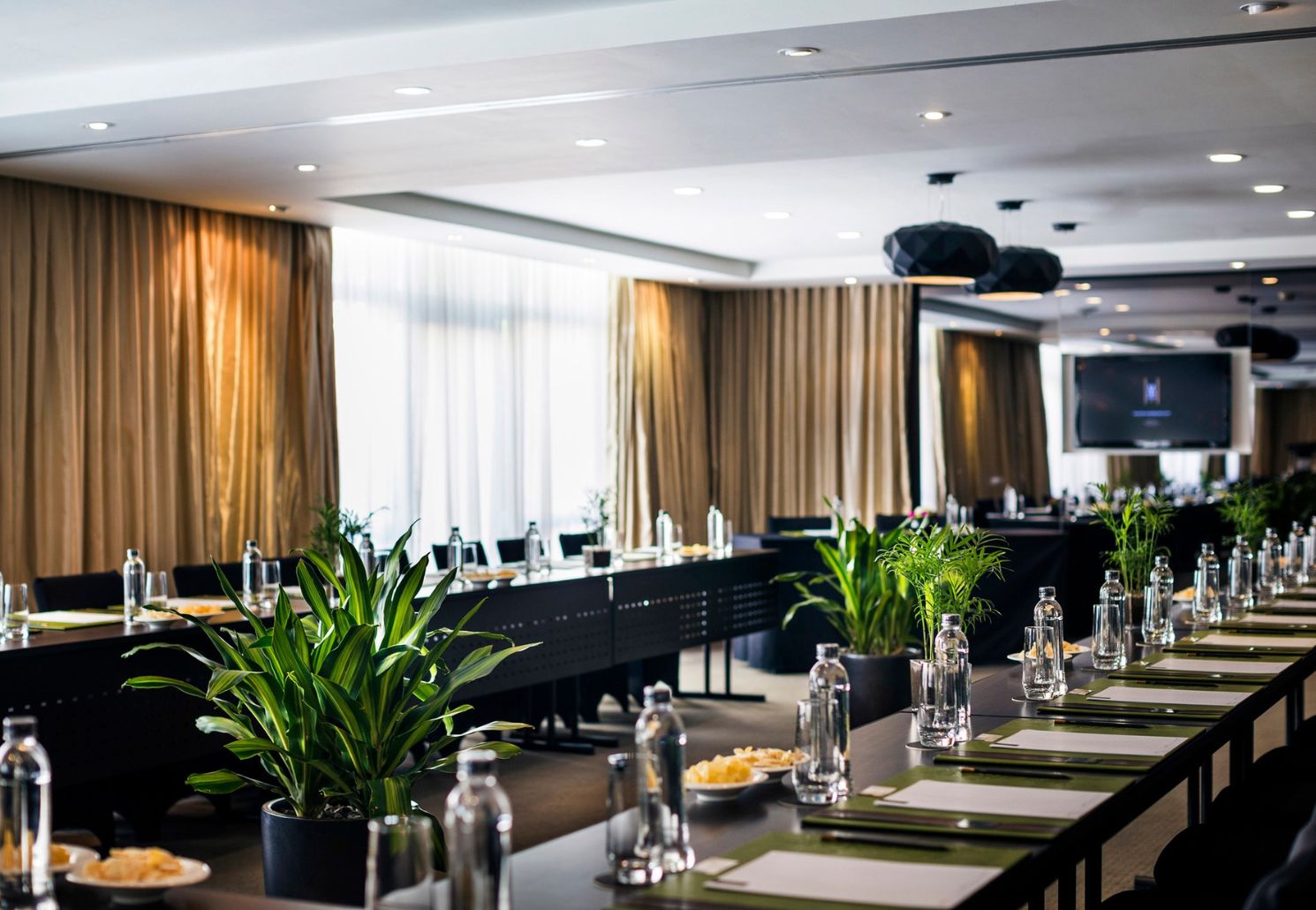
Hotel de l’Opera Hanoi delivers a style of hospitality that feels more intimate and experience-oriented than many larger international luxury hotels. Rather than emphasizing high-volume operations or purely standardized service procedures, the hotel focuses on creating a more personal interaction between staff and guests, which aligns naturally with its boutique identity.
The check-in and guest support experience generally feels calmer and more curated compared to large business hotels where service can become highly transactional due to scale. Staff interactions often appear more attentive to atmosphere and guest comfort, contributing to a stay experience that feels emotionally warmer and less corporate in tone.
Service Style Comparison (Hotel de Opera Hanoi)
| Hotel | Service Identity | Guest Interaction Style | Overall Feeling |
| Hotel de l’Opera Hanoi | Boutique luxury hospitality | Personalized & atmosphere-focused | Curated and intimate |
| JW Marriott Hanoi | International executive service | Professional & structured | Corporate luxury |
| Sofitel Legend Metropole Hanoi | Heritage luxury hospitality | Elegant & refined | Prestigious and formal |
| InterContinental Hanoi Westlake | Resort-style luxury service | Relaxed & attentive | Scenic and calming |
Compared to large-scale luxury chains, Hotel de l’Opera’s smaller operational scale allows the service atmosphere to feel more human-centered and design-conscious rather than heavily system-driven. This is particularly appealing for couples, boutique-hotel travelers, and guests who value emotional tone and hospitality character as part of the luxury experience.
Rather than delivering luxury through scale or operational complexity, the hotel creates value through carefully shaped atmosphere and guest interaction quality.
6. Cozy Luxury Comfort for Short Premium Stays
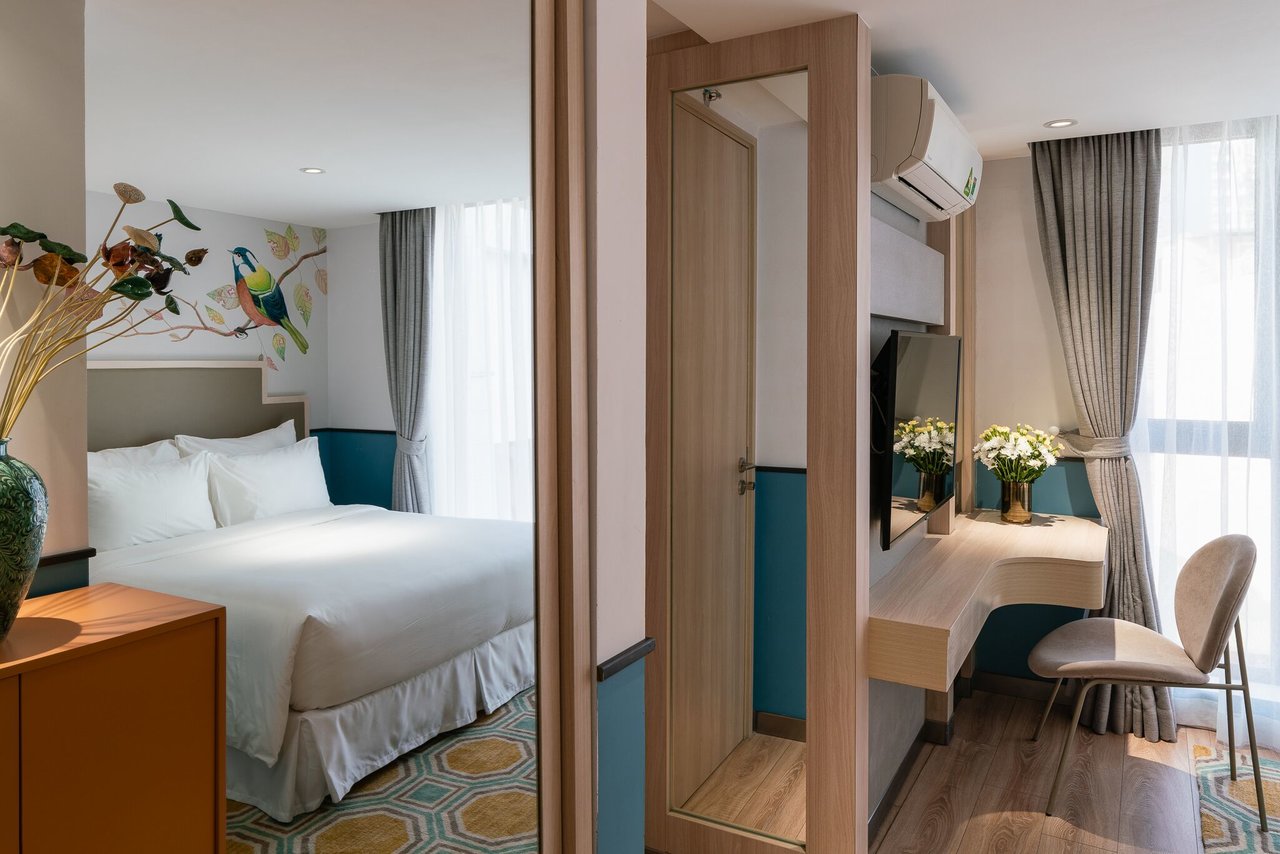
Hotel de Opera Hanoi approaches comfort through intimacy and atmosphere rather than oversized luxury layouts. The rooms are designed to feel warm, enclosed, and visually immersive, creating a more boutique-style sleep experience compared to the spacious but often more neutral environments of large international hotels.
High-quality bedding, soft lighting, and stronger sound insulation than many central Hanoi properties help create a calmer and more controlled resting environment despite the hotel’s highly central location. Instead of emphasizing large open room dimensions, the hotel prioritizes emotional comfort and aesthetic cohesion, making the spaces feel more personal and character-driven.
Sleep & Comfort Comparison (Hotel de Opera Hanoi)
| Hotel | Comfort Style | Room Feeling | Best For |
| Hotel de l’Opera Hanoi | Boutique luxury comfort | Cozy & intimate | Couples, short luxury stays |
| JW Marriott Hanoi | Executive luxury comfort | Spacious & modern | Business travelers |
| InterContinental Hanoi Westlake | Resort-style relaxation | Calm & scenic | Honeymoons, leisure stays |
| Sofitel Legend Metropole Hanoi | Heritage luxury comfort | Elegant & refined | Luxury cultural travelers |
Compared to large-scale luxury hotels, Hotel de l’Opera intentionally avoids creating a grand or highly corporate room atmosphere. Instead, its comfort experience feels more tailored toward short premium city stays where mood, privacy, and visual identity matter as much as physical space itself.
This makes the hotel especially appealing for couples and travelers seeking a more atmospheric and design-oriented luxury stay rather than a resort-style escape or executive business environment.
7. Strong Identity in Hanoi’s Boutique Luxury Market
Hotel de Opera Hanoi occupies a distinctive position within Hanoi’s luxury hotel market by competing primarily through atmosphere, design identity, and emotional experience rather than through large-scale facilities or resort infrastructure. While it operates within the 5-star segment, its appeal is rooted more in boutique character and visual storytelling than in traditional notions of grand luxury.
Compared to iconic luxury properties such as Sofitel Legend Metropole Hanoi and Capella Hanoi, Hotel de l’Opera offers a different type of high-end experience. Sofitel Metropole emphasizes historic prestige and French colonial heritage, while Capella Hanoi leans heavily into ultra-luxury theatrical storytelling and personalized exclusivity. Hotel de l’Opera positions itself between these worlds, delivering a more accessible boutique luxury atmosphere with strong artistic personality.
Boutique Luxury Positioning Comparison (Hanoi)
| Hotel | Luxury Identity | Main Appeal | Overall Atmosphere |
| Hotel de l’Opera Hanoi | Theatrical boutique luxury | Mood, aesthetics, intimacy | Artistic & immersive |
| Sofitel Legend Metropole Hanoi | Historic heritage luxury | Prestige & colonial elegance | Formal & iconic |
| Capella Hanoi | Ultra-luxury theatrical experience | Personalized exclusivity | Highly curated & extravagant |
| JW Marriott Hanoi | Modern corporate luxury | Scale & executive comfort | International & business-focused |
The Hotel de Opera Hanoi particularly resonates with couples, aesthetic-focused travelers, photographers, and cultural tourists who value visual atmosphere and emotional memory as part of the hospitality experience. Compared to many standardized international luxury hotels, Hotel de l’Opera often leaves a stronger stylistic impression because of its cohesive design language and boutique-scale intimacy.
Rather than being remembered for the largest pool, biggest lobby, or most extensive facilities, the hotel tends to stand out because of how it feels—dramatic, artistic, and distinctly different from conventional luxury hospitality in Hanoi.
8. Final Takeaway: A Luxury Stay Built Around Mood & Aesthetics
Hotel de Opera Hanoi is best understood not as a large resort-style property or a convention-oriented business hotel, but as a boutique luxury experience built around atmosphere, visual storytelling, and emotional immersion. Its strongest qualities come from its theatrical interior identity, refined French Quarter location, and ability to create a stay experience that feels stylistically memorable rather than operationally oversized.
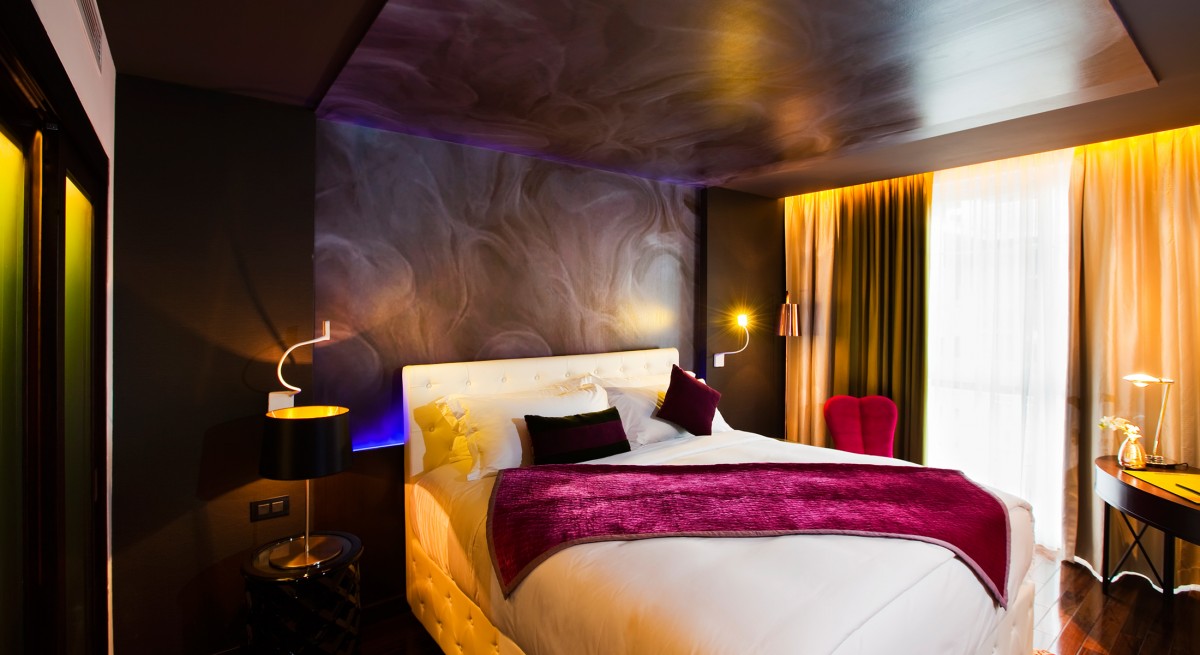
Unlike many international luxury hotels that compete through scale, extensive facilities, or corporate efficiency, Hotel de l’Opera focuses on intimacy, artistic character, and aesthetic consistency. From the dramatic lighting and velvet textures to the lounge-like dining spaces and curated hospitality tone, the hotel delivers a luxury experience centered more on mood and personality than on spectacle or excess.
Final Positioning Summary
| Strength | Hotel de l’Opera Hanoi Positioning |
| Design Identity | One of Hanoi’s most visually distinctive boutique hotels |
| Location | Elegant French Quarter setting near cultural landmarks |
| Hospitality Style | Personalized and atmosphere-driven |
| Stay Experience | Cozy, intimate, design-focused luxury |
| Best For | Couples, aesthetic travelers, cultural tourists |
| Less Suitable For | Resort seekers, large family stays, business convention travelers |
For travelers seeking a stylish and culturally expressive stay in central Hanoi, Hotel de l’Opera offers an experience that feels far more emotionally curated than many standard luxury hotels. It may not provide the largest facilities or the most expansive resort infrastructure, but it succeeds in creating a memorable sense of place through design and ambiance.
BeDental – A Leading Dental Clinic for International Travelers in Vietnam
BeDental offers high-quality dental services for international travelers visiting Vietnam, combining modern technology with experienced dentists. Our services include general and cosmetic dentistry, dental implants, teeth whitening, and smile makeovers, all performed to international standards.
Designed for tourists, BeDental provides flexible appointments, English-speaking staff, and personalized treatment plans that fit travel schedules. With competitive pricing and convenient locations, BeDental allows visitors to improve their smile while enjoying their trip to Vietnam.