

Hình Ảnh Đẹp
Most Famous Historical Places in Vietnam You Must Visit
Th3

Most Famous Historical Places in Vietnam: With a history spanning thousands of years, Vietnam is home to some of the most fascinating historical places in Southeast Asia. From ancient capitals and sacred temples to colonial landmarks and wartime sites, Vietnam’s historical attractions reflect the country’s cultural depth, resilience, and diverse influences over time.
Exploring these famous historical places allows travelers to better understand Vietnam’s past while experiencing its unique architecture, traditions, and landscapes. This guide highlights the most famous historical places in Vietnam you must visit, offering a journey through the nation’s most important cultural and historical landmarks.
1. Ancient Capitals & Imperial Cities- Most Famous Historical Places in Vietnam
Imperial City of Hue The Imperial City of Hue, located in central Vietnam, was the political and cultural center of the Nguyen Dynasty for more than a century. Surrounded by massive stone walls and a moat, this UNESCO-listed complex includes palaces, temples, royal residences, and ceremonial gates. The area around the citadel reflects Hue’s calm and traditional atmosphere, allowing visitors to explore Vietnam’s imperial past, royal architecture, and court rituals in a peaceful setting.
>>> See more: Ninh binh tour from hanoi: travel guide and itineraries
| Site | Location | Historical Period | Main Features | Best For |
| Imperial City of Hue | Central Vietnam | Nguyen Dynasty (1802–1945) | Palaces, royal gates, temples, moats | Imperial history, architecture lovers |
| Hoa Lu Ancient Capital | Ninh Binh (Northern Vietnam) | Dinh & Early Le Dynasties (10th century) | Ancient temples, stone relics, limestone scenery | History + nature, scenic exploration |
| Thang Long Imperial Citadel | Hanoi (Northern Vietnam) | Multiple dynasties (11th–19th century) | Archaeological sites, ancient gates, foundations | Urban history, cultural heritage |
Hoa Lu Ancient Capital Hoa Lu Ancient Capital is situated in Ninh Binh Province, about 90 km south of Hanoi, and was Vietnam’s first capital in the 10th century. Set among limestone mountains, rivers, and rice fields, Hoa Lu offers a unique blend of history and natural beauty. Visitors can explore ancient temples, stone relics, and historical ruins, while enjoying the surrounding rural landscape that has remained largely unchanged for centuries.
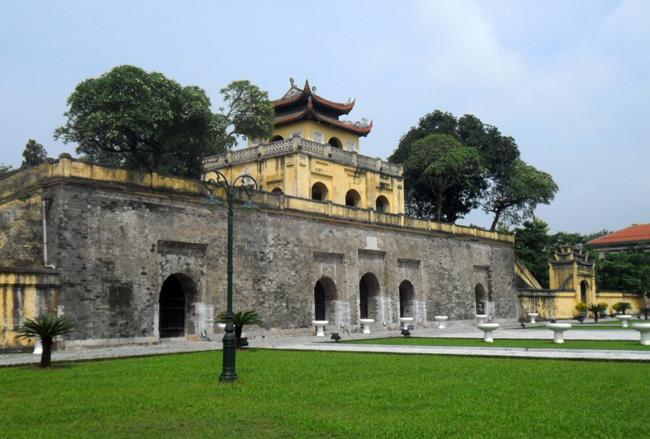
Thang Long Imperial Citadel Located in the heart of Hanoi, the Thang Long Imperial Citadel served as Vietnam’s capital for over 1,000 years. This UNESCO World Heritage Site features archaeological remains, ancient gates, royal foundations, and military structures from multiple dynasties. Surrounded by modern city life, the citadel offers a fascinating contrast between Vietnam’s deep history and its present-day capital, making it a must-visit for history enthusiasts.
2. Sacred Temples & Religious Sites
Temple of Literature Located in the center of Hanoi, the Temple of Literature is considered Vietnam’s first national university, founded in the 11th century. Dedicated to Confucius and scholars, the complex features traditional courtyards, ancient stone steles, and peaceful gardens. Surrounded by the busy city, the temple offers a quiet space to learn about Vietnam’s educational traditions and Confucian values.
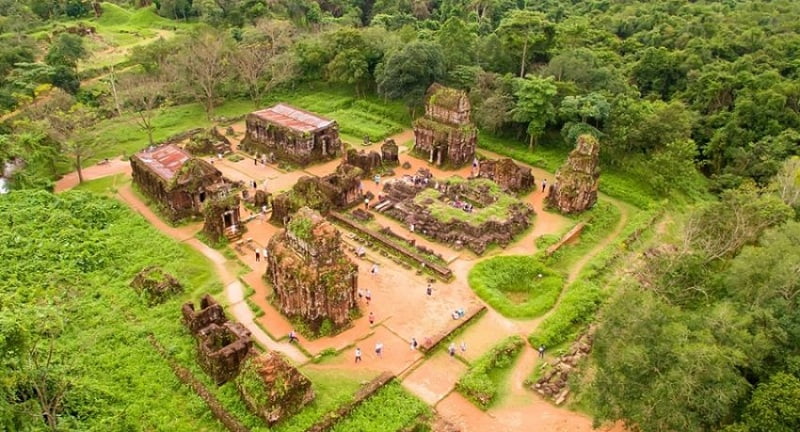
My Son Sanctuary My Son Sanctuary lies in a remote valley in central Vietnam, about 40 km from Hoi An. This UNESCO World Heritage Site was the spiritual center of the Cham Kingdom between the 4th and 13th centuries. The red-brick temple towers, set against a backdrop of mountains and forests, reflect ancient Hindu architecture and religious practices. Visiting My Son offers insight into Vietnam’s pre-Vietnamese civilizations and their cultural legacy.
Perfume Pagoda Perfume Pagoda is located in a limestone mountain area southwest of Hanoi and is reached by a scenic boat ride followed by a short hike or cable car. Rather than a single pagoda, it is a complex of temples and shrines hidden among caves and hills. The site is both a religious pilgrimage destination and a natural attraction, especially lively during the annual Perfume Pagoda Festival.
3. War & Revolutionary Landmarks
Cu Chi Tunnels Located about 70 km northwest of Ho Chi Minh City, the Cu Chi Tunnels are an extensive underground network used during the Vietnam War. The surrounding area is mostly rural, allowing visitors to explore narrow tunnels, hidden trapdoors, and underground living spaces. Guided tours provide insight into guerrilla warfare tactics and daily life during wartime, making this one of the most impactful historical sites in southern Vietnam.

Hoa Lo Prison Hoa Lo Prison is situated in central Hanoi, surrounded by modern streets and French colonial buildings. Originally built during the French colonial period, the prison later held political prisoners during wartime. Today, it operates as a museum, displaying cells, artifacts, photographs, and historical exhibits that tell the story of Vietnam’s struggle for independence. The contrast between the prison and the bustling city around it adds to its emotional impact.
Dien Bien Phu Dien Bien Phu is located in a remote mountainous region of northwestern Vietnam and is best known as the site of the decisive 1954 battle that ended French colonial rule. The area includes battlefields, bunkers, museums, and memorials, all set within a dramatic valley landscape. Visiting Dien Bien Phu offers a deeper understanding of Vietnam’s military history and national resilience, especially for travelers interested in major historical turning points.
4. Ancient Towns & UNESCO Heritage Sites
Hoi An Ancient Town Hoi An Ancient Town is located in central Vietnam, near the coast, and was once a major trading port between the 15th and 19th centuries. The town is famous for its well-preserved wooden houses, temples, assembly halls, and lantern-lit streets. With minimal modern development in the old town area, Hoi An offers a charming atmosphere where visitors can walk through history, enjoy traditional architecture, and experience local culture, especially in the evening.
Phong Nha Ke Bang Phong Nha–Ke Bang National Park lies in central Vietnam, close to the border with Laos, and is one of the most important karst landscapes in Southeast Asia. This UNESCO-listed site is known for its extensive cave systems, underground rivers, and ancient limestone formations, including some of the world’s largest caves. The surrounding area is largely rural and natural, making it ideal for adventure travel, cave exploration, and eco-tourism.
Trang An Landscape Complex Trang An Landscape Complex is located in Ninh Binh Province, about 100 km south of Hanoi. This UNESCO World Heritage Site combines dramatic limestone karsts, winding rivers, caves, and ancient temples within a protected natural area. Visitors typically explore Trang An by boat, passing through caves and historical sites linked to Vietnam’s early dynasties. The peaceful scenery and cultural significance make it a highlight of northern Vietnam.
5. Colonial Architecture & Cultural Landmarks
French Quarter (Hanoi) The French Quarter is located in central Hanoi, near Hoan Kiem Lake, and showcases some of the finest examples of French colonial architecture in Vietnam. Wide boulevards, elegant villas, and landmark buildings reflect Hanoi’s past as a colonial capital. Walking through this area allows visitors to experience a blend of European design and Vietnamese urban life, with museums, cafes, and cultural institutions nearby.
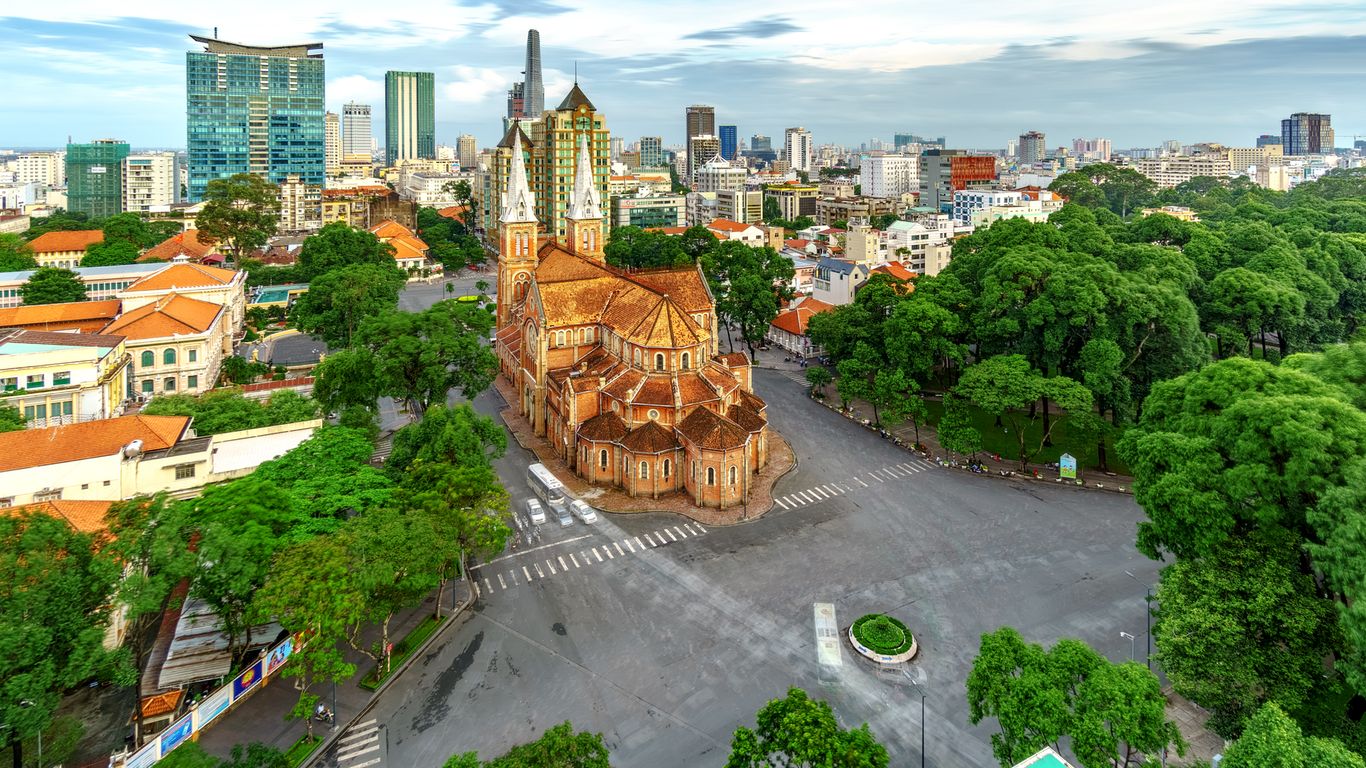
Notre-Dame Cathedral Basilica of Saigon Situated in the heart of Ho Chi Minh City, this cathedral was built in the late 19th century using materials imported from France. With its red brick façade, twin bell towers, and Romanesque-Gothic design, it stands as one of the city’s most recognizable landmarks. The cathedral remains an active place of worship and a symbol of French colonial influence in southern Vietnam.
Saigon Central Post Office Located just opposite the Notre-Dame Cathedral, the Central Post Office is a stunning example of French colonial public architecture. Designed in the late 19th century, the building features arched windows, a high vaulted ceiling, and historic maps decorating the interior. Today, it still functions as a post office and is a popular stop for visitors interested in architecture, history, and everyday city life.
6. Suggested Historical Itineraries
3-Day Northern Vietnam History Route
This itinerary focuses on Vietnam’s ancient capitals and cultural landmarks in the north.
- Day 1: Explore Hanoi, including the Temple of Literature, Thang Long Imperial Citadel, and the French Quarter.
- Day 2: Travel to Ninh Binh to visit Hoa Lu Ancient Capital and Trang An Landscape Complex.
- Day 3: Return to Hanoi for museums, local markets, and historical neighborhoods.
This route is ideal for travelers interested in early Vietnamese history, imperial heritage, and traditional culture.
Central Vietnam Heritage Journey
Central Vietnam is home to some of the country’s most important UNESCO sites.
- Day 1: Visit Imperial City of Hue to explore royal architecture and Nguyen Dynasty history.
- Day 2: Continue to Hoi An Ancient Town for its preserved trading port and traditional streets.
- Day 3: Add My Son Sanctuary for insight into the ancient Cham civilization. This journey offers a deep look into Vietnam’s imperial, religious, and trading past.
Southern Vietnam Wartime History Tour
This itinerary highlights key sites related to Vietnam’s modern history.
- Day 1: Start in Ho Chi Minh City, visiting the Notre-Dame Cathedral, Central Post Office, and war-related museums.
- Day 2: Take a day trip to the Cu Chi Tunnels to experience wartime underground networks. This route is best for travelers who want to understand Vietnam’s revolutionary history and 20th-century conflicts
7. Tips for Visiting Historical Places in Vietnam
Best Time to Visit Historical Sites
The best time to explore historical places in Vietnam is generally during the dry season, from October to April, when the weather is cooler and rainfall is lower. Northern sites such as Hanoi and Ninh Binh are most pleasant in spring and autumn, while central and southern destinations are ideal in early dry season. Visiting early in the morning or late afternoon helps avoid crowds and heat, especially at popular landmarks.
>>> See more: Top Phu Quoc Tourist Attractions You Shouldn’t Miss
Dress Code & Cultural Etiquette
Many historical sites, especially temples, pagodas, and memorials, require respectful dress. Visitors should wear modest clothing, covering shoulders and knees, and remove hats when entering sacred spaces. Speaking quietly, avoiding disruptive behavior, and following local rules show respect for the site’s cultural and historical significance.
Guided Tours vs. Self-Exploration
Guided tours are highly recommended for major historical sites, as they provide context, stories, and deeper historical insight that are not always available through signs or displays. Self-exploration, on the other hand, offers flexibility and a relaxed pace, especially for smaller sites or repeat visits. Many travelers choose a mix of both to balance knowledge and independence.
Conclusion
Vietnam’s historical sites offer more than just sightseeing—they tell the story of a nation shaped by ancient civilizations, imperial dynasties, colonial periods, and modern struggles. Whether you are walking through old citadels, visiting sacred temples, or exploring revolutionary landmarks, each destination provides valuable insight into the country’s identity.
By including these historical places in your travel plans, you can experience Vietnam beyond its natural beauty and modern cities. These timeless landmarks make any journey through Vietnam richer, more meaningful, and truly unforgettable.
BeDental – A Leading Dental Clinic for International Travelers in Vietnam
BeDental offers high-quality dental services for international travelers visiting Vietnam, combining modern technology with experienced dentists. Our services include general and cosmetic dentistry, dental implants, teeth whitening, and smile makeovers, all performed to international standards.
Designed for tourists, BeDental provides flexible appointments, English-speaking staff, and personalized treatment plans that fit travel schedules. With competitive pricing and convenient locations, BeDental allows visitors to improve their smile while enjoying their trip to Vietnam.