

 Tiếng Việt
 한국어
한국어 日本語
日本語 中文 (中国)


Top places to visit in Hanoi: As the capital of Vietnam, Hanoi is one of the oldest continuously developed cities in Southeast Asia, with a history spanning over 1,000 years. It was first established as the imperial capital under the name Thăng Long in 1010 by King Lý Thái Tổ, chosen for its strategic position along the Red River delta. Over centuries, Hanoi evolved from a royal political center into a colonial administrative hub under French rule, and later into the modern capital of an independent nation.
1. Introduction to Hanoi- Places to visit in Hanoi
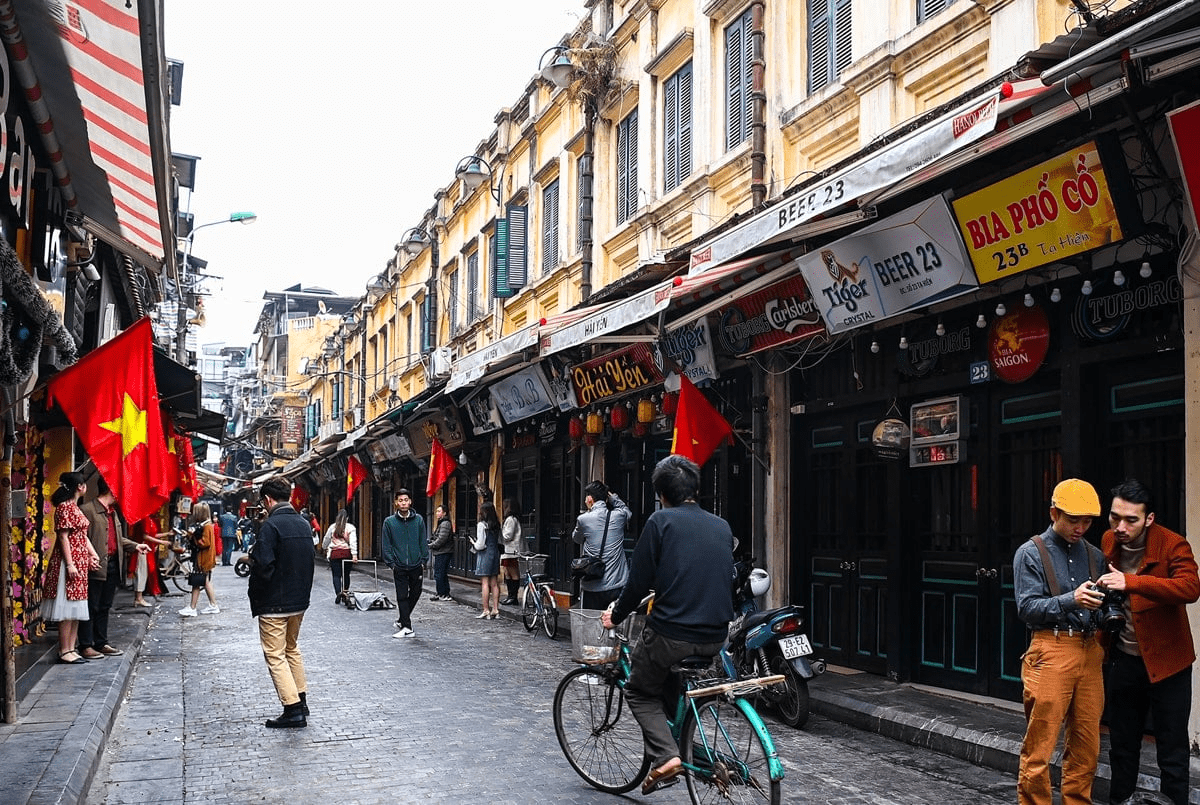
This long historical trajectory is still visible in the city’s structure today. Ancient cultural heritage sites stand alongside French colonial architecture and rapidly developing modern districts, creating a rare urban layering where different historical periods coexist rather than replace one another. Wide boulevards and yellow-painted colonial buildings reflect the French influence of the 19th–20th centuries, while ancient temples and traditional neighborhoods preserve much older Vietnamese cultural roots.
At the heart of this historical and cultural fusion lies Hanoi Old Quarter. Originally formed around craft guilds and trading communities, this area has existed for centuries as a commercial and social core. Today, it remains one of the most vivid representations of Hanoi’s living history. Narrow streets, many named after traditional goods, are filled with street food stalls, small family businesses, and constant motorbike movement, creating a dense and energetic urban fabric.
What makes Hanoi fundamentally different from other cities in Vietnam is its sense of accumulated time. The city does not feel newly built or rapidly replaced; instead, it feels continuously built upon. Its rhythm is not defined by speed, but by depth—where daily life unfolds within layers of history, memory, and cultural continuity that remain visibly present in both architecture and atmosphere.
2. Must-See Attractions in Hanoi- Places to visit in Hanoi
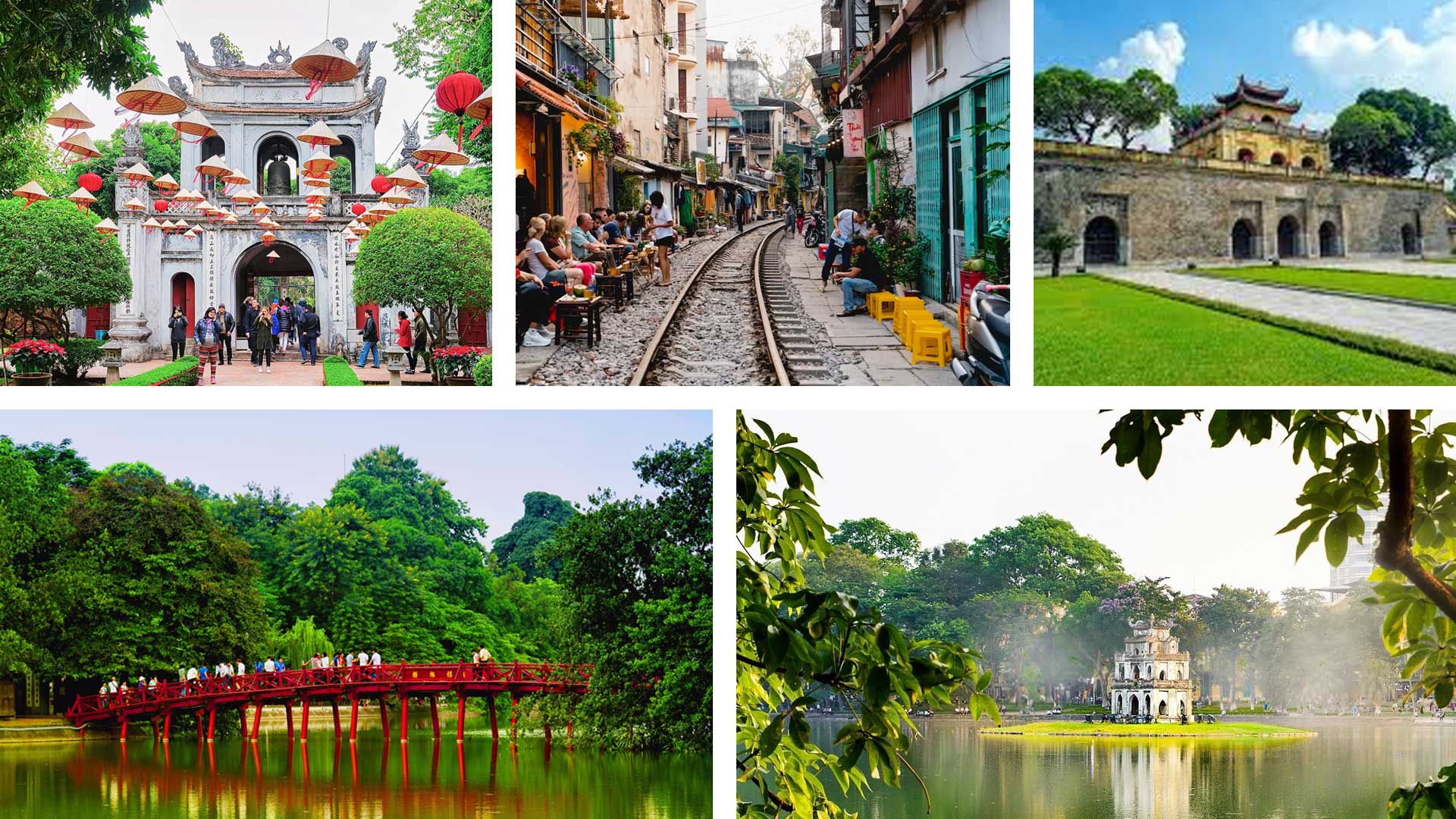
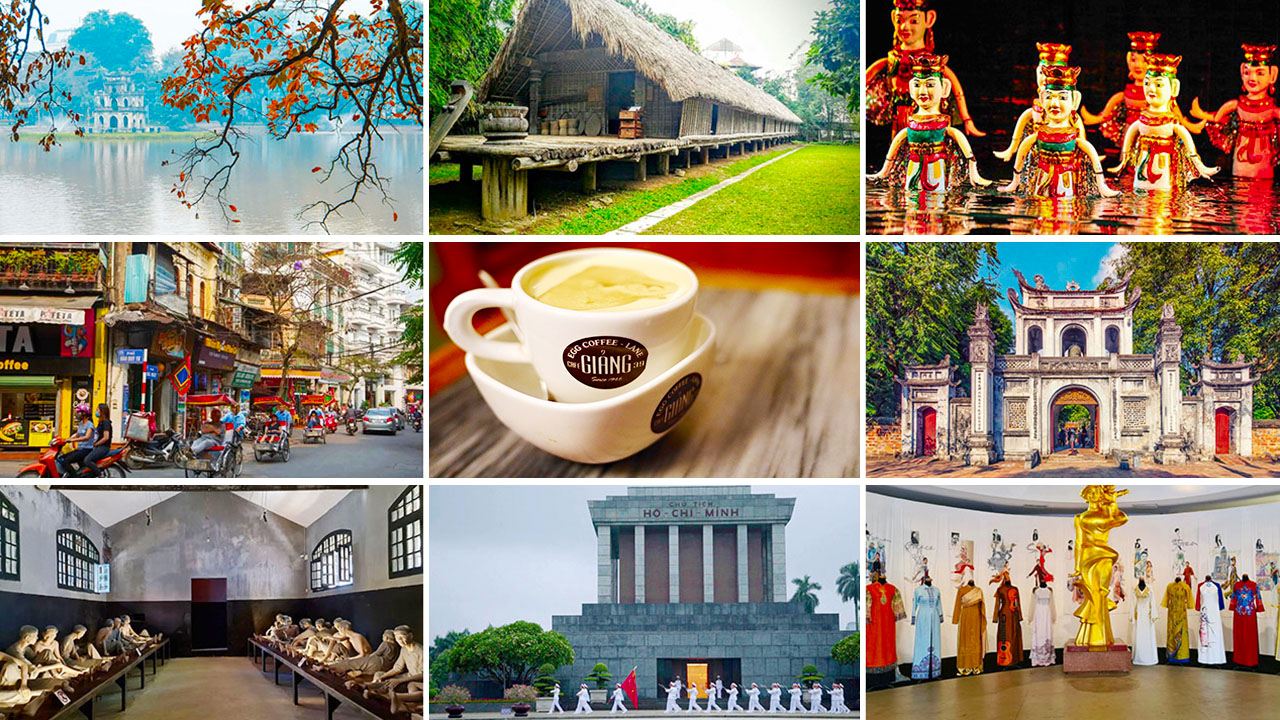
Overall, the must-see attractions in Hanoi are not isolated highlights, but part of a tightly connected urban experience. Within a relatively small area, you move from the formal and symbolic space of Ho Chi Minh Mausoleum to the quiet, intellectual atmosphere of Temple of Literature Hanoi, before returning to the dense, lived-in energy of Hanoi Old Quarter and the open breathing space around Hoan Kiem Lake. Each location carries a distinct emotional tone—solemn, reflective, intense, or vibrant—but they are all layered within the same city fabric. This proximity allows Hanoi to be experienced not as a checklist of landmarks, but as a continuous shift in atmosphere, where history, culture, and everyday life are encountered in a single, fluid journey.
| Place | Type | Location Context | Atmosphere | Experience |
| Ho Chi Minh Mausoleum | Historical / Political | Ba Dinh Square, west of Old Quarter | Formal, solemn, highly organized | Understanding modern Vietnamese history and national identity |
| Temple of Literature Hanoi | Cultural / Educational | ~2 km south of Old Quarter | Quiet, balanced, reflective | Exploring Confucian heritage, traditional learning space |
| Hoa Lo Prison Museum | Historical / Museum | City center, near French Quarter | Intense, emotional, enclosed | Experiencing colonial and wartime history through preserved spaces |
| Hanoi Old Quarter | Cultural / Urban | North of Hoan Kiem Lake | Dense, lively, chaotic but intimate | Street life, food culture, traditional trade atmosphere |
| Hoan Kiem Lake | Landmark / Public space | Center of city, next to Old Quarter | Open, calm, social | Walking, observing local life, day-to-night transitions |
| St. Joseph’s Cathedral Hanoi | Architectural / Cultural | Near Old Quarter & Hoan Kiem Lake | Historic, slightly European, social | French colonial architecture mixed with modern café culture |
2.1 Historical & Cultural Landmarks- Places to visit in Hanoi
Ho Chi Minh Mausoleum is one of the most important political and historical sites in Vietnam. Located in the Ba Dinh Square area, it stands as a monumental structure where the preserved body of President Ho Chi Minh is displayed. The surrounding complex includes ceremonial spaces, gardens, and the Presidential Palace area, reflecting both national reverence and architectural order. Visiting here is not just sightseeing—it is an encounter with modern Vietnamese history at its most symbolic level.
Temple of Literature Hanoi is located slightly south of the Old Quarter, offering a quieter and more contemplative atmosphere. Built in 1070, it was Vietnam’s first national university and remains a symbol of Confucian learning and traditional education. The complex is structured around courtyards, stone steles, and wooden pavilions, creating a space where architecture and scholarship are deeply intertwined.
Hoa Lo Prison Museum presents a more intense historical perspective. Situated in the city center, it was originally built by the French colonial administration and later used during the Vietnam War. Today, it functions as a museum documenting both colonial imprisonment and wartime history. The preserved sections and exhibitions create a stark contrast to the surrounding modern city, highlighting a more somber layer of Hanoi’s past.
2.2 Old Quarter & City Icons- Places to visit in Hanoi
Hanoi Old Quarter is the most dynamic and densely layered part of the city. Known for its “36 streets,” each historically associated with a specific craft or trade, the area reflects centuries of commercial tradition. Today, it remains a living maze of narrow streets filled with street food vendors, small shops, scooters, and constant movement. Despite modernization, the Old Quarter still preserves a strong sense of local identity where daily life unfolds directly on the street.
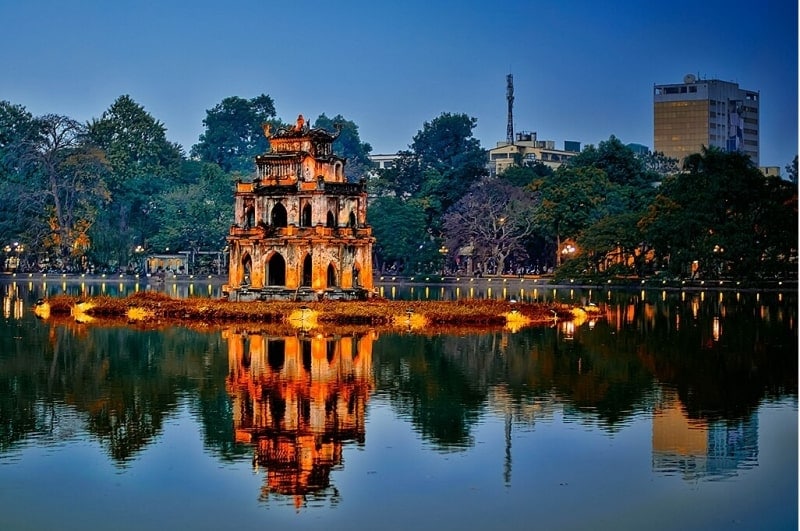
Just a short walk away, Hoan Kiem Lake acts as the symbolic and emotional center of Hanoi. Surrounded by tree-lined roads and pedestrian zones, the lake creates a rare sense of openness within the dense urban fabric. Early mornings bring locals practicing tai chi, while evenings transform the area into a walking space filled with families, couples, and street performers. At its center lies Ngoc Son Temple, connected by a red wooden bridge, reinforcing the lake’s cultural and spiritual significance.
Nearby, St. Joseph’s Cathedral Hanoi represents the French colonial architectural legacy. Built in the late 19th century, its Gothic-style facade, twin bell towers, and stained-glass windows stand in contrast to the surrounding Vietnamese streetscape. Today, the cathedral area has become a social hub with cafes and gathering spots, blending historical architecture with modern urban lifestyle.
3. Cultural Experiences in Hanoi- Places to visit in Hanoi
Cultural experiences in Hanoi are not confined to specific attractions—they unfold continuously through the city’s everyday rhythm. What makes Hanoi distinctive is how culture is not separated from daily life, but embedded within it. Streets become dining spaces, cafés become places of observation, and public areas transform into shared social environments. Rather than being guided from one “activity” to another, visitors often find themselves naturally moving through layers of experience that feel both spontaneous and deeply rooted.
Street Food Culture
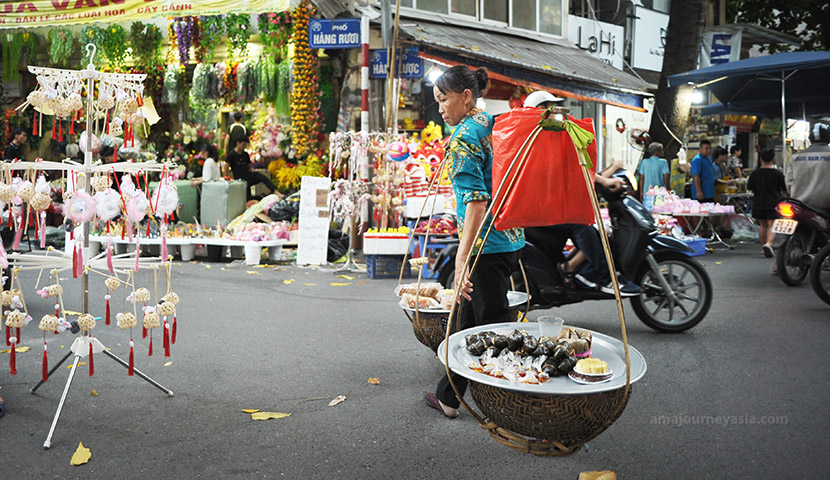
Street food in Hanoi is less about individual dishes and more about how food exists within the urban flow. Meals happen on sidewalks, at street corners, and in front of small family-run shops where cooking is fully visible. Sitting on low stools, surrounded by the sounds of traffic and conversation, creates a sense of immersion rather than separation.
Suggested spots:
- Pho Gia Truyen Bat Dan – traditional pho in a no-frills, high-turnover setting
- Bun Cha Huong Lien – grilled pork and noodles in a lively, casual space
- Cafe Giang – original egg coffee in a small, layered interior
Here, eating is not structured—it blends into movement. You eat quickly or slowly depending on the moment, but always within the shared space of the street.
Traditional Water Puppet Show- Places to visit in Hanoi
The Vietnamese water puppet show offers a different kind of cultural depth. Originating from rural northern Vietnam, it reflects agricultural life, folklore, and community storytelling through puppets performing over water.
Suggested venue:
- Thang Long Water Puppet Theatre – centrally located near Hoan Kiem Lake
Inside the theater, the atmosphere shifts completely—controlled, narrative-driven, and symbolic. It contrasts with the spontaneity of the street, showing another layer of Hanoi’s cultural identity.
Coffee Culture & Hidden Cafés – Places to visit in Hanoi
Coffee culture in Hanoi is defined by space as much as taste. Many cafés are hidden behind narrow entrances, inside old apartment blocks, or up small staircases that open into unexpected interiors. Others sit above the streets, offering quiet vantage points over the city.
Suggested spots:
- The Note Coffee – visually dense, filled with handwritten notes
- Tranquil Books & Coffee – quiet, introspective environment
- Cafe Dinh – small, traditional, overlooking the lake
Drinking coffee here is rarely rushed. It becomes a pause in movement—a way to observe the city rather than move through it.
Local Markets & Night Walking Streets
Markets and pedestrian streets reveal Hanoi at its most socially active. During the day, markets function as dense trading spaces, filled with goods, voices, and constant negotiation. At night, areas around Hoan Kiem Lake shift into open walking zones, where traffic disappears and people reclaim the streets.
Suggested areas:
- Dong Xuan Market – large, traditional market with layered activity
- Hanoi Night Market – weekend pedestrian street with vendors and performances
- Ta Hien Street – dense, social nightlife space
These environments are not curated—they evolve naturally from daily life, making them feel dynamic and constantly changing.
4. Hidden Gems in Hanoi- Places to visit in Hanoi
Hanoi Train Street- Places to visit in Hanoi
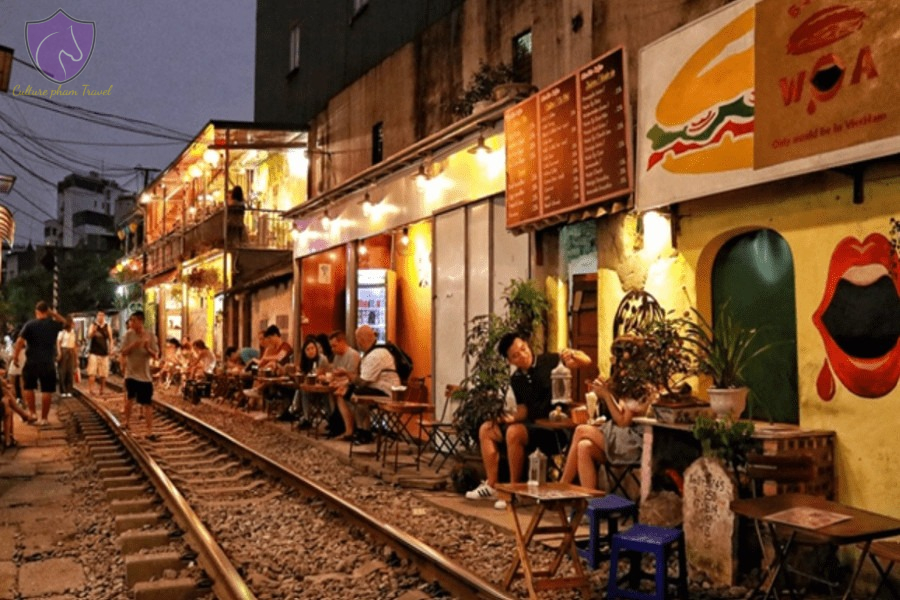
Train Street sits within an old residential area near the city center, where the railway runs just a short distance from people’s front doors. The houses are narrow and low-rise, with small cafés on the ground floor placing a few tables and stools right beside the tracks. During the day, the setting feels surprisingly normal. Locals sit outside drinking tea, chatting, or going about daily routines, while visitors take seats in the cafés waiting for the train. You can order a coffee, sit close to the tracks, and simply watch life unfold at a very close range.
A few minutes before the train arrives, everything begins to shift. Café staff quickly move tables and chairs, and people step back toward the walls. When the train passes, the distance feels extremely tight—the noise is loud, the air rushes through, and the entire space compresses for a brief moment. Then, just as quickly, everything returns to normal. It’s a short experience, but the contrast between calm and intensity makes it memorable.
West Lake Hanoi Area
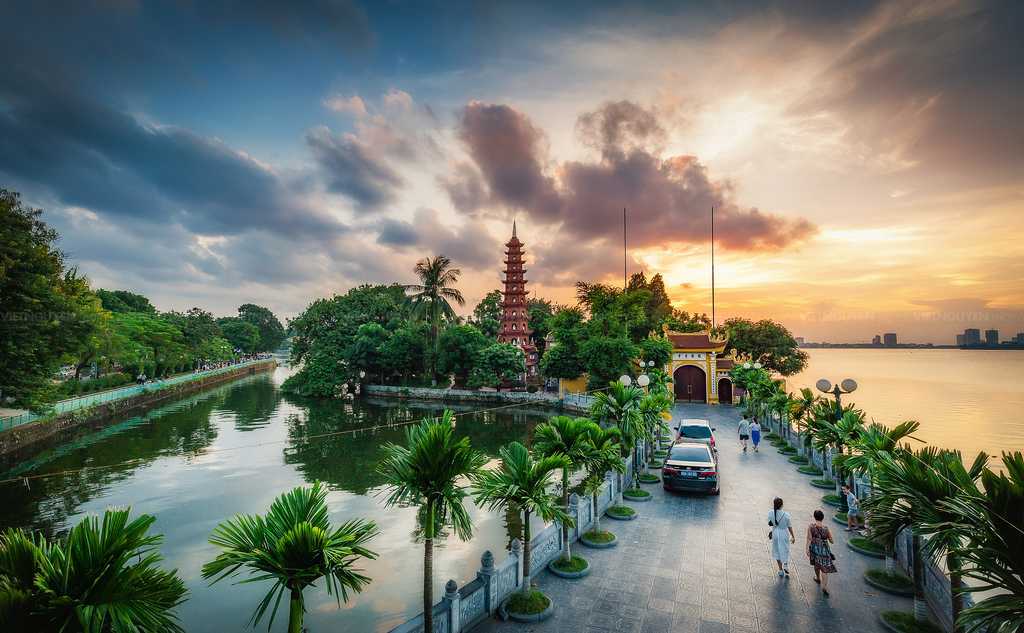
Located about 10–15 minutes from the Old Quarter, West Lake immediately feels more open. The roads are wider, traffic is lighter, and the space has more air and light compared to the dense city center. A typical experience here is simple: walking along the lakeside, stopping at a café with a water view, or sitting down for a relaxed meal. There’s no single highlight, but that’s part of the appeal. In the late afternoon, as the sun lowers, the light reflects softly across the water, creating a calm and unhurried atmosphere.
This area is also home to many long-term residents and expats, which gives it a slightly different feel—less hectic, more settled, and more about everyday living than short-term visits.
Artisan Streets in Hanoi Old Quarter- Places to visit in Hanoi
Beyond the busiest streets of the Old Quarter, smaller lanes still retain traces of traditional trade specialization—metalwork, ceremonial items, paper goods, fabrics. In practice, these streets are lined with compact shops, with goods stacked from floor to ceiling and shop owners sitting just inside. There’s little effort to attract tourists, and most customers are locals buying specific items.
Walking through these areas may not feel like a typical “attraction,” but if you slow down, you start to notice a different layer of Hanoi—quieter, more functional, and closer to how the city actually operates day to day.
Lesser-Known Temples & Pagodas
Scattered throughout residential neighborhoods are small temples and pagodas that are easy to miss. Often marked by a simple entrance, they open into small courtyards with altars, statues, and incense areas.
Inside, the atmosphere shifts noticeably. It’s quieter, more contained, even though it may be only a few steps away from busy streets. People come in briefly—lighting incense, pausing for a moment, then leaving. These places don’t feel like tourist sites. Instead, they offer a brief glimpse into how spiritual practices are quietly integrated into everyday life.
5. Travel Guide (Transport, Stay, Budget, Tips)
Traveling in Hanoi is relatively straightforward, but the experience can vary significantly depending on where you stay and how you move around. The city is compact in its core, yet layered in how it functions.
Getting to Hanoi- Places to visit in Hanoi
Most international travelers arrive via Noi Bai International Airport, located about 25–30 km north of the city center.
From the airport to the Old Quarter or central districts:
- Taxi / Grab: 15–25 USD, ~30–45 minutes
- Airport shuttle bus: 2–5 USD, slower but budget-friendly
- Private transfer: 20–30 USD, more comfortable and fixed pricing
Traffic conditions can affect travel time, especially during peak hours, but the route itself is direct via main highways.
Getting Around the City
Hanoi’s inner city is best explored in a mix of short rides and walking.
- Grab (ride-hailing app): the most convenient option for short distances (usually 1–5 USD per ride)
- Walking: ideal within Hanoi Old Quarter, where distances are short but streets are dense
- Cyclo (traditional rickshaw): slower, more for experience than transport, typically 5–10 USD for a short ride
Traffic may look chaotic at first, but movement is relatively slow and predictable once you adjust to it.
Where to Stay- Places to visit in Hanoi
Your experience in Hanoi depends heavily on the area you choose:
- Old Quarter → Best for first-time visitors. Close to attractions, food, and nightlife; busy, dense, and highly active
- West Lake Hanoi area → More relaxed and spacious. Better for longer stays, quieter environment, more expat-oriented lifestyle
- French Quarter / city center → Balanced option. Wider streets, colonial architecture, closer to government buildings and upscale hotels
Accommodation ranges are wide:
- Budget hotels / hostels: 10–25 USD/night
- Mid-range hotels: 30–80 USD/night
- Luxury hotels: 100–300+ USD/night
Budget Overview- Places to visit in Hanoi
Hanoi is generally considered an affordable destination compared to many major cities in Asia, making it accessible for a wide range of travelers. Daily expenses can remain relatively low, especially when experiencing the city through its local lifestyle. Street food meals typically cost around 1–3 USD, offering both value and authenticity, while casual restaurants range from 5–15 USD depending on the setting. Coffee, an essential part of Hanoi’s culture, is also inexpensive, usually between 1–4 USD whether in a small local café or a more designed space. Most attractions are either free or have minimal entrance fees, generally under 5 USD, allowing visitors to explore the city’s cultural and historical sites without significant cost.
On average, daily expenses in Hanoi can vary depending on travel style, but overall remain relatively accessible. Budget travelers can expect to spend around 20–40 USD per day, covering basic accommodation, street food, and short-distance transport. A mid-range budget of 50–100 USD per day allows for more comfortable hotels, a mix of local and restaurant dining, and greater flexibility in activities. For those seeking a more premium experience, daily costs typically start from 150 USD and above, including higher-end accommodation, curated dining, and private transport options.
- Budget traveler: 20–40 USD/day
- Mid-range: 50–100 USD/day
- Luxury: 150+ USD/day
Best Time to Visit- Places to visit in Hanoi
The most comfortable periods are:
- Autumn (September – November): cooler air, softer light, less humidity
- Spring (March – April): mild weather, occasional light rain but generally pleasant
Summer can be hot and humid, while winter is cooler and sometimes foggy, creating a quieter atmosphere.
Conclusion
Hanoi is not a destination defined by a single landmark or highlight, but by the way its layers come together—history, daily life, and subtle cultural details existing within the same space. From the structured significance of places like Ho Chi Minh Mausoleum to the dense, ever-moving streets of Hanoi Old Quarter, and further into quieter corners like West Lake Hanoi or hidden residential alleys, the city continuously shifts in atmosphere without ever feeling disconnected.
What makes Hanoi memorable is not just what you see, but how you experience it. Movement here is fluid—walking from one street to another can take you from noise to stillness, from public space to something more personal. The city does not separate its cultural identity into specific sites; instead, it allows visitors to encounter it naturally through food, streets, routines, and small, unplanned moments.
In the end, Hanoi is best approached without rushing. It is a place to observe, to pause, and to let the experience build gradually. The more time you spend within its rhythm, the more the city reveals itself—not all at once, but layer by layer.
BeDental – A Leading Dental Clinic for International Travelers in Vietnam
BeDental offers high-quality dental services for international travelers visiting Vietnam, combining modern technology with experienced dentists. Our services include general and cosmetic dentistry, dental implants, teeth whitening, and smile makeovers, all performed to international standards.
Designed for tourists, BeDental provides flexible appointments, English-speaking staff, and personalized treatment plans that fit travel schedules. With competitive pricing and convenient locations, BeDental allows visitors to improve their smile while enjoying their trip to Vietnam.