

Hình Ảnh Đẹp
Best Places to Visit in Vietnam for Every Traveler

Vietnam is a country rich in famous landmarks that reflect its diverse natural landscapes, long history, and vibrant culture. From dramatic limestone bays and peaceful river valleys to ancient temples, historic cities, and beautiful beaches, each destination offers a unique experience. This article introduces some of the most famous places to visit in Vietnam, highlighting their natural beauty, historical importance, and cultural value, and helping travelers gain a deeper understanding of the country.
I. Famous Natural Places to Visit in Vietnam- Vietnam Trip Ideas
The table presents three of Vietnam’s most famous natural landmarks, each offering a unique landscape and travel experience. Ha Long Bay is known for its dramatic seascape, Ninh Binh features peaceful river scenery surrounded by limestone mountains, while Phong Nha – Ke Bang stands out for its massive cave systems and adventure tourism opportunities.
| Landmark | Key Features | Highlights | Visitor Experience |
| Ha Long Bay | UNESCO World Natural Heritage Site | Limestone karsts, caves | Cruises, sightseeing, kayaking |
| Ninh Binh (Trang An & Tam Coc) | Limestone mountains and rivers | “Ha Long Bay on land” | Boat trips, nature exploration |
| Phong Nha – Ke Bang National Park | World’s largest cave systems | Son Doong Cave | Adventure and eco-tourism |
Ha Long Bay – A World-Famous Natural Wonder
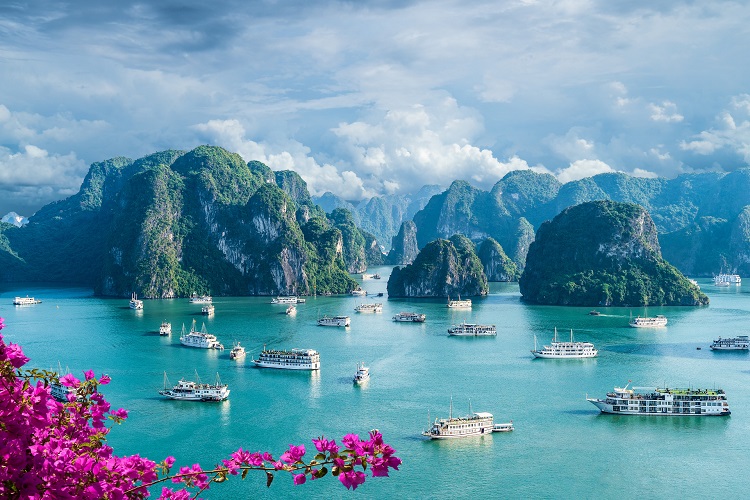
Ha Long Bay is a UNESCO World Natural Heritage Site and one of the most famous natural landmarks in Vietnam. The bay is home to thousands of limestone karsts and islands rising dramatically from emerald-green waters, creating a breathtaking seascape. Visitors can explore impressive caves, enjoy sightseeing cruises, or kayak through hidden lagoons and quiet bays. With its unique natural beauty and wide range of activities, Ha Long Bay attracts millions of travelers each year and remains a symbol of Vietnam’s natural heritage.
Ninh Binh (Trang An & Tam Coc) – “Ha Long Bay on Land”
Ninh Binh is known for its stunning limestone mountains, winding rivers, and peaceful countryside scenery. Often called “Ha Long Bay on land,” the area features boat routes through Trang An and Tam Coc that pass caves, temples, and rice fields surrounded by towering cliffs. Visitors can enjoy a slow-paced boat ride, cycling through rural villages, or exploring ancient pagodas. Ninh Binh offers a calm and scenic experience, making it an ideal destination for travelers seeking nature and relaxation.
Phong Nha – Ke Bang National Park – Home of Giant Caves
Phong Nha – Ke Bang National Park is famous for having some of the world’s largest and most spectacular cave systems, including Son Doong Cave. The park’s landscape includes underground rivers, dense forests, and massive limestone mountains, creating a dramatic natural environment. Adventure activities such as cave trekking, zip-lining, and jungle exploration attract travelers from around the globe. Thanks to its outstanding geological value and eco-tourism opportunities, Phong Nha – Ke Bang is one of Vietnam’s most impressive natural landmarks.
II. Famous Historical Landmarks
The table highlights three of Vietnam’s most important historical landmarks, each representing a different period of the country’s past. The Cu Chi Tunnels reflect wartime history, Hue Imperial City showcases Vietnam’s imperial era, while My Son Sanctuary preserves the cultural and religious heritage of the ancient Cham civilization.
| Landmark | Historical Background | Key Features | Significance |
| Cu Chi Tunnels | Vietnam War period | Underground tunnel system | Historical and educational value |
| Hue Imperial City | Nguyen Dynasty capital | Palaces, temples, royal structures | UNESCO-listed imperial heritage |
| My Son Sanctuary | Ancient Cham civilization | Hindu temple ruins | UNESCO World Cultural Heritage Site |
Cu Chi Tunnels – A Symbol of Wartime Resilience
The Cu Chi Tunnels are a vast underground tunnel system used during the Vietnam War, located near Ho Chi Minh City. The tunnels served as living quarters, supply routes, and military bases, demonstrating the creativity and resilience of Vietnamese soldiers. Today, visitors can explore sections of the tunnels and learn about wartime life through guided tours. This site offers strong historical and educational value, helping visitors better understand Vietnam’s modern history.

Hue Imperial City – The Heart of Vietnam’s Imperial Past
Hue Imperial City was the former capital of the Nguyen Dynasty and remains one of the country’s most important historical complexes. The UNESCO-listed site includes palaces, gates, temples, and royal residences surrounded by ancient walls and moats. Its architecture reflects traditional Vietnamese design and royal culture. Visiting Hue Imperial City allows travelers to explore Vietnam’s imperial history and cultural heritage in depth.
My Son Sanctuary – Sacred Temples of the Cham Civilization
My Son Sanctuary is a group of ancient Hindu temples built by the Cham people between the 4th and 13th centuries. Located in a lush valley, the ruins reflect strong influences from Indian culture and religious beliefs. Recognized as a UNESCO World Cultural Heritage Site, My Son is an important symbol of Vietnam’s ancient civilization. The site offers visitors a unique opportunity to explore history, archaeology, and cultural traditions.
III. Famous Cultural & Urban Landmarks
The table presents three famous cultural and urban landmarks in Vietnam that reflect the country’s historical development and cultural identity. Hanoi Old Quarter represents traditional urban life, Hoi An Ancient Town preserves a historic trading port atmosphere, while Ho Chi Minh City landmarks showcase strong French colonial architectural influences.
| Landmark | Main Characteristics | Highlights | Cultural Value |
| Hanoi Old Quarter | Traditional streets and old houses | Narrow alleys, local lifestyle | Cultural heart of the capital |
| Hoi An Ancient Town | Historic trading port | Lantern-lit streets, old houses | Cultural exchange and heritage |
| Ho Chi Minh City Landmarks | Major urban landmarks | Notre Dame Cathedral, Central Post Office | French colonial influence |
Hanoi Old Quarter – The Cultural Heart of the Capital
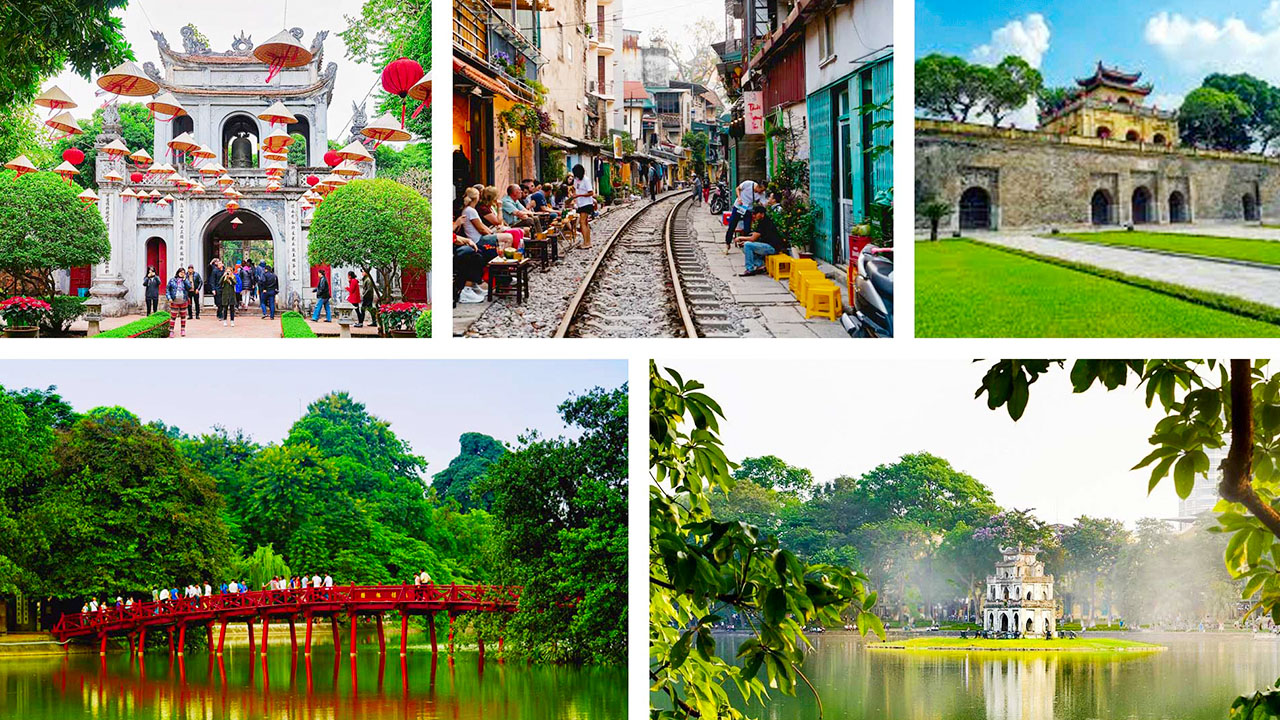
Hanoi Old Quarter is one of the oldest and most culturally significant areas in Vietnam’s capital city. It is characterized by traditional streets, old tube houses, and narrow alleys that date back hundreds of years. Each street historically focused on a specific trade, which helped shape the area’s unique identity. Today, the Old Quarter remains the cultural heart of Hanoi, where visitors can observe local daily life, explore small shops and markets, and enjoy traditional street food. This area offers a strong sense of history while still being lively and full of energy.
Hoi An Ancient Town – A Timeless Trading Port
Hoi An Ancient Town is a well-preserved historic trading port that played an important role in regional commerce from the 15th to the 19th century. The town is famous for its lantern-lit streets, especially in the evening, creating a romantic and peaceful atmosphere. Its architecture reflects a blend of Vietnamese, Chinese, Japanese, and European influences, seen in ancient houses, temples, and merchant halls. Walking through Hoi An allows visitors to experience the town’s rich cultural heritage and slow-paced lifestyle.
Ho Chi Minh City Landmarks – French Colonial Heritage in a Modern City
Ho Chi Minh City features several famous landmarks that highlight its French colonial past, including Notre Dame Cathedral and the Central Post Office. These buildings display classic European architectural styles and remain important symbols of the city’s history. Surrounded by modern skyscrapers and busy streets, these landmarks create a striking contrast between old and new. Exploring these sites helps visitors understand how the city has developed into a dynamic urban center while still preserving its historical identity.
IV. Famous Beach & Island Landmarks
The table introduces three famous beach and island landmarks in Vietnam, each offering a different coastal experience. My Khe Beach combines natural beauty with modern city life, Nha Trang Bay is ideal for marine activities and island exploration, while Phu Quoc Island is known for its tropical scenery and high-end relaxation.
| Landmark | Location | Key Features | Visitor Experience |
| My Khe Beach | Da Nang | Long sandy beach, clear water | Swimming, relaxation, city beach life |
| Nha Trang Bay | Khanh Hoa | Islands, coral reefs, blue sea | Snorkeling, diving, island hopping |
| Phu Quoc Island | Kien Giang | Tropical beaches, national park | Luxury resorts, eco-tourism |
My Khe Beach – One of Vietnam’s Most Beautiful Beaches
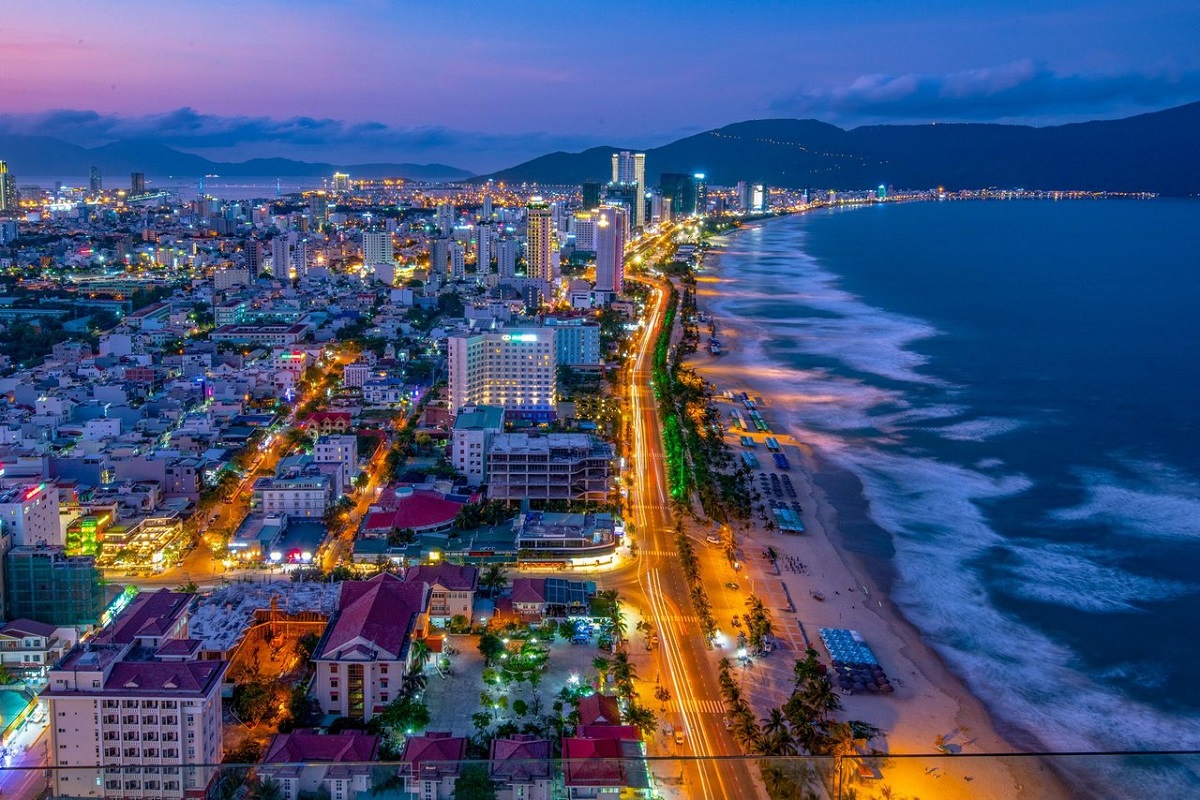
My Khe Beach, located in Da Nang, is widely recognized as one of the most beautiful beaches in Vietnam. It features a long stretch of soft white sand, clear blue water, and gentle waves suitable for swimming. The beach is easily accessible from the city center, allowing visitors to enjoy both seaside relaxation and urban attractions. With its clean environment and scenic coastline, My Khe Beach is a popular destination for both domestic and international travelers.
Nha Trang Bay – A Paradise for Marine Activities
Nha Trang Bay is famous for its calm waters, beautiful islands, and rich marine life. The bay offers excellent conditions for snorkeling and diving, where visitors can explore colorful coral reefs and underwater ecosystems. Boat trips to nearby islands add to the appeal, providing stunning ocean views and leisure activities. As one of Vietnam’s most well-known coastal landmarks, Nha Trang Bay attracts travelers seeking both adventure and relaxation by the sea.
Phu Quoc Island – A Tropical Island Getaway
Phu Quoc Island is Vietnam’s largest island and a well-known tropical destination. It is famous for its pristine beaches, clear waters, and lush landscapes protected by a national park. The island offers a wide range of luxury resorts alongside eco-tourism experiences such as nature walks and snorkeling. With its peaceful atmosphere and natural beauty, Phu Quoc Island is an ideal place for relaxation and long beach holidays.
V. Famous Culinary Landmarks of Vietnam
The table introduces three famous culinary destinations in Vietnam, each representing a distinct regional food culture. Hai Phong is known for its strong-flavored street food, Da Lat stands out for its fresh highland cuisine, while Quy Nhon offers simple yet flavorful coastal seafood dishes.
| Destination | Culinary Identity | Signature Dishes | Food Experience |
| Hai Phong | Bold northern coastal flavors | Banh Da Cua, Nem Cua Be | Authentic street food culture |
| Da Lat | Highland and cool-climate cuisine | Banh Trang Nuong, Lau Ga La E | Fresh ingredients, night markets |
| Quy Nhon | Central coastal seafood cuisine | Banh Xeo Tom Nhay, Bun Ca | Local, affordable seafood dining |
Hai Phong – A Street Food Capital of Northern Vietnam
Hai Phong is widely recognized as one of Vietnam’s most exciting street food destinations. The city is famous for Banh Da Cua, a rich crab noodle soup made with red rice noodles, and Nem Cua Be, crispy fried crab spring rolls. These dishes reflect Hai Phong’s bold flavors and coastal influence. Walking through local markets and small street stalls allows visitors to experience authentic northern Vietnamese cuisine and everyday local life.
Da Lat – Fresh Flavors from the Highlands
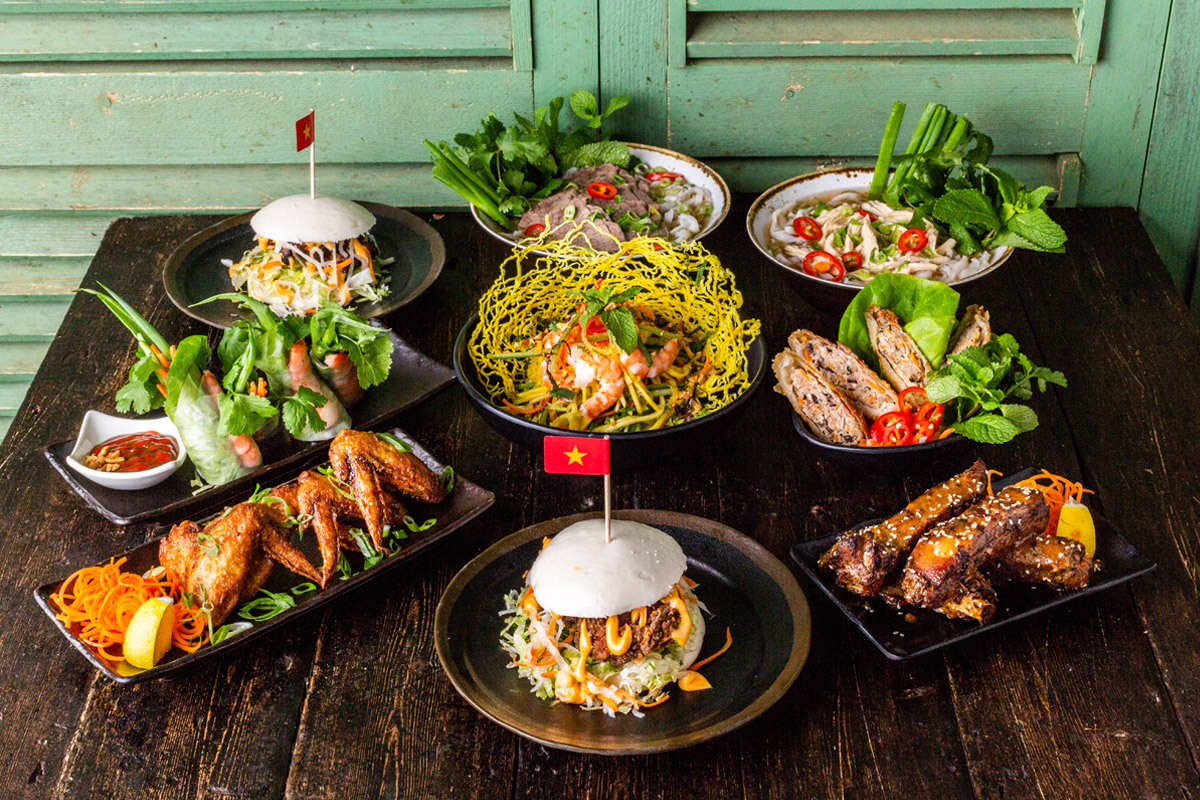
Da Lat’s cuisine is strongly influenced by its cool climate and fertile highlands. The city is known for dishes such as Banh Trang Nuong, often called Vietnamese pizza, and Lau Ga La E, a fragrant chicken hotpot cooked with local herbs. Fresh vegetables, strawberries, and dairy products are commonly used in meals. In addition, Da Lat’s night markets and cozy cafés create a warm and relaxing food experience for visitors.
Quy Nhon – A Coastal Seafood Destination
Quy Nhon is a hidden gem for food lovers who enjoy fresh and affordable seafood. Popular dishes include Banh Xeo Tom Nhay, crispy pancakes filled with fresh shrimp, and Bun Ca, a light and naturally sweet fish noodle soup. Seafood such as oysters, scallops, and squid is often grilled simply to highlight its freshness. Dining in Quy Nhon offers a close connection to coastal life and local culinary traditions.
VI. Conclusion
Vietnam’s famous landmarks showcase the country’s remarkable diversity and rich heritage. Natural wonders such as Ha Long Bay and Phong Nha – Ke Bang impress visitors with their breathtaking scenery, while historical sites like the Cu Chi Tunnels and Hue Imperial City provide insight into Vietnam’s past. Cultural and urban landmarks, along with beautiful beaches and islands, further enhance the travel experience. Together, these destinations make Vietnam a fascinating and unforgettable place to explore for travelers from around the world.
BeDental – A Leading Dental Clinic for International Travelers in Vietnam
BeDental offers high-quality dental services for international travelers visiting Vietnam, combining modern technology with experienced dentists. Our services include general and cosmetic dentistry, dental implants, teeth whitening, and smile makeovers, all performed to international standards.
Designed for tourists, BeDental provides flexible appointments, English-speaking staff, and personalized treatment plans that fit travel schedules. With competitive pricing and convenient locations, BeDental allows visitors to improve their smile while enjoying their trip to Vietnam.