


 English
 한국어
한국어 日本語
日本語 中文 (中国)


Hanoi is a city where attractions are not defined by landmarks alone, but by how landscapes, history, food, and daily life intersect. From lakes and tree-lined streets to centuries-old heritage sites, from sidewalk meals to everyday routines, the city reveals itself through lived experiences rather than isolated sights. This guide highlights the best Hanoi attractions by focusing on natural and urban landscapes, cultural heritage, local food, and everyday life—offering a deeper way to explore the capital beyond traditional sightseeing.
I. Natural & Urban Landscapes- Best Hanoi Attractions
Hanoi’s natural and urban landscapes are closely tied to specific local experiences rather than purely scenic views. Hoan Kiem Lake functions as the city’s social heart, where walking streets, street performers, and casual gatherings create a constant sense of movement. Nearby areas extend this experience, including the famous railway zone, where cafés sit just inches from passing trains, offering one of Hanoi’s most distinctive urban moments. Sitting at a small café, waiting for the train to pass, and watching daily life resume immediately after captures the city’s unique blend of routine and spectacle.
| Café | Experience Highlight | Notes |
| Café Dinh | Classic egg coffee, old-school atmosphere | One of the best spots for traditional egg coffee |
| Café Giang | Birthplace of Hanoi egg coffee | Iconic, no-frills, very local |
| The Note Coffee | Colorful space covered with handwritten notes | Popular with visitors, near the lake |
| Hanoi Coffee Culture | Traditional-style café near walking streets | Easy stop while exploring the Old Quarter |
| Ta Coffee | Simple, local café vibe | Casual and affordable |
| C.O.C Legacy Specialty Coffee | High-quality specialty coffee | For espresso and pour-over lovers |
| Nola Café & Bar | Hidden courtyard café with artistic feel | Quiet escape from busy streets |
| Tranquil Books & Coffee | Calm space for reading and relaxing | Not directly on the lake, but nearby |
| Hidden Gem Coffee | Eco-style café tucked in a small alley | More about atmosphere than views |
| City View Café (Ham Ca Map Building) | Elevated views over Hoan Kiem Lake | Great for photos, especially at sunset |
In contrast, West Lake (Tay Ho) is defined by space, water, and spiritual landmarks. The area is known for its lakeside temples and pagodas, including Tran Quoc Pagoda, which add a calm, reflective atmosphere to the surroundings. Food experiences are also closely tied to the landscape, with shrimp fritters (banh tom) enjoyed at lakeside eateries, often paired with views over the water. Walking or cycling around West Lake feels less rushed, emphasizing open views, slower conversations, and a more relaxed rhythm.
>> See more: Must Do in Da Nang: Attractions and Activities
Together, these areas show how Hanoi’s landscapes are not just places to see, but places where everyday activities—walking, eating, sitting, and observing—define the experience of the city.
II. History & Cultural Heritage
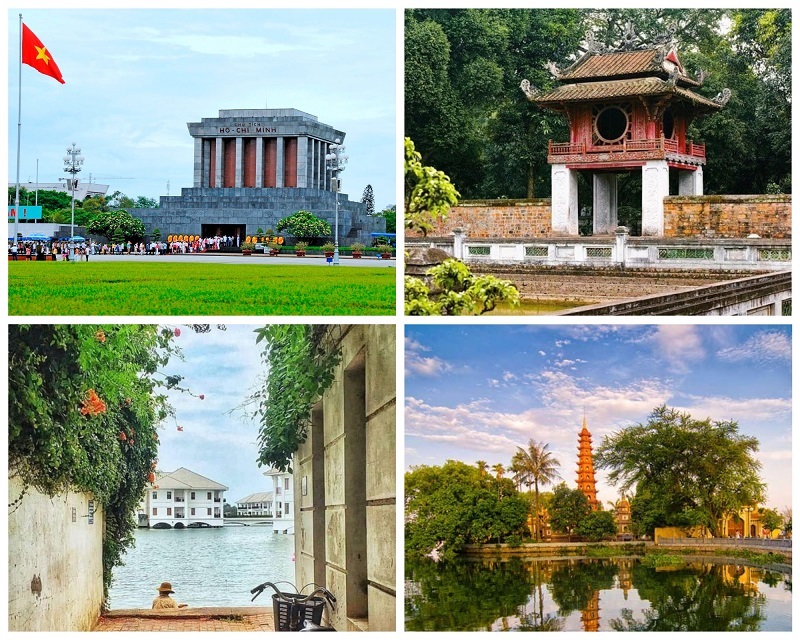
Hanoi’s historical and cultural heritage is deeply embedded in spaces that are still part of daily life. The Old Quarter, with its 36 traditional streets, is not just a historic district but a living neighborhood where family houses, small workshops, and street businesses continue trades passed down through generations. Walking through its narrow streets reveals layered architecture, hidden courtyards, and a rhythm shaped by long-standing routines rather than preserved displays.
The Temple of Literature stands out as Vietnam’s first national university and a symbol of learning and scholarship. Visitors often experience the site through quiet walks across courtyards, stone steles, and shaded gardens, making it one of the few places in the city where history is felt through stillness and reflection rather than crowds.
The Ho Chi Minh Complex represents modern national history and collective memory. Watching the flag-raising ceremony, passing through the wide ceremonial square, and visiting landmarks such as the Ho Chi Minh Mausoleum and One Pillar Pagoda create a structured, formal experience that contrasts sharply with the informal street life elsewhere in Hanoi.
At the Imperial Citadel of Thang Long, history unfolds through archaeological layers rather than grand reconstruction. Visitors move between excavation sites, ancient foundations, and open spaces, gaining insight into Hanoi’s role as a political center for over a thousand years.
Finally, Tran Quoc Pagoda, located on a small peninsula of West Lake, blends spiritual heritage with landscape. Visiting the pagoda at sunrise or sunset allows travelers to experience religious practices in a serene lakeside setting, where architecture, water, and ritual come together naturally.
III. Food & Culinary Experiences
Hanoi’s food culture is rooted in everyday eating rather than formal dining. Pho, often enjoyed early in the morning, reflects the city’s preference for light but flavorful meals, while bun cha is closely tied to lunchtime routines, with charcoal-grilled pork served alongside fresh herbs and dipping sauce. Banh mi, found on almost every street corner, represents Hanoi’s grab-and-go food culture, eaten standing, sitting on low stools, or taken away.
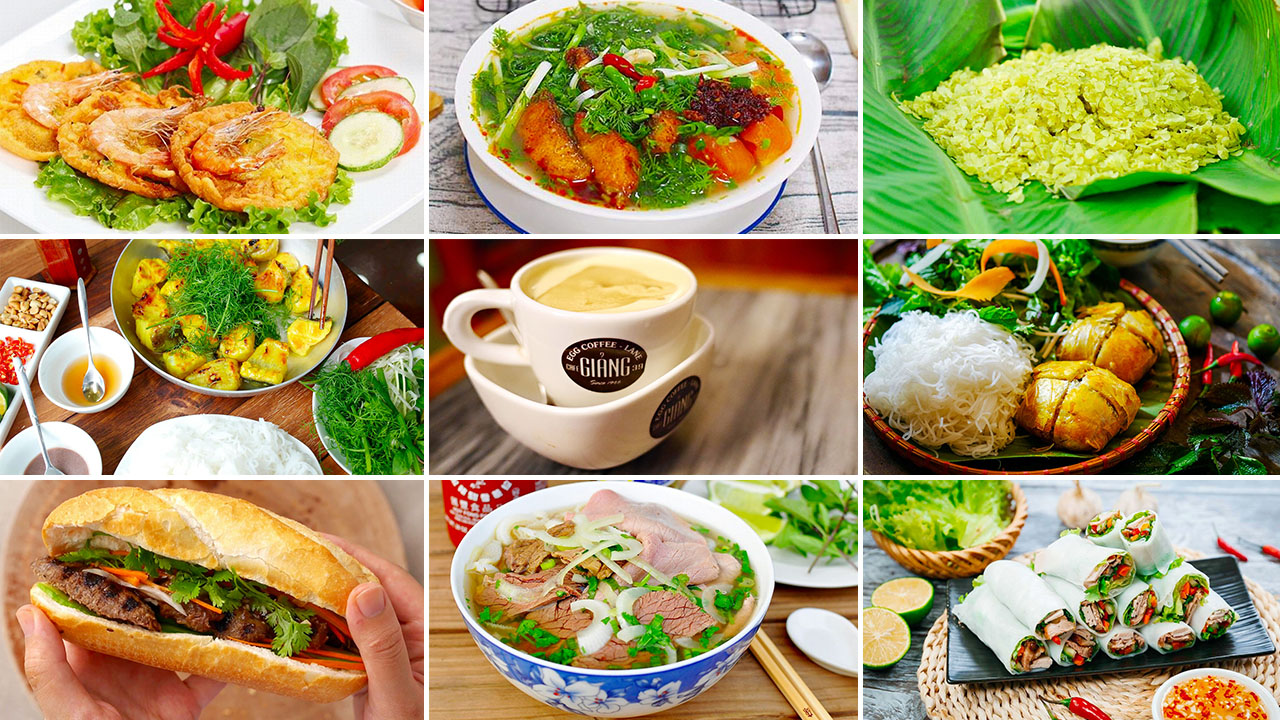
Beyond signature dishes, Hanoi’s street food culture thrives in small local eateries where plastic stools, open kitchens, and close proximity to daily life are part of the experience. Food is cooked fresh, served quickly, and enjoyed without ceremony, making eating an active and social part of exploring the city.
Coffee culture adds another layer, especially through egg coffee and traditional cafés tucked into old buildings. Sitting in narrow balconies or hidden courtyards, visitors experience Hanoi’s slower pace while watching streets below, turning a simple cup of coffee into a moment of observation and rest.
| Dish | What It Is | Best Time to Eat | Where to Experience |
| Pho | Rice noodle soup with beef or chicken, light but aromatic broth | Early morning | Local street stalls, Old Quarter |
| Bun Cha | Grilled pork with vermicelli, herbs, and dipping sauce | Lunch | Small eateries around Old Quarter |
| Banh Mi | Vietnamese baguette with meat, pâté, herbs | All day | Street carts and sidewalk stalls |
| Banh Cuon | Steamed rice rolls with pork and mushrooms | Morning or light lunch | Family-run local shops |
| Nem Ran (Fried Spring Rolls) | Crispy rolls filled with pork and vegetables | Lunch or dinner | Traditional eateries and street vendors |
| Cha Ca | Turmeric fish cooked tableside with herbs | Dinner | Old Quarter specialty restaurants |
| Bun Rieu | Crab noodle soup with tomato broth | Morning to midday | Neighborhood street stalls |
| Xoi (Sticky Rice) | Sticky rice with savory toppings | Breakfast or late night | Small street carts |
| Oc (Snails & seafood) | Snails cooked in various sauces | Evening | Sidewalk seafood streets |
| Banh Tom | Fried shrimp fritters | Afternoon or evening | West Lake area |
| Che | Sweet dessert soups | Afternoon | Dessert stalls and markets |
| Egg Coffee | Hot coffee topped with creamy egg foam | Anytime | Traditional cafés near Hoan Kiem Lake |
Hanoi street food can be understood through distinct groups of dishes tied to time, setting, and social habits. Morning meals often begin with pho, bun rieu, or banh cuon, which are light, warm, and eaten quickly at small neighborhood stalls. Lunch is defined by bun cha, Hanoi’s most iconic midday dish, where grilled pork and noodles are served fresh and eaten on low stools along busy streets.
Throughout the day, grab-and-go foods such as banh mi and xoi reflect Hanoi’s fast, informal eating culture, commonly found on street corners and sidewalk carts. In the evening, the experience becomes more social with dishes like oc (snails) and small seafood plates, enjoyed slowly with friends. Local specialties such as cha ca and banh tom stand out for their connection to specific areas and traditions, while sweet treats like che and drinks such as egg coffee complete the street food experience as moments of pause rather than meals.
Together, these dishes show how Hanoi’s street food is structured around daily routines, locations, and shared experiences, making eating an essential way to understand the city.
IV. Everyday Life & Local Experiences
Hanoi’s everyday life is most visible on its sidewalks and neighborhood streets. Street vendors, carrying goods on shoulder poles or setting up small stalls, move through the city as part of its daily rhythm. Sidewalks double as places to eat, talk, and work, reflecting a flexible use of public space that defines Hanoi’s character.
In local markets and residential neighborhoods, daily routines unfold in an unpolished, practical way. Visitors can observe morning shopping, casual conversations, and small-scale commerce that reveal how communities function beyond tourist areas.
Early in the day, morning exercises around lakes and open spaces, followed by stops at tea stalls, show a slower, communal side of the city. These simple routines—stretching, chatting, sipping tea—offer insight into how Hanoi residents balance busy urban life with moments of calm.
V. Day Trips & Nearby Attractions
Hanoi’s surrounding areas offer easy day trips that contrast with the city’s dense urban life. Bat Trang Ceramic Village, located just outside the city, is known for its long-standing pottery tradition. Visitors can walk through narrow village lanes lined with ceramic shops, visit workshops, and even try making pottery themselves, gaining hands-on insight into a craft that has shaped the community for centuries.
>>> See more: Best Hanoi Attractions to Visit
Duong Lam Ancient Village provides a glimpse into traditional rural architecture and village life. Stone houses, village gates, and communal spaces reflect a slower pace, where walking or cycling through the village allows visitors to observe daily routines largely unchanged by modern development. The experience here is quiet and immersive, focusing on heritage within a lived-in rural setting.
For a more scenic escape, a day trip to Ninh Binh offers dramatic natural landscapes within a few hours of Hanoi. Boat rides through river caves, cycling across rice fields, and visits to temples set among karst mountains create a full-day experience that combines nature, culture, and countryside life—making it one of the most popular and rewarding excursions from the capital.
Hanoi is a city where attractions are not defined by landmarks alone, but by how landscapes, history, food, and daily life intersect. From lakes and tree-lined streets to centuries-old heritage sites, from sidewalk meals to everyday routines, the city reveals itself through lived experiences rather than isolated sights. This guide highlights the best attractions in Hanoi by focusing on natural and urban landscapes, cultural heritage, local food, and everyday life—offering a deeper way to explore the capital beyond traditional sightseeing.
Conclusion
Visiting Hanoi becomes more meaningful when its attractions are experienced as part of the city’s daily rhythm. Scenic spaces like Hoan Kiem Lake and West Lake, historic areas such as the Old Quarter and imperial sites, and everyday experiences involving food, markets, and street life together form a complete picture of the city. By combining landscapes, heritage, and local routines, travelers can move beyond surface-level visits and gain a genuine understanding of how Hanoi lives, moves, and evolves.
Hanoi has seen remarkable growth as a travel destination in recent years, drawing tens of millions of visitors annually. In 2025, the capital welcomed nearly 31 million tourists in the first 11 months alone, a record high and a 22% increase year-on-year, generating over VND 120 trillion (about USD 4.6 billion) in tourism revenue. This includes millions of international travellers drawn to its rich history and vibrant culture as well as domestic visitors exploring the Old Quarter, Hoan Kiem Lake, heritage sites, and food streets. Hanoi is also aiming even higher: city officials project that it could welcome up to 46 million visitors by 2030, further cementing its place on the global tourism map.
BeDental – A Leading Dental Clinic for International Travelers in Vietnam
BeDental offers high-quality dental services for international travelers visiting Vietnam, combining modern technology with experienced dentists. Our services include general and cosmetic dentistry, dental implants, teeth whitening, and smile makeovers, all performed to international standards.
Designed for tourists, BeDental provides flexible appointments, English-speaking staff, and personalized treatment plans that fit travel schedules. With competitive pricing and convenient locations, BeDental allows visitors to improve their smile while enjoying their trip to Vietnam.