

 Tiếng Việt
 한국어
한국어 日本語
日本語 中文 (中国)


Set along the central coast of Vietnam, Hoi An is not defined by grand landmarks or fast-paced attractions, but by something quieter—its atmosphere. Hoi An In Vietnam carries a rare stillness, where time seems to stretch gently across yellow walls, wooden houses, and lantern-lit streets. What was once a bustling international trading port has transformed into a place where history is not displayed, but lived—through everyday routines, traditional crafts, and subtle cultural details.
1. Introduction to Hoi An in Vietnam
Nestled along the central coast of Vietnam, Hoi An is one of the country’s most enchanting destinations, known for its well-preserved architecture, rich cultural heritage, and timeless atmosphere. At the heart of the city lies Hoi An Ancient Town, a beautifully preserved trading port dating back to the 15th century, where influences from Chinese, Japanese, and European merchants are still visible in every corner.
What makes Hoi An truly special is its unique blend of history, culture, and everyday life. Walking through its narrow streets, you’ll find mustard-yellow buildings, traditional wooden houses, ancient temples, and vibrant markets coexisting harmoniously. As the sun sets, the town transforms into a magical scene illuminated by hundreds of colorful lanterns, creating a romantic riverside ambiance that feels almost surreal.
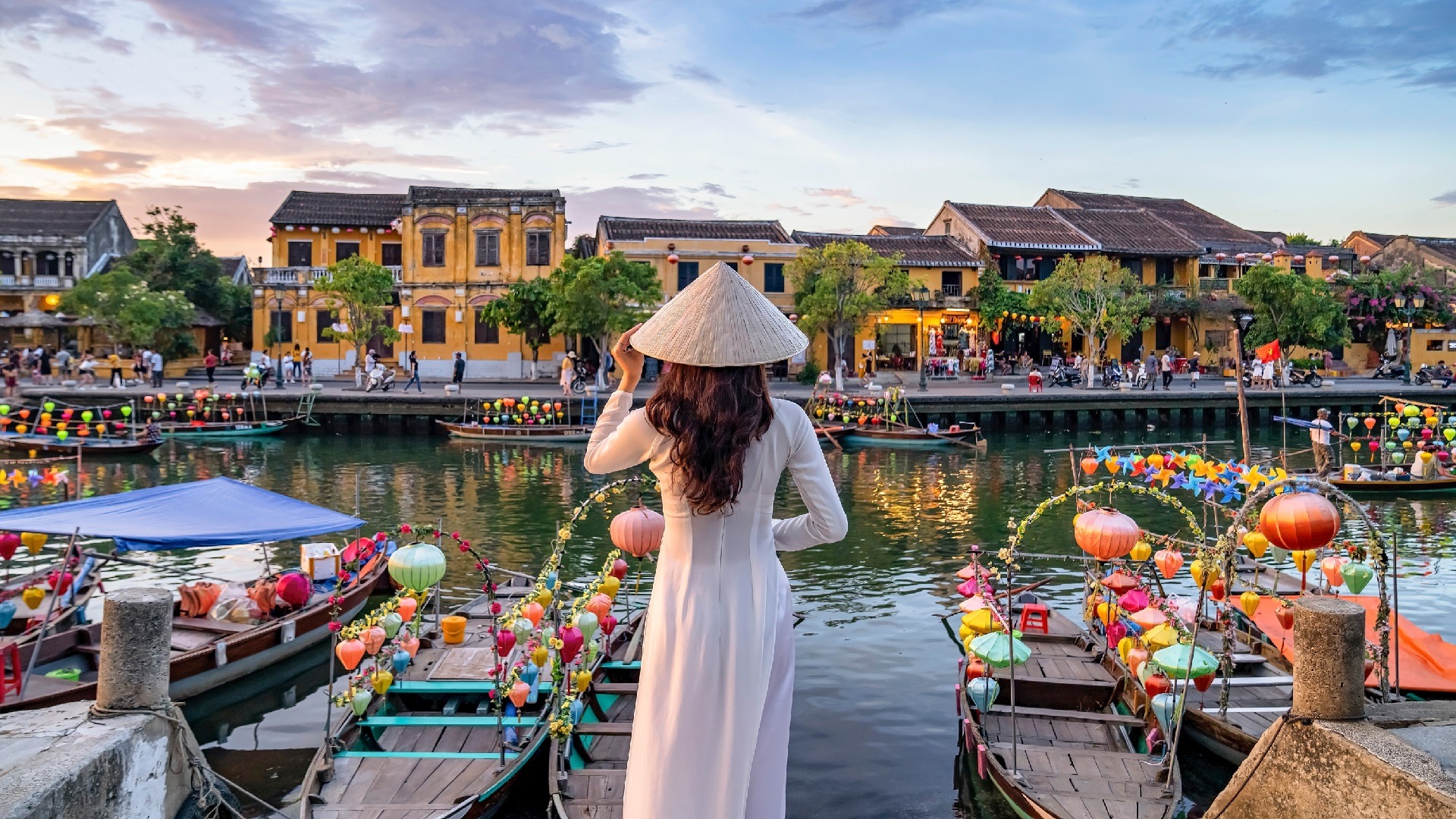
Beyond its visual charm, Hoi An offers a slower, more authentic travel experience compared to larger cities in Vietnam. Whether you’re exploring heritage sites, enjoying local cuisine, or simply strolling along the river, the town delivers a perfect balance of relaxation and cultural discovery.
One of Hoi An’s most defining features is its deep cultural and historical legacy.
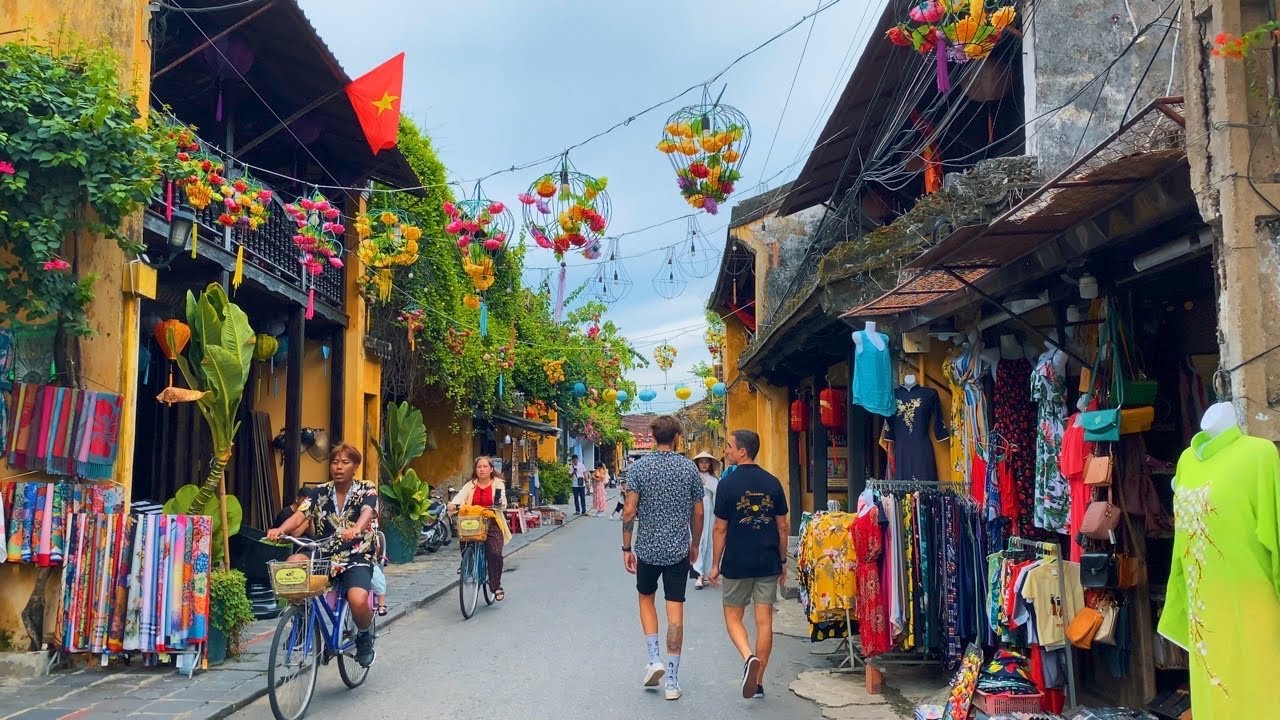
What gives Hoi An its soul is not just its preserved buildings, but the quiet, deeply Asian atmosphere that flows through every corner of the town. There is a rare sense of stillness here—especially in the early morning, when the market slowly comes alive with the soft rhythm of local life. Stalls of fine fabrics and tailor shops display high-quality textiles, a reflection of Hoi An’s long-standing reputation as a trading port where craftsmanship and elegance were once highly valued.
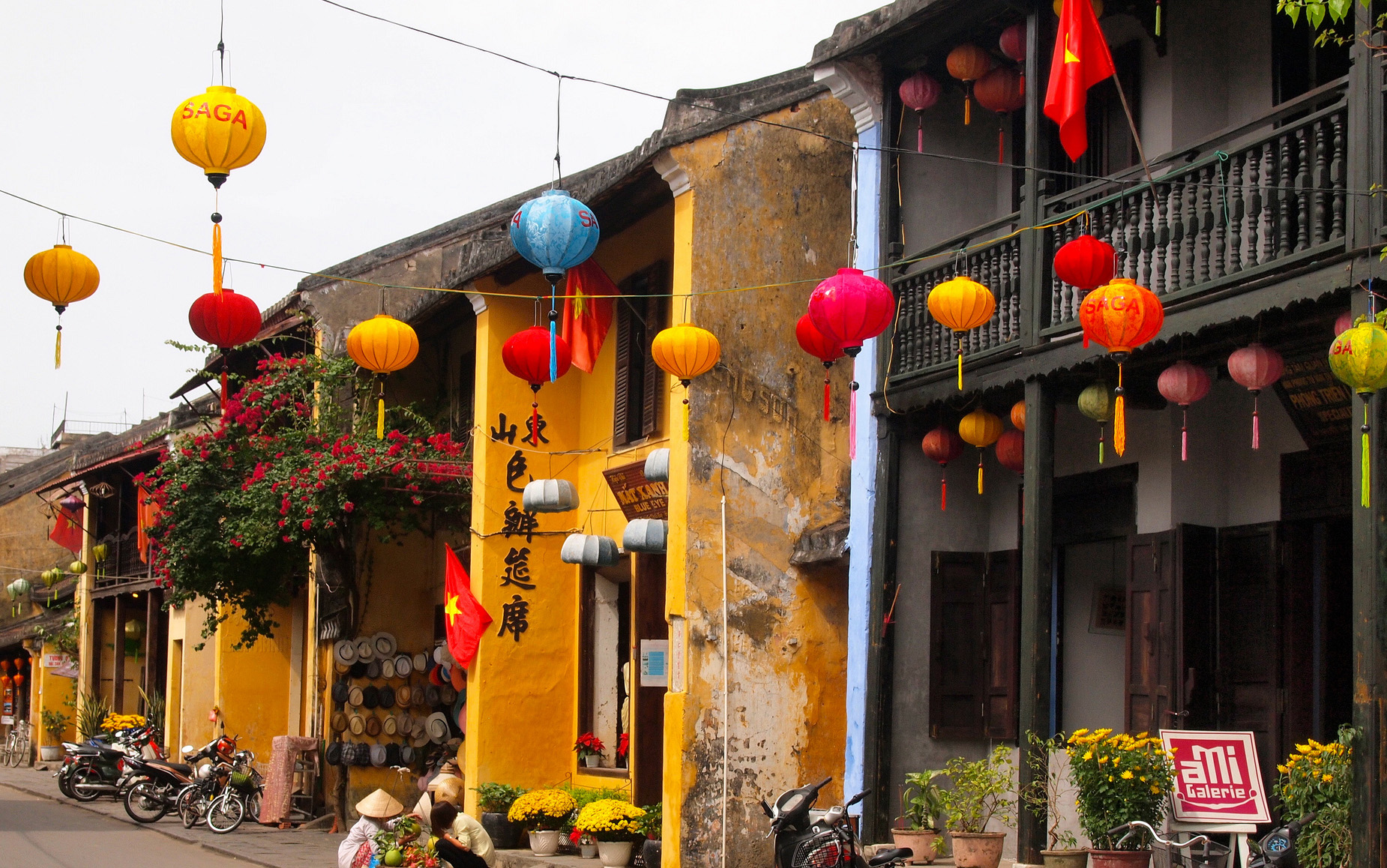
The cultural layers of Hoi An In Vietnam are subtle but unmistakable. Lanterns hang low across the streets, casting a warm, diffused glow that feels distinctly East Asian, yet different from anywhere else. The cuisine tells a similar story—dishes like Cao Lau carry traces of Chinese and Japanese influence, but have evolved into something uniquely local, shaped by the town’s own history and ingredients.
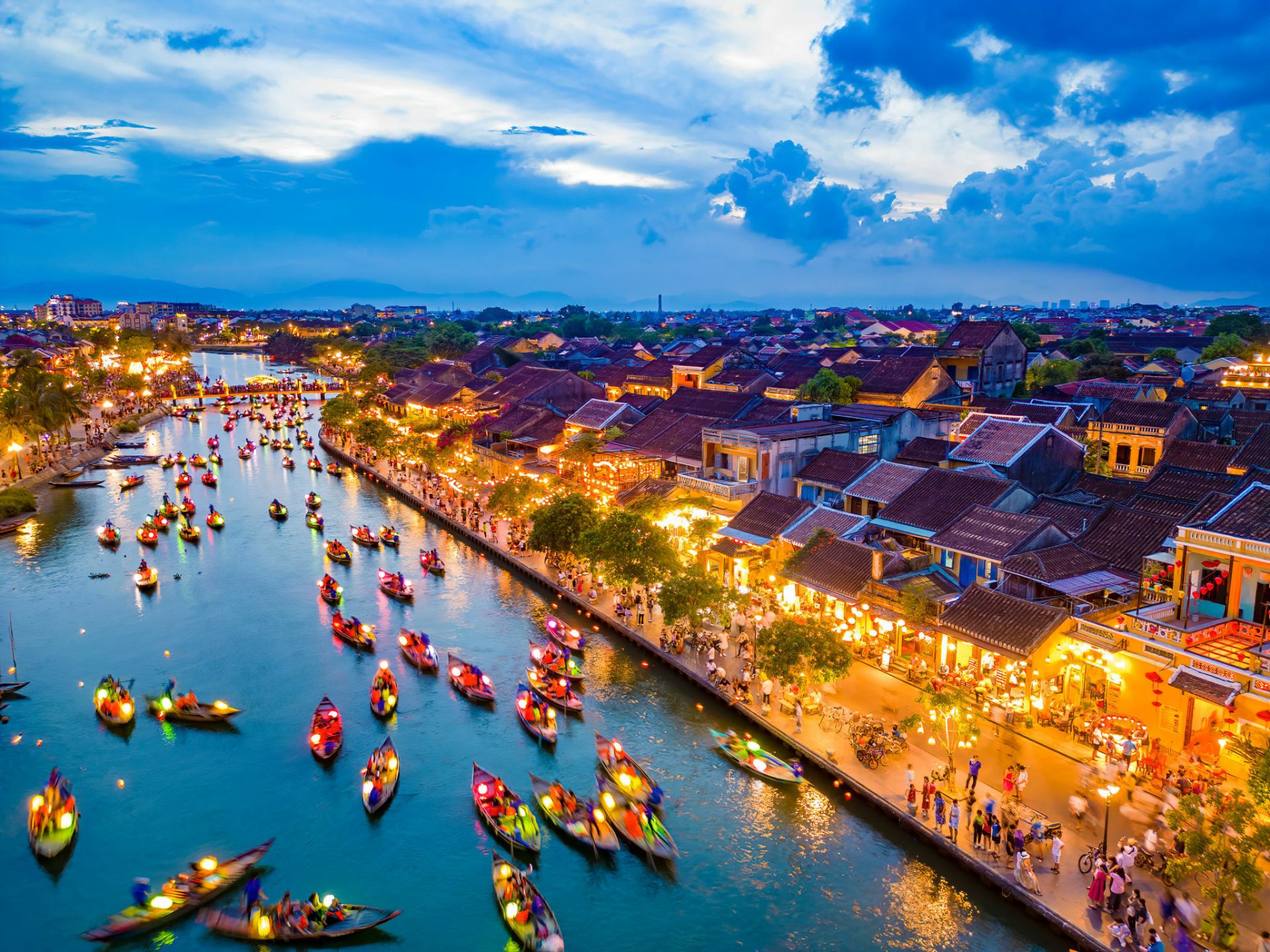
Beyond the streets, time seems to slow even further along the banks of the Thu Bon River. Here, the experience becomes more introspective. In the evening, small lanterns are gently released onto the water—not in a grand or crowded celebration, but in a quiet, almost meditative ritual. Unlike the vibrant and often festive lantern displays seen in parts of China, Hoi An’s version feels softer, more personal—like a fleeting moment of reflection drifting slowly downstream.
Nearby, traditional craft villages such as pottery communities preserve techniques that have existed for generations, adding another layer to the town’s cultural depth. Altogether, Hoi An In Vietnam is not defined by spectacle, but by its harmony—between trade and tradition, foreign influence and local identity, movement and stillness.
Best Time to Visit (Quick Guide)- Hoi An In Vietnam
- February – April: The best time to visit, with mild temperatures and dry weather
- May – August: Hot and sunny, ideal for beach trips nearby
- September – November: Rainy season, with occasional flooding in the Old Town
- December – January: Cooler months with fewer tourists
A special highlight is the monthly Hoi An Lantern Festival, when electric lights are turned off and the town glows under lanterns and candlelight, offering one of the most memorable cultural experiences in Vietnam.
2. Top Attractions in Hoi An in Vietnam
Hoi An In Vietnam is not a place you “tick off” with a list of attractions. It is a place you move through slowly—where each location reveals itself not through scale, but through texture, light, and atmosphere. The deeper you go, the quieter it becomes, and that’s where its character begins to show.
| Category | Location | Atmosphere | Cultural Influence | Experience Feeling |
| Landmark | Japanese Covered Bridge | Quiet, intimate, slightly nostalgic | Japanese + Vietnamese | A gentle pause in the flow of the town, subtle and reflective |
| Heritage House | Tan Ky Old House | Dim, layered, lived-in | Vietnamese + Chinese + Japanese | Feels like stepping into real, preserved daily life from the past |
| Temple / Assembly Hall | Fujian Assembly Hall | Spiritual, dense, incense-filled | Strong Chinese influence | Deep, symbolic, culturally immersive atmosphere |
| Cultural Activity | Lantern-making workshops | Calm, delicate, hands-on | Local craft tradition | Slow, meditative, focused on detail and patience |
| Cultural Activity | Cooking classes | Warm, grounded, interactive | Vietnamese cuisine with Asian influence | Sensory, balanced, rooted in everyday life |
| Nature / Beach | An Bang Beach | Open, airy, minimal | Coastal local lifestyle | Relaxed, light, freeing from the density of Old Town |
| Nature / Water | Bay Mau Coconut Forest | Enclosed, green, quiet waterways | Rural river culture | Slow drifting, immersive, slightly surreal |
| Historical Site | My Son Sanctuary | Ancient, quiet, slightly mysterious | Champa civilization (Hindu influence) | Reflective, distant from modern life, almost timeless |
Must-See Landmarks- Hoi An In Vietnam
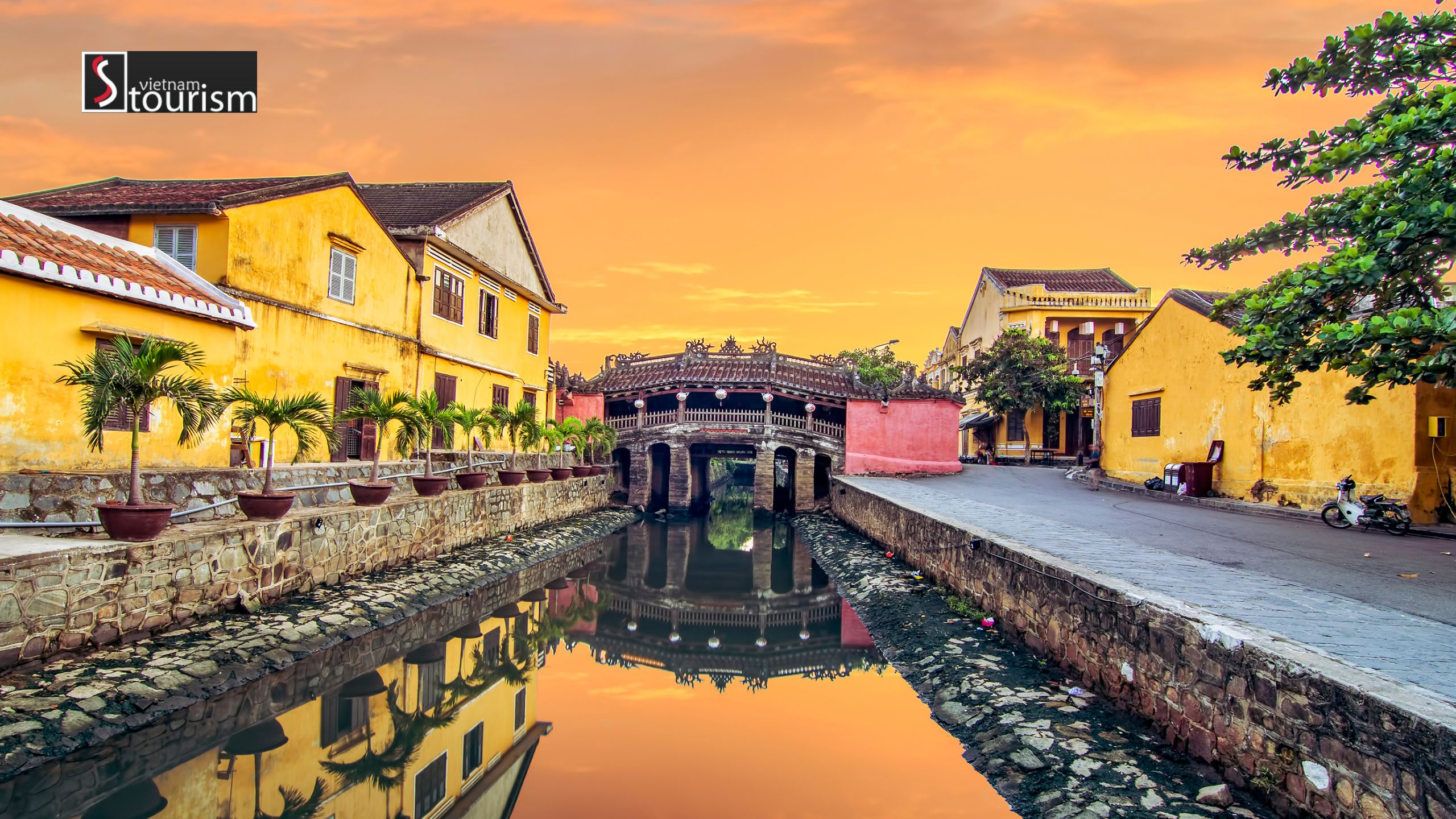
Japanese Covered Bridge The bridge is smaller than most people expect, almost understated. But that’s exactly why it lingers in memory. Its aged wood, muted tones, and slightly curved form feel less like a monument and more like a pause in the city—a place where movement slows down. Standing there, especially in the early morning, you don’t just see history—you feel the stillness it has absorbed over centuries.
Tan Ky Old House Inside this house, time feels layered. The air is dim, filtered through wooden shutters; the floor slightly worn from generations of footsteps. There is no dramatic display—only quiet details: carved beams, a narrow corridor, a courtyard open to the sky. It’s the kind of place where you start to imagine conversations, trade, daily life—not as history, but as something that once moved naturally through the space.
Fujian Assembly Hall Unlike the stillness of the old houses, this space carries a different energy—dense, spiritual, almost heavy with incense. Red, gold, and shadow blend together under hanging coils of incense that burn slowly overhead. It doesn’t feel like a tourist site; it feels like a place that is still being used, still believed in. The presence of Chinese heritage here isn’t decorative—it’s alive, integrated into the rhythm of the town.
Cultural Experiences
Lantern-making workshops What seems decorative at night becomes something more tactile during the day. As you shape bamboo and stretch fabric, you begin to understand why lanterns feel so integral to Hoi An—they’re not just lights, but objects of patience and balance. That quiet craftsmanship reflects the town itself.
Cooking classes The experience often starts in the market, where everything moves in a calm, unhurried rhythm—vendors arranging herbs, fresh ingredients laid out with care. When cooking, nothing feels rushed. The flavors are layered but gentle, much like the town—never overwhelming, always balanced.
Museums and heritage houses These spaces don’t try to impress. They are quiet, almost easy to overlook. But that’s their strength. They allow you to sit with the past rather than be told about it—through old walls, preserved interiors, and the absence of noise.
Nearby Attractions
An Bang Beach The beach doesn’t interrupt the mood of Hoi An—it extends it. Open, airy, and simple, it offers a different kind of calm. No dramatic coastline, just a horizon, soft waves, and long moments where nothing much happens—and that’s exactly the point.
Bay Mau Coconut Forest Moving through this area by basket boat, you notice how sound changes. The water is quiet, the palms filter the light, and everything feels slightly enclosed. It’s less about the activity and more about the sensation of drifting—of being carried slowly through a landscape shaped by water.
My Son Sanctuary Here, the silence feels older. The ruins are not restored to perfection— they remain partially worn, partially reclaimed by nature. Walking among them, there’s a sense of distance from the present. It’s not polished history, but something more raw, more reflective—like a memory that hasn’t been fully preserved, yet still holds meaning.
In Hoi An, attractions are not defined by how impressive they are, but by how they make you slow down, notice, and feel. That’s where its depth lies—not in what you see first, but in what stays with you after you leave.
3. How to Get to Hoi An in Vietnam
Hoi An doesn’t have its own airport, which is part of why it still feels calm and preserved. Instead, most travelers arrive via Da Nang, then continue a short journey to reach the Old Town.
Fly to Da Nang
Da Nang is the main gateway, with frequent flights from major cities in Asia such as Bangkok, Seoul, Singapore, and domestic routes from Hanoi and Ho Chi Minh City. The airport is modern, efficient, and easy to navigate.
Hoi An doesn’t have its own airport, which helps preserve its quiet, old-world atmosphere. Most travelers arrive via Da Nang, then continue a short journey of about 30 km (18–22 miles), typically taking 30–45 minutes.
From Da Nang International Airport, there are two main ways to reach Hoi An. The most popular is the coastal route via Vo Nguyen Giap and Lac Long Quan, where the road runs alongside the sea, offering open views, fresh air, and a smooth, relaxed drive—especially pleasant in the late afternoon. Alternatively, the inland route via QL1A or DT607 is slightly more direct, passing through local neighborhoods, small shops, and everyday street life. While less scenic, it gives a more grounded glimpse of the region.
Distance & Travel Time- Hoi An In Vietnam
- Distance: ~30 km (18–22 miles)
- Travel time: 30–45 minutes
The route is straightforward, passing a mix of coastal roads and local neighborhoods. It’s not a long journey, but you’ll notice the shift—from a busy coastal city into a quieter, more intimate destination.
Transport Options & Cost (USD)
| Option | Price (1-way) | Details |
| Private Car | $12 – $15 | Best balance of price & comfort. Fixed rate, no surprises, door-to-door service. Ideal after a flight. |
| Taxi (metered) | $14 – $22 | Easy to find at the airport, but prices can vary depending on traffic or route. |
| Grab (ride-hailing app) | $12 – $18 | Convenient, transparent pricing via app. Great for solo travelers. |
| Shuttle Bus | $5 – $8 | Budget-friendly, shared with other travelers. May require waiting time. |
| Public Bus | ~$1 – $2 | Cheapest option, but slower, less direct, and not ideal with luggage. |
4. Travel Tips
Hoi An rewards travelers who move gently and pay attention to small details. A few simple choices—when you go out, what you wear, how you pay—can shape your entire experience.
Travel Tips
- Visit early morning or evening The Old Town is at its best when it’s quiet. Early morning brings soft light and a slower rhythm of local life, while evening offers a more atmospheric experience under lanterns. Midday can feel crowded and noticeably hotter.
- Wear light, breathable clothing The climate is warm and humid for most of the year. Linen, cotton, and loose-fitting outfits will make walking much more comfortable—especially if you plan to explore on foot.
- Carry cash for small shops While some cafés and hotels accept cards, many local vendors, markets, and smaller tailor shops prefer cash. Having small denominations makes transactions easier and smoother.
- Respect local culture and heritage sites Hoi An is not just a tourist destination—it’s a living heritage town. Dress modestly when visiting temples or assembly halls, avoid loud behavior in quiet areas, and be mindful when taking photos, especially of locals.
Budget Overview (USD)- Hoi An In Vietnam
Hoi An in Vietnam is relatively affordable compared to many destinations in Asia, but your spending can vary depending on your travel style.
Accommodation
- Budget (hostels / homestays): $10 – $25 / night
- Mid-range (boutique hotels): $30 – $80 / night
- Luxury (resorts / high-end stays): $100 – $300+ / night
Food & Dining
- Street food / local eateries: $2 – $5 per meal
- Casual restaurants: $5 – $15 per meal
- Fine dining / riverside restaurants: $20 – $50+ per meal
Transport & Entrance Fees
- Bicycle rental: $1 – $3 / day
- Motorbike rental: $5 – $10 / day
- Taxi / Grab within town: $2 – $5 per trip
- Old Town entrance ticket: ~$5 (covers multiple heritage sites)
Estimated Total Budget for Hoi An in Vietnam (Per Day / Per Trip)
To make planning easier, here’s a realistic estimate based on different travel styles:
| Travel Style | Daily Budget | 2–3 Days Trip | What You Get |
| Budget | $25 – $40/day | $60 – $120 | Hostel/homestay, street food, bicycle, basic experiences |
| Mid-range | $50 – $100/day | $120 – $250 | Boutique hotel, restaurants, Grab/taxi, tours & activities |
| Luxury | $120 – $300+/day | $300 – $800+ | Resort stay, fine dining, private transport, curated experiences |
What This Budget Actually Feels Like
- $30/day → You live simply, eat local, move slowly, but still experience the essence of Hoi An
- $70/day → Comfortable, flexible, can enjoy food, cafés, and some guided activities
- $150+/day → Relaxed, premium experience with better space, service, and privacy
Conclusion
Hoi An in Vietnam is not a place that tries to impress you all at once. It reveals itself gradually—through quiet streets in the early morning, the soft glow of lanterns at dusk, and the slow movement of life along the river.
By the time you leave Hoi An, what stays with you is rarely a single attraction. It’s the feeling of stillness, the balance between cultures, and the sense that nothing here is rushed. Even the smallest moments—a walk without direction, a meal by the river, a lantern drifting away—carry a kind of quiet meaning. For travelers willing to slow down, Hoi An offers something increasingly rare: not just a destination, but a different pace of being. And perhaps that’s the real reason people return—not to see more, but to feel it again.
BeDental – A Leading Dental Clinic for International Travelers in Vietnam
BeDental offers high-quality dental services for international travelers visiting Vietnam, combining modern technology with experienced dentists. Our services include general and cosmetic dentistry, dental implants, teeth whitening, and smile makeovers, all performed to international standards.
Designed for tourists, BeDental provides flexible appointments, English-speaking staff, and personalized treatment plans that fit travel schedules. With competitive pricing and convenient locations, BeDental allows visitors to improve their smile while enjoying their trip to Vietnam.