
Câu chuyện khách hàng
Vietnam Travel Visa Guide: Requirements, Types & How to Apply Easily
Th5

A Vietnam travel visa is an essential requirement for most international travelers who wish to explore the country’s rich culture, natural landscapes, and vibrant cities. Depending on nationality, visitors may need to apply for an e-visa or other visa types before arrival. The application process is now more convenient with online systems, allowing travelers to submit documents, pay fees, and receive approval electronically. Understanding the requirements, processing time, costs, and entry procedures helps ensure a smooth and hassle-free journey to Vietnam.
1. Overview of Vietnam Travel Visa
A travel (tourist) visa in Vietnam is an official authorization that allows foreign visitors to enter the country for short-term purposes such as sightseeing, leisure, or visiting friends and family. Unlike business or work visas, tourist visas are designed for temporary stays, typically with simpler requirements and fewer supporting documents.
In 2026, the visa system for tourists is heavily centered around the eVisa, which has become the dominant option. Based on recent travel trends, approximately 70–85% of international visitors now use eVisa due to its fully online process and predictable cost. Traditional methods like visa on arrival account for roughly 10–20%, mostly in urgent or last-minute cases, while embassy visas make up less than 5–10%, typically used for special or complex situations.
Visa-Free Entry vs Visa Requirement
Not all travelers need a visa. Vietnam offers visa exemptions for certain nationalities, allowing stays of 14–45 days depending on the country. However, travelers who exceed this duration or are not eligible must apply in advance—most commonly through the eVisa system.
Validity, Entry Types & Real Usage Patterns- Vietnam travel visa
In terms of structure, tourist visas are usually issued for up to 30–90 days, with options for single-entry (used once) or multiple-entry (reusable within the validity period). Among these, single-entry visas account for about 65–75% of applications, as most travelers visit Vietnam only once per trip, while multiple-entry visas (~25–35%) are chosen by those combining Vietnam with nearby countries.
Why Understanding Visa Types Saves Time & Cost
Understanding these distinctions is important because even small mistakes—such as selecting the wrong entry type or misunderstanding visa validity—can lead to delays, additional fees, or denied boarding. In practice, travelers who choose the correct visa type and apply early can reduce their overall cost and risk by 30–50% compared to last-minute or incorrect applications.
2. Vietnam Travel Visa Types (Tourist vs Other Visas)
2.1 Tourist Visa Options (For Travel Purposes)- Vietnam travel visa
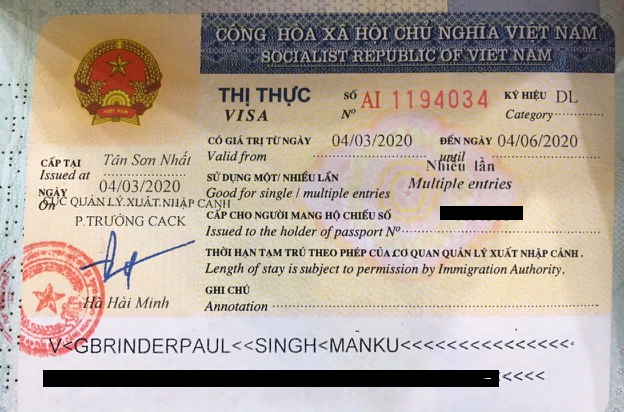
eVisa (Mainstream Option in 2026) The eVisa is the most widely used travel visa for entering Vietnam in 2026. It is applied fully online, requires no physical paperwork submission, and is typically processed within 3–5 working days. Travelers receive a digital approval that can be used for entry at designated airports, land borders, and seaports. Because of its simplicity and transparency, the eVisa now accounts for approximately 70–85% of all tourist visa applications. It is the preferred option for most short-term visitors.
Visa on Arrival (Conditional & Airport-Only) Visa on Arrival (VOA) is a limited option available only for air travelers entering Vietnam. It requires travelers to obtain an approval letter in advance online, and the actual visa is issued at the airport upon arrival. This method is mainly used in urgent or last-minute situations when eVisa processing time is not sufficient. However, it is less common today, accounting for only about 10–20% of applications, due to its two-step process and dependency on cash payment at the airport.
Embassy / Consulate Tourist Visa (Traditional Method): The embassy or consulate visa is the traditional application method, processed directly through Vietnamese diplomatic missions. Applicants must submit documents physically or through postal services depending on the country. This method is more time-consuming and less flexible but remains necessary for certain cases, such as special nationality requirements or complex travel purposes. It represents a small share of total applications, estimated at under 10%, mainly used when eVisa or VOA is not suitable.
2.2 Non-Tourist Visas (Different Purpose)
Business Visa (DN) The business visa (DN) in Vietnam is designed for short-term professional activities such as meetings, negotiations, or exploring partnerships. Unlike tourist visas, it is linked to a business sponsor or company invitation, which makes the approval process more structured and document-heavy. It does not allow formal employment but is commonly used for short business trips, typically ranging from 1 to 3 months, with possible extensions depending on the case.
Work Visa / Work Permit (LD) The work visa (LD) is intended for foreigners who plan to work legally in Vietnam. It is closely tied to a work permit, which must be approved before or alongside the visa application. This type of visa is significantly more complex than a tourist visa because it requires employer sponsorship, professional qualifications, and sometimes health and background checks. It is used for long-term employment, often valid from 1 to 2 years, and can be extended based on the employment contract.
Other Long-Term Visas (Student, Investment, Family) Beyond business and work visas, there are several long-term visa categories for specific purposes in Vietnam. Student visas are issued to individuals enrolled in educational institutions, while investment visas are granted to foreign investors contributing capital to businesses or projects. Family-based visas apply to individuals joining relatives who are living legally in Vietnam. These visas typically require extensive documentation and are designed for residency rather than short visits, with validity periods that can extend from several months to multiple years depending on eligibility.
2.3 Key Differences: Tourist vs Non-Tourist- Vietnam travel visa
Understanding the difference between tourist and non-tourist visas in Vietnam is essential because many travelers mistakenly assume all visas work the same way, while in reality they are designed for completely different purposes.
Purpose of Use Tourist visas are strictly for short-term travel activities such as sightseeing, leisure, or visiting friends. In contrast, non-tourist visas (such as business, work, or student visas) are issued for specific long-term or professional purposes, including employment, education, or investment activities. Using the wrong visa type can lead to entry refusal or legal issues.
| Criteria | Tourist Visa | Non-Tourist Visa |
| Purpose of Use | Leisure, sightseeing, visiting friends/family | Work, business, study, investment, long-term stay |
| Main Types | eVisa, Visa on Arrival, Embassy tourist visa | Business (DN), Work (LD), Student, Investment, Family |
| Typical Duration | 30–90 days | Several months to multiple years |
| Flexibility | High (simple travel purpose) | Limited (must match declared activity) |
| Sponsorship Required | Usually not required | Often required (employer, school, organization) |
| Application Complexity | Simple, mostly online (eVisa) | More complex, requires supporting documents |
| Processing Time | ~3–5 days (standard) | Longer (often 1–3+ weeks depending on type) |
| Approval Strictness | Moderate | High (document-heavy review) |
| Usage Share in Vietnam | ~80–90% of short-term visitors | ~10–20% (non-tourism purposes) |
Duration & Flexibility Tourist visas are generally limited to short stays (30–90 days) and are designed for temporary visits with flexible travel routes. Non-tourist visas, however, often allow longer stays ranging from several months to multiple years, depending on the category. However, they are less flexible in terms of travel purpose and must match the declared activity.
Sponsorship Requirements Most tourist visas—especially the eVisa—do not require sponsorship, making them easier to apply for independently. In contrast, non-tourist visas usually require a local sponsor such as an employer, school, or organization in Vietnam, which is a mandatory part of the approval process.
Complexity & Application Process Tourist visas are relatively simple, often involving online application, basic documents, and fast processing (3–5 days). Non-tourist visas are significantly more complex, requiring additional documentation such as contracts, invitation letters, work permits, or enrollment proof, and often involve longer approval timelines and stricter review procedures.
3. Vietnam Travel Visa Requirements
Visa requirements for entering Vietnam are not identical across all visa categories. Each visa type has its own level of documentation, verification, and entry conditions depending on the purpose of travel.
3.1 eVisa Requirements (Tourist / Short-Term Travel)- Vietnam travel visa
The eVisa is the simplest visa type. Applicants only need a valid passport (6+ months validity), a clear passport photo, and basic travel information (entry date, port of entry, purpose of visit). Since the process is fully online, no additional supporting documents like invitation letters or financial proof are required in most cases.
| Visa Type | Core Requirements | Additional Documents | Entry Conditions | Complexity |
| eVisa (Tourist) | Passport (6+ months validity), passport photo, travel details | None in most cases | Must enter via approved ports in Vietnam | Low |
| Visa on Arrival (VOA) | Passport scan, travel details, approval letter (mandatory) | Printed approval letter, arrival form | Air entry only + stamping at airport | Medium |
| Embassy / Consulate Visa | Passport, photo, application form | Invitation letter, financial proof, accommodation details (varies) | Depends on embassy approval | High |
| Business Visa (DN) | Passport, invitation letter from Vietnamese company | Business registration / sponsorship documents | Must match business purpose | High |
| Work Visa (LD) | Passport, work permit, employment contract | Health check, criminal record (sometimes) | Must be sponsored by employer in Vietnam | Very High |
| Student / Investment / Family Visa | Passport, proof of purpose (study/investment/family) | Enrollment letter / investment proof / relationship documents | Must match long-term purpose | High |
3.2 Visa on Arrival Requirements (Conditional Entry)- Vietnam travel visa
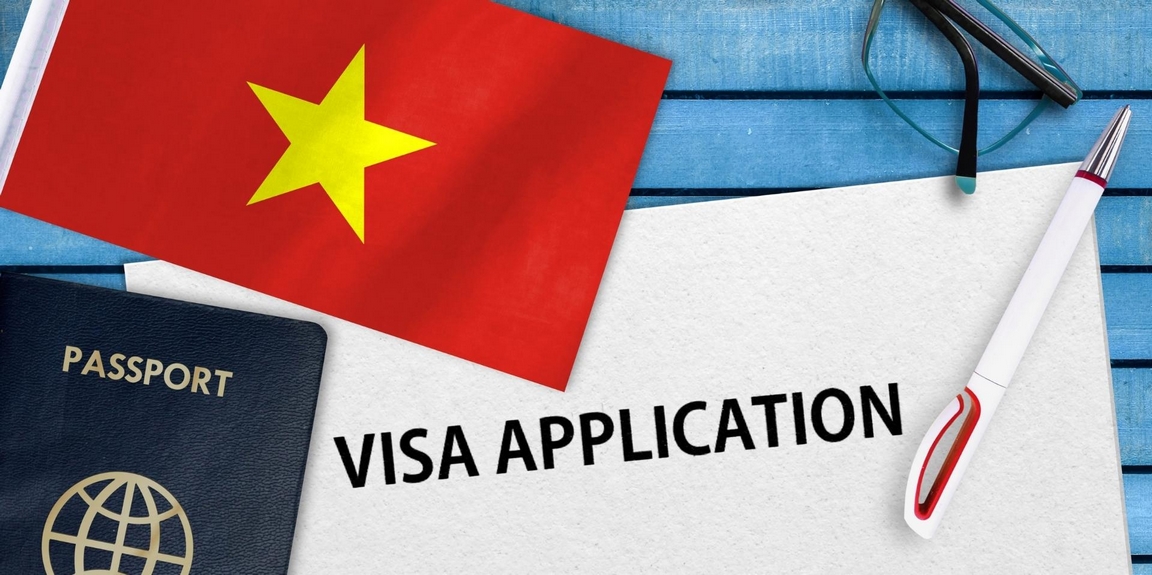
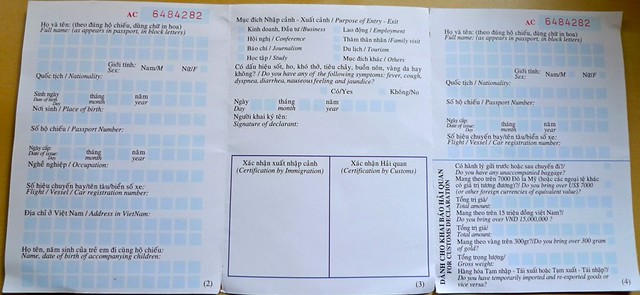
Visa on arrival requires slightly more preparation. In addition to a passport scan and travel details, travelers must first obtain an approval letter before departure, which acts as a mandatory entry document. At the airport in Vietnam, they must also present printed documents and prepare for the stamping process upon arrival.
3.3 Embassy / Consulate Visa Requirements (Traditional Process)
This visa type has the most detailed requirements. Besides a valid passport and photo, applicants may need supporting documents such as invitation letters, proof of accommodation, financial statements, or purpose justification. Because it is processed manually, requirements vary depending on the embassy location and visa purpose.
3.4 Business Visa (DN) Requirements
The business visa requires stronger verification than tourist visas. Applicants must have a sponsoring company or organization in Vietnam, along with an invitation letter or business approval documents. Additional details such as job role and business purpose may also be required.
3.5 Work Visa (LD) Requirements
The work visa has strict legal requirements. It typically requires a valid work permit, an employment contract, and employer sponsorship in Vietnam. Some cases may also require health checks and criminal background certificates depending on job type.
3.6 Other Long-Term Visas (Student, Investment, Family)
These visas require specialized documents depending on the purpose:
- Student visa: enrollment letter from a Vietnamese institution
- Investment visa: proof of capital contribution or business registration
- Family visa: proof of relationship with a legal resident in Vietnam
These categories usually involve more extensive documentation and longer approval timelines.
4. How to Apply for a Vietnam Tourist Visa (Step-by-Step)
Applying for a Vietnam tourist visa is a straightforward process if you follow the correct steps and prepare your documents carefully. Below is a clear step-by-step guide to help you complete your application smoothly.
Step 1: Access the Official Application Portal
Start by visiting the official Vietnam visa application website or the designated e-visa portal provided by immigration authorities. Make sure you are using a legitimate government platform to avoid errors or scams.
Step 2: Fill in the Application Form Correctly
Complete the online visa application form with accurate personal information, including your full name, passport details, travel dates, and intended entry/exit points. All details must match your passport exactly to avoid delays or rejection.
Step 3: Upload Required Documents (Technical Specifications)
Prepare and upload the required documents in the correct format:
- Passport bio page (clear scan, usually JPG or PDF, high resolution)
- Passport-sized photo (white background, standard visa photo requirements)
- Additional documents if requested (such as travel itinerary or accommodation details)
Ensure file size, format, and image quality meet the system requirements specified on the portal.
Step 4: Pay the Visa Fee
Proceed to the payment section and complete the visa fee using accepted online payment methods (credit/debit card or other supported options). Keep the payment confirmation for your records.
Step 5: Receive Approval & Prepare for Entry
Once your application is processed, you will receive your visa approval via email or through the portal. Download and print your visa approval letter (if applicable) and prepare all necessary documents for presentation upon arrival in Vietnam.
5. Processing Time & Approval Factors
Standard Processing (3–5 Working Days)
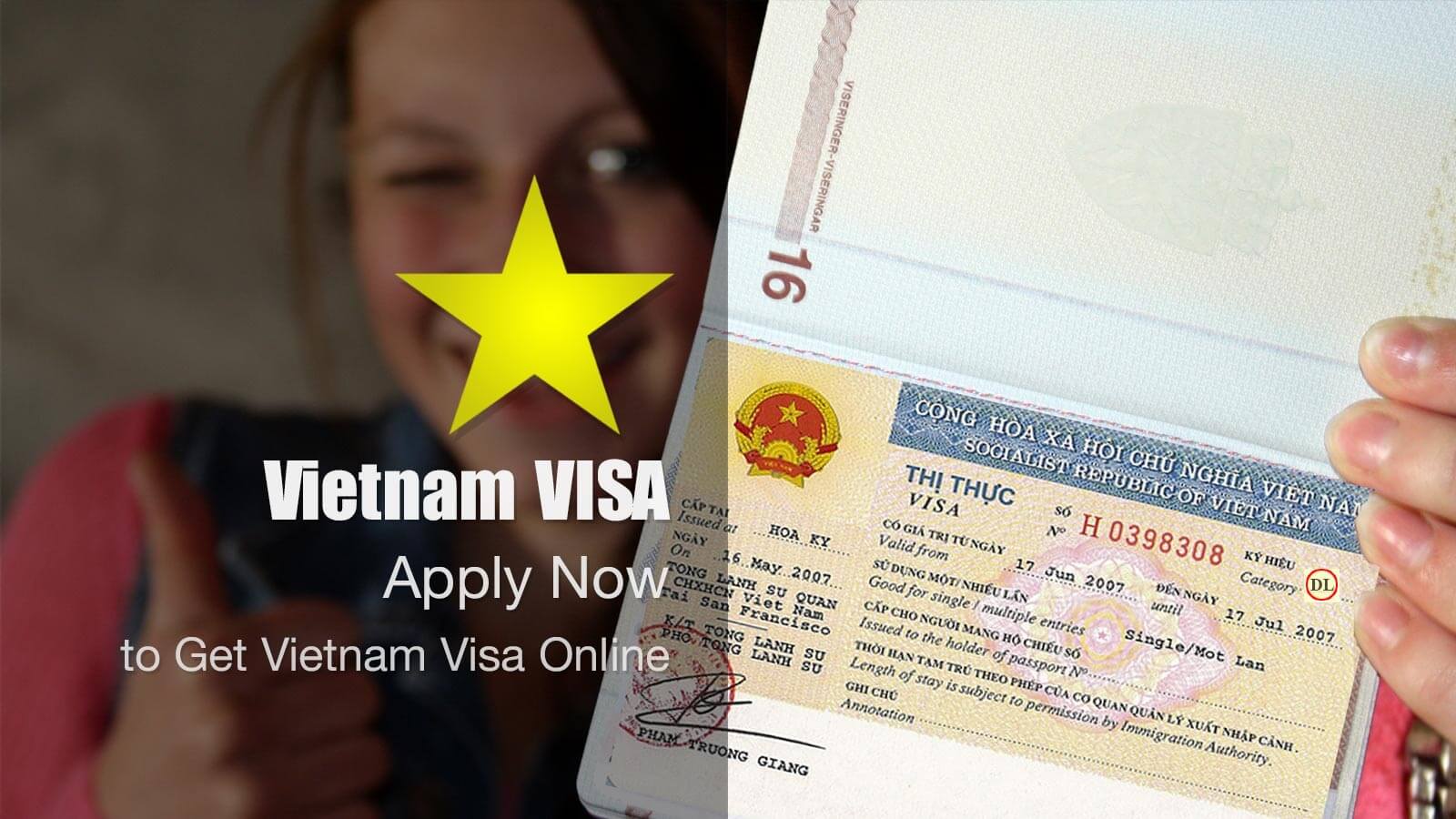
In most cases, a Vietnam tourist visa (especially the e-visa) is processed within 3 to 5 working days after submission. This applies when all information and documents are correctly provided and no additional verification is required.
Urgent Options (24–48 Hours)
For travelers with urgent needs, some services offer expedited processing within 24–48 hours. In special cases, processing can be even faster. However, this option usually comes with higher service fees and approval is not always guaranteed if additional checks are required.
Factors Affecting Approval
Vietnam travel visa processing time and approval results may vary depending on several factors:
- Application accuracy: Incorrect or inconsistent information may cause delays or rejection
- Peak travel seasons: High demand during holidays, summer, or Lunar New Year
- Manual review process: Some applications are selected for additional verification
- Document quality: Blurry scans, missing details, or incorrect file formats can slow down processing
Vietnam Visa Fees & Real Costs – Vietnam travel visa
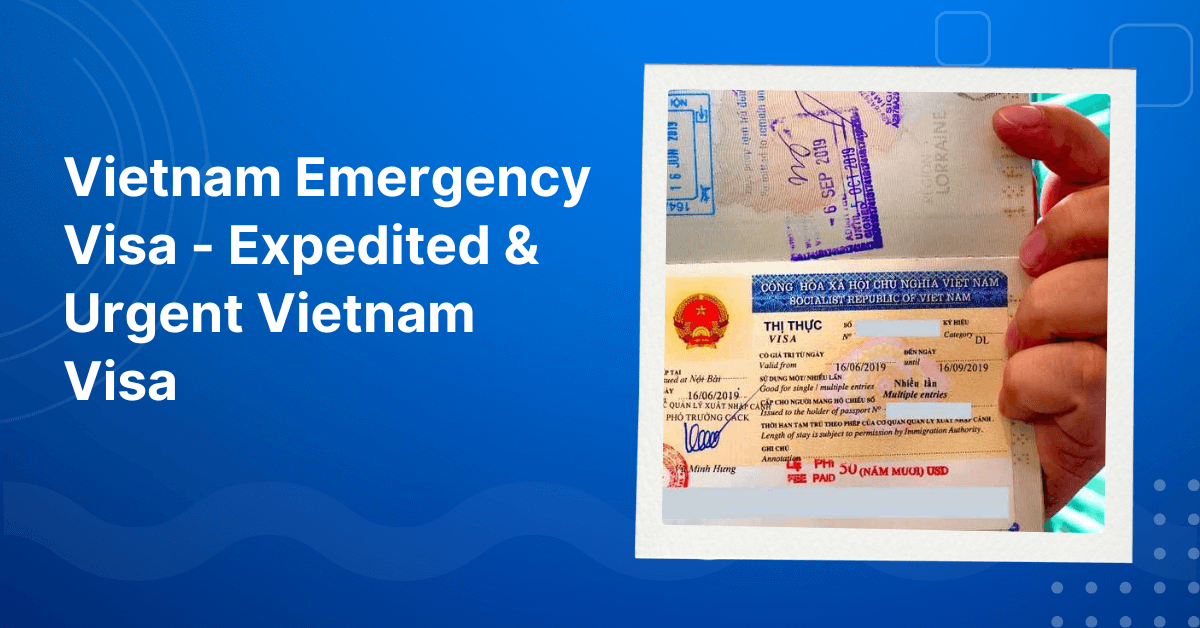
The cost of a Vietnam travel visa depends on the application method and processing speed. The official government fee is 25 USD for a single-entry e-visa and 50 USD for a multiple-entry e-visa, both valid for up to 90 days. If you apply through a visa agency or third-party service, additional service fees typically range from 20–80 USD per applicant, depending on the level of support and processing speed. For urgent processing (24–48 hours), the total cost can increase to around 100–150+ USD. Overall, the cheapest option is self-application through the official portal, while faster or assisted services come at a higher price.
| Category | Details | Estimated Cost |
| Government e-Visa (Single Entry) | Official fee for up to 90 days | 25 USD |
| Government e-Visa (Multiple Entry) | Official fee for multiple entries, up to 90 days | 50 USD |
| Service Fee (Agency/Support) | Assistance with application and document handling | 20 – 80 USD |
| Urgent Processing | 24–48 hour fast-track service | 100 – 150+ USD |
6. How to Enter Vietnam with a Valid Visa
Once your visa is approved, entering Vietnam is a simple process if you prepare the correct documents and follow immigration procedures properly.
Entry Points (Airports, Land Borders, Seaports) – Vietnam travel visa
Travelers can enter Vietnam through multiple official checkpoints, including:
- International airports: such as Hanoi, Ho Chi Minh City, Da Nang, and others
- Land border gates: connecting Vietnam with neighboring countries like Laos, Cambodia, and China
- Seaports: for cruise and maritime arrivals
Make sure your visa is valid for the specific entry point registered in your application.
Immigration Process Step-by-Step
Upon arrival, the immigration process generally includes:
- Join the foreign passport queue at immigration control
- Present your passport and visa (or approval letter if applicable)
- Answer basic entry questions if required by officers
- Have your passport stamped for entry
- Collect your luggage and proceed to customs inspection
Required Documents at Arrival- Vietnam travel visa
To ensure smooth entry, prepare the following:
- Valid passport (at least 6 months validity remaining)
- Approved visa or visa approval document
- Return or onward travel ticket (may be requested)
- Proof of accommodation (hotel booking or address in Vietnam)
eVisa Print / QR Code Requirements
If you are using a Vietnam eVisa:
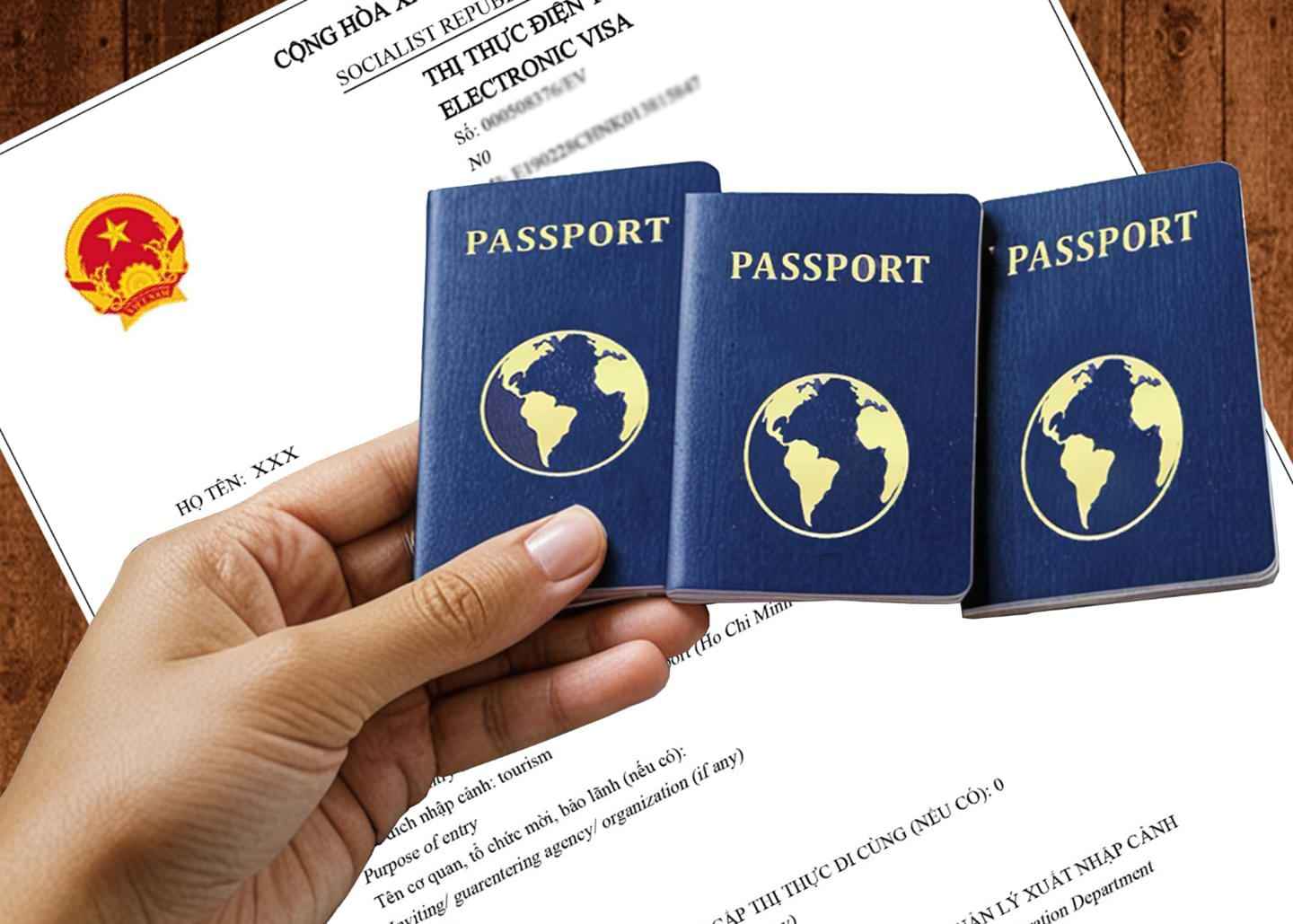
- It is recommended to print a physical copy of your eVisa for presentation
- You can also keep a digital version (PDF or QR code) on your phone
- Immigration officers may scan the QR code or check the printed document against your passport
Having both printed and digital copies is the safest option to avoid any issues at the border.
7. FAQs About Vietnam Travel Visa
Can I change the entry port after approval?
In most cases, no. The entry port (airport, land border, or seaport) is specified in your visa approval and is expected to remain unchanged. If you arrive at a different entry point, you may be denied entry or required to apply for a new visa.
Do I need a new visa for each trip?
Yes. A Vietnam tourist visa is typically valid for a single trip or a fixed validity period (e.g., 30–90 days). If you leave Vietnam and want to return (depending on visa type), you may need to apply for a new visa or ensure you have a multiple-entry visa.
Can I extend or convert my Vietnam travel visa?
Visa extension is possible in some cases, but it depends on your visa type and current immigration regulations. Extensions are usually handled through local immigration offices or authorized agencies. Converting a tourist visa into another type (such as work or business) is generally more complex and requires sponsorship.
What happens if my visa is rejected?
If your visa application is rejected, you will need to:
- Review the rejection reason (if provided)
- Correct any incorrect or missing information
- Reapply with updated documents
In most cases, the visa fee is non-refundable, so it’s important to ensure all information is accurate before submission.
Conclusion
Applying for and using a Vietnam tourist visa is a straightforward process when travelers follow the correct steps and prepare documents carefully. From choosing the right application method and understanding fees to knowing entry procedures and frequently asked questions, proper preparation significantly reduces delays and complications. By ensuring accurate information and selecting the appropriate processing option, visitors can enjoy a seamless entry into Vietnam and focus on their travel experience.
BeDental – A Leading Dental Clinic for International Travelers in Vietnam
BeDental offers high-quality dental services for international travelers visiting Vietnam, combining modern technology with experienced dentists. Our services include general and cosmetic dentistry, dental implants, teeth whitening, and smile makeovers, all performed to international standards.
Designed for tourists, BeDental provides flexible appointments, English-speaking staff, and personalized treatment plans that fit travel schedules. With competitive pricing and convenient locations, BeDental allows visitors to improve their smile while enjoying their trip to Vietnam.