

Câu chuyện khách hàng
Vietnam eVisa Explained: Requirements, Application Process & Latest Updates
Th5

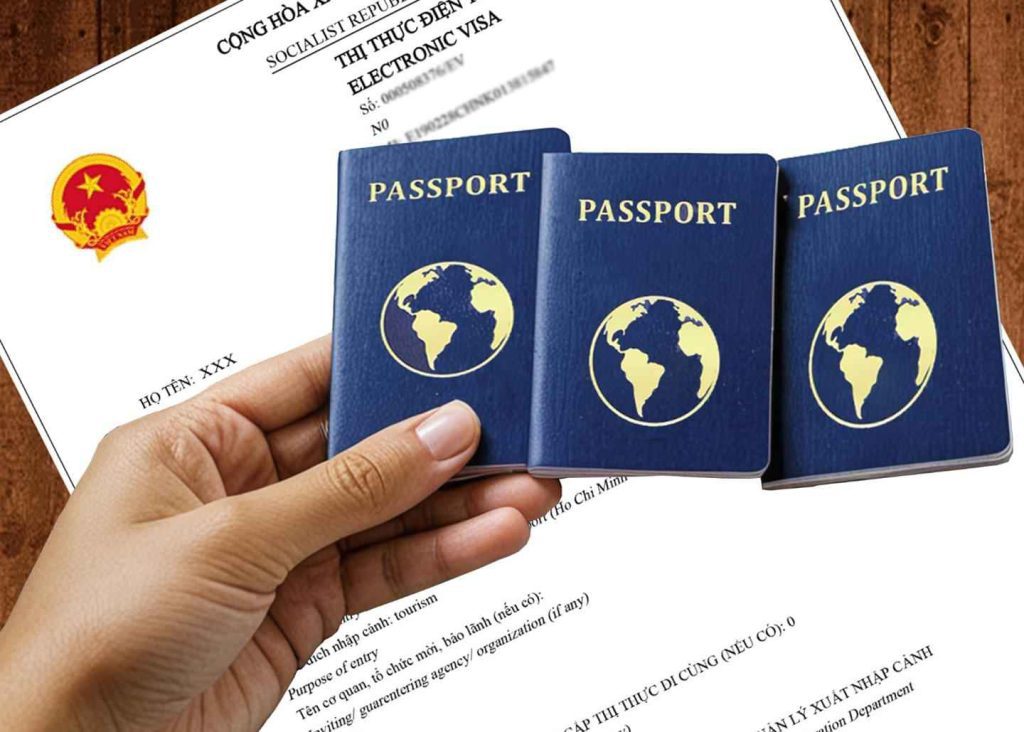
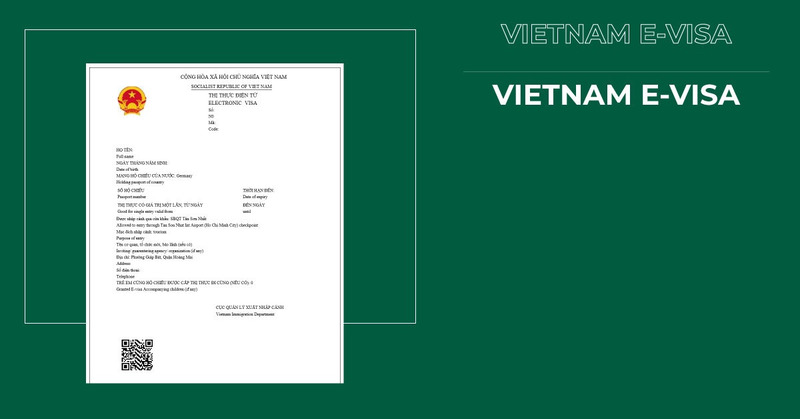
The Vietnam eVisa is an official electronic visa issued by the Vietnam Immigration Department, allowing foreign travelers to enter Vietnam for tourism, business, or short-term visits through a fully online process. Instead of visiting embassies or completing visa-on-arrival procedures at the airport, travelers can apply digitally and receive their visa in advance as a downloadable document.
1. What is Vietnam eVisa & Why It Matters
Why eVisa Has Become the Main Entry Option: Vietnam’s rapid growth in international tourism has made traditional visa processes less efficient. In 2025, Vietnam welcomed over 21 million international visitors, and in 2026 the country continues to receive around 2 million visitors per month, equivalent to 60,000–70,000 arrivals per day during peak periods.
To handle this scale, Vietnam has expanded its eVisa system to support:
- All nationalities worldwide
- Up to 90-day validity
- Single and multiple-entry options
- 83 official entry points (air, land, sea)
This combination of high travel demand and system expansion has made the eVisa the most practical and widely used entry method.
1.1 Key Benefits of Vietnam eVisa
When compared across key factors such as application process, validity, flexibility, cost, and entry access, the Vietnam eVisa stands out as one of the most balanced systems in Southeast Asia.
| Criteria | Vietnam | Thailand | Indonesia |
| Application Process | Fully online from start to approval, no embassy or on-arrival steps | Depends on visa exemption or embassy application | eVisa available but may require additional steps at arrival |
| Stay Duration | Up to 90 days | Typically 30–60 days | Usually 30 days (extendable) |
| Entry Options | Single-entry and multiple-entry available | Multiple-entry available but more complex | Mostly single-entry for standard eVisa |
| Cost Transparency | Fixed government fee ($25–$50) | Fees vary by visa type and nationality | May include extension and additional costs |
| Entry Access | 83 entry points (airports, land borders, seaports) | Strong airport access, limited land flexibility | Primarily airport-based entry |
Compared to Thailand and Indonesia, Vietnam offers a more streamlined and predictable visa experience, combining longer stay duration, simpler application procedures, and broader entry flexibility. While other countries may perform well in individual aspects, Vietnam stands out by delivering a more complete and traveler-friendly system overall.
1.2 Types of Vietnam eVisa (What’s the Difference?)
The Vietnam eVisa in Vietnam is mainly divided into single-entry and multiple-entry, but the real difference goes beyond just “enter once vs. many times.” It directly affects how you plan your trip, your cost, and your flexibility.
Single-entry vs. Multiple-entry: Core Differences
| Criteria | Single-entry eVisa | Multiple-entry eVisa |
| Number of entries | Enter Vietnam once only | Enter multiple times within validity |
| After exiting | Visa becomes invalid immediately | Can re-enter without reapplying |
| Validity | Up to 90 days | Up to 90 days |
| Cost | Lower (USD $25) | Higher (USD $50) |
| Flexibility | Limited | High flexibility |
How They Actually Work in Practice
A single-entry eVisa is straightforward: you enter Vietnam, stay for your approved duration, and once you leave—even for a short trip to a nearby country—the visa is no longer valid. If you want to return, you must apply for a new visa.
A multiple-entry eVisa, on the other hand, allows you to move in and out of Vietnam freely during the validity period. For example, you can fly into Vietnam, travel to Cambodia or Laos, and then come back without applying again. This makes it much more suitable for regional travel.
Which Type Should You Choose? The choice depends entirely on your travel plan:
- If your trip is Vietnam only, with no intention to leave and return → single-entry is enough and more cost-efficient
- If your trip includes multiple countries in Southeast Asia → multiple-entry is the better option
- If your schedule is uncertain or flexible → multiple-entry reduces risk and avoids reapplication
1.3 Fees & Processing Time
The Vietnam eVisa fee structure is straightforward and standardized by the government. The official fee is USD $25 for a single-entry visa and USD $50 for a multiple-entry visa, with no variation based on nationality. Payment is made online using international credit or debit cards during the application process.
The standard processing time is typically 3 to 5 working days, although this may vary depending on application volume and accuracy of submitted information. During peak travel seasons or public holidays in Vietnam, processing may take longer than usual.
Delays are most commonly caused by incorrect personal details, poor-quality document uploads, or incomplete applications. To minimize risk, travelers should apply at least 7 to 14 days before departure, ensuring enough time for processing or reapplication if needed.
2. Vietnam eVisa Requirements (What You Need Before Applying)
Before applying for a Vietnam eVisa, travelers should ensure they meet all eligibility conditions and prepare the required documents and information carefully. Most application issues come not from complexity, but from small inaccuracies or missing details.
Eligibility Conditions
To apply for a Vietnam eVisa, applicants must hold a valid passport from an eligible country (currently all nationalities are supported) and meet basic entry requirements set by Vietnam. Your passport must be valid for at least 6 months from your intended entry date and contain at least one blank page for immigration stamps. Applicants must also not fall under entry restriction categories, such as previous immigration violations or security-related bans.
Required Documents (With Specifications)
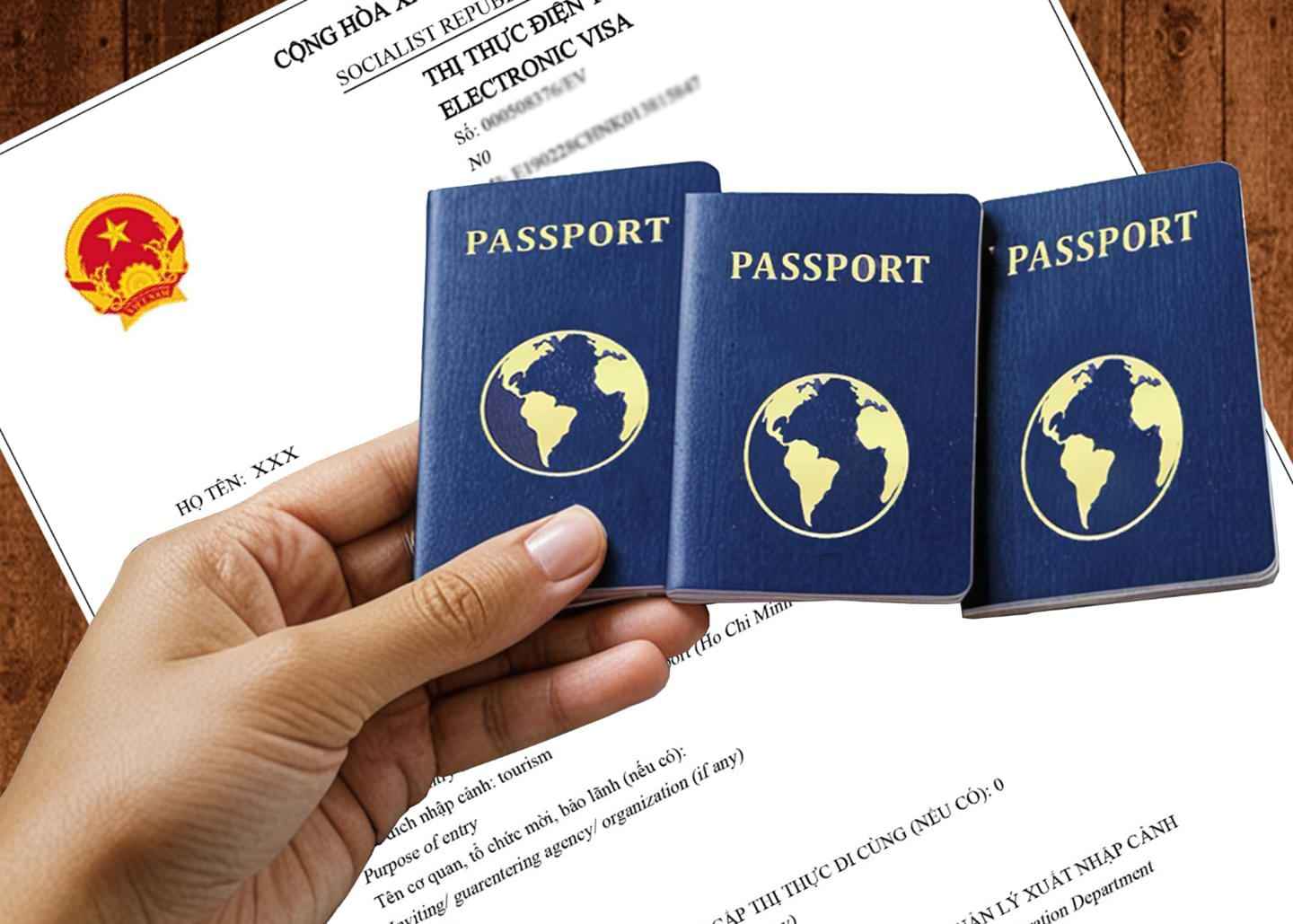
The eVisa application requires only a few documents, but they must meet strict quality standards:
- Passport bio page scan The image must show the full page clearly, including all personal details and ICAO lines. It should not be cropped, blurred, or obstructed. Accepted formats usually include JPG, PNG, or PDF.
- Portrait photo A recent photo (within the last 6 months) with a white background, clear face, and no glasses or shadows. The image should be properly centered and match standard passport photo guidelines.
Poor-quality uploads are one of the most common reasons for delays or rejection.
Information to Prepare in Advance
Applicants need to provide accurate and consistent personal and travel information, including:
- Full name (exactly as shown in passport, including middle names)
- Passport number and expiry date
- Nationality and date of birth
- Intended entry date and exit date
- Selected entry port (airport, land border, or seaport)
- Accommodation address in Vietnam
This information should be prepared in advance to avoid mistakes during the application process.
Common Mistakes to Avoid Before Submission
Many eVisa rejections are caused by simple but critical errors. The most common include:
- Name mismatch or missing middle names
- Incorrect passport number or expiry date
- Selecting the wrong entry port or travel dates
- Uploading low-quality or cropped images
- Submitting duplicate applications
Because you cannot edit your application after submission, it is essential to double-check all details before making payment.
3. How to Apply for Vietnam eVisa (Step-by-Step)
Applying for a Vietnam eVisa is a fully online process managed by the Vietnam Immigration Department. While the steps are straightforward, accuracy at each stage is essential to avoid delays or rejection when entering Vietnam.
Step 1: Access the Official Application Portal
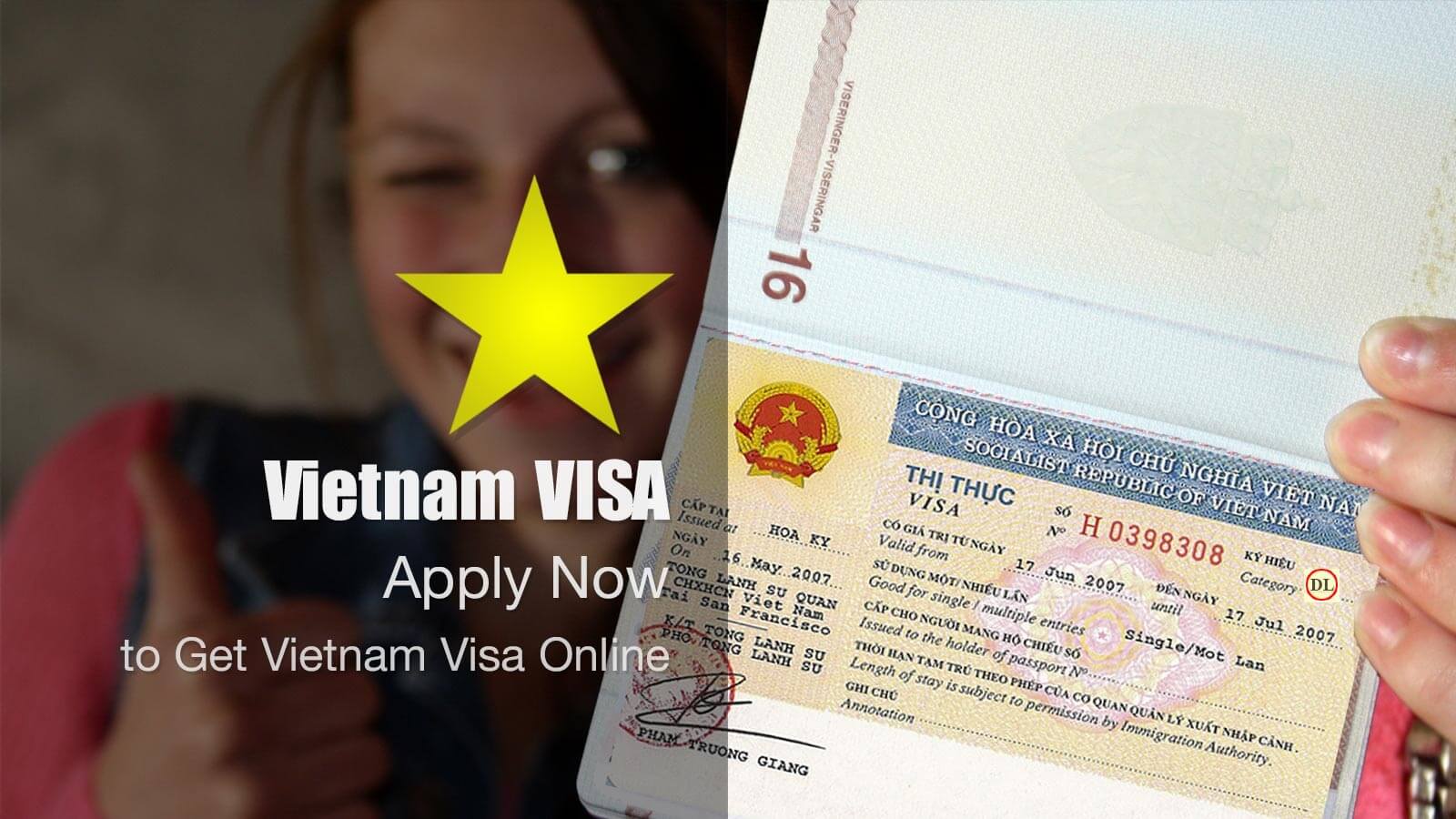
Start by visiting the official eVisa website and creating a new application. It is important to use the correct government portal to avoid unnecessary service fees from third-party websites. Once you begin, you will be guided through the application form.
Step 2: Fill in the Application Form
Enter your personal and travel details exactly as shown in your passport. This includes your full name (with middle name), passport number, nationality, date of birth, and intended entry and exit dates. You will also need to select your entry port and provide a basic accommodation address in Vietnam.
Accuracy is critical here—any mismatch with your passport can result in rejection.
Step 3: Upload Required Documents
Upload a clear scan of your passport bio page and a recent portrait photo. Make sure both files meet the required format and quality standards (no blur, no cropping, proper lighting). Poor-quality uploads are one of the most common reasons for processing delays.
Step 4: Pay the Visa Fee
After completing the form, proceed to payment. The fee is paid online using an international credit or debit card. Once payment is successful, you will receive an application registration code—this is important for checking your visa status later.
Step 5: Receive and Download Your eVisa
After the standard processing time (typically 3–5 working days), you can return to the portal, enter your registration code, and download your approved eVisa. Print a copy and present it upon arrival in Vietnam.
4. Latest Updates on Vietnam eVisa (2026)
Vietnam’s eVisa system in 2026 continues to evolve with a stronger focus on digitalization, border control efficiency, and smoother passenger processing in Vietnam.
1. Mandatory Pre-Arrival Declaration (New 2026 Rule)
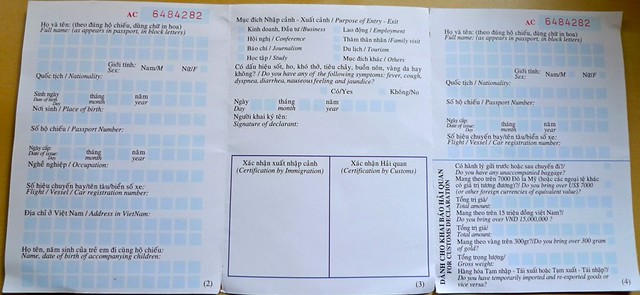
Starting from April 2026, most international travelers (including eVisa holders) are required to complete a pre-arrival online declaration before entering Vietnam. This system is already being piloted at major airports such as Ho Chi Minh City and is expected to expand nationwide.
Travelers must submit passport details, flight information, and accommodation address in advance to receive a QR code, which is checked during airline boarding and immigration clearance. Without this declaration, passengers may face boarding refusal.
2. Continued Expansion of the eVisa System
The core eVisa policy remains stable but more powerful in scope:
- Available to all nationalities worldwide
- Valid for up to 90 days
- Supports single-entry and multiple-entry options
- Covers 83 official entry points including airports, land borders, and seaports
This ensures maximum flexibility for different travel styles, from tourism to business trips.
3. Fully Digital Immigration Transformation
Vietnam is gradually shifting toward a fully digital border management system. Key improvements include:
- Online pre-arrival processing
- QR-based verification at airports
- Reduced manual immigration checks
This digital transformation is designed to handle increasing traffic efficiently, with peak daily arrivals reaching tens of thousands of passengers at major hubs.
4. Future Visa Policy Direction (Ongoing Development)
In addition to the eVisa system, Vietnam is exploring broader visa reforms, including:
- Long-term visa programs for investors and high-skilled professionals
- Simplified entry schemes for strategic economic sectors
While these are not part of the eVisa itself, they show a clear trend toward more open and flexible immigration policies.
Conclusion
The Vietnam eVisa system in Vietnam has clearly evolved into a modern, fully digital entry solution that prioritizes speed, convenience, and scalability. While the core structure of the eVisa remains stable in 2026—offering up to 90-day validity, single and multiple-entry options, and broad eligibility—the real transformation lies in how the system is being integrated into a more advanced border management framework.
Recent updates such as mandatory pre-arrival declarations, QR-based verification, and expanded digital processing reflect Vietnam’s shift toward a more streamlined and technology-driven immigration experience. These changes not only improve security and efficiency at entry points but also reduce waiting time and uncertainty for travelers.
Overall, the Vietnam eVisa stands out not just as a visa product, but as part of a broader digital travel ecosystem. For international visitors, this means a smoother journey from application to arrival, with fewer procedural barriers and greater predictability. As Vietnam continues to expand its tourism and global connectivity, the eVisa will remain a key foundation supporting both inbound travel growth and long-term accessibility.
BeDental – A Leading Dental Clinic for International Travelers in Vietnam
BeDental offers high-quality dental services for international travelers visiting Vietnam, combining modern technology with experienced dentists. Our services include general and cosmetic dentistry, dental implants, teeth whitening, and smile makeovers, all performed to international standards.
Designed for tourists, BeDental provides flexible appointments, English-speaking staff, and personalized treatment plans that fit travel schedules. With competitive pricing and convenient locations, BeDental allows visitors to improve their smile while enjoying their trip to Vietnam.