

Hình Ảnh Đẹp
Hoi An Trip Guide: Best Things to Do & Places to Visit
Th3

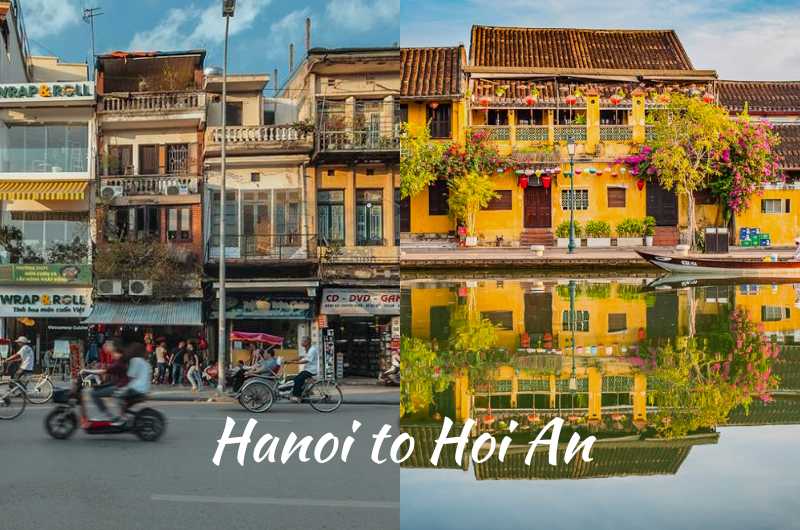
Hoi An Trip Guide: Located on Vietnam’s central coast, Hoi An is one of the country’s most atmospheric destinations, known for its well-preserved Ancient Town, lantern-lit streets, and slower pace of life. Unlike larger cities, Hoi An offers a compact yet diverse travel experience, where cultural heritage, countryside villages, beaches, and nearby natural landscapes can all be explored within a short distance.
Whether you are visiting for just a few hours or staying several days, Hoi An rewards travelers who plan their time wisely. From evening walks through the Old Town to countryside experiences and nature extensions, choosing the right itinerary makes a significant difference to how the destination is experienced.
This guide is designed to help you understand what to see, what to do, and how to choose the right tour based on your travel time and interests, so you can enjoy Hoi An in a way that feels relaxed, meaningful, and well-paced.
1. Overview & When to Visit Hoi An- Hoi An Trip Guide
Hoi An is widely regarded as one of Vietnam’s most charming destinations because it offers a rare balance between heritage, everyday life, and relaxed travel pace. Unlike large cities, Hoi An is compact and walkable, with a well-preserved Ancient Town where old merchant houses, assembly halls, and narrow streets create a strong sense of place. At the same time, it is not a “museum town” — cafés, tailor shops, night markets, riverside walks, beaches, and countryside villages are all part of daily life, making it easy for travelers to mix sightseeing with slow, experience-based travel.
>>> See more: City sightseeing saigon: top attractions and routes
Hoi An is located in central Vietnam, about 30–45 minutes by road from Da Nang, which has the nearest international airport and main transport hub. Most travelers fly into Da Nang, then transfer directly to Hoi An by taxi or private car. Because distances are short, Hoi An works well both as a standalone destination and as part of a Central Vietnam route combined with Da Nang or Hue. Once in town, most attractions are reachable on foot or by bicycle, reducing the need for daily transport planning.
In terms of timing, the dry season from February to August is generally the most convenient for travel. March to May offers comfortable temperatures and clear skies, making it ideal for walking in the Ancient Town, cycling in the countryside, and beach visits. June to August is hotter but still popular, especially for travelers combining Hoi An with coastal activities.
The rainy season runs from September to January, with October and November seeing the heaviest rainfall. While flooding can occasionally affect the Ancient Town, this period also brings fewer crowds and a quieter atmosphere. The lantern season, which peaks on full moon nights each month, is one of the most visually appealing times to visit, when electric lights are reduced and the town is illuminated by colorful lanterns along the river and streets.
2. How to Get to Hoi An
Hoi An is accessed almost entirely via Da Nang, and the actual travel experience depends heavily on which road you take, not just the vehicle type. From Da Nang International Airport to Hoi An, drivers typically use one of two main routes.
The most common and fastest route follows Vo Nguyen Giap – Lac Long Quan coastal road. From the airport, vehicles head east toward My Khe Beach, then continue south along the coastline before turning inland near Cua Dai or An Bang. This route takes around 30–40 minutes in normal traffic. It is flat, well-maintained, and easy to drive, which is why almost all airport taxis and private transfers use it. Travelers arriving during daylight often get their first glimpse of Da Nang’s beach strip before transitioning into Hoi An’s quieter outskirts.

An alternative route goes via National Road 1A, passing through suburban and semi-industrial areas before reaching Hoi An from the north. While distance-wise it is similar, this route is more prone to traffic congestion, especially during peak hours and holidays. It is sometimes chosen by shared shuttles or budget transfers that prioritize fuel efficiency over comfort. For travelers, the experience is less scenic and slightly slower, typically 40–50 minutes.
Because these routes are straightforward and do not require stops or transfers, door-to-door transport is the default setup. Upon arrival, vehicles usually drop guests directly at hotels in the Ancient Town area, riverside zones, or beachside accommodations without additional walking or connections.
In practical terms, private transfers and taxis both follow the same optimal coastal route, so the difference is not the road but the arrival experience. A private transfer guarantees waiting time at the airport and fixed pricing, while taxis depend on availability and time of arrival. Shared shuttles may deviate slightly to pick up or drop off other passengers, which extends total travel time even though the main route remains the same.
For first-time visitors, the best option is still direct door-to-door transport via the coastal route, as it eliminates navigation concerns and ensures the shortest, smoothest transition from airport to hotel. The key value here is not speed alone, but arriving in Hoi An without additional logistical decisions after a flight.
3. Top Places to Visit in Hoi An
The main attractions in Hoi An are compact but layered, meaning how you sequence them matters more than how many you visit. Most key sites fall into three practical zones: the Ancient Town core, the countryside, and the coast.
Hoi An Ancient Town
Hoi An Ancient Town is the functional heart of the city and the first stop for almost all visitors. This is where travelers buy the entrance ticket, walk through narrow streets lined with yellow merchant houses, and access most historical sites. In practice, the area is best explored on foot, ideally early in the morning or after 4 pm when heat and crowds ease.
A typical visit involves slow walking rather than fixed sightseeing: stopping at cafés, browsing tailor shops, entering one or two heritage houses, and sitting by the river. During the day, the town feels lively and commercial; at night, it transforms into a pedestrian-only lantern zone. Most hotels in or near the Old Town allow guests to return easily for evening walks without transport.

Japanese Covered Bridge
Located at the western edge of the Ancient Town, the Japanese Covered Bridge is more of a visual checkpoint than a long-stop attraction. Most travelers spend 5–10 minutes here for photos while transitioning between walking routes.
Because of its position, the bridge works well as either a starting point for Old Town exploration or a final stop before heading back to hotels north of the river. It is often busiest mid-morning; early morning and late evening provide the clearest views.
Assembly Halls & Old Merchant Houses
Assembly halls and merchant houses are scattered throughout the Ancient Town and are usually visited selectively rather than all at once. Travelers typically choose one or two halls and one merchant house, based on interest and time.
Assembly halls are spacious and decorative, often used as rest stops during walking tours. Old merchant houses are narrower and more intimate, showing how families lived and traded centuries ago. These visits usually take place mid-walk and help break up long strolling periods without adding travel distance.
An Bang Beach & Cua Dai Beach
Hoi An’s beaches sit 10–15 minutes by car or bicycle from the Ancient Town and are best treated as half-day destinations rather than add-ons. An Bang Beach is more relaxed and café-oriented, popular with travelers who want to swim, eat, and stay for several hours. Cua Dai Beach is more open and resort-focused, often accessed through beachfront hotels.
In practice, beach visits work best midday, when walking the Old Town is less comfortable due to heat. Many itineraries shift to the beach after morning sightseeing, then return to town in the late afternoon for lantern activities.
Tra Que Vegetable Village
Tra Que Vegetable Village lies between Hoi An town and An Bang Beach, making it a natural stop for cycling or short countryside tours. Visits here usually involve walking through vegetable beds, watching local farming activities, and sometimes participating in light gardening.
Most travelers spend 45–90 minutes in Tra Que, often combined with cooking classes or cycling routes. It works best in the morning when farmers are active and temperatures are cooler. This stop adds cultural depth without requiring a full-day commitment.
Thu Bon River & Lantern Area
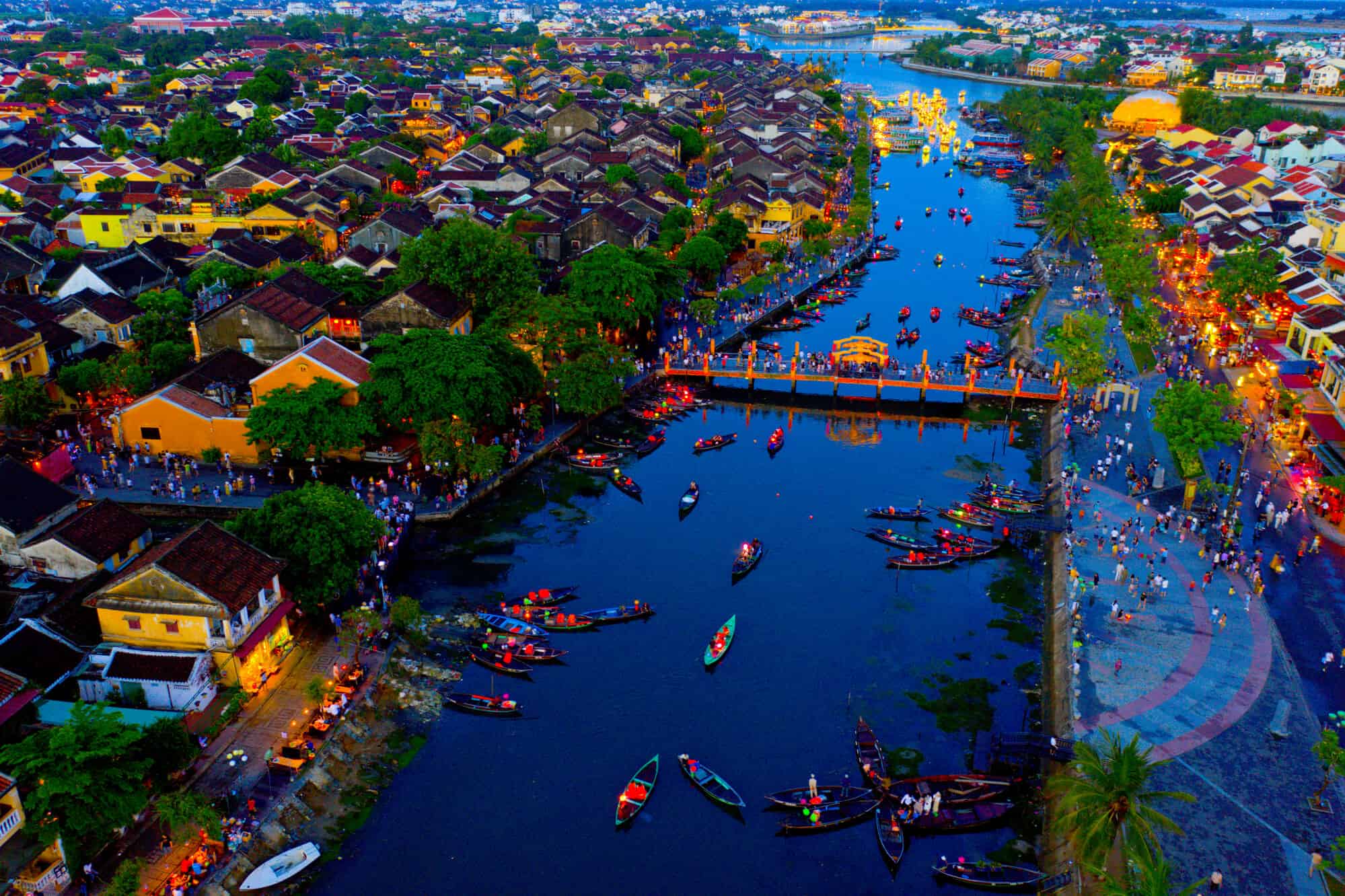
The Thu Bon River runs alongside the Ancient Town and becomes most active in the evening. During the day, it functions as a walking and café zone; at night, it turns into a lantern-lit promenade.
Lantern boat rides are short and slow, typically lasting 15–20 minutes. While optional, they fit naturally into the evening flow after dinner. Even without a boat ride, walking along the riverbanks at night is one of the most atmospheric experiences in Hoi An and requires no additional transport or planning.
4. Best Things to Do in Hoi An (Experiences)
Experiences in Hoi An work best when they are timed to the day’s natural rhythm—walking when it’s cool, countryside at sunrise, beaches at midday, and lantern activities after sunset. Most activities require little transport but benefit from proper sequencing.
Walking & Lanterns in the Ancient Town
Walking is the core Hoi An experience and requires no fixed itinerary. During the day, walking routes usually loop through the Ancient Town’s central streets, passing old merchant houses, assembly halls, cafés, and tailor shops. This is typically done in the early morning or late afternoon to avoid heat.
After sunset, the same streets shift into a lantern-focused experience. Electric lights are dimmed, lanterns line shopfronts and bridges, and the town becomes pedestrian-only in many sections. Travelers usually return to the Old Town after dinner, making evening walks feel unstructured but immersive. This activity works best for stays within or near the Ancient Town, as no transport is needed.
Boat Ride on the Thu Bon River
Boat rides on the Thu Bon River are short, slow, and designed as a visual experience rather than transportation. Most rides begin along the riverside near the Ancient Town and last about 15–20 minutes.
Operationally, this activity fits best after dark, when lantern reflections are visible on the water. During peak lantern nights, queues can form, so travelers often choose between riding the boat or simply walking along the riverbanks. The experience adds atmosphere but is optional; skipping it does not break the overall flow of the evening.
Cycling Through Countryside & Rice Fields
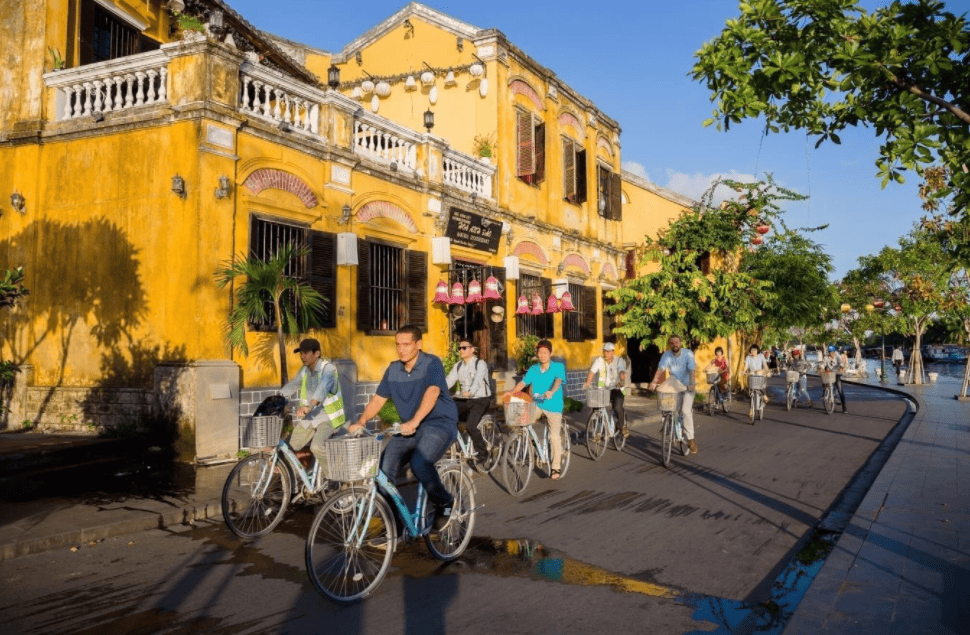
Cycling routes typically run from the Ancient Town toward Tra Que Vegetable Village and surrounding rice fields. These routes are flat, quiet, and easy to navigate, making cycling accessible even for casual riders.
Most cycling is done in the early morning, when temperatures are lower and village activity is visible. A typical route lasts 1.5–3 hours, often including short stops at farms, canals, and village paths. Bicycles are commonly provided by hotels or tours, and no advanced planning is required beyond choosing a time window.
Cooking Class & Market Visit
Cooking classes usually start with a visit to a local market in the morning. Participants walk through fresh produce sections, learn about herbs and ingredients, and then travel to a cooking venue—often in the countryside or near Tra Que Village.
Classes typically last 3–4 hours and end with a shared meal. From an itinerary perspective, this activity replaces lunch rather than adding to the day. It works well for travelers who want a structured cultural experience without long-distance travel.
Beach Time & Café Hopping
Beach time in Hoi An is concentrated around An Bang Beach and nearby cafés. This experience is most effective as a midday break from sightseeing, when walking in the Ancient Town becomes less comfortable.
Travelers often combine swimming, casual dining, and café stops into a relaxed half-day. Transport is simple—bicycle, taxi, or hotel shuttle—and most visitors return to town by late afternoon to prepare for evening activities. This balance keeps the day from feeling rushed while still allowing for cultural exploration later on.
5. Best Hoi An Tours & Activities
HALF-DAY TOUR (AFTERNOON – EVENING) Hoi An Ancient Town Walking & Evening Experiences
This half-day tour is intentionally designed to operate only in the late afternoon and evening, which is when Hoi An delivers its strongest visual and emotional impact. During daylight hours, the Old Town can feel crowded and hot, while the architectural beauty is less pronounced. As the sun sets, temperatures drop, lanterns are lit, and the town naturally transitions into a slow, atmospheric space ideal for walking.

>>> See more: Sapa from Hanoi: Complete Travel Guide for an Unforgettable Mountain Trip
By focusing exclusively on Hoi An Ancient Town, the tour avoids unnecessary transfers and keeps energy levels comfortable for guests who may have just arrived earlier in the day. The walking route through heritage landmarks such as the Japanese Covered Bridge, assembly halls, and old merchant houses allows visitors to understand the historical layers of the town without information overload.
The evening portion—lantern-lit streets, riverside ambiance, night market—serves as the emotional peak. This is not a sightseeing-heavy tour; it is an experience-driven product that sells mood, atmosphere, and first impressions.
FULL-DAY TOUR (1 DAY) Hoi An Countryside & Ancient Town Experience
The one-day tour is structured around a clear contrast: quiet rural life in the morning and cultural heritage in the evening. This contrast is essential to prevent monotony and to showcase Hoi An as more than just a single Old Town attraction.
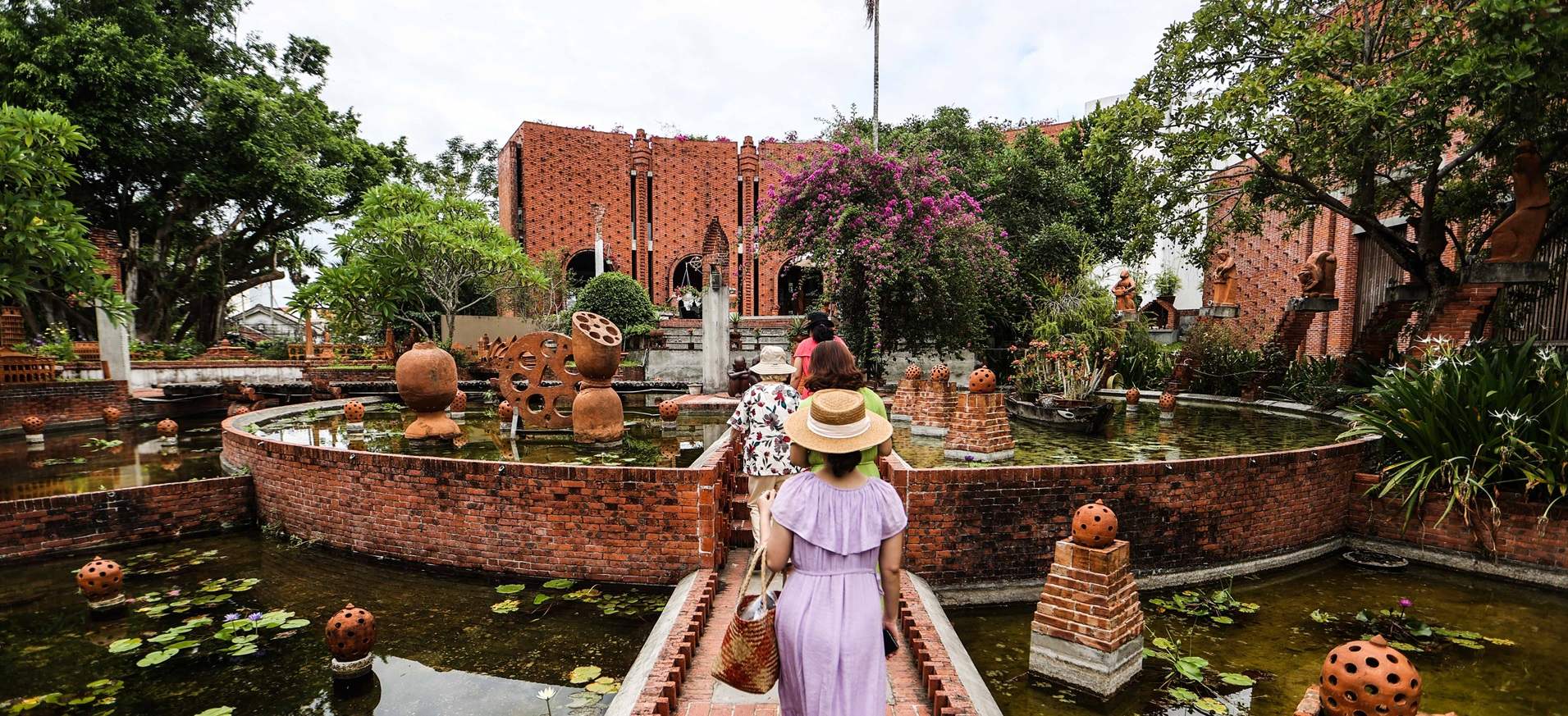
The morning visit to either Tra Que Vegetable Village or Thanh Ha Pottery Village introduces guests to traditional livelihoods that still function today. These villages are close to town, require minimal travel time, and offer hands-on or observational experiences that feel authentic without being physically demanding.
Midday is deliberately kept flexible, allowing time for lunch and rest. This prevents fatigue and prepares guests for the walking-heavy portion later in the day.
The afternoon transition into Hoi An is gradual rather than abrupt. Guests first explore the town at a relaxed pace before entering Hoi An Ancient Town in the early evening. This timing ensures that visitors experience the Old Town twice: once in daylight for architectural appreciation, and once at night for atmosphere and emotion.
MULTI-DAY TOUR (2 DAYS 1 NIGHT) Hoi An Classic & Nature Extension
The two-day tour builds directly on the one-day itinerary rather than reinventing it. Day 1 is identical to the full-day tour, which is intentional: it ensures consistency, simplifies operations, and guarantees that guests receive the essential Hoi An experience.
Day 2 is where differentiation happens. Instead of repeating cultural content, the tour expands into leisure and nature, allowing guests to experience Hoi An’s surrounding environments.
The morning at An Bang Beach introduces a coastal rhythm that contrasts strongly with the Old Town. This beach segment is not about activities but about relaxation and space—something many travelers miss during tightly packed cultural tours.
The visit to Rừng Dừa Bảy Mẫu adds a light adventure element through basket boats and water coconut scenery. This stop appeals especially to families and younger travelers, balancing the calm of the beach with something playful and interactive.
The extension to Cổng Trời Đông Giang shifts the experience completely. This mountain destination offers dramatic landscapes and ethnic culture that are fundamentally different from Hoi An’s lowland heritage. Including this site transforms the tour from a “Hoi An stay” into a Central Vietnam exploration, justifying the extra day and higher price point.
6. How to Choose the Right Hoi An Tour
Choosing the right tour in Hoi An depends less on “which tour is best” and more on how much time you have, what kind of experience you want, and how fast you like to travel. Below is a practical way to decide.
1. Consider Your Length of Stay
If you only have half a day in Hoi An, a full itinerary simply does not make sense. The Old Town is at its most beautiful in the late afternoon and evening, so a half-day Ancient Town & Lantern tour is the smartest choice. It allows you to experience the town’s highlights without rushing or unnecessary daytime heat.
With one full day, you can go beyond the Old Town. A 1-day countryside and Ancient Town tour offers a more complete picture of Hoi An, combining rural village life in the morning with heritage streets and lantern evenings. This option works best for first-time visitors who want a balanced experience without feeling overwhelmed.
If you are staying two days or more, a 2-day tour with beach and nature extensions becomes worthwhile. The extra time allows you to slow down, enjoy coastal scenery, and explore nearby natural landscapes such as coconut forests or mountain areas without compressing everything into a single day.
2. Decide What Kind of Experience You Prefer
Some travelers visit Hoi An mainly for culture and atmosphere. If walking through heritage streets, learning about history, and enjoying lantern-lit evenings sounds most appealing, then tours focused on Hoi An Ancient Town are the right match.
If you prefer local life and hands-on experiences, countryside tours that include villages like Tra Que Vegetable Village or Thanh Ha Pottery Village offer a deeper look into traditional livelihoods and everyday life outside the tourist core.
For travelers who enjoy variety and nature, longer tours that add An Bang Beach, the Seven Hectare Coconut Forest, or mountain destinations such as Cổng Trời Đông Giang provide contrast and prevent the trip from feeling repetitive.
3. Match the Tour Pace to Your Travel Style
Not all travelers enjoy the same rhythm. If you prefer a relaxed pace, avoid tours that try to cover too many locations in one day. A shorter or multi-day tour will feel far more enjoyable than a packed schedule.
If you are comfortable with full days and longer transfers, a multi-day tour with nature extensions can be very rewarding, as it shows different sides of Central Vietnam beyond Hoi An itself.
4. Think About Who You Are Traveling With
Couples and solo travelers often enjoy walking-focused and evening tours, which emphasize atmosphere and flexibility. Families or groups with children may prefer tours that include interactive elements such as coconut basket boats or open beach time, offering space and movement rather than continuous walking.
| Criteria | Half-day Tour (Afternoon–Evening) | Full-day Tour (1 Day) | Multi-day Tour (2 Days 1 Night) |
| Tour Name (reference) | Hoi An Ancient Town Walking & Evening Experiences | Hoi An Countryside & Ancient Town Experience | Hoi An Classic & Nature Extension |
| Duration | ~4–5 hours | Full day | 2 days / 1 night |
| Main Focus | Atmosphere & heritage at night | Balance of local life & heritage | Variety: heritage + leisure + nature |
| Key Destinations | Hoi An Ancient Town, lantern streets, Thu Bon River | Tra Que Vegetable Village or Thanh Ha Pottery Village, Hoi An Ancient Town | Hoi An Ancient Town, An Bang Beach, Rừng Dừa Bảy Mẫu, Cổng Trời Đông Giang |
| Time Structure | Late afternoon → evening only | Morning countryside → afternoon town → evening Old Town | Day 1: same as 1-day tour
Day 2: beach + nature extension |
| Experience Type | Walking, sightseeing, cultural atmosphere | Cultural insight + relaxed exploration | Multi-environment experience (town, beach, forest, mountains) |
| Physical Level | Easy | Easy–moderate | Moderate (longer travel on Day 2) |
| Emotional Peak | Lantern-lit Old Town at night | Old Town experienced in both daylight & evening | Contrast between Old Town calm and mountain scenery |
| Target Travelers | Short-stay visitors, late arrivals, first-timers | First-time visitors with limited time | Travelers staying longer, variety seekers |
Conclusion
Hoi An is not a destination that needs to be rushed. Its charm lies in balance: between history and daily life, quiet mornings and vibrant evenings, cultural streets and open natural spaces beyond the town.
A half-day tour offers a memorable first impression through lantern-lit evenings in the Ancient Town. A full-day tour adds depth by combining countryside life with heritage exploration. For those with more time, a two-day itinerary opens up beaches and nearby nature, creating contrast and variety without losing Hoi An’s relaxed spirit.
Ultimately, the best way to experience Hoi An is to match your itinerary to your pace, not the other way around. By choosing the right tour length and focus, visitors can enjoy the destination at its best—unhurried, atmospheric, and deeply memorable.
BeDental – A Leading Dental Clinic for International Travelers in Vietnam
BeDental offers high-quality dental services for international travelers visiting Vietnam, combining modern technology with experienced dentists. Our services include general and cosmetic dentistry, dental implants, teeth whitening, and smile makeovers, all performed to international standards.
Designed for tourists, BeDental provides flexible appointments, English-speaking staff, and personalized treatment plans that fit travel schedules. With competitive pricing and convenient locations, BeDental allows visitors to improve their smile while enjoying their trip to Vietnam.