
Kiến Thức Nha Khoa
Side Effects of Porcelain Crowns in Vietnam – What You Should Know
Th3

Learn about the common side effects of porcelain crowns in Vietnam, including sensitivity, gum problems, bite issues, and tips to minimize crown risks.
1. What Are the Most Common Side Effects of Porcelain Crowns in Vietnam?
Porcelain crowns are widely used in Vietnam due to their affordability and aesthetic results. In reputable clinics, serious crown harm is rare, but minor side effects are still commonly reported, especially during the first days or weeks after treatment.
Based on clinical observations and patient feedback in Vietnam, the most frequently reported crown side effects are mild and manageable, rather than severe complications.
Side Effects That Are Common in Vietnam
- Pain & Sensitivity (Most Common)
Estimated: 22–40% of patients (short-term)
Pain or temperature sensitivity is one of the most common side effects after a crown procedure. This happens if a large amount of tooth structure is removed during grinding, exposing dentin or irritating the nerve (pulp). This sensitivity can be temporary or, in some cases, persistent if the pulp becomes inflamed.
- Bad Breath (Halitosis)
Estimated: 14–25%
Bacteria growing in gaps around a poorly fitted crown can cause bad breath and gum disease. This risk increases when oral hygiene is difficult due to poor crown margins.
- Gum Problems
Estimated: 11–23% (usually mild)
Improper crown fit can create tiny gaps between your crown and gumline. These gaps trap food and bacteria, leading to inflammation (gingivitis), gum recession, and – especially with porcelain-fused-to-metal crowns – a black gum line over time.
- Bite Problems & Discomfort
Estimated: 8–13%
Grinding side effects include an uneven bite (malocclusion) if the crown is too high or misaligned. This can lead to jaw pain, headaches, TMJ tension, and difficulty chewing. Even small occlusal discrepancies can cause discomfort.
Side Effects That Are Less Common in Vietnam
- Tooth Decay Under the Crown
Estimated: 3–7%
If a crown isn’t sealed well, bacteria can penetrate and cause decay under the crown — sometimes leading to serious infection. This is one of the more serious crown risks because decay beneath the crown often requires extraction or root canal treatment.
- Nerve Damage (Pulpitis)
Estimated: 2–5%
Excessive or incorrect tooth preparation can irritate or damage the pulp, leading to pulpitis — inflammation of the nerve — which may eventually require root canal therapy.
- Allergic Reactions (Rare)
Estimated: <1–2%
Some patients may react to metal alloys in metal-ceramic crowns, experiencing irritation or metallic taste. While rare, this discomfort is a known crown disadvantage of non-all-ceramic materials.
- Fractures, Cracks & Durability Issues
Estimated: 5–10% over long-term use
Porcelain crowns, especially on back teeth that handle intense chewing forces, can chip or crack. While aesthetics are excellent, strength is slightly lower than full metal or zirconia crowns.
2. How to Minimize Crown Risks in Vietnam
Vietnam offers high-quality, affordable dentistry – but outcomes depend heavily on your choices. Most crown risks in Vietnam are not location-related; they stem from materials, technique, and planning. To avoid crown harm and long-term complications, follow these proven tips.
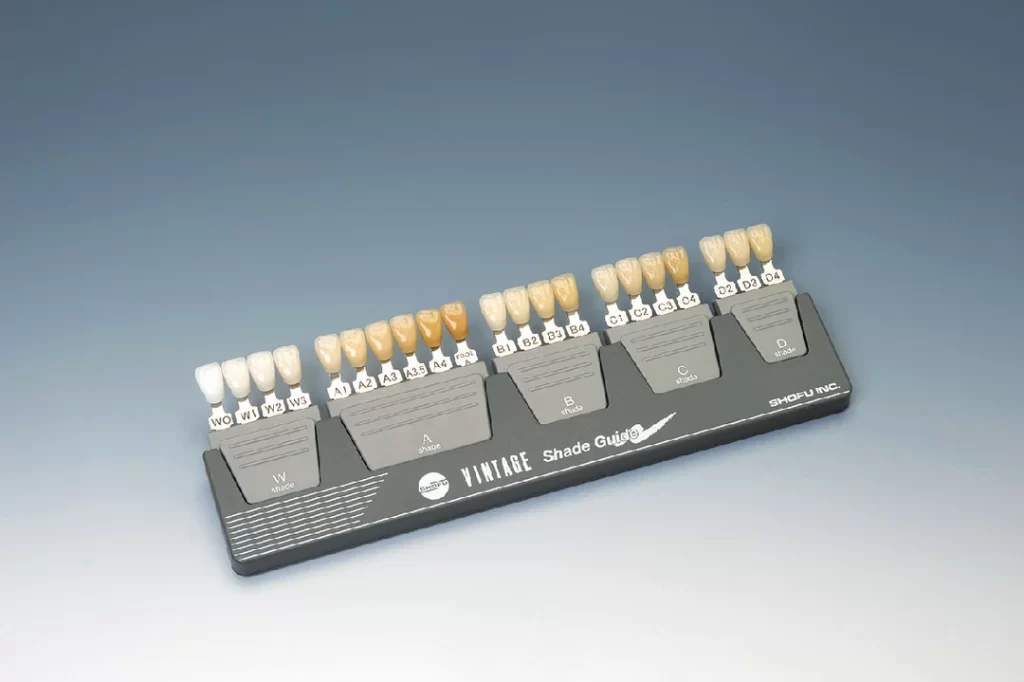
Demand High-Quality, Metal-Free Materials
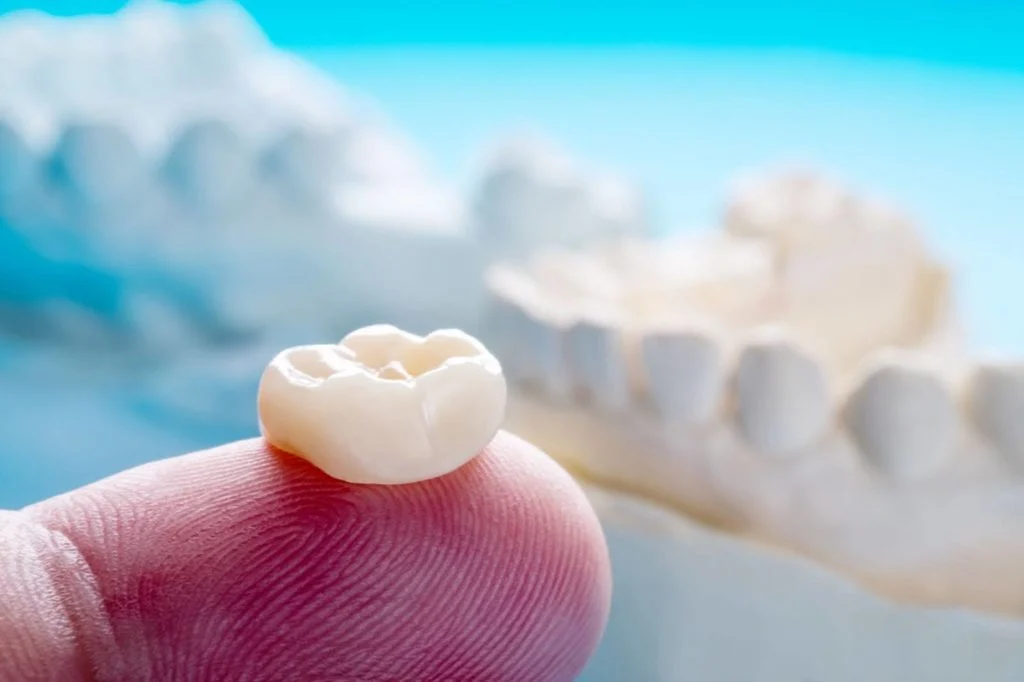
For front teeth especially, avoid standard metal-based or low-grade porcelain-fused-to-metal (PFM) crowns. These materials are more likely to cause:
- Dark gum lines over time
- Gum irritation
- A less natural appearance
Instead, choose all-ceramic crowns such as:
- Zirconia
- Cercon
- E.max (Lithium Disilicate)
These materials are biocompatible, highly aesthetic, and resistant to discoloration, significantly reducing crown disadvantages and allergic reactions.
Tip for Vietnam: Ask the clinic to show the material origin and brand, not just the crown name.
Choose Dentists Who Respect the “Biological Space”
One of the most serious crown risks comes from over-grinding. Removing too much tooth structure increases:
- Pain and sensitivity
- Pulpitis (nerve inflammation)
- Long-term tooth weakness
A skilled dentist will follow minimally invasive preparation principles, preserving enamel and respecting the biological width (the natural gum-to-tooth attachment).
Tip for Vietnam: Ask how much tooth reduction is planned and whether a conservative approach is possible.
Insist on Digital Dentistry (Not Traditional Molds)
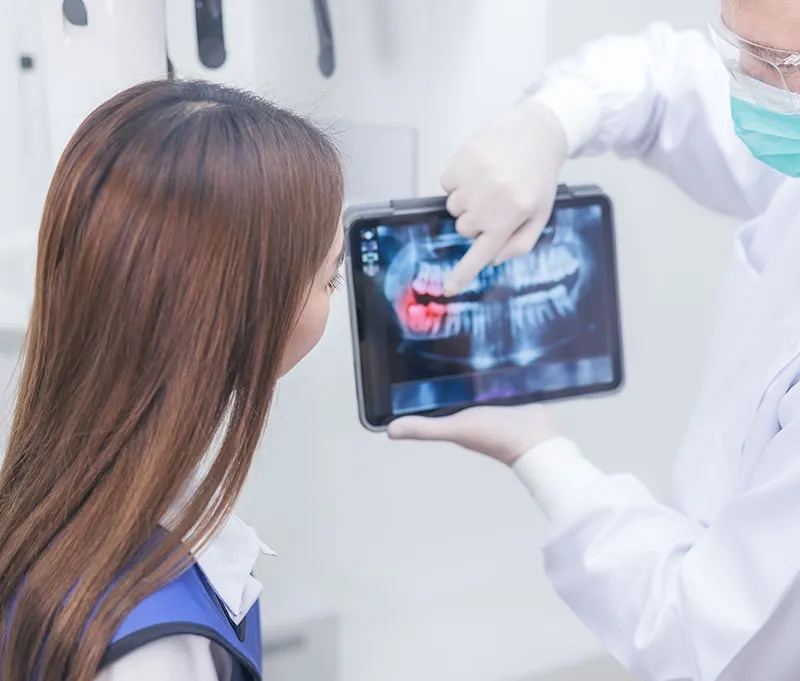
Outdated putty impressions are more prone to errors, leading to:
- Poor crown fit
- Food traps
- Bad breath and decay under the crown
Choose clinics that use:
- Digital intraoral scanners
- CAD/CAM crown design
- In-house milling when possible
Digital workflows produce precise margins and reduce grinding side effects related to misfit crowns.
Tip: Ask if your crown can be digitally tried and adjusted before final cementation.
Confirm Bite Analysis & Occlusion Checks
Many crown problems arise after cementation, not during fabrication. If bite balance is ignored, patients may experience:
- Jaw pain
- Headaches
- TMJ tension
- Chewing discomfort
Advanced clinics use occlusion analysis tools (such as T-Scan or articulating systems) to fine-tune bite pressure.
Tip: Never leave the clinic if your bite feels “high” — adjustments should be immediate.
Avoid Rushing Multiple Crowns Without a Treatment Plan
Vietnam’s speed is an advantage — but speed without planning increases risk. Placing multiple crowns without evaluating:
- Bite alignment
- Jaw movement
- Gum health
can lead to long-term discomfort.
Tip: Ask for a step-by-step treatment plan, even if your treatment is completed in a few days.
Communicate Early — Don’t “Wait It Out”
Pain, sensitivity, or discomfort are often easily corrected early, but can become serious if ignored.
Report immediately if you experience:
- Persistent pain beyond a few days
- Sharp pain when biting
- Gum swelling or bleeding
- A loose or bulky feeling
Tip: Choose clinics that provide post-treatment online support (Zalo / WhatsApp) after you leave Vietnam.
Choose Reputation Over Price
Low prices are attractive, but extremely cheap crowns often reflect compromises in:
- Materials
- Lab quality
- Dentist experience
High-volume, reputable clinics may cost slightly more — but they dramatically reduce crown risks and future corrective costs.
3. Essential Care Tips to Reduce Side Effects After Porcelain Crowns in Vietnam
Even when porcelain crowns are placed correctly, proper aftercare plays a critical role in preventing side effects and ensuring long-term success. Many crown-related issues in Vietnam arise not from the procedure itself, but from inadequate post-treatment care or delayed response to early warning signs.
Below are essential, dentist-recommended care tips to help minimize discomfort, protect your crowns, and extend their lifespan.
Manage Pain and Sensitivity Correctly
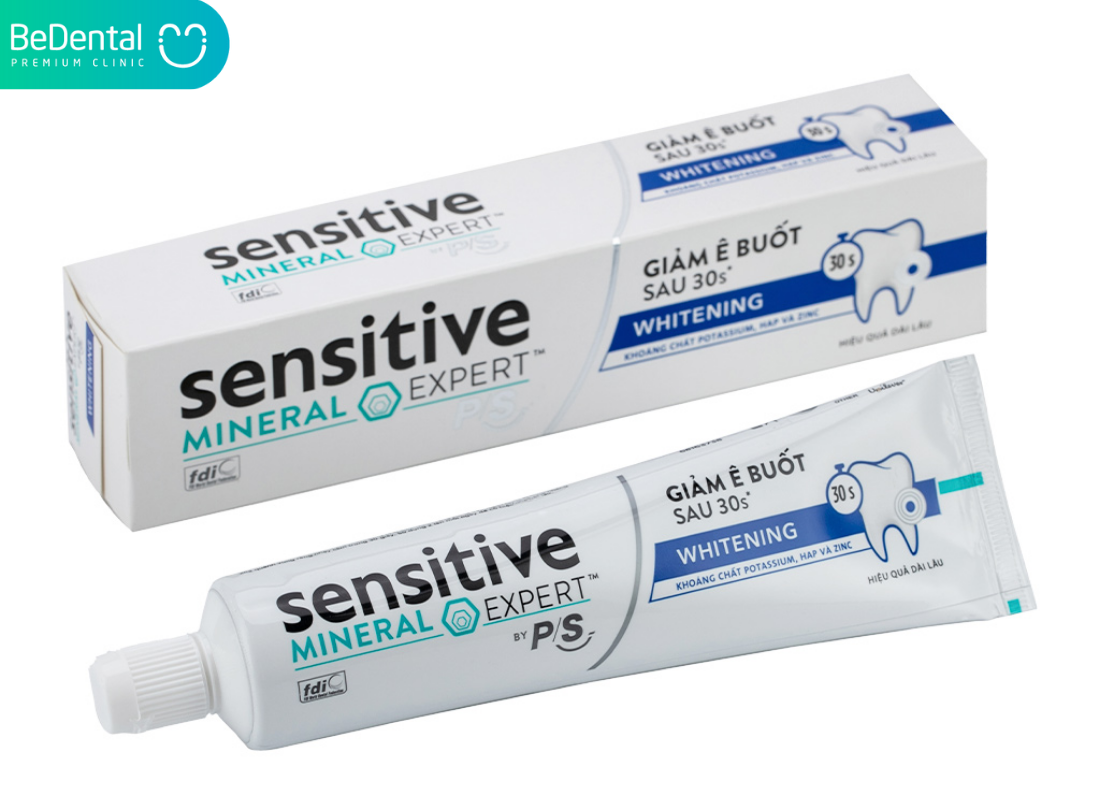
Mild sensitivity to hot, cold, or pressure is common during the first few days after crown placement.
What to do:
- Use toothpaste formulated for sensitive teeth (potassium nitrate or arginine-based)
- Avoid very hot or icy foods for the first 5–7 days
- Chew on the opposite side of the mouth initially
- Take pain relief medication only if prescribed or recommended by your dentist
When to be concerned:
If sensitivity worsens or persists beyond 7–10 days, this may indicate bite imbalance or pulp irritation and should be evaluated promptly.
Maintain Excellent Oral Hygiene Around the Crown Margins
Bacteria accumulation at the crown margins is a leading cause of bad breath, gum inflammation, and decay under crowns.
Daily care routine:
- Brush twice daily using a soft-bristled toothbrush
- Angle the brush gently toward the gumline to clean crown edges
- Floss carefully using a slide-out technique to avoid dislodging the crown
- Consider using interdental brushes or water flossers for better plaque control
Avoid aggressive brushing, as this may irritate gums and accelerate recession around the crown.
Avoid Hard, Sticky, and High-Impact Foods
Porcelain crowns are strong but not indestructible — especially during the first few weeks.
Avoid or limit:
- Ice chewing
- Hard candies or bones
- Sticky foods (caramel, chewing gum, toffee)
- Using teeth as tools (opening packaging, biting nails)
These habits significantly increase the risk of chipping, cracking, or loosening porcelain crowns.
Pay Attention to Your Bite and Jaw Comfort
Bite-related problems are one of the most overlooked causes of crown side effects.
Monitor for:
- A “high” or uneven bite feeling
- Pain when chewing
- Jaw fatigue or headaches
If any of these symptoms appear, contact your dentist immediately. Early bite adjustment is simple and can prevent long-term TMJ issues.
Never assume bite discomfort will resolve on its own.
Protect Your Crowns if You Grind Your Teeth (Bruxism)
Teeth grinding, especially during sleep, dramatically increases the risk of crown fractures.
Recommended actions:
- Inform your dentist if you clench or grind your teeth
- Use a custom night guard, not over-the-counter versions
- Manage stress, as bruxism is often stress-related
Crowns placed on grinders require additional protection to maintain durability.
See more: HT SMILE- EXCELLENT ADVANCEMENTS COMPARED TO OTHER GERMANY PORCELAIN TEETH
4. Top Recommended Dental Clinic in Vietnam
BeDental – Premium Dental Clinic for Porcelain Crowns in Vietnam
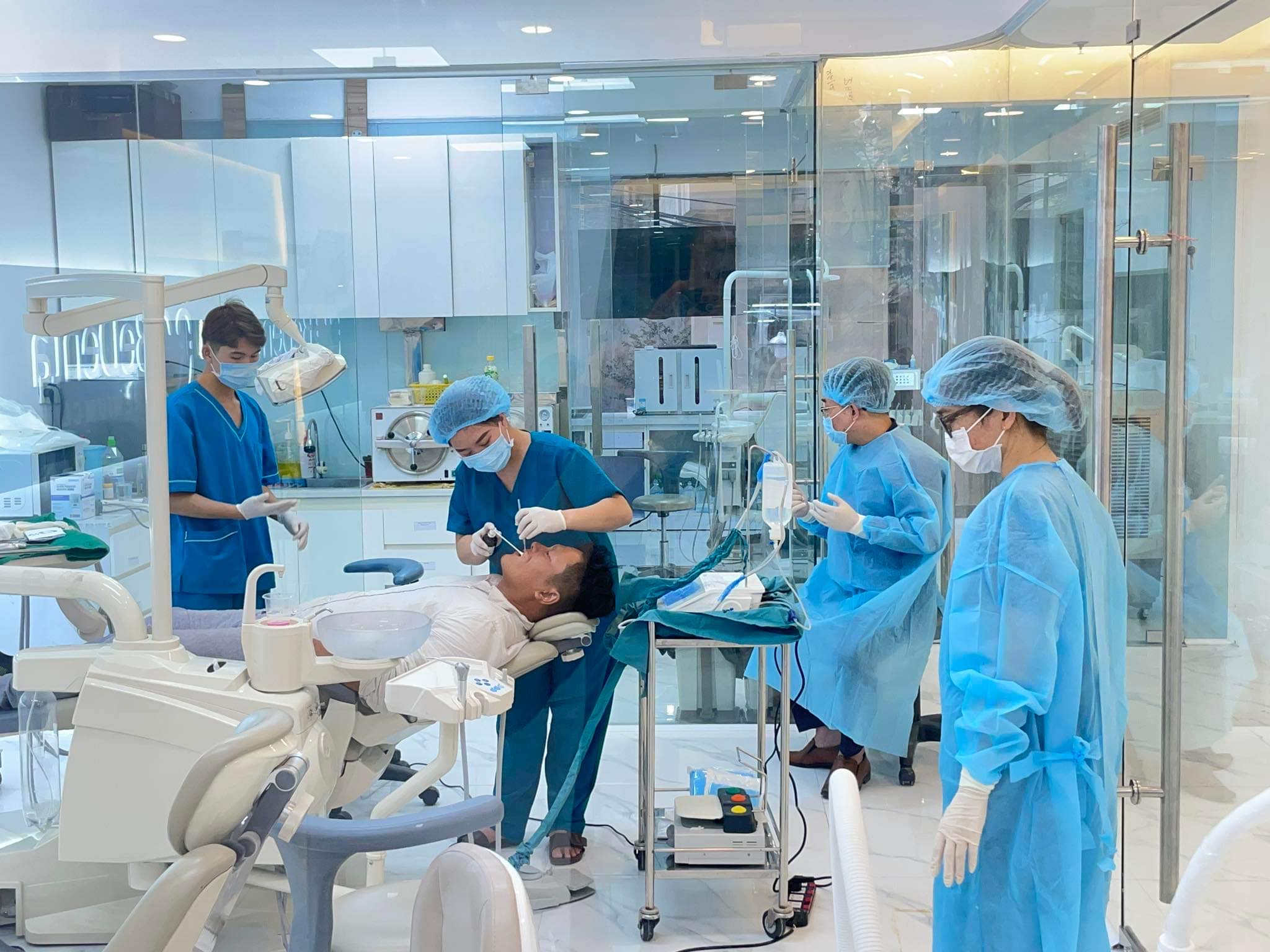
Google Map Rating: ★★★★☆ 4.85/5
Based on hundreds of verified international patient reviews
Clinic Locations:
- Hanoi:
• 7B Thi Sach Street, Hai Ba Trung District
• 129 Hoang Ngan Street, Cau Giay District - Ho Chi Minh City:
• 55 Pho Duc Chinh Street, District 1
Working Hours:
08:30 – 18:00 | Open Monday to Sunday
Why International Patients Choose BeDental for Porcelain Crowns
- Advanced Digital Smile Design (DSD) – Beyond Traditional Dentistry
BeDental is widely recognized for its expertise in Digital Smile Design (DSD), an advanced planning approach that goes far beyond simply restoring teeth. Each porcelain crown is designed based on:
- Facial proportions and symmetry
- Lip movement when smiling and speaking
- Smile line, tooth length, and natural translucency
This ensures that crowns blend seamlessly with the patient’s face, creating results that look natural, balanced, and highly aesthetic, rather than artificial or “overdone.”
- Clear Communication with Multilingual Professionals

BeDental’s multilingual dental team and coordinators allow international patients to communicate comfortably throughout the entire treatment process. From consultation and treatment planning to aftercare instructions, patients receive clear explanations without language barriers, helping them feel confident and fully informed at every stage.
- Unmatched Transparency: Crown Warranty & Material Traceability
One of BeDental’s most distinctive advantages is its transparent material verification system. Every porcelain crown comes with a digital ID card, allowing patients to:
- Verify the exact crown material and brand
- Confirm the country of origin
- Review warranty details and longevity expectations
This level of traceability is rare in dentistry and provides peace of mind for patients who want to avoid low-grade or unverified materials.
- Dedicated 24/7 International Patient Support
Understanding that many patients travel back home after treatment, BeDental offers continuous post-treatment support through Zalo, Viber, and WhatsApp. Patients can easily:
- Ask questions about sensitivity or discomfort
- Send photos for quick evaluation
- Receive professional guidance without unnecessary travel
This ongoing support significantly reduces anxiety and ensures early intervention if any crown-related concerns arise.
- Conservative Tooth Preparation for Long-Term Tooth Health
BeDental strongly emphasizes minimally invasive dentistry, focusing on preserving as much natural tooth structure as possible. By respecting biological space and avoiding over-grinding, the clinic helps reduce:
- Post-crown sensitivity
- Risk of pulpitis or nerve damage
- Long-term tooth weakness
This conservative philosophy plays a critical role in minimizing crown side effects and extending the lifespan of both the crown and the natural tooth.
Don’t wait for a minor discomfort to turn into tooth loss. Message BeDental on Viber or Zalo today. We offer Free Consultations and 3D X-rays to help you diagnose and fix any “crown side effects” before they become permanent.
See more: Choosing between dental fillings for tooth erosion or dental crowns

Tư vấn chuyên môn bài viết:
BÁC SĨ DƯƠNG THỊ THÙY NGA
Tại BeDental, khách hàng có thể an tâm điều trị với dịch vụ bảo lãnh viện phí nha khoa nhanh chóng và tiện lợi. BeDental hiện liên kết với nhiều công ty bảo hiểm uy tín, hỗ trợ thanh toán trực tiếp chi phí các dịch vụ nha khoa như nhổ răng, trám răng, điều trị tủy, phục hình răng sứ... Quy trình linh hoạt, minh bạch giúp tiết kiệm thời gian và tối ưu chi phí. Hãy liên hệ BeDental để được tư vấn chi tiết và tận hưởng trải nghiệm chăm sóc răng miệng chuyên nghiệp, không lo gánh nặng tài chính.
? Các đơn vị nha khoa chấp nhận bảo lãnh bao gồm : Hùng Vương Insurance, Bảo Long Insurance, BSH (Bảo hiểm BSH), FWD Insurance Cathay Life Fubon Insurance, Tokio Marine Insurance Group VNI (Bảo hiểm Hàng không), HD Insurance MSIG AAA Insurance PTI (Bảo hiểm Bưu điện), BIDV MetLife, PJICO, Techcom, Insurance, AIA, Dai-ichi Life MIC GIC DBV Insurance VBI (Bảo hiểm VietinBank)
? Các công ty bảo hiểm BeDental có thể xuất hóa đơn: Manulife Dai-ichi Life Prudential AIA Hanwha Life PVI VCLI (Bảo hiểm nhân thọ Vietcombank - Cardif) BIC (Bảo hiểm BIDV), Bảo Việt Insurance và PVI

BEDENTAL – HỆ THỐNG NHA KHOA TIÊU CHUẨN HÀNG ĐẦU
CHI NHÁNH HÀ NỘI
CS1: 7B Thi Sách, Ngô Thì Nhậm, Hai Bà Trưng, Hà Nội - 0934.61.9090
CS2: Số 129 Hoàng Ngân, Yên Hòa, Cầu Giấy, Hà Nội - 0934.61.9090
CHI NHÁNH TP.HỒ CHÍ MINH (HCM)
CS1: 53 -55 -57 Phó Đức Chính, Nguyễn Thái Bình, Quận 1, Tp.Hồ Chí Minh - 0766.00.8080
GIỜ HOẠT ĐỘNG:
09h00 – 20h00. Tất cả các ngày trong tuần
Website: https://bedental.vn/