

 Tiếng Việt
 한국어
한국어 日本語
日本語 中文 (中国)


When searching online for Step-by-step porcelain crown procedure in Vietnam, many patients expect a simple cosmetic process similar to getting a filling or teeth whitening. In reality, placing a porcelain crown is a medical procedure that combines diagnosis, restorative dentistry, and precise bite management. Understanding each step helps patients feel more confident and avoid unrealistic expectations.
Vietnam has become a popular destination for dental treatment thanks to modern clinics, experienced dentists, and affordable costs. However, the quality of a porcelain crown does not depend on location alone, but on how carefully each step is performed. A well-executed crown procedure protects your tooth, supports long-term oral health, and delivers a natural appearance.
Initial consultation: deciding whether a crown is truly necessary
The first step in any porcelain crown treatment is a thorough consultation. At this stage, the dentist evaluates whether a crown is the most suitable solution or whether a more conservative option, such as a filling or orthodontic treatment, would be better.
During the consultation, the dentist examines tooth structure, gum health, bite alignment, and overall oral condition. Dental X-rays or 3D scans are often used to check for hidden decay, cracks, or infections beneath the surface. This step is especially important for patients who are considering crowns mainly for aesthetic reasons, as unnecessary crowning can lead to long-term complications.
For patients with heavily damaged or weakened teeth, a crown is often the most reliable way to restore strength and function. For patients with healthy but misaligned teeth, dentists usually explain why orthodontic treatment may be a safer option. A responsible consultation focuses on long-term tooth preservation, not just fast cosmetic results.
Tooth preparation: balancing strength and tooth preservation
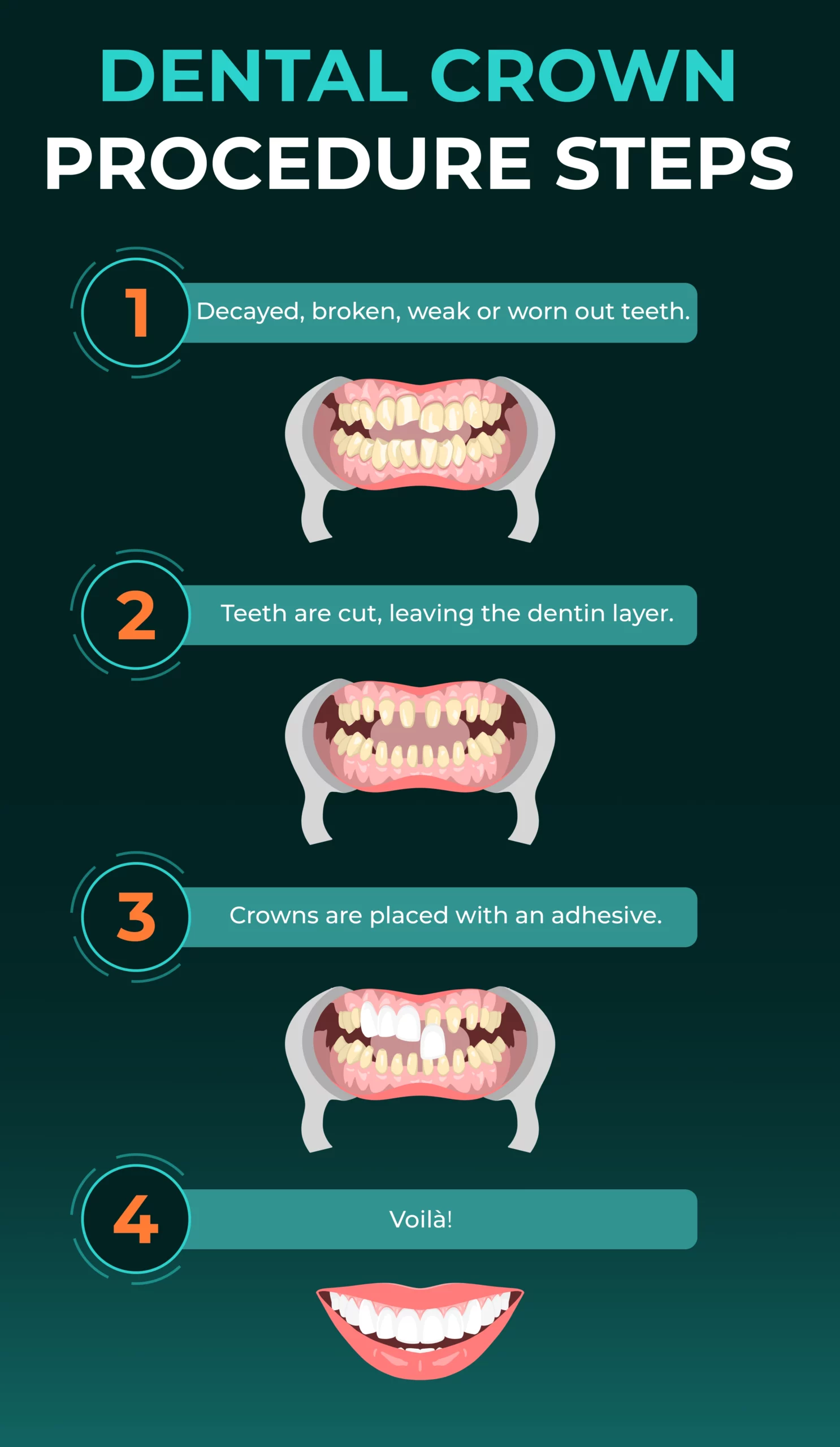
Once a crown is confirmed as the right treatment, the next step is tooth preparation. This phase often worries patients, but understanding what happens can reduce anxiety.
Tooth preparation involves reshaping the tooth so the porcelain crown can fit securely. A skilled dentist removes only the necessary amount of enamel, preserving as much natural tooth structure as possible. Over-preparation weakens the tooth and increases the risk of sensitivity or nerve problems later, while under-preparation can cause poor crown fit and gum irritation.
In Vietnam, advanced clinics follow conservative preparation principles that align with international restorative dentistry standards. Local anesthesia is used to ensure comfort, and patients typically feel pressure rather than pain during this stage.
Shade matching and aesthetic planning
One of the most important yet often overlooked steps in the Step-by-step porcelain crown procedure in Vietnam is shade selection and aesthetic planning. A crown should not look like an artificial tooth, especially when placed in the front of the mouth.
Dentists carefully match the color, translucency, and shape of the crown to surrounding teeth. Factors such as skin tone, lip movement, and natural tooth texture are considered to ensure a harmonious smile. Patients are often involved in this step, allowing them to express preferences while still following clinical guidelines for a natural look.
>> See more: Reducing Protruding Front Teeth in Vietnam: Safe, Natural, and Beautiful Results
Digital scanning or impressions: ensuring precise fit
After tooth preparation, the dentist needs an exact record of the tooth’s shape in order to create a crown that fits comfortably and functions like a natural tooth. This is done either through traditional impressions or modern digital scanning. In Vietnam, digital scanners are becoming increasingly common, especially in clinics that focus on precision and long-term crown success.
With digital scanning, a small handheld device captures a detailed 3D image of the prepared tooth and surrounding structures. The process is quick, comfortable, and avoids the unpleasant taste or gag reflex that some patients experience with traditional impression materials. More importantly, digital scans provide highly accurate data, which helps reduce errors during crown fabrication.

This digital model is then sent to the dental laboratory, where technicians design the porcelain crown to match the exact shape, height, and bite relationship of the tooth. Precision at this stage is critical. A crown that does not fit properly can create tiny gaps at the margins, allowing food and bacteria to accumulate. Over time, this may lead to gum irritation, bad breath, or decay developing underneath the crown, even if the crown itself looks fine from the outside.
A precise scan also helps ensure that the crown feels natural when biting and chewing. Patients are less likely to feel that the crown is “too high” or uncomfortable, reducing the need for repeated adjustments after placement.
Temporary crown placement: protecting the tooth
While the final porcelain crown is being made, the dentist places a temporary crown over the prepared tooth. Although this crown is not meant to last long, it plays an essential role in protecting the tooth during the waiting period.
The temporary crown shields the exposed tooth from sensitivity, especially to cold, heat, or air. It also prevents the tooth from shifting position, which is important because even small movements can affect how the final crown fits. In addition, the temporary crown allows the dentist to monitor bite comfort and identify any issues early before the permanent crown is placed.
During this time, patients are usually advised to be cautious with their diet. Very hard, sticky, or chewy foods can loosen or damage the temporary crown. Mild sensitivity or a slightly different chewing sensation is normal and usually improves within a few days. However, sharp pain, prolonged discomfort, or a loose temporary crown should be reported to the dentist as soon as possible, as these symptoms may signal underlying nerve irritation or bite imbalance.
By carefully managing this temporary phase, dentists help ensure that the final porcelain crown fits comfortably, feels natural, and performs well once it is permanently cemented.
Final crown fitting and cementation
When the final porcelain crown is ready, the dentist checks its fit, bite alignment, and aesthetics. This is a critical moment in the Step-by-step porcelain crown procedure in Vietnam, as small adjustments can significantly affect comfort and longevity.
Once the patient confirms satisfaction, the crown is permanently cemented. The dentist ensures that bite forces are evenly distributed to prevent excessive stress on the crown. Proper cementation and bite adjustment greatly influence how long the crown will last.
Crown procedure for decayed teeth: why extra steps matter
Patients searching for Crown procedure for decayed teeth often assume the process is the same for all teeth. In reality, decay changes the treatment plan significantly.
When a tooth is affected by decay, the dentist must first remove all infected tissue. Leaving even small areas of decay under a crown can lead to pain, infection, and crown failure. After cleaning, the tooth is rebuilt using restorative materials to create a strong foundation for the crown.
For moderately decayed teeth, this rebuild is usually sufficient. However, when decay reaches the tooth nerve, root canal treatment may be required before crown placement. Although this adds time and cost, it prevents future pain and infection.
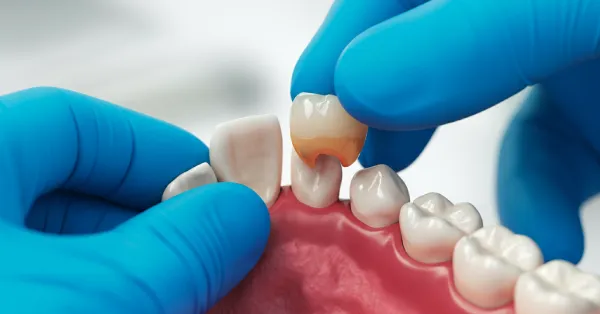
In cases where little natural tooth remains, additional reinforcement may be necessary to support the crown. While patients sometimes worry about the complexity of this process, these steps are essential for long-term success.
Healing and adaptation after crown placement
After receiving a crown, patients may experience mild sensitivity or awareness for a few days. This is normal as the tooth and surrounding tissues adapt. Dentists typically advise avoiding hard foods for the first 24 hours and maintaining excellent oral hygiene.
Most patients return to normal eating and speaking habits quickly. Persistent discomfort, however, should always be evaluated, as it may indicate bite imbalance or underlying issues.
>> See more: Venus Porcelain Teeth in Vietnam: The German Standard for a Perfect Smile
Crown longevity: how long do porcelain crowns really last?
One of the most common questions patients ask is about Crown longevity. While porcelain crowns are durable, they are not permanent.
On average, a well-made crown can last many years with proper care. Longevity depends on factors such as crown material, bite forces, oral hygiene, gum health, and whether the patient grinds their teeth at night.
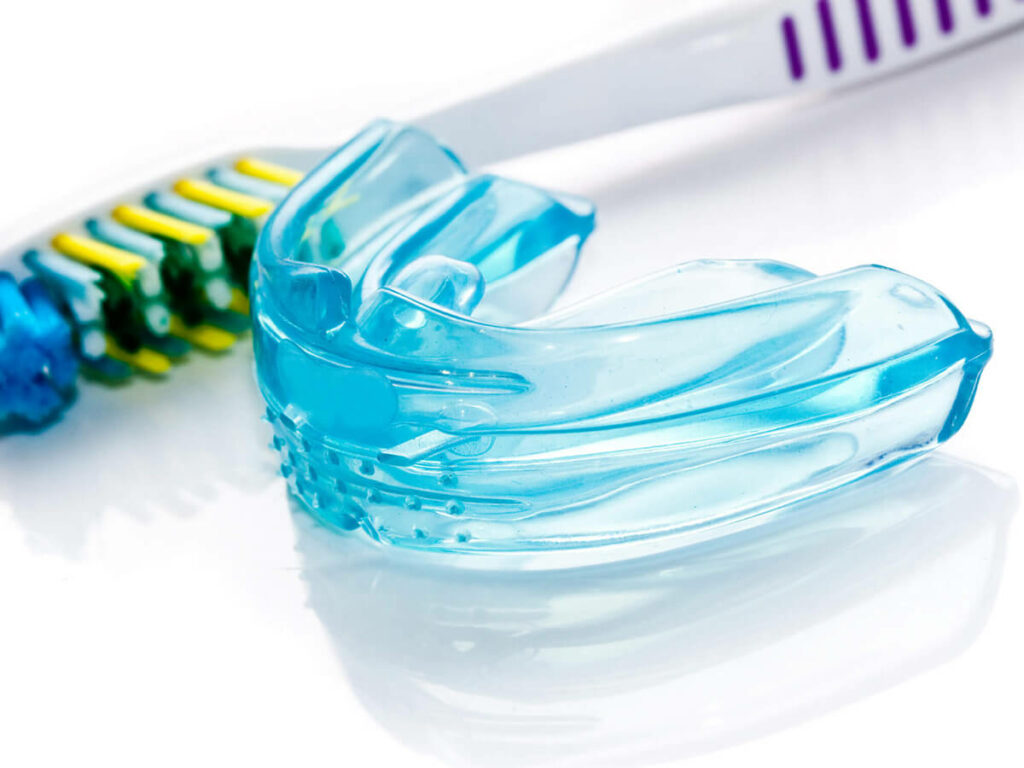
Crowns placed on molars experience higher chewing forces and may wear faster than those on front teeth. Patients with bruxism are often advised to wear night guards to protect both crowns and natural teeth.
Importantly, crowns do not decay, but the tooth underneath can. This is why cleaning around the crown margin is crucial. Flossing daily and attending regular dental check-ups significantly increases crown lifespan.
Lifestyle habits that affect crown lifespan
Daily habits play a major role in Crown longevity. Chewing ice, opening packages with teeth, or biting hard objects can crack porcelain. Smoking and poor oral hygiene increase the risk of gum disease, which can expose crown margins and compromise stability.
Patients who treat their crowns like natural teeth and maintain good dental habits often enjoy long-lasting results without complications.
Why crowns are not always the best solution
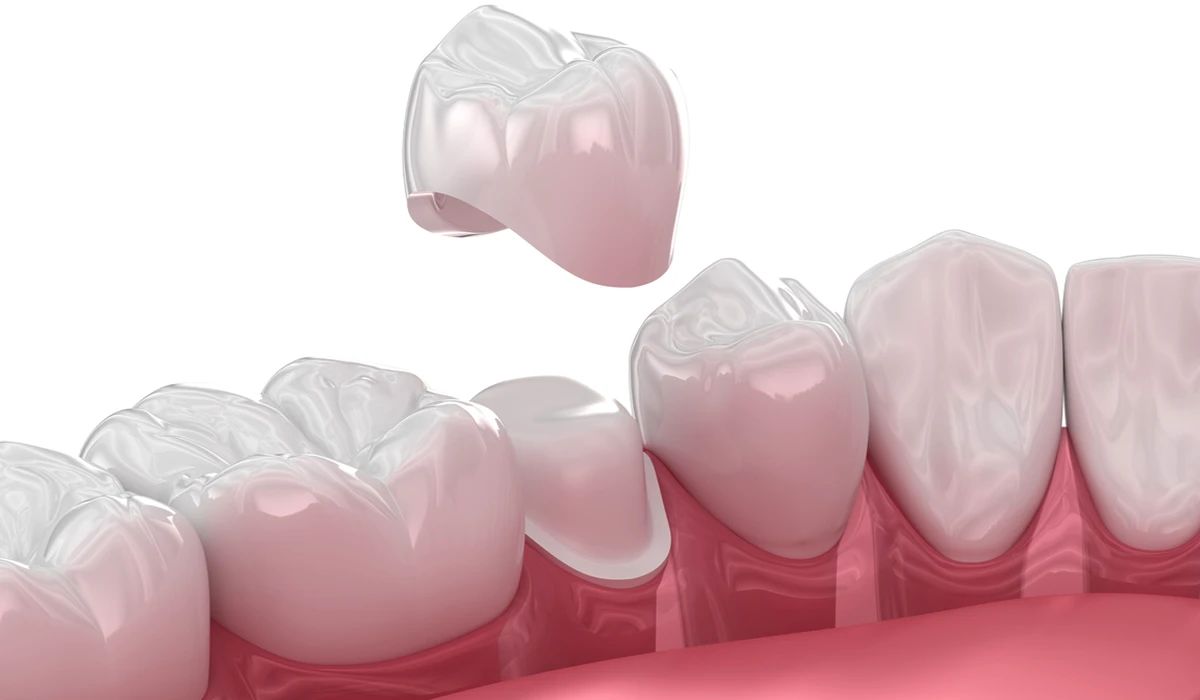
Although crowns are effective for restoring damaged teeth, they are not suitable for every case. Using crowns to correct misalignment or spacing without addressing the underlying cause can lead to long-term problems.
Dentists increasingly emphasize preserving natural tooth structure whenever possible. Orthodontic treatment, enamel bonding, or veneers may be more appropriate alternatives depending on the case. Understanding this helps patients make informed decisions rather than choosing treatments based solely on speed or appearance.
Patient experience in Vietnam: balancing quality and affordability
Vietnam’s dental industry has grown rapidly, offering modern facilities and competitive pricing. This combination attracts both local patients and international visitors. However, patients should focus on clinic reputation, dentist experience, and treatment philosophy rather than price alone.
A carefully performed crown procedure may cost more initially but often saves money and discomfort in the long run by reducing the need for replacements or additional treatments.
A patient story: restoring confidence with the right approach
A middle-aged patient came in with a severely decayed molar that had been ignored for years. He was worried about pain, cost, and the complexity of treatment. After proper diagnosis, the decay was treated, the tooth rebuilt, and a porcelain crown placed.
Months later, he reported normal chewing, no pain, and renewed confidence. His experience highlights how following the correct Crown procedure for decayed teeth can restore both function and quality of life.
Final thoughts
Understanding the Step-by-step porcelain crown procedure in Vietnam, the specific requirements of a Crown procedure for decayed teeth, and the factors affecting Crown longevity empowers patients to make smarter dental decisions. A crown is not just a cosmetic upgrade but a medical restoration that requires careful planning and long-term care.
Choosing the right dentist, following proper aftercare, and prioritizing tooth preservation over quick fixes can make the difference between a crown that lasts for years and one that causes repeated problems. A healthy smile is always built on informed choices and professional guidance.

Tư vấn chuyên môn bài viết:
BÁC SĨ DƯƠNG THỊ THÙY NGA