

 Tiếng Việt
 English
 日本語
日本語 中文 (中国)


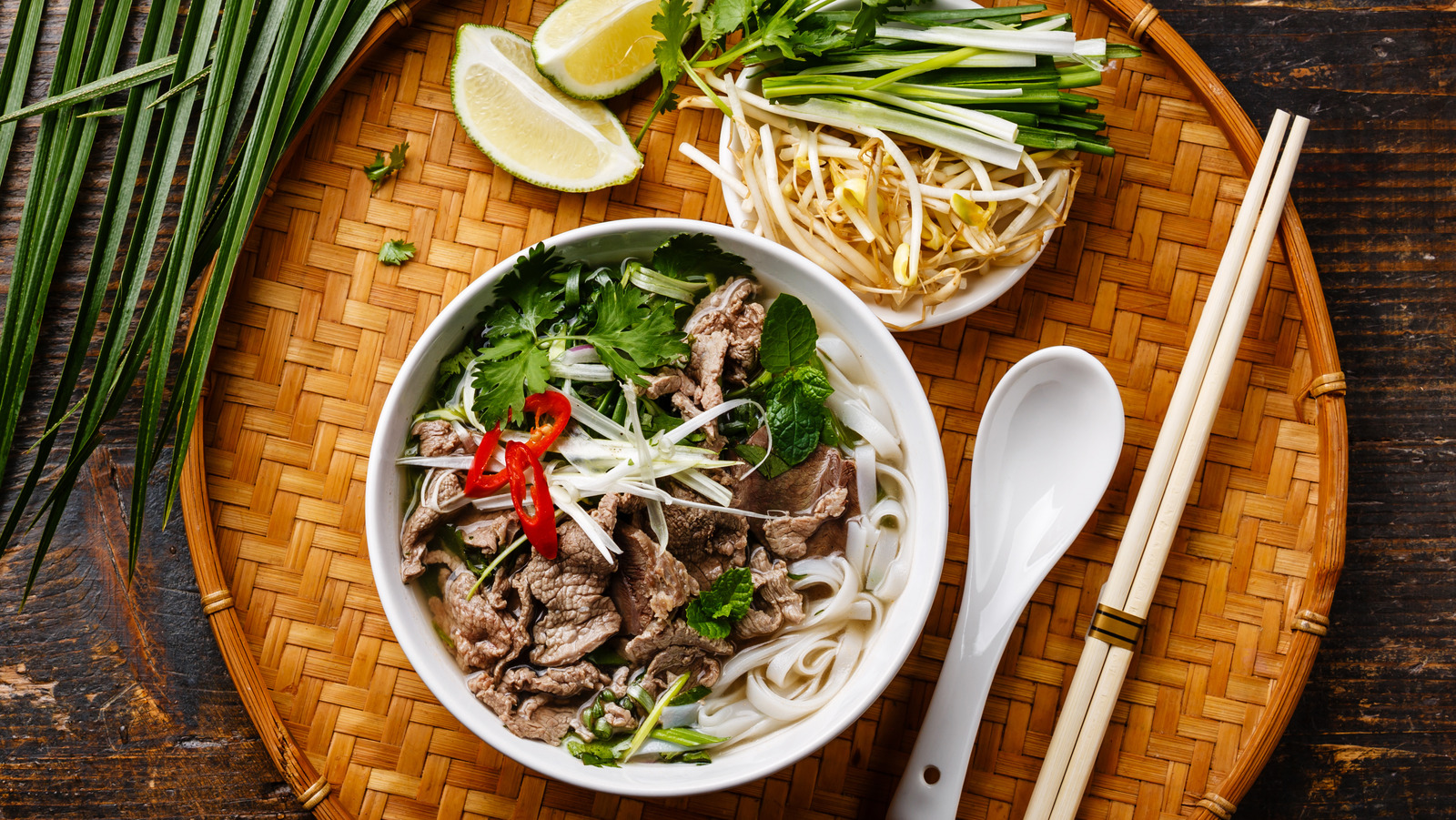
Best Pho In Hanoi: Pho Hanoi is more than just a noodle soup—it is a symbol of Vietnam’s culinary heritage and one of the most iconic dishes in the country. Known for its clear, aromatic broth, tender rice noodles, and fresh herbs, Hanoi-style pho captures the subtle balance of flavors that defines northern Vietnamese cuisine. Whether enjoyed at a bustling street stall, a family-run restaurant, or a modern eatery, pho offers travelers and locals alike a chance to experience the heart of Hanoi through its food culture.
The History of Pho Hanoi- Best Pho in Hanoi
Pho, now Vietnam’s most iconic noodle soup, originated in northern Vietnam in the early 20th century, with strong historical ties to areas around Hanoi and Nam Định. Although the exact origin remains debated among historians, most food scholars agree that pho developed during the French colonial period (late 19th–early 20th century) when Vietnam was undergoing major cultural and culinary changes. Encyclopedia Britannica+1
>>> See more:
One widely cited theory suggests that pho evolved from the French beef stew pot-au-feu, introduced during colonial rule, which encouraged the local use of beef — a meat not traditionally eaten in large quantities before French influence. The French practice of slow-simmering broth from beef bones, combined with local Vietnamese soup techniques, helped shape the clear, deeply flavored pho broth known today. Encyclopedia Britannica+1
Another important influence came from Chinese culinary traditions. Vietnamese cooks incorporated Chinese-style rice noodles and certain spices, a testament to the cultural exchange occurring in northern port and trade regions. Foods
The dish began as a humble street food sold from mobile carts and later fixed stalls in Hanoi’s Old Quarter. Pho vendors carried large pots of simmering broth, calling out to customers at dawn and into the morning. By the 1910s and 1920s, I fixed pho shops had appeared at busy intersections and near marketplaces, cementing pho’s place in daily life. Phố Cổ Hà Nội Pho’s rise in Hanoi was also linked to urban migration and infrastructure projects. Workers moving between Nam Định and Hanoi helped spread the dish, and street vendors followed the crowds, bringing pho closer to local consumers’ routines. Foods
Over time, pho became a staple of Hanoi street food culture, celebrated for its clear, aromatic broth and harmonious simplicity. Its popularity would eventually expand beyond the north, especially after 1954 when northern Vietnamese migrated south and introduced pho to new regions, leading to the rich diversity of styles seen across Vietnam today.
What Makes Hanoi-Style Pho Unique
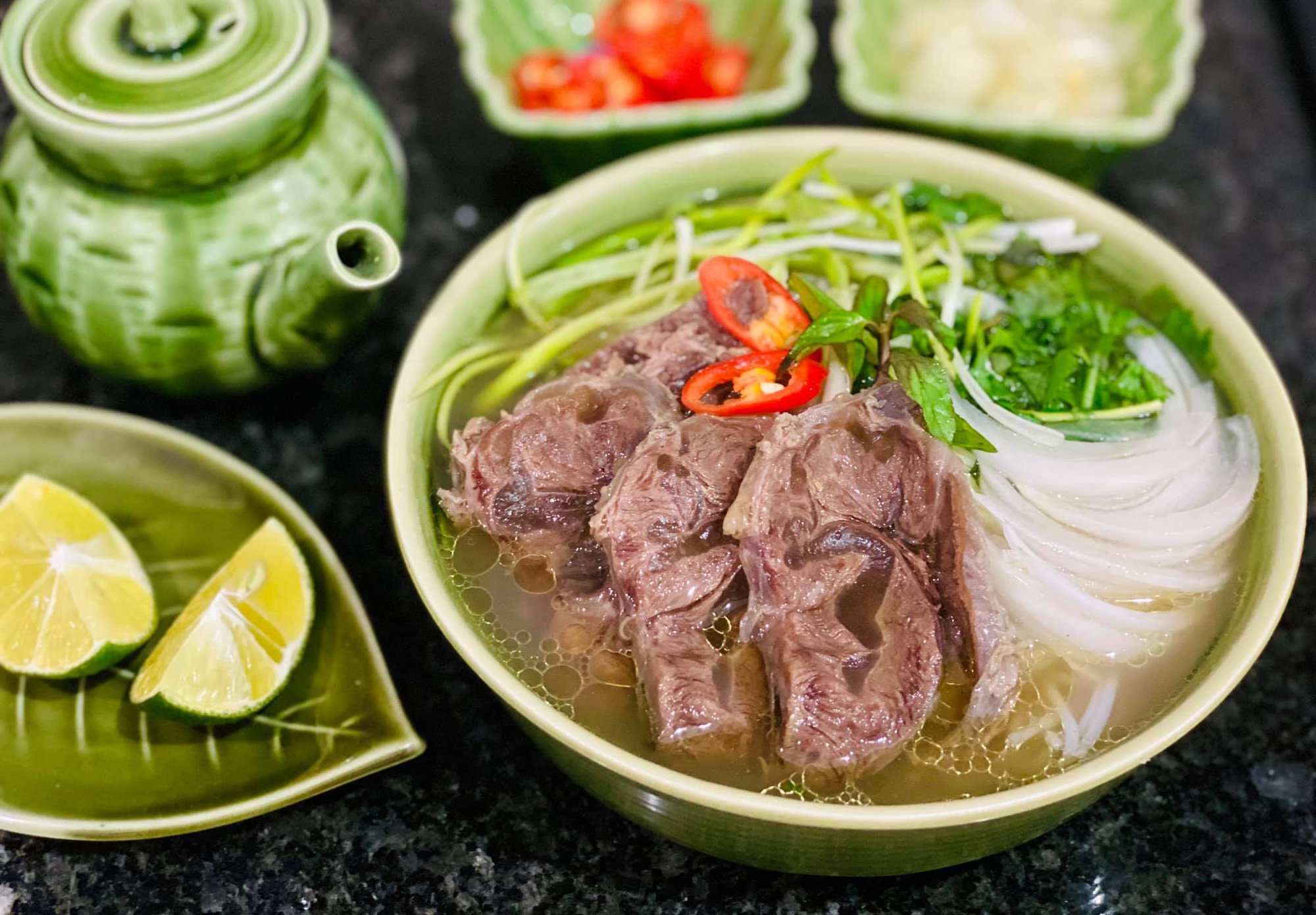
Hanoi-style pho is celebrated for its clear, aromatic broth, which is the heart of the dish. The broth is simmered for hours using carefully selected beef bones, charred onions, ginger, and a subtle blend of spices. Unlike the sweeter, heavier broths found in southern Vietnam, northern pho focuses on delicate, balanced flavors that highlight the natural essence of the beef and aromatics. Each bowl carries a depth of flavor that comes from patience and precision, giving a fragrant, savory experience without overpowering the palate.
>>> See more:
The rice noodles and beef cuts are another defining feature. Pho Hanoi typically uses flat, tender noodles that absorb the subtle flavors of the broth while retaining a soft, springy texture. Thinly sliced beef—such as brisket, rare eye-round, or beef meatballs—is added at the last moment, ensuring the meat stays juicy and tender. The combination of noodle and meat creates a satisfying texture contrast, complementing the light but flavorful broth.
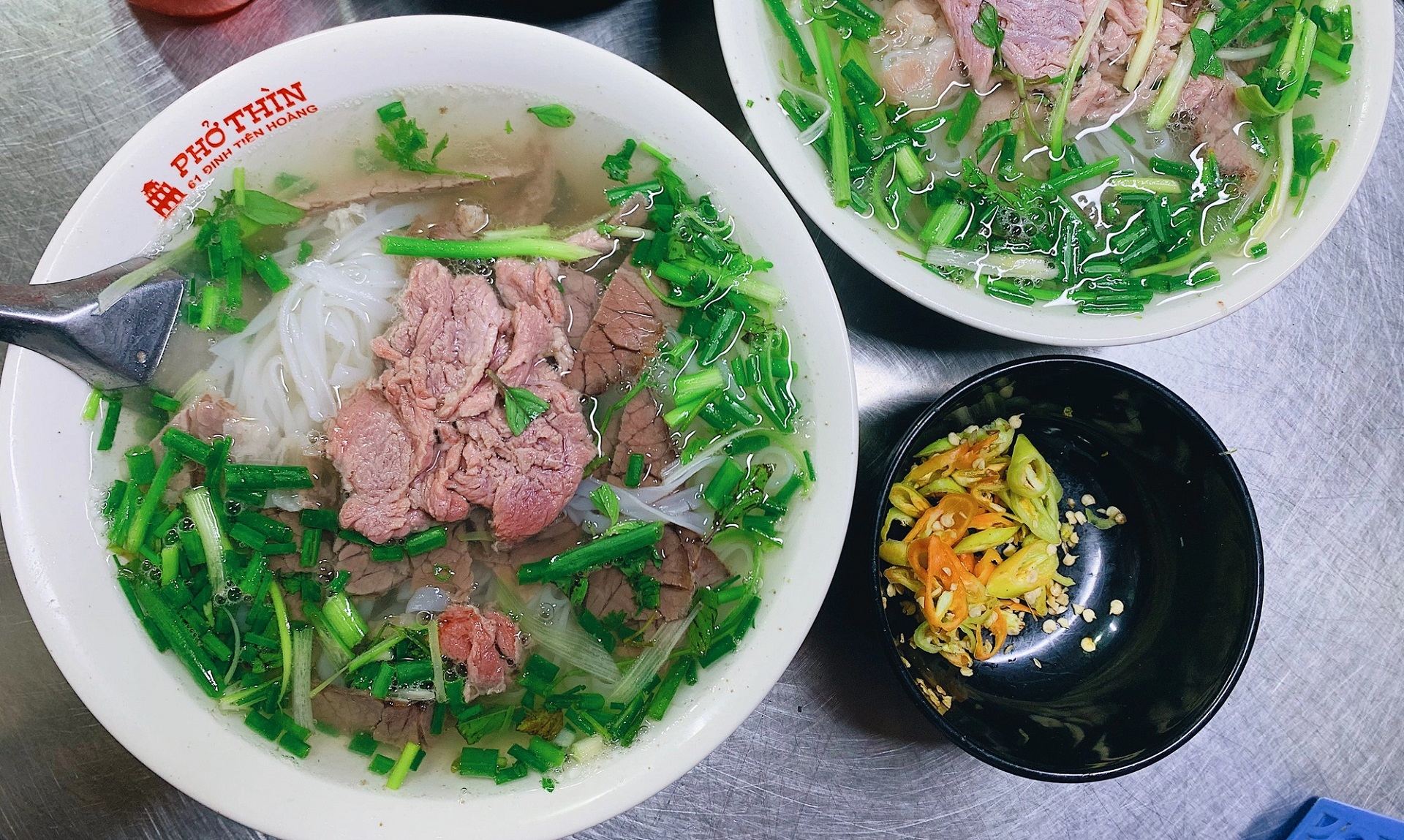
Fresh herbs and condiments play a vital role in completing the dish. Diners can add cilantro, green onions, lime, chili, and occasionally bean sprouts, adjusting each bowl to personal taste. These additions provide brightness and freshness, enhancing the broth’s complexity while keeping the overall flavor clean and balanced, a hallmark of Hanoi-style pho.
Pho Hanoi is not uniform across the city; subtle differences in preparation and ingredients give each bowl its own identity. While pho bo (beef pho) remains the most popular, some vendors specialize in pho ga (chicken pho) or offer versions with tendon, tripe, or brisket, each cut contributing a unique texture and flavor. Long-standing family-run shops often maintain secret spice blends or slight variations in broth technique, creating flavors that are instantly recognizable to locals. Even within the bustling Old Quarter, walking a few streets can lead to noticeable differences in sweetness, seasoning, and noodle texture.
Some modern pho vendors experiment with additional herbs or side dishes, yet the essence of Hanoi-style pho—its delicate broth, tender noodles, and harmony of fresh herbs and beef—remains intact. This diversity, combined with the consistent attention to balance, makes exploring pho Hanoi a dynamic culinary experience, where no two bowls taste exactly the same, yet all embody the city’s unique street food culture.
When and How Locals Enjoy Pho- Best Pho in Hanoi
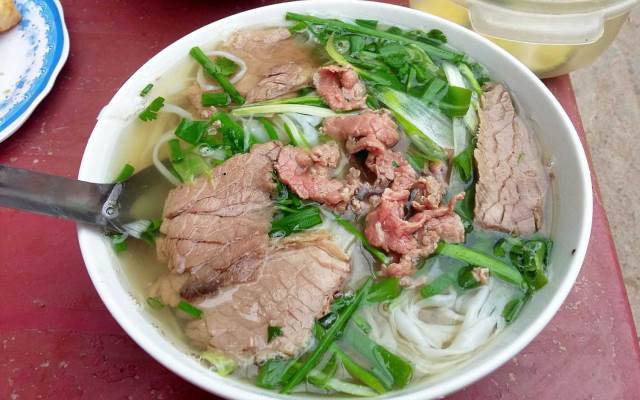
In Hanoi, pho is much more than just a meal—it is a part of daily life and social culture. Many locals begin their mornings at street-side pho stalls, enjoying a steaming bowl as a hearty yet light breakfast before heading to work or school. Pho Hanoi is also popular in the evening and late at night, particularly near bustling streets and markets, offering a comforting and flavorful option after a long day.
>>> See more:
Street vendors are at the heart of Hanoi’s pho culture. Diners often stand at small plastic tables or take their bowls to go, moving along the city’s busy streets while enjoying the rich aroma and warmth of the soup. In contrast, established restaurants provide a more relaxed setting, with attentive service, consistent quality, and larger seating areas, attracting both locals seeking a sit-down meal and tourists looking for a more comfortable experience.
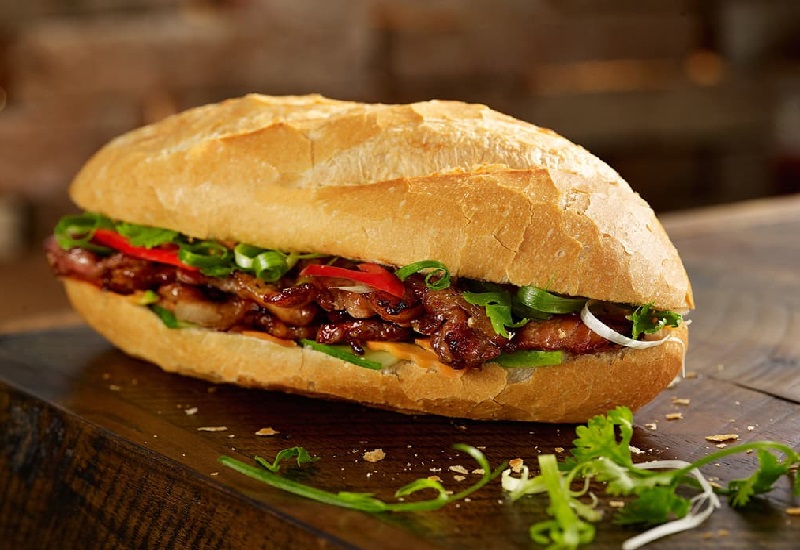
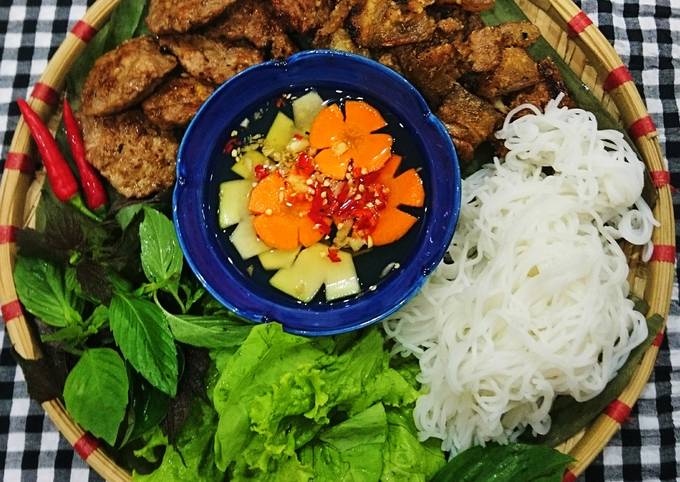
Eating pho Hanoi is also a social experience. Families, friends, and colleagues gather at pho stalls to chat, catch up, and share the simple pleasure of a freshly prepared bowl. The communal nature of dining, combined with the accessibility and affordability of pho, makes it a defining feature of Hanoi’s street food culture. Just like grabbing a banh mi or bun cha, enjoying pho is an integral part of everyday life, reflecting both the city’s pace and its culinary traditions.
Famous Phở Restaurants in Hanoi- Best Pho In Hanoi
Pho is one of the most iconic dishes in Hanoi, and its restaurant system reflects a rich mix of traditional and modern culinary styles. Each famous pho restaurant offers its own interpretation of this classic dish, while still maintaining the core identity of Hanoi pho: a clear, light, and well-balanced broth with delicate seasoning.
Traditional family-run restaurants such as Phở Gia Truyền Bát Đàn and Phở Sướng (Best pho in Hanoi) are well known for their authentic cooking methods, using slow-simmered beef bones to create a naturally sweet and aromatic broth. In contrast, places like Phở Thìn Bờ Hồ offer a more distinctive style with stir-fried beef pho, delivering a richer and more intense flavor profile.
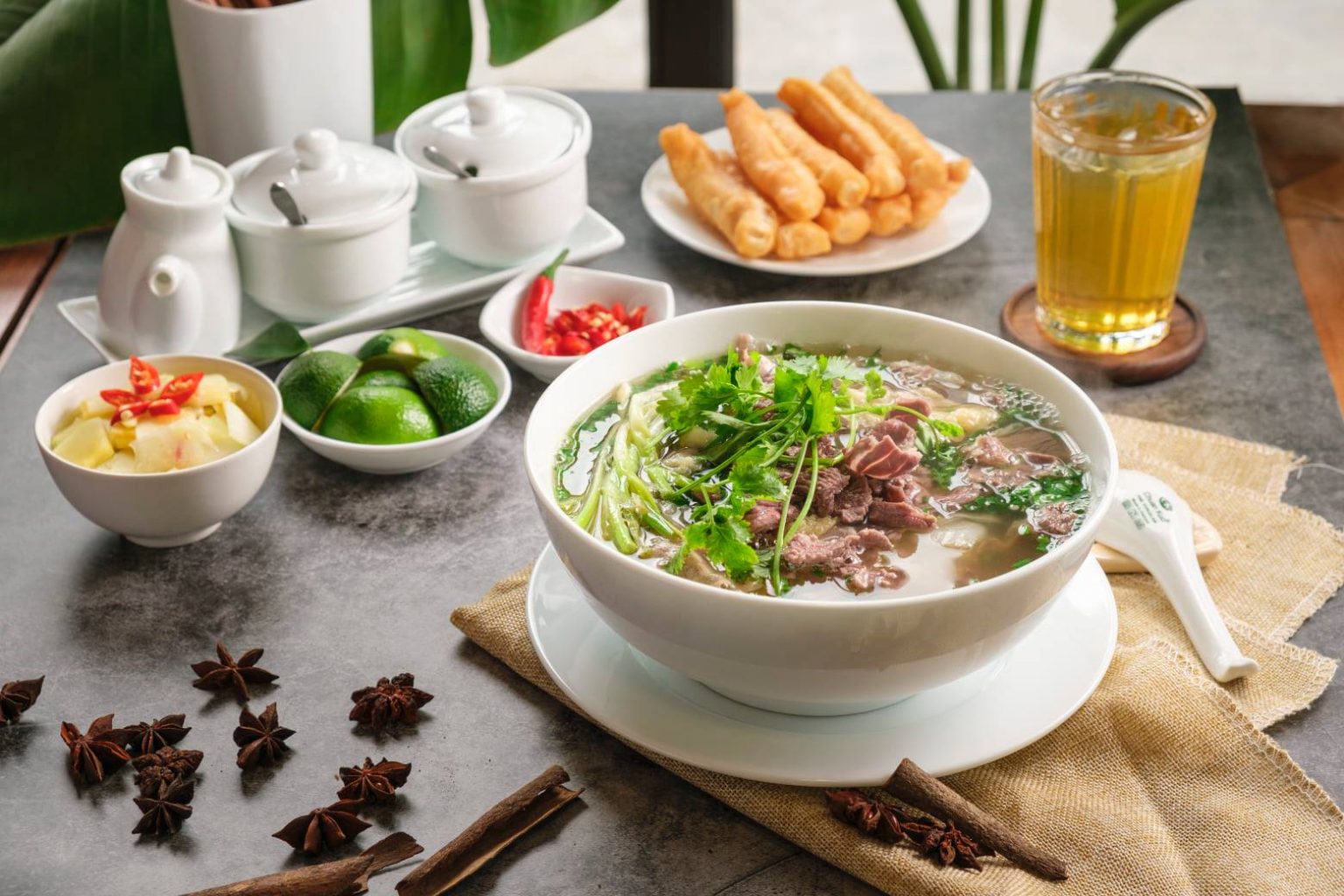
| Restaurant | Area | Signature Style | Why It’s Famous |
| Phở Gia Truyền Bát Đàn | Old Quarter (Bát Đàn Street) | Traditional Northern beef phở, clear broth | One of the most iconic, always long queues, authentic flavor |
| Phở Thìn Bờ Hồ | Near Hoàn Kiếm Lake | Stir-fried beef phở with rich, oily broth | Famous for unique, bold “phở xào tái lăn” style |
| Phở 10 Lý Quốc Sư | Lý Quốc Sư Street | Balanced beef phở, refined broth | Popular with both locals and tourists, consistent quality |
| Phở Sướng | Multiple branches | Traditional Northern-style phở | Known for rich broth and tender beef slices |
| Phở Gánh Hàng Chiếu | Old Quarter night street | Night-time street phở, simple style | Famous late-night street food experience |
| Phở Lý Béo | Various districts | Modernized phở with stable quality | Clean, accessible chain-style phở |
Other popular spots such as Phở 10 Lý Quốc Sư and Phở Gánh Hàng Chiếu (Best pho in Hanoi) are loved for their consistency and street food experience, especially during early mornings or late nights. Meanwhile, modern brands like Phở Lý Béo bring pho into a more contemporary dining format with faster service and standardized quality.
Overall, Hanoi’s pho restaurant system represents a balance between tradition and modernization, with each establishment contributing to the preservation and evolution of Vietnam’s most famous noodle soup.
Tips for First-Time Pho Eaters- Best Pho in Hanoi
How to order and customize your bowl
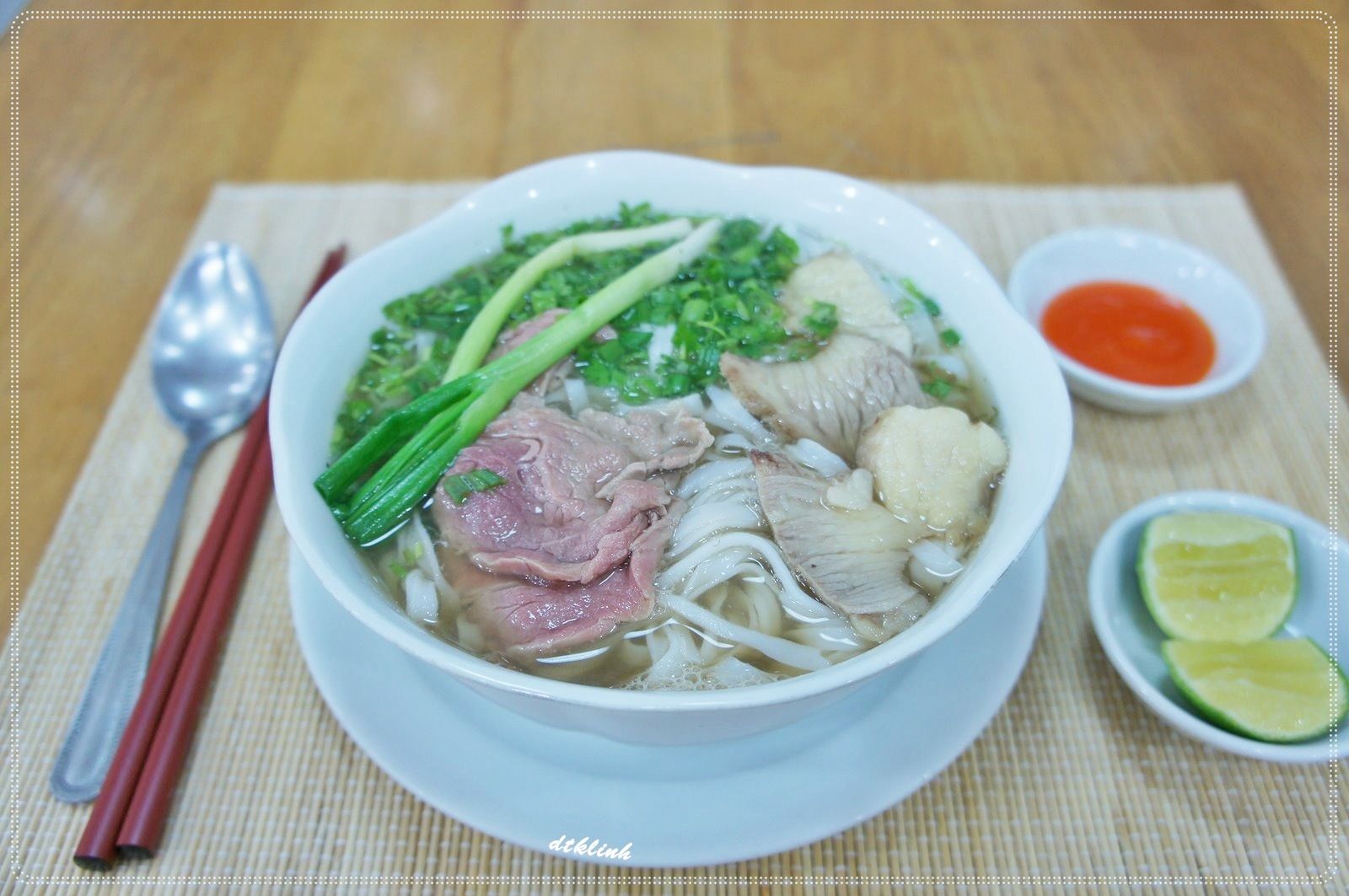
Ordering pho Hanoi is straightforward once you know the basics. You can start with a classic pho bo (beef pho) or pho ga (chicken pho) and specify the type of beef or protein you prefer, such as brisket, rare eye-round, or meatballs. Vendors often serve the broth at its peak, so ordering quickly ensures you enjoy the freshest experience. Don’t hesitate to ask for adjustments—extra herbs, a squeeze of lime, or additional chili are all common ways locals personalize their bowls.
Recommended toppings and condiments
For first-timers, start with the essentials (Best pho in Hanoi): fresh herbs like cilantro and green onions, bean sprouts, lime, and chili. A dash of fish sauce or hoisin sauce can enhance the flavor without overpowering the delicate broth. Observing how locals combine these ingredients can also give insight into the traditional northern approach—balancing freshness, tanginess, and umami in every bite.
What to expect in terms of flavor and dining experience
Your first bowl of pho Hanoi will likely surprise you with its subtle complexity. The broth is fragrant and savory but not heavy, the noodles are tender, and the protein melts in your mouth. Eating at a street-side stall offers an authentic sensory experience: the aroma of simmering broth, the sizzling of nearby kitchens, and the lively chatter of other diners all contribute to the charm. It’s more than just a meal—it’s a taste of Hanoi’s culinary soul, where every bowl reflects care, tradition, and local culture.
Conclusion
Tasting (Best pho in Hanoi) is an essential part of any visit, offering more than just nourishment—it is an immersion into the city’s history, street food traditions, and daily life. From carefully simmered broths to tender noodles and harmonious herbs, each bowl tells a story of culinary artistry and local pride. Experiencing pho Hanoi allows visitors to connect with Hanoi’s vibrant culture, making it a must-try dish for anyone seeking the authentic flavors of Vietnam.
BeDental – A Leading Dental Clinic for International Travelers in Vietnam
BeDental offers high-quality dental services for international travelers visiting Vietnam, combining modern technology with experienced dentists. Our services include general and cosmetic dentistry, dental implants, teeth whitening, and smile makeovers, all performed to international standards.
Designed for tourists, BeDental provides flexible appointments, English-speaking staff, and personalized treatment plans that fit travel schedules. With competitive pricing and convenient locations, BeDental allows visitors to improve their smile while enjoying their trip to Vietnam.