
Câu chuyện khách hàng
Complete Guide to eVisa for Vietnam 2026: How to Apply, Fees & Processing Time
Th5

In recent years, evisa for Vietnam has experienced a strong surge in international travel demand. In 2025, the country welcomed approximately 21.2 million foreign visitors, marking a record high. By early 2026, Vietnam continued this momentum with around 6.7 million international arrivals in the first quarter alone, including over 2 million visitors per month. On average, this translates to roughly 60,000–70,000 international arrivals per day during peak periods. These figures highlight the growing pressure on immigration systems and explain why Vietnam has accelerated the expansion of its eVisa program to streamline entry procedures and improve traveler experience.
1. Evisa for Vietnam 2026 Overview
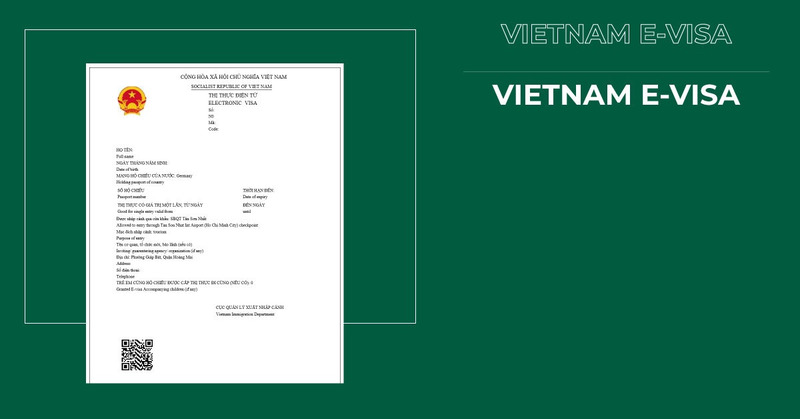
What is a Vietnam eVisa? A Vietnam eVisa is an official electronic visa issued by the Vietnam Immigration Department, allowing foreign travelers to enter Vietnam for tourism, business, or short-term visits. The entire process is completed online, and once approved, the visa is sent via email as a PDF file. Travelers simply print it and present it upon arrival, without needing to visit an embassy or apply for a visa on arrival.
Who Should Use the eVisa? The Vietnam eVisa is ideal for:
- Tourists traveling for up to 90 days
- Business travelers attending short-term meetings or events
- Digital nomads staying temporarily
- First-time visitors who prefer a simple and efficient online visa process
Travelers planning long-term work, study, or residency in Vietnam should consider other visa options more suitable for extended stays.
Key Updates eVisa for Vietnam in 2026 (Validity, Entry Options)
Vietnam’s eVisa system in 2026 offers significantly greater flexibility and accessibility compared to previous years. The eVisa is now valid for up to 90 days, with options for both single-entry and multiple-entry, allowing travelers to move in and out of Vietnam more conveniently within the validity period. In terms of entry options, the system has been expanded to cover 83 official entry and exit checkpoints nationwide, including 17 international airports, 27 land border gates, and 39 seaports, enabling travelers to enter by air, overland from neighboring countries such as Laos, Cambodia, and China, or via international cruise routes.
- 83 official entry and exit checkpoints nationwide
- Including:
- 17 international airports
- 27 land border gates
- 39 seaports
This allows travelers to enter Vietnam through multiple routes:
- By air via major hubs such as Hanoi, Ho Chi Minh City, and Da Nang
- By land from neighboring countries like Laos, Cambodia, and China
- By sea through international cruise ports
Currently, most travelers still enter by air (over 80%), but land and sea routes are becoming increasingly popular, especially for regional and cruise tourism. Important note: travelers should select a valid entry point during the application and follow the same plan when entering Vietnam.
| Category | Details | Notes / Examples |
| Visa Validity | Up to 90 days | Flexible stay duration |
| Entry Type Options | Single-entry / Multiple-entry | Suitable for multi-country travel |
| Total Checkpoints | 83 official entry & exit points | Nationwide coverage |
| International Airports | 17 airports | Hanoi, Ho Chi Minh City, Da Nang |
| Land Border Gates | 27 gates | From Laos, Cambodia, China |
| Seaports | 39 ports | International cruise routes |
| Entry by Air | Major aviation hubs | Convenient & fastest option |
| Entry by Land | Cross-border travel | Popular for regional travelers |
| Entry by Sea | Cruise tourism |
Growing segment |
At the same time, Vietnam has adopted a near-universal eligibility policy, allowing citizens of all countries and territories to apply for an eVisa entirely online without requiring sponsorship or embassy procedures. This combination of longer validity, multiple entry flexibility, expanded entry infrastructure, and global accessibility makes the Vietnam eVisa one of the most traveler-friendly visa systems in Southeast Asia in 2026.
Vietnam eVisa Fees 2026
The Vietnam eVisa fee structure in 2026 is fixed and regulated by the government, with USD $25 for a single-entry visa and USD $50 for a multiple-entry visa, both valid for up to 90 days. These are official fees applied equally to all nationalities and do not vary based on processing time. Payment is made entirely online during the application process, typically via international credit or debit cards such as Visa or MasterCard, through a secure payment gateway.
It is important to note that all Vietnam eVisa fees are non-refundable, regardless of the outcome of the application. This means that even if your visa is rejected, contains errors, or you decide not to travel, the fee will not be returned, as it covers the administrative processing rather than approval.
Processing Time for eVisa for Vietnam
The processing time for a Vietnam eVisa in 2026 is typically 3 to 5 working days under normal conditions. However, actual timelines may vary depending on application volume, accuracy of submitted information, and national holidays in Vietnam. Delays can occur if there are errors in the application, low-quality document uploads, or during peak travel seasons when demand increases significantly.
To avoid last-minute issues, travelers are advised to apply at least 1–2 weeks before departure, allowing extra time for unexpected delays or reapplication if needed.
Validity & Entry Rules
The Vietnam eVisa is valid for up to 90 days from the approved entry date and is available as either a single-entry or multiple-entry visa, depending on the option selected during application. Travelers must enter and exit Vietnam within the validity period stated on the visa.
The eVisa is accepted at 83 designated entry points nationwide, including international airports, land border crossings, and seaports. Applicants are required to select a specific entry point when applying and should follow that plan to ensure smooth immigration procedures upon arrival.
2. How to Apply for eVisa for Vietnam (Step-by-Step)
Applying for a Vietnam eVisa is a straightforward online process handled through the official system of the Vietnam Immigration Department. Below is a step-by-step guide to help you complete your application correctly:
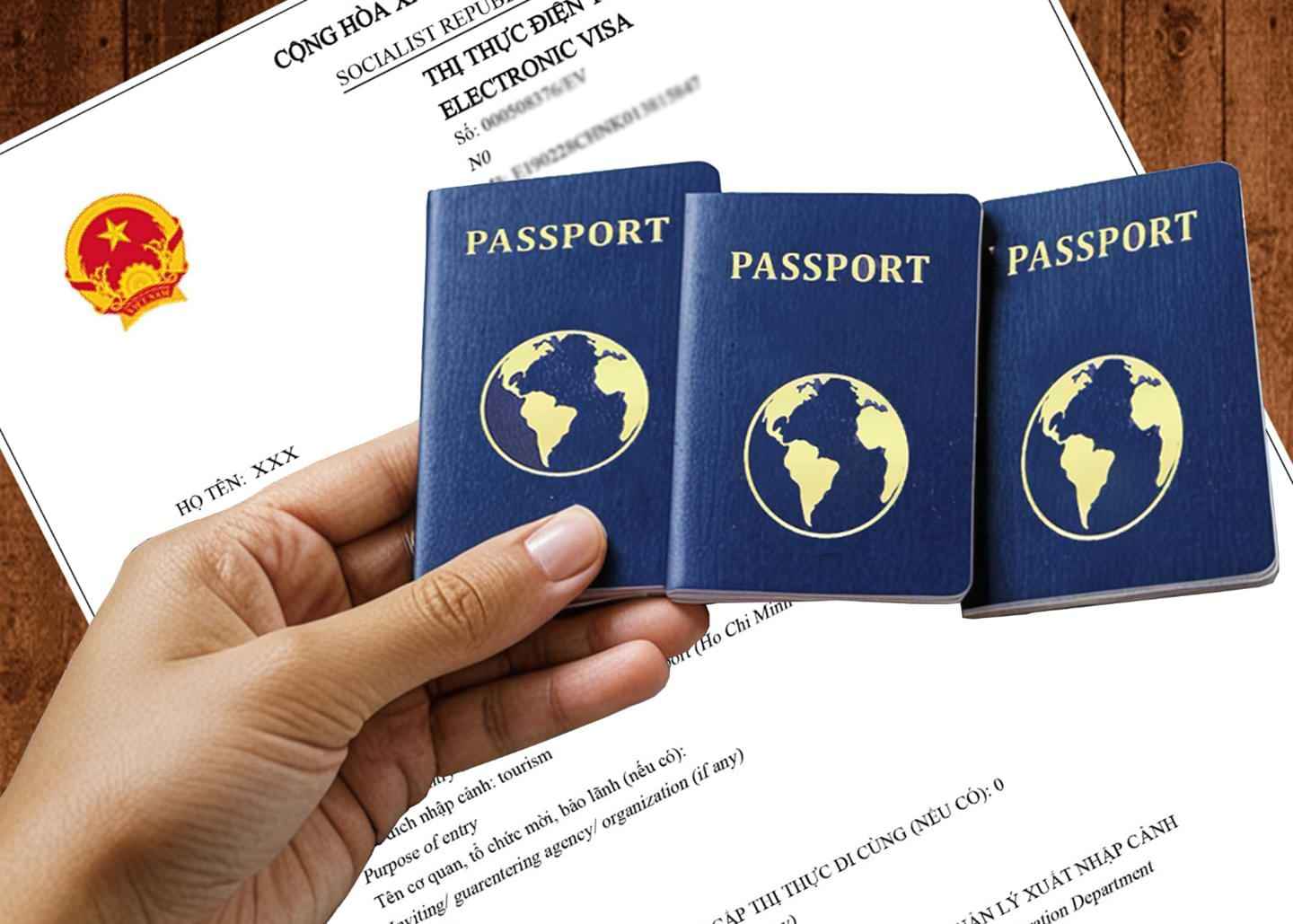
- First, access the official eVisa application portal and start a new application. Make sure you are using the correct government website to avoid unnecessary service fees from third-party agencies.
- Next, fill in your personal and travel information, including your full name, passport details, nationality, planned entry date, and intended entry/exit points in Vietnam. It is essential that all information matches exactly with your passport to avoid rejection.
- You will then need to upload the required documents, which typically include a clear scan of your passport bio page and a recent passport-sized photo. Ensure both files meet the required format and quality standards, as unclear or incorrect uploads are a common cause of delays.
- After completing the form, proceed to pay the eVisa fee online using a valid international credit or debit card. Once payment is successful, you will receive an application registration code, which should be saved for tracking your visa status.
Finally, after the processing period (usually 3–5 working days), you can check your application status and download your eVisa. Once approved, print a copy and present it upon arrival in Vietnam.
3. Key Tips & Common Issues
Applying for a Vietnam eVisa is generally simple, but a large number of applications are delayed or rejected due to avoidable mistakes. Understanding the most common issues and how to prevent them can significantly improve your chances of fast approval when entering Vietnam.
Common Application Mistakes
One of the most frequent problems is incorrect personal information. Applicants often enter names in the wrong order, miss middle names, or input details that do not exactly match their passport. Even small discrepancies can lead to rejection. Another common issue is selecting the wrong passport type or nationality, especially for dual citizens. In addition, many applicants choose an entry date or checkpoint that does not align with their actual travel plan, which can cause complications at immigration.
Document-related errors are also a major cause of delays. Low-quality passport scans, cropped images, glare, or shadows can make the information unreadable. Similarly, passport photos that do not meet requirements may result in processing issues. Duplicate applications can also confuse the system and lead to rejection.
How to Avoid Rejection
To minimize the risk of rejection, applicants should carefully review all submitted information. Ensure that your full name, passport number, and date of birth match exactly with your passport. Use clear, high-resolution images with proper lighting and no obstructions.
It is also important to select the correct entry point and travel dates, as these details are tied to your visa approval. Avoid submitting multiple applications for the same trip, and always use accurate, consistent information throughout the form.
Tips for Faster Approval
For faster processing, travelers are advised to apply at least 7–14 days before departure, allowing time for any unexpected delays. Submitting applications during standard working days (avoiding weekends and public holidays in Vietnam) can also help speed up processing.
Additionally, preparing documents in advance, ensuring all details are correct on the first submission, and keeping your application code for tracking will help streamline the process.
4. FAQs about Vietnam eVisa
Can a Vietnam eVisa be extended?
In most cases, a Vietnam eVisa cannot be directly extended online. Travelers who wish to stay longer in Vietnam typically need to either exit the country and reapply for a new eVisa or arrange an extension through a local visa agent or immigration office, depending on current regulations. Policies may change, so it is advisable to check the latest rules before your visa expires to avoid overstay penalties.
Do children need a separate eVisa?
Yes, each traveler—including children—must have their own individual eVisa. Even if a child is listed on a parent’s passport, a separate application is usually required with their own photo and passport details. Parents or guardians can complete the application on behalf of minors.
Can I enter through a different port than the one selected?
Technically, travelers are expected to enter Vietnam through the designated entry point selected in their eVisa application. While minor changes may sometimes be accepted in practice, it is not guaranteed. To avoid complications at immigration, it is strongly recommended to follow the exact entry point stated on your approved eVisa.
Conclusion
The Vietnam eVisa system in 2026 has become one of the most convenient and accessible visa solutions for international travelers visiting Vietnam. With its fully online application process, clear fee structure, and relatively fast processing time, it eliminates much of the complexity traditionally associated with visa procedures. The introduction of up to 90-day validity, multiple-entry options, and expanded entry points has made it even more flexible for both short-term visitors and those planning multi-destination trips within the region.
However, despite its simplicity, success still depends on careful preparation. Ensuring accurate information, uploading high-quality documents, and applying early are key factors that can help you avoid delays or rejection. Understanding the rules around entry points, validity, and non-refundable fees also allows travelers to plan their trip more confidently.
Overall, the Vietnam eVisa is an efficient and reliable option for most travelers. By following the correct steps and best practices outlined in this guide, you can enjoy a smooth application process and focus on exploring everything that Vietnam has to offer.
BeDental – A Leading Dental Clinic for International Travelers in Vietnam
BeDental offers high-quality dental services for international travelers visiting Vietnam, combining modern technology with experienced dentists. Our services include general and cosmetic dentistry, dental implants, teeth whitening, and smile makeovers, all performed to international standards.
Designed for tourists, BeDental provides flexible appointments, English-speaking staff, and personalized treatment plans that fit travel schedules. With competitive pricing and convenient locations, BeDental allows visitors to improve their smile while enjoying their trip to Vietnam.