

Kiến Thức Nha Khoa
Decayed Wisdom Teeth in Vietnam and What You Need to Know
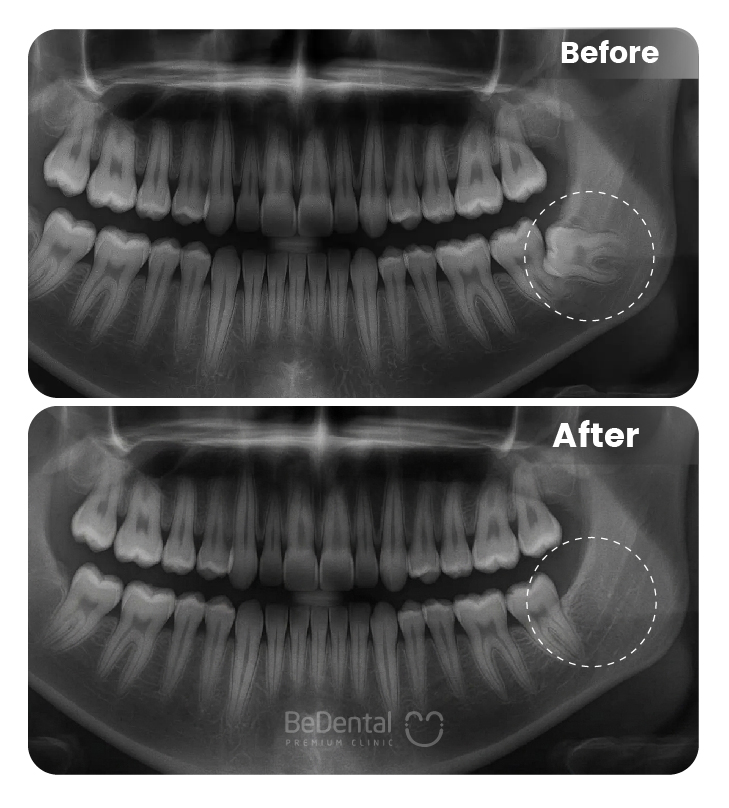
Th3

Decayed wisdom teeth in Vietnam are a common dental problem among adults, particularly those between the ages of 18 and 30, when the third molars (wisdom teeth) begin to erupt fully and become part of the dental arch. Unlike other teeth, wisdom teeth are located at the very back of the jaw and often erupt in unfavorable positions such as tilted, impacted, or partially erupted. This makes proper oral hygiene extremely difficult and allows plaque and bacteria to accumulate easily.
Understanding the causes of wisdom tooth decay and choosing the right treatment at the right time is essential to prevent unnecessary complications. This article provides comprehensive information on decayed wisdom teeth in Vietnam, including causes, symptoms, treatment methods, costs, and where to seek safe and effective care.
What Are Wisdom Teeth and Why Are They More Prone to Decay?
Wisdom teeth (third molars) are the last permanent teeth to erupt in the mouth, typically appearing between the ages of 17 and 25 years. By this stage, jaw growth is usually complete, and studies show that 65–75% of young adults have at least one impacted wisdom tooth. Because they erupt later than all other permanent teeth, there is often insufficient space in the jaw to accommodate them properly. In fact, only about 20–30% of wisdom teeth erupt fully in proper alignment, while the remainder erupt at an angle, become partially impacted, or remain completely trapped under the gum or bone.
These anatomical characteristics create ideal conditions for food particles and bacteria to become trapped. Research indicates that plaque accumulation is significantly higher on third molars compared to other teeth, and up to 70–80% of patients report difficulty cleaning their wisdom teeth effectively. In addition, wisdom teeth often have deeper grooves and fissures on their chewing surfaces. Teeth with deep pits and fissures are associated with a 2–3 times higher risk of occlusal caries compared to smoother surfaces.
Because of these combined risk factors, caries prevalence in wisdom teeth is considerable. Studies report that 15–25% of impacted third molars develop decay, and partially erupted wisdom teeth can cause distal caries in adjacent second molars in 20–30% of cases. When decay is not detected early, enamel demineralization begins once oral pH drops below the critical threshold of 5.5, allowing bacteria to penetrate into dentin. Without treatment, caries progression can reach the pulp within months, significantly increasing the risk of infection.
At the pulp stage, symptoms such as severe pain, swelling, and abscess formation become more common. Pericoronitis, a common infection associated with partially erupted wisdom teeth, affects approximately 5–10% of young adults annually. Once infection spreads, preserving the tooth becomes increasingly difficult and may require root canal treatment or extraction.
Since wisdom teeth contribute minimally to overall chewing efficiency and their removal does not significantly reduce masticatory function in most patients, retaining a severely decayed wisdom tooth is often unnecessary and may pose greater long-term health risks than benefits.
See more: Why is wisdom tooth removal needed?
Signs and Symptoms of Decayed Wisdom Teeth
Decayed Wisdom Teeth in Vietnam. Decayed Wisdom Teeth in Vietnam. Decayed Wisdom Teeth in Vietnam
| Stage | Symptom | Clinical Explanation | Prevalence / Clinical Data | Clinical Significance |
| Early Stage | Mild Sensitivity | Enamel demineralization exposes dentin; dentinal tubules transmit stimuli | Tooth sensitivity affects 30–50% of adults; early caries commonly presents with cold sensitivity | Indicates reversible or early-stage decay |
| Subtle / Intermittent Discomfort | Initial bacterial penetration limited to enamel/dentin | Early caries may remain asymptomatic in up to 40% of cases | Often ignored, leading to progression | |
| Progressive Stage | Visible Tooth Damage | Enamel breakdown, dark spots, cavitation | Occlusal caries prevalence in third molars: 15–25% | Structural compromise begins |
| Persistent Dull Pain | Bacterial invasion deeper into dentin approaching pulp | Once dentin is involved, progression rate increases significantly | Suggests moderate decay requiring treatment | |
| Advanced Infection | Gum Inflammation & Swelling | Bacterial accumulation under gum flap (common in partially erupted teeth) | Pericoronitis affects 5–10% of young adults annually | Risk of abscess formation |
| Pus Discharge & Halitosis | Active infection producing purulent exudate | Halitosis linked to periodontal infection in 60–90% of cases | Indicates bacterial overgrowth | |
| Radiating Pain | Pulpal inflammation spreads to trigeminal nerve branches | Irreversible pulpitis accounts for ~20–30% of untreated caries cases | Severe infection stage | |
| Difficulty Opening Mouth (Trismus) | Inflammation spreads to surrounding muscles | Trismus occurs in approximately 10–20% of severe pericoronitis cases | May require urgent intervention |
Main Causes of Decayed Wisdom Teeth
Wisdom teeth (third molars) erupt at a time when jaw development is already complete. This makes them the most vulnerable teeth on the dental arch, and several factors contribute to their high risk of decay.
| Cause | Mechanism of Decay | Clinical Prevalence | Risk Level | Typical Consequences |
| Anatomical Position & Limited Access | Deep posterior location makes brushing and flossing difficult → plaque accumulation | Up to 70–80% of adults have at least one wisdom tooth difficult to clean | High | Plaque retention, enamel demineralization, distal caries on second molars |
| Impacted or Partially Erupted Teeth | Gum flap (operculum) traps bacteria in low-oxygen environment | Approximately 65–75% of young adults have at least one impacted wisdom tooth | Very High | Pericoronitis, rapid decay, periodontal pockets |
| Dietary & Lifestyle Factors | Frequent sugar + acidic beverages → lower oral pH (<5.5 critical threshold) → enamel breakdown | High sugar intake linked to 60–90% of caries cases globally | Moderate to High | Accelerated decay, calculus buildup, gum inflammation |
| Weak Enamel / Mineral Deficiency | Reduced calcium/fluoride → decreased enamel resistance to acid attack | Enamel hypomineralization affects 10–20% of population | Moderate | Faster cavity progression, early pulp involvement |
Decayed Wisdom Teeth in Vietnam: Should They Be Filled or Extracted?
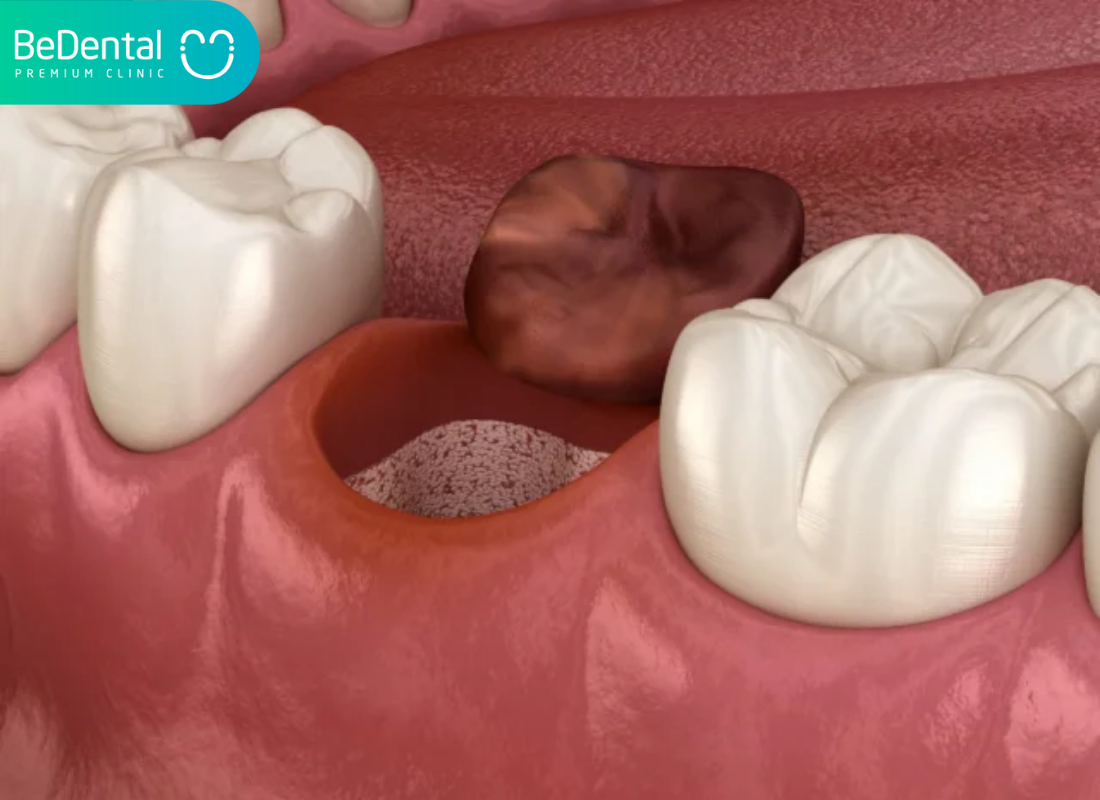
The decision to fill or extract a decayed wisdom tooth depends on a comprehensive clinical assessment, including the extent of decay, pulp involvement, tooth alignment, and its impact on adjacent teeth.
| Criteria | Wisdom Tooth Filling | Wisdom Tooth Extraction |
| Clinical Decision Basis | Considered after comprehensive assessment of decay extent, pulp condition, alignment, and impact on adjacent teeth | Recommended when assessment shows high risk of infection, structural damage, or impact on surrounding teeth |
| Indications | • Tooth is fully erupted and properly aligned
• Decay is small and limited to the crown • Pulp is not affected • No recurring gum inflammation or food impaction |
• Decay is extensive or pulp is exposed
• Tooth is impacted, tilted, or trapped • Recurrent gum infection or operculum inflammation • Adjacent second molars are at risk • Persistent pain, swelling, or bad breath |
| Treatment Purpose | Preserve the natural tooth when possible | Remove infection source and prevent further complications |
| Long-Term Prognosis | Often limited longevity due to difficult access, moisture control challenges, and strong chewing forces in the posterior region | Definitive and permanent solution in most cases |
| Risk of Recurrence | Higher risk of recurrent decay or gum inflammation | Low recurrence once properly extracted and healed |
| Clinical Consideration | Usually considered a temporary or short-term solution rather than a definitive treatment | Preferred in most decayed wisdom tooth cases in Vietnam |
| Functional Impact | Preserves tooth structure but may not significantly improve chewing function | Wisdom teeth are not essential for chewing, so removal typically does not affect function |
| Complication Prevention | May delay complications but does not eliminate underlying anatomical challenges | Prevents serious complications such as jawbone infection or abscess formation |
Treatment Costs for Decayed Wisdom Teeth in Vietnam
The cost of treating decayed wisdom teeth in Vietnam varies depending on the treatment method and complexity of the case.
- Dental filling: Lowest cost, suitable only for mild decay
- Root canal treatment: Higher cost due to technical difficulty
- Wisdom tooth extraction: Cost varies depending on eruption status, root complexity, and technology used
At reputable clinics such as BeDental, all costs are clearly explained before treatment, allowing patients to plan confidently. Detailed pricing is available at:
? https://bedental.vn/bang-gia-dich-vu
BeDental – A Trusted Clinic for Treating Decayed Wisdom Teeth in Vietnam
BeDental is a specialized dental clinic with extensive experience in treating decayed wisdom teeth in Vietnam, ranging from mild cases to complex situations involving pulp exposure, impaction, and severe infection. Each year, the clinic manages approximately 600–800 wisdom tooth cases, with nearly 40% involving decay-related complications such as deep caries, pulp infection, or secondary gum inflammation. Each patient undergoes a thorough examination and receives a personalized treatment plan to ensure safe and effective outcomes with minimal invasiveness.

BeDental is equipped with advanced digital X-ray systems and Cone Beam CT (CBCT) 3D imaging, supporting over 90% of complex wisdom tooth cases with detailed pre-treatment evaluation. This technology enables dentists to accurately assess tooth position, decay severity, root anatomy, nerve proximity, and surrounding bone structure. Clinical data indicates that CBCT-assisted planning reduces unexpected surgical complications by approximately 30% compared to conventional 2D imaging alone.
For wisdom tooth extractions, BeDental utilizes minimally invasive techniques combined with ultrasonic Piezotome technology. This allows precise bone and tissue separation, reducing trauma, bleeding, and recovery time—especially beneficial for impacted or complex wisdom teeth. Post-operative monitoring shows that patients treated with Piezotome-assisted extraction experience 40–60% less swelling and typically resume normal activities within 3–5 days.
Local anesthesia at BeDental is administered using pressure-controlled delivery systems, ensuring even distribution and minimizing discomfort throughout the procedure. According to internal patient feedback surveys, over 95% of patients report minimal or no pain during treatment. All surgical instruments and treatment rooms follow strict sterilization protocols aligned with international infection control standards, maintaining a post-operative infection rate below 2–3%.
The dental team at BeDental consists of highly experienced clinicians with in-depth knowledge of oral and maxillofacial anatomy. On average, senior dentists at the clinic have performed over 2,000 surgical procedures throughout their careers. Patients are closely monitored from diagnosis through treatment and post-operative follow-up, with a documented full recovery rate exceeding 96% in properly indicated cases.
Thanks to the combination of professional expertise, modern technology, and structured follow-up care, treatment at BeDental is efficient, gentle, and designed to deliver long-term oral health stability.
See more: Wisdom teeth and 4 typical symptoms
Conclusion
Decayed wisdom teeth are a widespread but often underestimated dental condition. Ignoring early symptoms or relying on temporary pain relief can lead to serious oral health complications. Early diagnosis and appropriate treatment, whether filling or extraction, are essential to protect surrounding teeth and maintain overall oral health.
If you are experiencing symptoms of wisdom tooth decay, seeking timely care at a reputable dental clinic can help you avoid prolonged pain and ensure long-term dental well-being.
Tại BeDental, khách hàng có thể an tâm điều trị với dịch vụ bảo lãnh viện phí nha khoa nhanh chóng và tiện lợi. BeDental hiện liên kết với nhiều công ty bảo hiểm uy tín, hỗ trợ thanh toán trực tiếp chi phí các dịch vụ nha khoa như nhổ răng, trám răng, điều trị tủy, phục hình răng sứ... Quy trình linh hoạt, minh bạch giúp tiết kiệm thời gian và tối ưu chi phí. Hãy liên hệ BeDental để được tư vấn chi tiết và tận hưởng trải nghiệm chăm sóc răng miệng chuyên nghiệp, không lo gánh nặng tài chính.
? Các đơn vị nha khoa chấp nhận bảo lãnh bao gồm : Hùng Vương Insurance, Bảo Long Insurance, BSH (Bảo hiểm BSH), FWD Insurance Cathay Life Fubon Insurance, Tokio Marine Insurance Group VNI (Bảo hiểm Hàng không), HD Insurance MSIG AAA Insurance PTI (Bảo hiểm Bưu điện), BIDV MetLife, PJICO, Techcom, Insurance, AIA, Dai-ichi Life MIC GIC DBV Insurance VBI (Bảo hiểm VietinBank)
? Các công ty bảo hiểm BeDental có thể xuất hóa đơn: Manulife Dai-ichi Life Prudential AIA Hanwha Life PVI VCLI (Bảo hiểm nhân thọ Vietcombank - Cardif) BIC (Bảo hiểm BIDV), Bảo Việt Insurance và PVI

BEDENTAL – HỆ THỐNG NHA KHOA TIÊU CHUẨN HÀNG ĐẦU
CHI NHÁNH HÀ NỘI
CS1: 7B Thi Sách, Ngô Thì Nhậm, Hai Bà Trưng, Hà Nội - 0934.61.9090
CS2: Số 129 Hoàng Ngân, Yên Hòa, Cầu Giấy, Hà Nội - 0934.61.9090
CHI NHÁNH TP.HỒ CHÍ MINH (HCM)
CS1: 53 -55 -57 Phó Đức Chính, Nguyễn Thái Bình, Quận 1, Tp.Hồ Chí Minh - 0766.00.8080
GIỜ HOẠT ĐỘNG:
09h00 – 20h00. Tất cả các ngày trong tuần
Website: https://bedental.vn/