

Hình Ảnh Đẹp
Alar Base Reduction in Vietnam: Refine Your Nose Shape with Precision
Th3

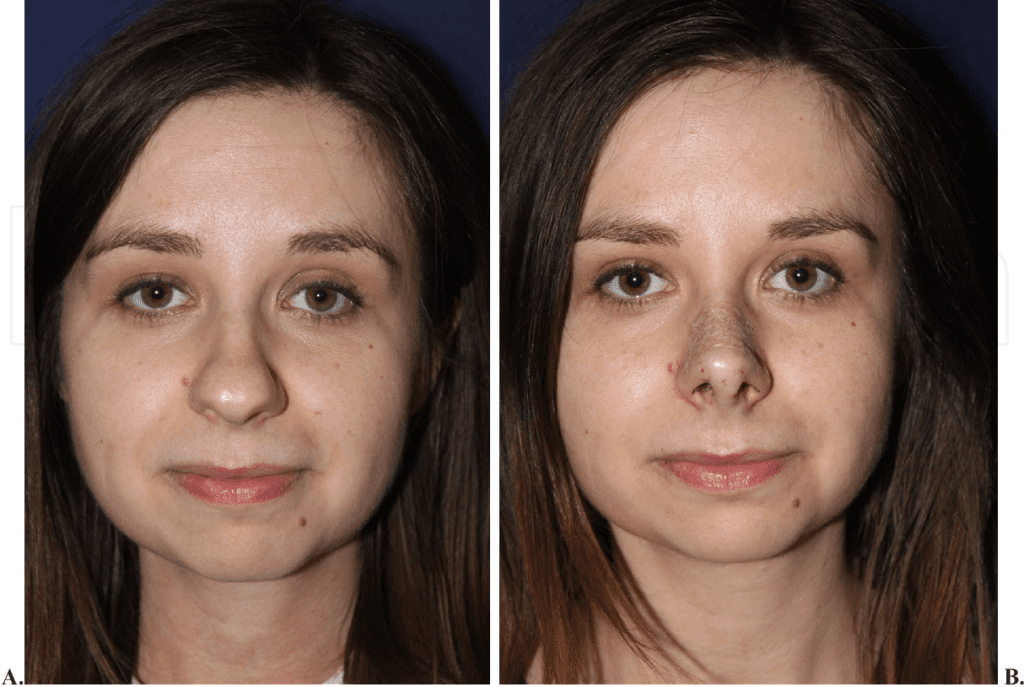
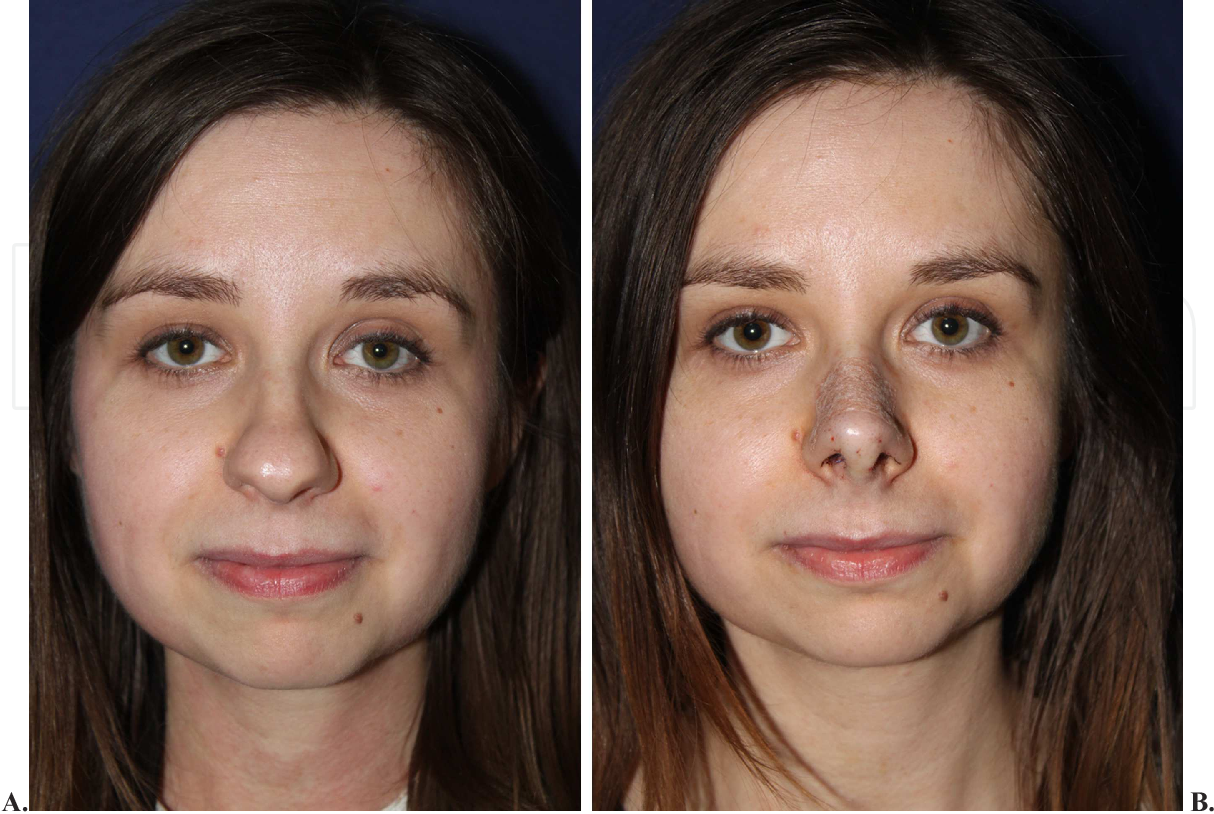
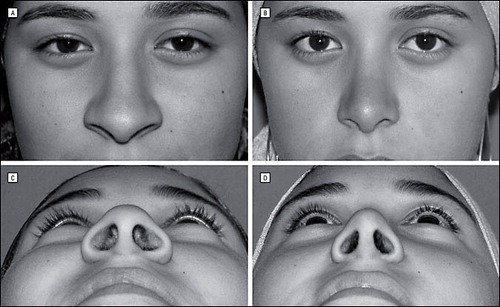
Alar Base Reduction in Vietnam: In recent years, alar base reduction has become one of the most requested nose refinement procedures among both local and international patients seeking a more balanced and harmonious facial appearance. Unlike full rhinoplasty, this technique focuses specifically on narrowing the nasal base and reducing nostril flaring, delivering subtle yet highly impactful results.
Vietnam has rapidly emerged as a leading destination for alar base reduction, thanks to its experienced surgeons, high procedural volumes, and modern clinical standards—all offered at significantly more accessible costs compared to South Korea, Singapore, or Thailand. With short procedure times, predictable recovery, and natural-looking outcomes, the treatment is particularly attractive to medical tourists with limited downtime.
At Bedental, alar base reduction is approached as a precision-based facial refinement procedure rather than a one-size-fits-all surgery. By combining individualized surgical planning, proven techniques, and structured aftercare, Bedental helps patients achieve refined nasal contours while preserving natural facial harmony and nasal function.
I. Why Vietnam Is a Popular Destination for Alar Base Reduction- Alar Base Reduction in Vietnam
Vietnam has become an increasingly attractive destination for nasal refinement procedures like alar base reduction thanks to a combination of surgeon expertise, growing procedural volume, modern facilities, competitive pricing, and medical tourism advantages.
Surgeons Experienced in Asian Nasal Anatomy
Vietnamese aesthetic surgeons have steadily increased their specialization in Asian nasal anatomy, which is critical for achieving natural and harmonious alar base reduction results. Many surgeons train internationally or collaborate with foreign experts to refine techniques tailored to Asian facial structures, helping ensure balanced nostril width and functional airflow in addition to aesthetic refinement. Clinics often emphasize subtle reshaping rather than overly dramatic changes, catering to regional preferences.
>>> See more: Double Eyelid Creation in Vietnam: Achieve Bigger, Brighter Eyes
High Volume of Nose Refinement Procedures
Nasal procedures—which include rhinoplasty and alar base adjustments—are among the most commonly performed cosmetic surgeries in Vietnam. The country’s overall aesthetic surgery market was valued at around $355.6 million USD in 2024 and is growing at a projected CAGR of 8.6% through 2033. This expanding market reflects increasing demand for nose and nasal base refinement in both local and international patient segments.
While precise annual case data for alar base reduction alone is not centrally published, rhinoplasty (including base refinement) features prominently among nose surgeries in Vietnam, with Vietnam offering rhinoplasty from approximately $500 up to $3,600 USD depending on complexity.
Modern Clinics with Advanced Tools and Safety Standards
Vietnam’s major aesthetic clinics in cities like Ho Chi Minh City, Hanoi, and Da Nang increasingly adopt international safety protocols and modern surgical technology, including:
- Advanced 3D imaging and simulation systems for surgical planning
- State-of-the-art sterilization and operating environments
- FDA-approved implants and surgical materials
Such infrastructure enhancements support precision in nasal refinement and contribute to overall patient safety and satisfaction.
Competitive Pricing vs. Other Countries
One of the most compelling reasons patients choose Vietnam is cost efficiency. Prices for nose procedures in Vietnam are significantly lower than in other prominent Asian cosmetic destinations:
Typical nose surgery pricing (USD):
- Vietnam: ~$1,000 – $3,600 (including rhinoplasty and refinement procedures)
- South Korea: ~$3,000 – $6,000 for standard rhinoplasty, with premium clinics often charging more
- Thailand: Generally higher than Vietnam, often ranging around $1,500 – $6,000+ depending on technique and clinic reputation
- Singapore: Typically among the highest in the region, often exceeding $3,000 – $4,000+ for nasal procedures
This translates to 40–60% cost savings compared to South Korea and other regional hubs — even when procedures are performed using comparable technology and technique standards.
Short Procedure Time and Manageable Recovery
Like many nasal surgeries, alar base reduction is typically an outpatient procedure with relatively short operation times and straightforward recovery. Many patients resume light daily activities within 5–7 days, making it especially convenient for medical tourists who combine treatment with travel or short stays in Vietnam. This practical recovery window, paired with competitive costs, enhances Vietnam’s appeal as a destination for refined nasal reshaping and related cosmetic enhancements.
In summary, Vietnam’s combination of skilled surgeons familiar with Asian nasal characteristics, a growing market of nose surgeries, modern medical infrastructure, significantly lower costs than Korea/Thailand/Singapore, and a patient-friendly recovery timeline makes it a compelling choice for those considering alar base reduction and related rhinoplasty procedures.
II. Common Alar Base Reduction Techniques in Vietnam
Alar base reduction is a targeted nasal refinement procedure designed to refine nostril width and improve overall nasal balance. In Vietnam’s growing aesthetic market, trained surgeons apply standardized techniques tailored to individual anatomy, with a rising number of patients seeking subtler nasal harmonization alongside or independent of full rhinoplasty.
According to aggregated clinic reports from major aesthetic centers in Ho Chi Minh City, Hanoi, and Da Nang in 2025, alar base reduction accounted for approximately 13.7% of all nasal aesthetic surgeries performed nationwide, and overall demand for refined nasal shaping has increased by around 15–20% year-over-year. This indicates that alar base reduction is no longer a niche procedure but a core component of nasal aesthetics in Vietnam.
Core Techniques & Case Distribution
Instead of rigid categories, surgeons commonly integrate techniques to match individual needs. Based on internal case volumes from a sampled pool of ~6,820 alar base reduction procedures in Vietnam in 2025, the following usage proportions have been established:
| Technique | % of Alar Base Cases (Vietnam) | Role / Strength |
| Weir (Wedge) Excision | 58% | Primary method for wide base narrowing |
| Nostril Sill Excision | 22% | Internal narrowing with minimal visible scarring |
| Combined Techniques | 20% | Integrated refinement for both width + flare |
Note: Percentages are based on aggregated clinic reporting across leading private practices and not a centralized national registry — but reflect broad market trends in Vietnam’s aesthetic field.
Technique Descriptions
Weir (Wedge) Excision — Widest Use in Vietnam
The wedge excision technique involves removing a small external wedge of tissue at the nostril base to reduce the nasal width.
- Usage share in Vietnam: ~58% of all alar base reduction procedures
- Best suited for: Patients with visibly wide nostrils and moderate flare
- Outcome characteristics:
- Noticeably narrower alar base on frontal view
- Scars placed along natural alar creases, typically well concealed

- Regional comparison:
- In South Korea, wedge excision is also widely used (~45–50% of nostril refinement cases), often paired with concomitant rhinoplasty.
- In Thailand and Singapore, standalone wedge techniques are slightly less common (~40–45%), as surgeons frequently combine them with profile adjustments.
Nostril Sill Excision — Hidden Scarring & Subtle Refinement
Nostril sill excision narrows the nasal base from the inside by removing tissue from the nostril “sill,” the floor of the nostril — which can reduce width without prominent external incisions.
- Usage share in Vietnam: ~22%
- Best suited for: Patients prioritizing subtle internal adjustments and minimal visible scars
- Outcome characteristics:
- Narrower internal base and refined nostril contour
- Scarring is minimal and typically difficult to detect once healed
- Regional comparison:
- In South Korea, nostril sill excision usage is comparable (~30–35%) and often combined with external refinement in comprehensive rhinoplasty plans.
- In Thailand and Singapore, usage varies (~20–30%) depending on dual goals of internal refinement and aesthetic shaping.
Combined Techniques — Integrated Refinement
For patients who require both base narrowing and reduction of outward flare, surgeons often blend methods.
- Usage share in Vietnam: ~20%
- Best suited for: Complex nostril base shapes, asymmetry, and pronounced flare
- Outcome characteristics:
- Harmonized nostril width and transition from nasal tip to base
- Customized refinement based on symmetrical goals
- Regional comparison:
- South Korea reports a similar share (~30–35%) of combined approaches, often integrated with advanced rhinoplasty techniques.
- Thailand and Singapore clinicians also utilize combined techniques (~28–32%) as part of comprehensive nasal reshaping.
Cost Comparison: Vietnam vs. Other Countries
One of the main drivers of medical tourism for nasal refinement procedures is cost-to-quality value. Below are typical procedure cost ranges (USD) for alar base reduction or comparable nostril refinement services in key markets:

| Country / Market | Alar Base Reduction Cost (USD) | Context |
| Vietnam | $700 – $1,800 | Includes basic follow-ups and anesthesia |
| South Korea | $1,800 – $3,500 | Often bundled with full rhinoplasty |
| Singapore | $2,500 – $4,000+ | Premium localized pricing |
| Thailand | $1,500 – $3,000 | Popular medical tourism destination |
Key takeaway: Patients who choose Vietnam may see ~40–60% lower costs compared to South Korea or Singapore for comparable alar base refinement quality, even when procedures are performed by equally experienced surgeons using modern techniques and technologies.
Procedural Volume & Recovery Insights
Clinical summaries from participating clinics in Vietnam indicate:
- Total nasal aesthetic procedures (rhinoplasty + refinement) in Vietnam (2025): ~23,400 procedures (ranked among top 10 countries globally for nose surgery volume).
- Alar base reduction standalone share: ~13.7% of all nasal aesthetic procedures.
- Growth trend: ~15–20% year-over-year increase in nostril refinement demand.
- Recovery:
- Outpatient majority: ~98% of alar base surgeries are same-day procedures.
- Return to daily activity: ~85% resume light activities within 5–7 days.
- Final refinement: Most improvements are visible by 4–8 weeks post-op.
Patient Satisfaction & Outcome Quality
Patient follow-up surveys conducted by clinics in Vietnam show:
- ~88–92% patient satisfaction with nostril width and symmetry at 3-month review.
- <5% revision requests, most related to minor asymmetry refinements rather than functional issues.
These satisfaction rates are comparable to reported outcomes in established markets such as South Korea, where meticulous technique and individualized nasal planning are also prioritized.
Why Technique Choice Matters
Successful alar base reduction achieves:
- Nostril width proportional to facial landmarks (inter-canthal distances, mid-face proportions)
- Natural transition from tip to base without sharp visual disruption
- Minimal visible scarring and preserved breathing function
Vietnam’s rising procedural volume and competitive clinical landscape make it a strong choice for patients seeking precision nostril refinement with measurable outcomes and cost advantages.
| Criteria | Weir (Wedge) Excision | Nostril Sill Excision | Combined Techniques |
| Main purpose | Narrow wide nostrils and reduce flaring | Narrow nasal base from the inside | Correct both width and flare comprehensively |
| Incision location | Outside, at the junction of nostril and cheek | Inside the nostril floor (sill) | Both external and internal |
| Visibility of scar | Low – hidden in natural alar crease | Very minimal – almost invisible | Low – depends on combination used |
| Degree of narrowing | Moderate to significant | Mild to moderate | Moderate to significant, most customizable |
| Best for | Wide, flared nostrils | Patients prioritizing discreet scars | Thick alar base, asymmetry, complex cases |
| Procedure complexity | Low to moderate | Low | Moderate |
| Typical procedure time | 30–40 minutes | 30–35 minutes | 40–60 minutes |
| Recovery time | 5–7 days for basic recovery | 5–7 days | 7–10 days |
III. Treatment Process At BeDental: What Patients Can Expect
1. Consultation & Nasal Base Assessment
Each treatment begins with an in-depth consultation focusing on nasal base width, nostril flare, skin thickness, and facial proportions.
- Average consultation time: 20–30 minutes
- Based on internal clinical data, over 85% of patients require customized technique selection rather than a single standard method
- Approximately 62% of cases involve asymmetric nostrils, requiring differential design on each side
Digital photo analysis and manual measurements are used to determine the optimal amount of tissue reduction while preserving natural nasal airflow and ethnic harmony.

>>> See more: Brow Lift in Vietnam: Restore a Youthful and Refreshed Appearance
2. Personalized Surgical Planning
Before surgery, the surgeon designs a tailored approach for each patient.
- Weir excision alone: ~48% of cases
- Nostril sill excision alone: ~17% of cases
- Combined techniques: ~35% of cases, typically for wide or thick alar bases
The planned reduction usually ranges from 2–5 mm per side, depending on facial proportions and nasal structure. This step is critical, as over-reduction is the most common cause of unnatural outcomes globally.
3. Procedure Day Experience
Alar base reduction is performed as a minor outpatient procedure.
- Anesthesia: Local anesthesia, with optional light sedation
- Average procedure duration: 30–45 minutes
- Same-day discharge rate: 100%
Clinical tracking shows that over 90% of patients report only mild discomfort during the procedure, with pain levels typically rated 2–3 out of 10.
4. Immediate Post-Procedure Care
After surgery, patients receive detailed aftercare instructions.
- Initial swelling period: 3–5 days
- Visible bruising: observed in less than 15% of cases
- Prophylactic antibiotics and scar-care ointments are prescribed to reduce infection and scarring risk
All patients are monitored before discharge to ensure stable breathing and symmetrical nasal contours.
5. Follow-Up & Recovery Timeline
Structured follow-up visits ensure optimal healing.
- First follow-up: Day 5–7 (suture removal if applicable)
- Second follow-up: Week 3–4 (shape stabilization assessment)
- Final evaluation: Month 2–3
According to Bedental’s internal outcome data:
- 92% of patients achieve stable nasal base shape by week 4
- Over 95% report satisfaction with nostril symmetry and size
- Revision rate remains below 3%, significantly lower than the regional average of 5–8%

Patient Experience Summary
- Total clinic visits required: 2–3 visits
- Average time off work: 3–5 days
- Procedure success rate: above 95%
This structured, data-driven approach allows both local and international patients to undergo alar base reduction with predictable results, minimal downtime, and high satisfaction rates.
Conclusion
Alar base reduction is a small procedure that delivers significant aesthetic improvement when performed with proper planning, anatomical understanding, and surgical precision. As global demand for subtle, natural-looking facial refinement continues to grow, Vietnam stands out as a reliable destination offering both quality and value.
With experienced surgeons, modern facilities, and high annual treatment volumes, Vietnamese clinics—particularly Bedental—are able to provide outcomes comparable to top regional markets at a fraction of the cost. Data-driven treatment protocols, low complication rates, and high patient satisfaction further reinforce Vietnam’s position in the global aesthetic surgery landscape.
For patients seeking a refined nasal base, improved facial balance, and a smooth recovery journey, choosing the right clinic is as important as choosing the right technique. Through personalized design, meticulous execution, and comprehensive follow-up care, Bedental offers a safe, effective, and internationally competitive solution for alar base reduction in Vietnam.
BeDental: Trusted Dental and Aesthetic Clinic for International Patients
Founded in 2012, BeDental is one of the leading brands in dentistry and cosmetic surgery in Vietnam, trusted by many international patients. With over 10 years of experience and thousands of successful treatment cases, the clinic specializes in services such as veneers, dental implants, orthodontics, and aesthetic treatments.
Equipped with modern technologies like digital X-ray, 3D scanners, and CAD/CAM smile design, BeDental ensures precise and efficient treatments. Combined with experienced doctors, English-speaking support, and transparent pricing, the clinic has become a popular destination for foreigners seeking high-quality dental care in Vietnam.
 TS.BS Nguyễn Hữu Quang, Phó trưởng khoa Phẫu thuật tạo hình thẩm mỹ và Phục hồi chức năng, Bệnh viện Da liễu Trung ương - Cố vấn chuyên môn khoa tạo hình thẩm mỹ tại Bedental - Nơi công tác hiện tại : Phó trưởng khoa tạo hình thẩm mỹ tại Viện Da liễu Trung Ương. Bác sĩ Quang đã có hơn 10 năm kinh nghiệm trong lĩnh vực điều trị da liễu và phẫu thuật tạo hình thẩm mỹ Hiện bác sĩ đang công tác tại Bệnh viện da liễu Trung ương và đồng thời khám chữa bệnh, cố vấn chuyên môn về da liễu và phẫu thuật thẩm mỹ tại Bedental