

 Tiếng Việt
 한국어
한국어 日本語
日本語 中文 (中国)


How to Stop Bleeding after Wisdom Tooth Extraction? If the bleeding after wisdom tooth extraction continues continuously, is it considered abnormal, and what can be done to control the bleeding as quickly as possible? In the following article, BeDental will share with you the causes of bleeding and How to control bleeding after wisdom tooth extraction due to abnormal causes. Please follow the article below!
Bleeding after wisdom tooth extraction – The recovery process!
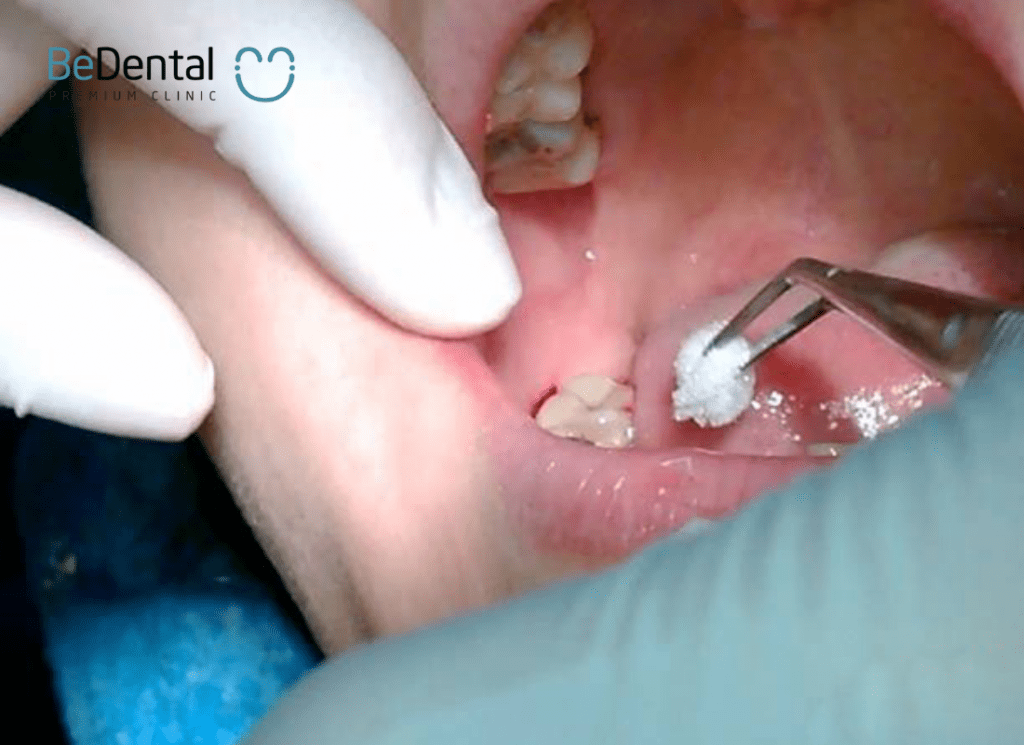
Extracting teeth from any location will inevitably result in bleeding if you decide to remove the tooth from the jaw. The bleeding after wisdom tooth extraction can start within 30 to 60 minutes and may last longer, up to 1 to 2 hours, before it completely stops and forms a blood clot.
Within the next 24 to 48 hours, you may notice a slight oozing of pale yellowish serum and a small amount of blood, causing saliva to have a pinkish hue. If you experience this, there is no need to worry as it is completely normal.
Within 1 to 2 weeks, the serum and blood will no longer ooze, and the wound at the site of wisdom tooth extraction will be sealed as the blood clot forms strong fibrin threads to close the wound and prevent further bleeding. From there, the connective tissue cells will bond together, forming a new layer of mucous membrane.
During this time, you should be cautious when brushing your teeth gently to avoid dislodging the mucous membrane and slowing down the healing process of the extraction site. If you do not experience symptoms such as redness, swelling, or pain, then the healing process of your wisdom tooth extraction site is progressing well.
Around 3 or 4 months after the extraction, the wound at the wisdom tooth extraction site will be fully healed.
Causes of bleeding after wisdom tooth extraction.
The causes of bleeding after wisdom tooth extraction, which cannot be controlled and lead to continuous bleeding, can come from the surgical process or symptoms of infected tooth roots…
Surgical process leading to uncontrollable bleeding after wisdom tooth extraction.
- Bleeding during the surgical process: During the surgical process, if the dentist cuts into the mucous membrane with excessive force, it can cause the incision to become deeper, wider, or disrupt the wound, leading to continuous bleeding.
- Additionally, if the dentist damages and severs the blood vessels surrounding the tooth roots, it can also cause continuous bleeding.
- Deep surgical procedure within the gum tissue to extract the wisdom tooth can result in bleeding from the bone membrane.
- Residual tooth root fragments after the wisdom tooth extraction can cause continuous bleeding at the wound site.
- Poor dental technique is also one of the reasons for continuous bleeding after wisdom tooth extraction.
What should you do for a dislocated jaw? Some treatment methods you should know
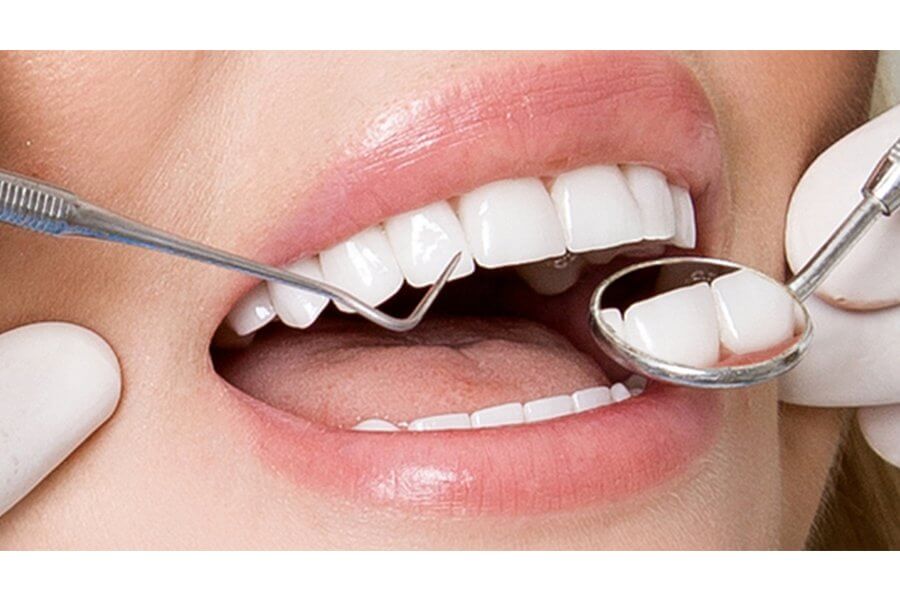
The structure of wisdom teeth complicates the surgical process.
- Wisdom teeth that grow horizontally, grow at an angle, or are deeply embedded in the jaw, with large and multiple roots, can pose difficulties during the surgical process and may result in uncontrollable bleeding after wisdom tooth extraction.
- Wisdom teeth located near blood vessels in the mucous membrane can cause bleeding when the wisdom teeth are extracted, leading to a bleeding condition.
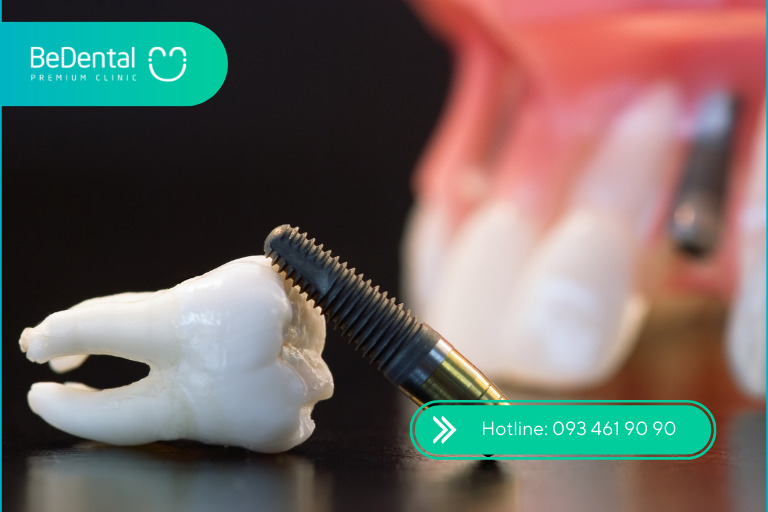
There are certain conditions that make it difficult to control bleeding during tooth extraction.
- The reasons for the inability to control bleeding after wisdom tooth extraction can also be due to an infection at the extraction site.
- Diseases such as periodontitis and pulpitis can also cause continuous bleeding after wisdom tooth extraction.
- If you have dental conditions such as jawbone cysts, blood clotting disorders, low platelet count, you may also experience uncontrollable bleeding after wisdom tooth extraction. Additionally, if your body lacks Vitamin C, it can also lead to bleeding difficulties during wisdom tooth extraction.

How to control bleeding after wisdom tooth extraction
To effectively control bleeding after wisdom tooth extraction, it is crucial to determine the underlying cause of the bleeding. Identifying the cause of continuous bleeding after wisdom tooth extraction will help you control the bleeding more effectively.
Methods to control bleeding after wisdom tooth extraction due to common causes:
Methods to control bleeding after wisdom tooth extraction due to common causes:
- Using gauze or sterile cotton: After the surgical procedure of wisdom tooth extraction, dental professionals will guide you on how to use gauze or sterile cotton to control bleeding. Fold the sterile cotton into a square shape and warm it up with clean water or soak it in hydrogen peroxide.
- Then, place the cotton in the extraction site and bite down firmly to absorb the flowing blood. Maintain this method for 30 minutes to 1 hour, then remove the cotton.
- The cotton will protect the wound and minimize external impact. If the bleeding continues, you can replace the cotton and follow the instructions again
- Using tea bags: Black tea contains tannic acid, which helps promote blood clotting. You can use a warm black tea bag by placing it on the extraction site for about 20 minutes, or you can drink black tea to help control bleeding. However, the bleeding control process may be slower with this method.
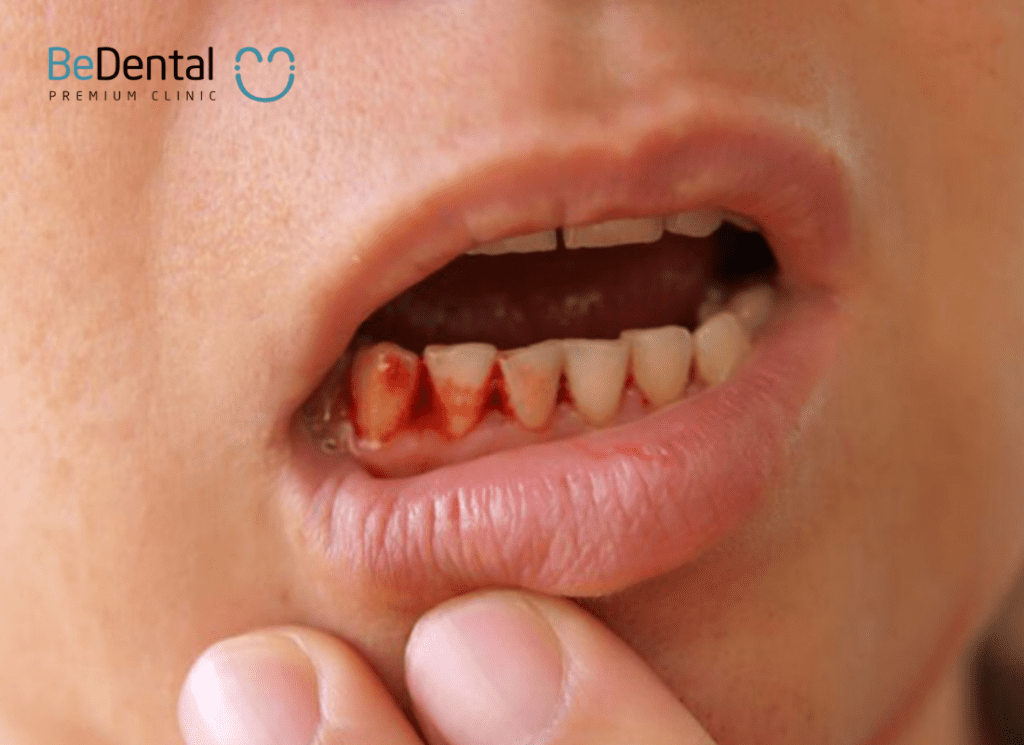
How to control bleeding after wisdom tooth extraction due to abnormal causes.
If bleeding persists after wisdom tooth extraction despite applying the method of biting down on gauze as instructed by the dentist and the bleeding continues for more than 6 hours, you should immediately contact a dentist. The dentist will help you take an X-ray for diagnosis.
- If the reason for the bleeding after wisdom tooth extraction is due to a damaged mucous membrane or a torn wound, the dentist will help you stitch up the wound.
- If there are remaining fragments from the surgical procedure, the dentist will help you open the gums and remove the debris and then stitch it back up.
- The dentist will perform surgery or ligate the blood vessel and then stitch it back up for you if the reason for the bleeding after wisdom tooth extraction is due to a severed blood vessel.
- If the cause is due to residual infection, you will need to have the tooth socket cleaned again and apply the method of controlling bleeding with gauze soaked in hydrogen peroxide.
- If the cause is due to the presence of adrenaline in cough medicine or alcohol, you just need to bite down on gauze and avoid alcohol.
Some notes for you to stop bleeding after wisdom tooth extraction.
Proper oral care also helps stop bleeding after wisdom tooth extraction.
Oral care after wisdom tooth extraction is not only limited to oral hygiene but also the post-extraction diet plays a crucial role in stopping bleeding and promoting wound healing.
- Soft foods such as soup, broth, porridge, etc. will help you swallow more easily after wisdom tooth extraction.
- You should drink plenty of fruit juices to boost your immunity, but avoid using straws to prevent poking the wound and causing it to reopen.
- You only need to avoid eating for 1 to 2 hours after wisdom tooth extraction, but you should not fast after this period. It is essential to supplement your body with adequate nutrition, especially if you are continuously losing blood after wisdom tooth extraction.
- You should avoid dislodging blood clots, so be careful when chewing food.
- Do not eat overly hot or cold foods or spicy dishes, as these can prevent the bleeding from stopping.
What should you do to ensure that the wound from wisdom tooth extraction heals quickly and does not get infected?
To ensure that the wound from wisdom tooth extraction heals quickly and does not get infected, you should proactively develop good habits. The following habits will help your wound from wisdom tooth extraction heal faster:
- Do not eat any food within 1 to 2 hours after completing the wisdom tooth extraction process. For the next 1 to 2 days, avoid excessive movement of the mouth, chewing hard foods. This can damage the gum tissue at the site of the wisdom tooth extraction and slow down the healing process.
- Gently rinse your mouth with warm saltwater for the first 24 hours, avoiding vigorous gargling or rinsing to prevent the wound from reopening. Do not use a toothbrush to clean the wound, and avoid touching the wound for 1 to 2 weeks until the wound is fully healed.
- Do not use toothpicks or any sharp, hard objects that can damage the extraction site, as this can lead to prolonged bleeding.
- Use painkillers as directed by the dentist, and you can also apply ice packs to reduce pain.
- Absolutely do not use home remedies for pain relief without the consent of a dentist, as this can increase the risk of oral infection.
Once the wound has fully healed, you can resume eating and drinking according to your preferences. However, you should maintain regular oral hygiene habits to ensure strong and healthy teeth.
Limit continuous bleeding after wisdom tooth extraction by finding a reputable dental clinic!
Choosing a reputable dental clinic will help you limit the condition of continuous bleeding after wisdom tooth extraction. A reputable dental clinic is a place with a team of skilled and experienced dental doctors who can effectively control emergencies in treatment.
BeDental is one of the reputable dental addresses in Hanoi and Ho Chi Minh City with over 10 years of experience. We have medical equipment and a professional team of doctors that meet all the standards of the Ministry of Health.
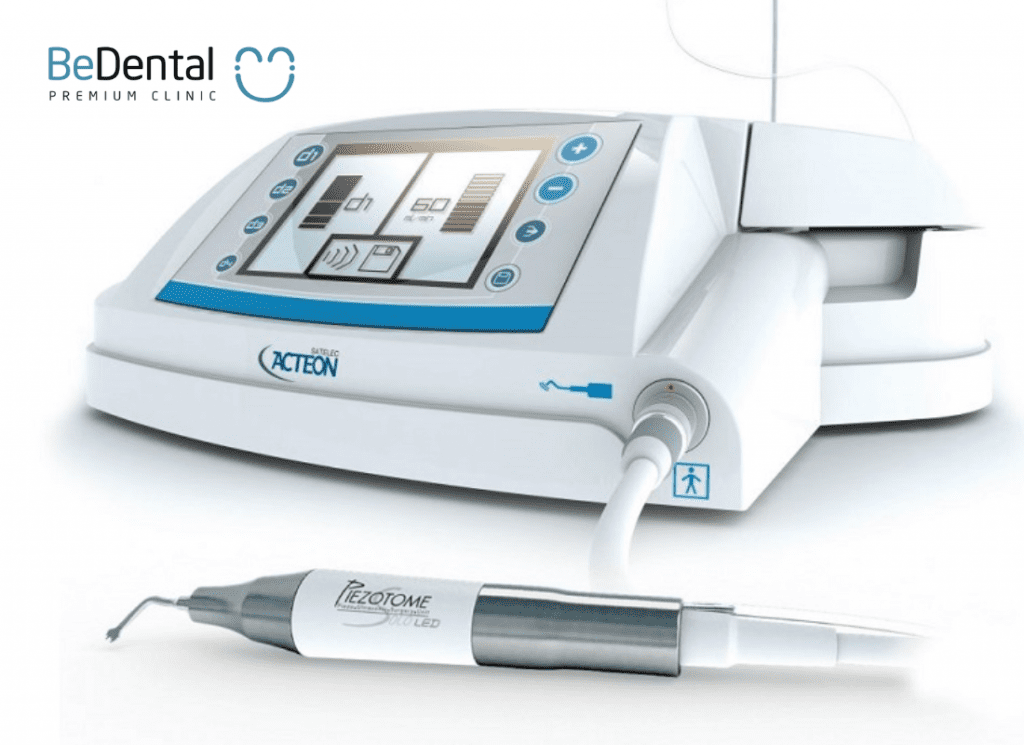
BeDental uses painless wisdom tooth extraction techniques with modern ultrasonic tooth extraction equipment. Non-bleeding wisdom tooth extraction is a very common condition, but if not detected and treated in a timely manner, it can cause unnecessary worry and impact.
If you experience non-bleeding wisdom tooth extraction, please visit a dental doctor or contact BeDental immediately. You can contact us in two ways:
Method 1: Ask questions through the chat box by clicking on the message icon at the bottom right of the screen. Our team of dental doctors will answer and advise you.
Method 2: Please pick up the phone and call the hotline number: 093.461.9090 for detailed advice.
After being advised, if you want to come to BeDental for examination and treatment of non-bleeding wisdom tooth extraction symptoms, you can make an appointment through BeDental’s website or call the hotline. You can visit BeDental for examination and timely treatment as soon as possible without having to wait long.
| List | Unit | Price | |
|---|---|---|---|
| 1. Tooth Extraction (More detail...) | |||
| Deciduous tooth Extraction without anesthetic | 1 unit | ~ Free |
|
| Deciduous tooth Extraction with Anesthetic | 1 unit | 150.000 ~ 6$ |
|
| Front Tooth Extraction | 1 unit | 1.000.000 ~ 39$ |
|
| Premolar tooth Extraction | 1 unit | 1.500.000 ~ 59$ |
|
| Molar tooth Extraction | 1 unit | 2.000.000 ~ 79$ |
|
| Upper Wisdom Tooth Extraction | 1 unit | 1.500.000 ~ 59$ |
|
| Lower Wisdom Tooth Extraction Straight-grown | 1 unit | 2.000.000 ~ 79$ |
|
| Lower Wisdom Tooth Extraction non Straight-grown | 1 unit | 3.000.000 ~ 118$ |
|
| Lower Wisdom Tooth Extraction - Dificult | 1 unit | 4.000.000 ~ 157$ |
|
| Upper Wisdom Tooth Extraction with Piezotime | 1 unit | 2.000.000 ~ 79$ |
|
| Lower Wisdom Tooth Extraction Straight-grown with Piezotome | 1 unit | 3.500.000 ~ 138$ |
|
| Lower Wisdom Tooth Extraction Straight-grown with Piezotome - Dificult Case | 1 unit | 5.000.000 ~ 196$ |
|
| Lower Wisdom Tooth Extraction non Straight-grown with Piezotome | 1 unit | 4.500.000 ~ 177$ |
|
| Tooth abscess Treatment | 1 unit | 800.000 ~ 31$ |
|
| Tooth follicles treatment | 1 unit | 2.000.000 ~ 79$ |
|
| 2. Gum contouring Surgery (More detail...) | |||
| Gum contouring Surgery with Knife surgery | 1 unit | 500.000 ~ 20$ |
|
| Gum contouring Surgery with laser machine | 1 unit | 1.000.000 ~ 39$ |
|
| Gum contouring Surgery bone impacting | 1 jaw | 15.000.000 ~ 589$ | |
| 3. Other Surgery |

Tư vấn chuyên môn bài viết:
BÁC SĨ DƯƠNG THỊ THÙY NGA
Bác sĩ chỉnh nha tổng hợp
Ngôn ngữ giao tiếp: Tiếng Việt, Tiếng Anh, Tiếng Nga
Đặt Lịch Hẹn
Xem Hồ Sơ
Tư vấn chuyên môn bài viết:
BÁC SĨ DƯƠNG THỊ THÙY NGA
BEDENTAL - TOP STANDARD DENTISTRY SYSTEM
In HANOI
Address 1: 7B Thi Sach St, Ngo Thi Nham, Hai Ba Trung Dist, Ha Noi. - 0934.61.9090
Address 2: No 129 Hoang Ngan, Yen Hoa, Cau Giay Dist, Ha Noi. - 0934.61.9090
In HO CHI MINH
Address 1: 53 -55 -57 Pho Duc Chinh St, Nguyen Thai Binh, Dist. 1, Ho Chi Minh. - 0766.00.8080
Working: 9am - 8pm everyday
Website: https://bedental.vn/en/